

 Pregledaj u prostoru
 Pošalji
 Podeli
 Detalji o delu

 Преузми
 Slični predmeti
 Rendgenski snimak
 Slajdovi
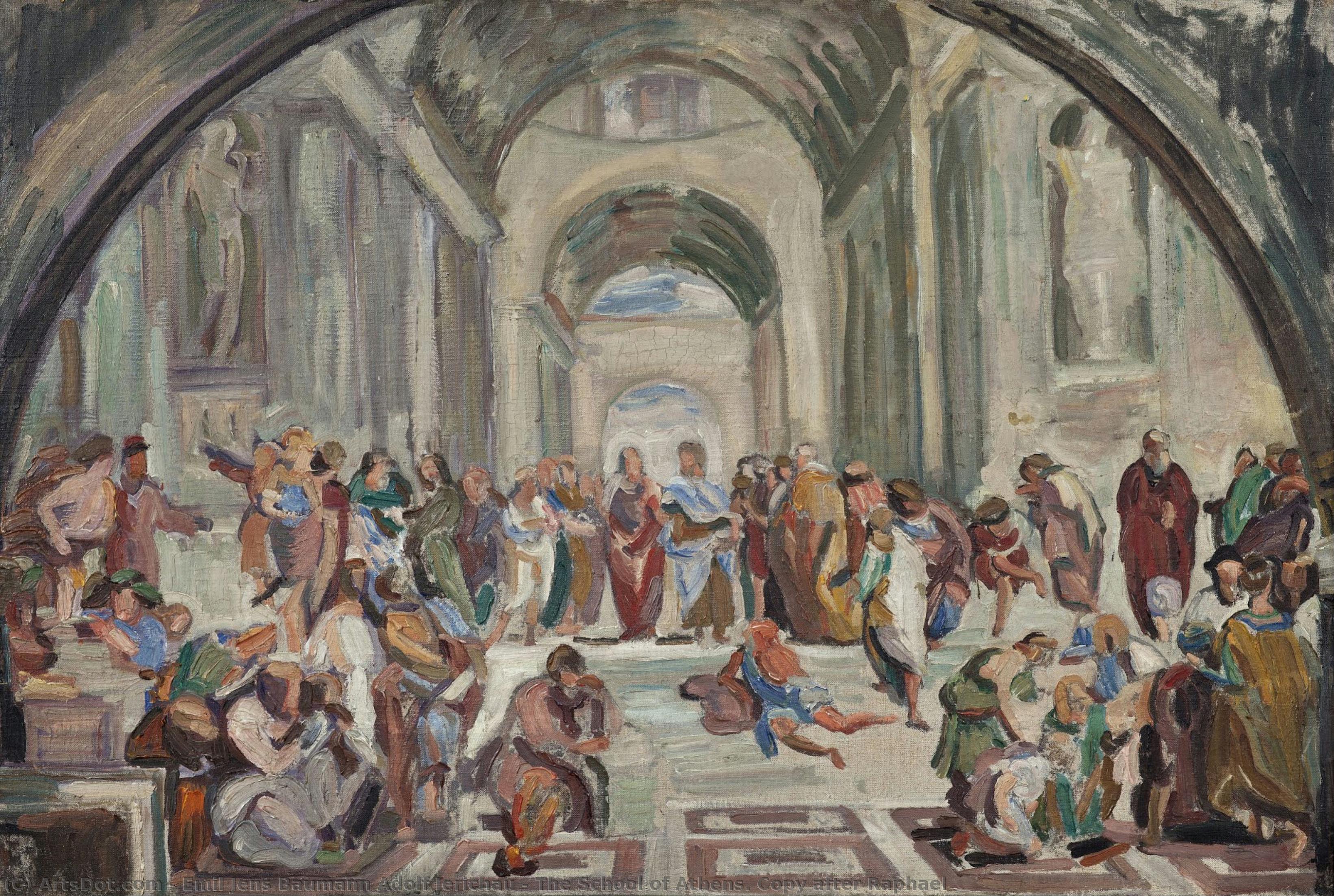
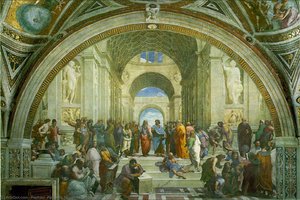
The School of Athens. Copy after Raphael

 Pročitaj više
Giclee štampa / Umetnički otisak
Giclée štampa ili print na platnu muzejskog kvaliteta uz brzu proizvodnju i fleksibilne opcije završne obrade. ( Kupi ručno naslikanu sliku Kupi digitalnu sliku)




































Izaberite jednu od naših unapred definisanih veličina koje odgovaraju originalnim proporcijama umetničkog dela.

Možete uneti sopstvene dimenzije kako biste umetničko delo prilagodili specifičnom okviru ili prostoru. Ako odabrani format ne odgovara proporcijama originalne slike, mi ćemo ili iscrtati deo dela ili proširiti sliku pomoću ogledane ivice ili jednobojnog popunjavanja. Digitalni prikaz će vam biti poslat na odobrenje pre početka proizvodnje.
Imajte na umu da pregled na ekranu ne odražava stvarno iscrtavanje ili proširivanje. Samo će prikaz (mockup) precizno pokazati finalnu kompoziciju.
Iako su prilagođene dimenzije dostupne, preporučujemo da odaberete dimenziju sa unapred definisane liste kako biste očuvali originalne proporcije.
Dostava širom sveta () za 2 nedelje umesto uobičajenih 4/5 nedelja. (25 август)

Besplatna ekspresna dostava širom sveta

Visokokvalitetno laneno platno

Kompletno osiguranje transporta

Garancija povraćaja carine i uvoznih dažbina

Garancija vernosti boja

Politika povrata u roku od 60 dana (samo u slučaju nedostataka)

Garancija povrata novca od 100%

Popust pri grupnoj kupovini
 Opcija sa staklom dostupna je samo za dimenzije manje od 110 cm

The School of Athens. Copy after Raphael
Giclee štampa / Umetnički otisak
Dimenzije reprodukcije
-


Konačna cena
$ 62
Opis predmeta
Srodna umetnička dela





Biografija umetnika
John Frederick Kensett: The Luminist Vision
John Frederick Kensett, born in Cheshire, Connecticut, in 1816, emerged as a pivotal figure in the burgeoning American art scene during the mid-19th century. Initially apprenticed to his father’s engraving firm, Kensett’s artistic inclinations soon led him away from the meticulous lines of printmaking and toward the vibrant, atmospheric landscapes that would define his legacy. His journey was marked by a deliberate rejection of commercial pursuits and a passionate pursuit of capturing the essence of nature – a pursuit he termed “luminism.” This style, characterized by its soft light, delicate brushwork, and emphasis on mood and atmosphere, distinguished Kensett from many of his contemporaries in the Hudson River School. He wasn’t merely depicting scenes; he was striving to evoke feelings, to transport the viewer into the heart of a natural world imbued with serenity and beauty.Early Influences and European Sojourn
Kensett's artistic development unfolded through a series of formative experiences. His initial exposure to engraving provided a foundational understanding of technique, but it was his dissatisfaction with this medium that fueled his desire for landscape painting. A pivotal moment arrived in 1840 when he joined a group of American artists – including John W. Casilear and Thomas P. Rossiter – embarking on a journey to England. This trip proved transformative. Kensett immersed himself in the collections of the National Gallery and Dulwich College, studying the works of masters like J.M.W. Turner and Constable, whose techniques profoundly influenced his own approach to light and color. He also spent time in Paris, absorbing the artistic currents of the École Préparation des Beaux-Arts and socializing with a community of American artists, including Thomas Cole, Benjamin Champney, and Francis W. Edmonds. The Parisian experience broadened his artistic horizons, exposing him to new techniques and perspectives while solidifying his commitment to capturing the fleeting effects of light on nature. His grandmother’s death in Hampton Court also prompted a return to England, further shaping his artistic sensibilities.Italian Studies: A Masterclass in Light and Color
Following his time in Europe, Kensett dedicated much of his career to studying the landscapes of Italy. Beginning in 1843, he spent several years touring the regions around Rome, Florence, Venice, and southern Italy – a period that proved utterly crucial to his artistic development. He meticulously sketched and painted scenes from Naples, Sorrento, and other picturesque locations, absorbing the nuances of light, color, and composition. His Italian sojourn wasn’t simply about sightseeing; it was an intensive study of nature's subtleties. He sought to emulate the techniques of Titian and Michelangelo, incorporating their mastery of color and form into his own work. His circle of friends in Rome included George Baker, Louis Lang, James Freeman, and Christopher Pearce Cranch, all contributing to a stimulating artistic environment that fostered experimentation and innovation. Notably, he maintained close ties with George Curtis and his brothers, who provided valuable social connections within New York’s art community.Key Works and Artistic Style
Kensett's most celebrated works exemplify the principles of luminism. *The Clearing in the Forest* (1849), *Twilight in the Adirondacks* (1853), and *Monhegan Village* (1870) are particularly noteworthy examples. These paintings demonstrate his ability to capture the ethereal quality of light, creating a sense of tranquility and immersion. His brushwork is characterized by delicate layers of paint, applied with meticulous precision to build up subtle gradations of tone and color. He avoided dramatic contrasts in value, instead favoring soft, diffused light that permeates the scene. Kensett’s compositions are often carefully balanced, drawing the viewer's eye through a series of interconnected elements – trees, water, sky – creating a harmonious and visually engaging experience. His work reflects a deep appreciation for the beauty of the American landscape, capturing its essence with remarkable sensitivity and skill.Legacy and Historical Significance
John Frederick Kensett’s contribution to American art is undeniable. He is widely considered the foremost practitioner of luminism, establishing a distinct artistic style that profoundly influenced subsequent generations of landscape painters. His work helped to elevate landscape painting to a position of prominence within the American art world, challenging the prevailing academic traditions and paving the way for a more expressive and subjective approach to representation. His dedication to capturing the fleeting effects of light and atmosphere continues to resonate with viewers today, reminding us of the enduring beauty and power of the natural world. He remains an important figure in the Hudson River School, though his unique focus on luminosity set him apart from many of his contemporaries. His legacy is one of quiet observation, masterful technique, and a profound connection to the American landscape.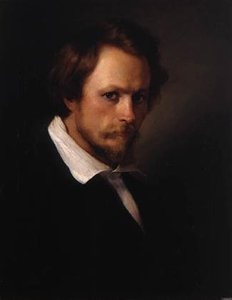
emil jens baumann adolf jerichau
1816 - 1883 , Denmark
Osnovne informacije
- Artistic Movement Or Style: Luminism
- Artists Or Movements Influenced By This Artist:
- Hudson River School
- Luminism
- Artists Who Influenced This Artist:
- Asher B. Durand
- Thomas Cole
- Benjamin Champney
- Date Of Birth: 1816
- Date Of Death: 1883
- Full Name: John Frederick Kensett
- Nationality: American
- Notable Artworks:
- Hudson River Views
- Twilight in the Adirondacks
- The Old Folks at Home
- Place Of Birth: Cheshire, Connecticut

