

 Pošalji
 Podeli
 Detalji o delu

 Преузми
 Slični predmeti
 Slajdovi
 Stats
StatsCarpeaux at Work (detail)


 Pročitaj više
Giclee štampa / Umetnički otisak
Giclée štampa ili print na platnu muzejskog kvaliteta uz brzu proizvodnju i fleksibilne opcije završne obrade. ( Kupi ručno naslikanu sliku Switch to Digital Image)




































Izaberite jednu od naših unapred definisanih veličina koje odgovaraju originalnim proporcijama umetničkog dela.

Možete uneti sopstvene dimenzije kako biste umetničko delo prilagodili specifičnom okviru ili prostoru. Ako odabrani format ne odgovara proporcijama originalne slike, mi ćemo ili iscrtati deo dela ili proširiti sliku pomoću ogledane ivice ili jednobojnog popunjavanja. Digitalni prikaz će vam biti poslat na odobrenje pre početka proizvodnje.
Imajte na umu da pregled na ekranu ne odražava stvarno iscrtavanje ili proširivanje. Samo će prikaz (mockup) precizno pokazati finalnu kompoziciju.
Iako su prilagođene dimenzije dostupne, preporučujemo da odaberete dimenziju sa unapred definisane liste kako biste očuvali originalne proporcije.
Dostava širom sveta () za 2 nedelje umesto uobičajenih 4/5 nedelja. (8 септембар)

Besplatna ekspresna dostava širom sveta

Visokokvalitetno laneno platno

Kompletno osiguranje transporta

Garancija povraćaja carine i uvoznih dažbina

Garancija vernosti boja

Politika povraćaja u roku od 100 dana (isključivo u slučaju nedostataka)

Garancija povrata novca od 100%

Popust pri grupnoj kupovini
 Opcija sa staklom dostupna je samo za dimenzije manje od 110 cm

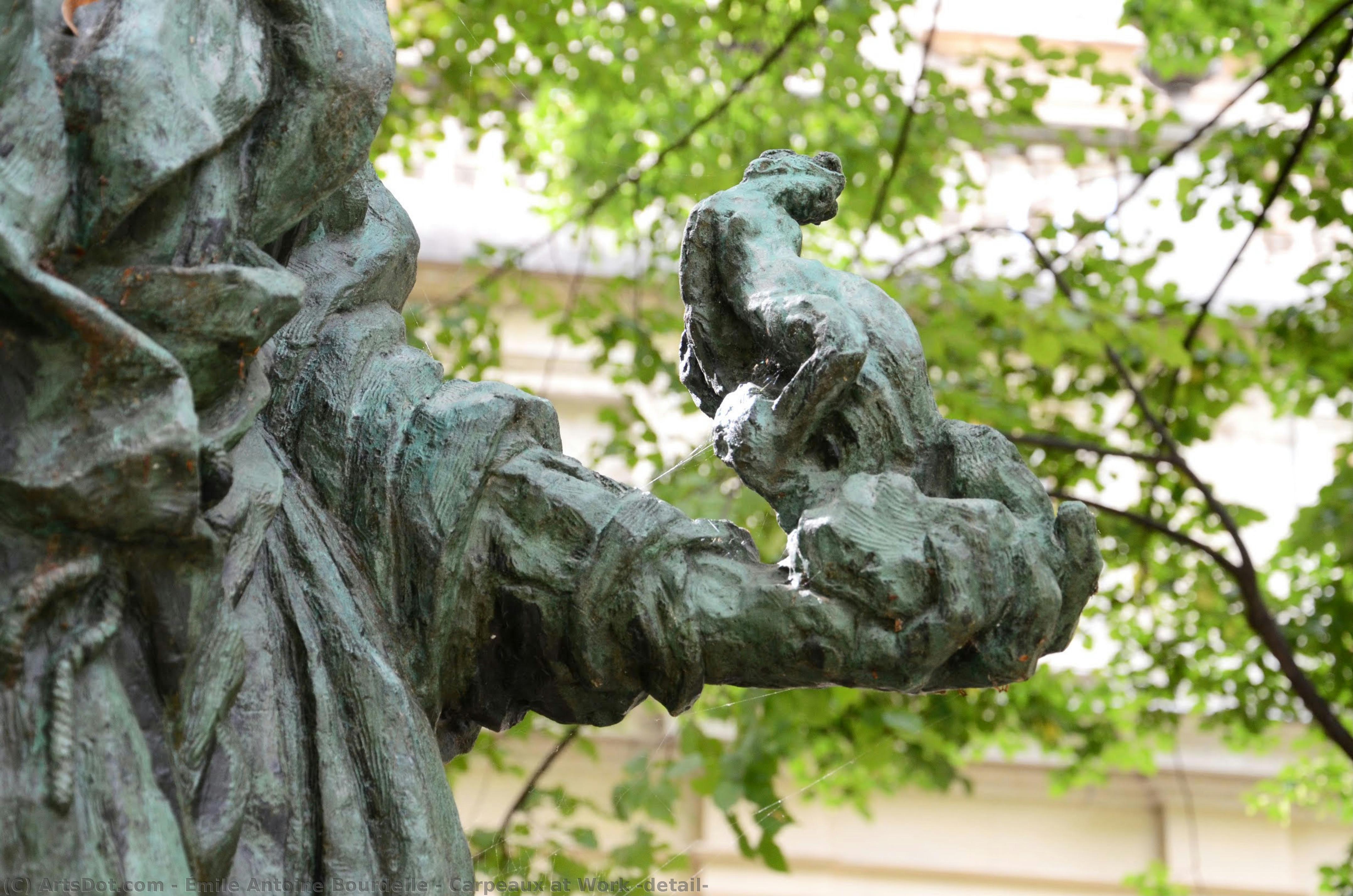
Carpeaux at Work (detail)
Giclee štampa / Umetnički otisak
Dimenzije reprodukcije
-


Konačna cena
$ 62
A Moment Frozen in Bronze: The Intimacy of Bourdelle’s Vision
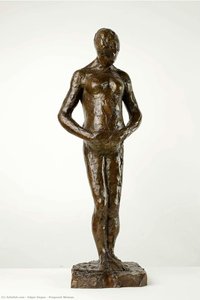
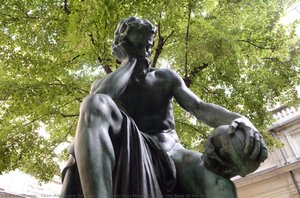
In the delicate interplay of light and shadow captured within this bronze study, we encounter a profound moment of connection that transcends the cold medium of metal. Carpeaux at Work (detail), a masterful creation by the influential French sculptor Émile Antoine Bourdelle, invites the viewer into a private, quiet sanctuary of emotion. The sculpture presents a close-up view of a figure cradling a bird, an image that serves as a poignant testament to the artist's ability to breathe life into inanimate matter. Through the meticulous detailing of the hand and arm, Bourdelle demonstrates a command over texture and form that allows the viewer to almost feel the warmth of the skin and the fragile flutter of wings. The surrounding foliage, rendered with organic grace, anchors the scene in a naturalistic setting, creating a sense of timelessness that resonates deeply with anyone moved by the beauty of the natural world.
Created in 1875, this work emerges from a pivotal era in sculptural history, a time when the boundaries between classical tradition and the burgeoning modernism were being explored by masters of the craft. Bourdelle, who would later become a pioneer of 20th-century monumental sculpture, displays here an early, exquisite sensitivity to the human touch. While his later works are celebrated for their heroic scale and geometric strength, this detail reveals a softer, more intimate side of his genius. The technique employed in this bronze work showcases a sophisticated understanding of anatomy and light; the way the light catches the ridges of the fingers and the subtle curves of the bird's form creates a dynamic visual rhythm that keeps the eye moving across the composition.
Symbolism and the Soul of the Sculpture
Beyond its technical brilliance, the piece is rich with symbolic resonance, making it an evocative choice for collectors seeking art with depth. The act of cradling a bird is a universal symbol of tenderness, protection, and the fleeting nature of life. It speaks to the human desire to preserve beauty and the delicate balance between strength and vulnerability. For the interior designer, this sculpture offers more than mere decoration; it provides a focal point of contemplative peace. Whether placed in a sunlit study or a sophisticated gallery setting, the work acts as an emotional anchor, drawing onlookers into its silent narrative of care and coexistence.
For those looking to integrate such a masterpiece into their private collections through a high-quality reproduction, this piece offers an unparalleled opportunity to possess a fragment of art history. The intricate details—the way the bronze captures the essence of life—ensure that even as a hand-painted or cast reproduction, the spirit of Bourdelle’s 1875 vision remains intact. It is an investment in atmosphere, bringing a sense of historical weight and poetic grace to any curated space.
Srodna umetnička dela

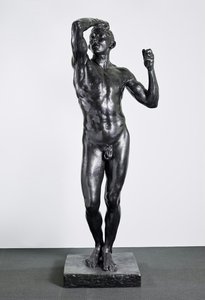
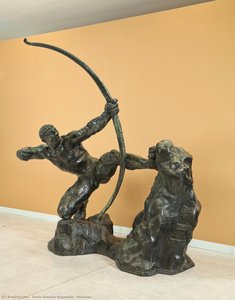
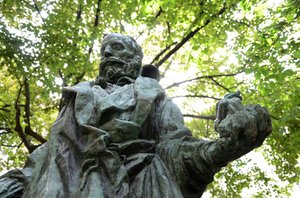
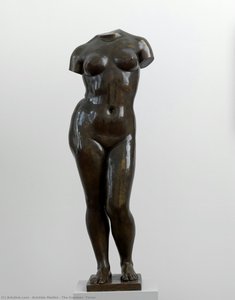
Biografija umetnika
The Architect of Form: The Life and Legacy of Émile Antoine Bourdelle
Born in the historic landscape of Montauban in 1861, Émile Antoine Bourdelle emerged as a titan of French sculpture, a master who bridged the gap between the romantic fluidity of the nineteenth century and the structured rigor of modernism. His journey began not in the grand academies of Paris, but amidst the tactile reality of wood and grain, working as a woodcarver in his father’s cabinet-making shop from the tender age of thirteen. This early immersion in the physical properties of material would later define his sculptural language, imbuing his works with an inherent sense of structural integrity and a profound understanding of volume and mass.
After honing his drawing skills under the guidance of the founder of the Ingres Museum, Bourdelle sought formal training in Toulouse before securing a prestigious scholarship to the École des Beaux-Arts in Paris. It was in the vibrant, competitive atmosphere of the capital that his artistic identity truly began to crystallize. Working within the atelier of Alexandre Falguière and finding inspiration in the studio of Jules Dalou, Bourdelle developed a style that moved away from mere imitation toward a more profound, architectural expression. His 1888 sculptures of Beethoven served as a definitive turning point, showcasing an authoritative command over form that emphasized order, geometric spirit, and a revolutionary approach to construction.
A Symbiosis of Influence: From Rodin to Modernity
The trajectory of Bourdelle’s career was irrevocably altered when he joined the studio of Auguste Rodin in 1893. While many viewed him simply as an assistant, the relationship was one of profound mutual respect; Rodin himself became a great admirer of Bourdelle's unique ability to infuse monumental figures with both heroic strength and rhythmic grace. This period allowed Bourdelle to absorb the expressive vitality of Rodin while simultaneously carving out his own path toward a more structured, classical aesthetic. He did not merely follow the impressionistic textures of his mentor; instead, he sought a return to the permanence of ancient Greek and Roman archetypes, filtered through a twentieth-century lens.
As a teacher, Bourdelle’s influence was nothing short of monumental. His studio became a crucible for future generations of sculptors, where he imparted a philosophy that prioritized the internal logic of the sculpture over superficial detail. His pedagogical reach ensured that his emphasis on geometry, invention, and monumentality would ripple through the decades, influencing the development of Art Deco and the broader movement toward modern abstraction.
Monumental Achievements and Eternal Memory
Throughout his later years, Bourdelle’s work became synonymous with the public spirit of France. He received numerous prestigious commissions for war memorials and civic monuments, works that demanded a sense of timelessness and collective memory. His recognition by the French state was profound, marked by his elevation to Knight, Officer, and eventually Commander of the Legion of Honor. Beyond the borders of France, his participation in the landmark 1913 Armory Show in New York introduced his powerful, rhythmic compositions to an international audience, cementing his status as a pioneer of twentieth-century monumental sculpture.
The legacy of Bourdelle is preserved not only in bronze and stone scattered across the globe but also within the very walls of the Musée Bourdelle in Paris. This museum, housed in his former studio, serves as a sanctuary for his creative spirit, allowing visitors to walk through the space where he shaped the modern sculptural landscape. Though he passed away in 1929, his contribution to the evolution of form remains an indelible part of art history, characterized by:
- Structural Integrity: A mastery of geometric construction that gave figures a sense of architectural permanence.
- Heroic Expression: The ability to convey profound human emotion through powerful, larger-than-life compositions.
- Historical Synthesis: A unique ability to blend classical tradition with the burgeoning energy of modernism.
- Pedagogical Impact: A lasting influence on the sculptural community through his dedicated teaching and studio leadership.
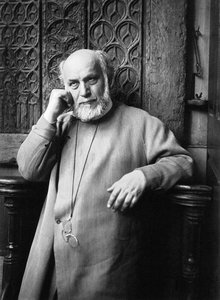
émile antoine bourdelle
1861 - 1929
Osnovne informacije
- Artistic Movement Or Style: Monumental sculpture, Modernism
- Artists Or Movements Influenced By This Artist: ['20th century monumental sculpture']
- Artists Who Influenced This Artist:
- Alexandre Falguière
- Jules Dalou
- Date Of Birth: October 30, 1861
- Date Of Death: October 1, 1929
- Full Name: Émile Antoine Bourdelle
- Nationality: French
- Notable Artworks: ['Beethoven']
- Place Of Birth: Montauban, France
Povezani članci

Bronze Sculptures That Defined Art History | ArtsDot
Journey through art history with our Top 10 bronze sculptures! Explore masterpieces by Rodin, Michelangelo & more. Discover stories behind iconic statues and find museum-quality reproductions for your home decor at ArtsDot.com.

The Enduring Legacy of Bronze: A Historical & Artistic Exploration for the Collector
Explore the rich history & enduring appeal of bronze sculpture with expert insights for collectors at ArtsDot. Learn about casting techniques, iconic artists, collecting tips & contemporary interpretations.
The Enduring Legacy of Bronze: History, Technique & Artistic Expression for the Collector
Explore the rich history & enduring appeal of bronze sculpture with expert insights for collectors at ArtsDot. Learn about casting techniques, iconic artists, and collecting tips.

The Enduring Legacy of Bronze Sculpture: Technique, Symbolism & Cultural Impact
Explore the rich history & enduring appeal of bronze sculpture with expert insights for collectors. Learn about casting techniques, iconic artists, collecting tips & contemporary interpretations at ArtsDot.

Bronze Age to Modern Masters: 10 Sculptures That Redefined Art | ArtsDot
Journey through art history with 10 legendary bronze sculptures – from Michelangelo's David to Rodin’s Thinker. Explore the stories, techniques & timeless beauty of these masterpieces. Find museum-quality reproductions & elevate your home decor on ArtsDot.com.