

 Pregledaj u prostoru
 Pošalji
 Podeli
 Detalji o delu

 Преузми
 Slični predmeti
 Rendgenski snimak
 Slajdovi
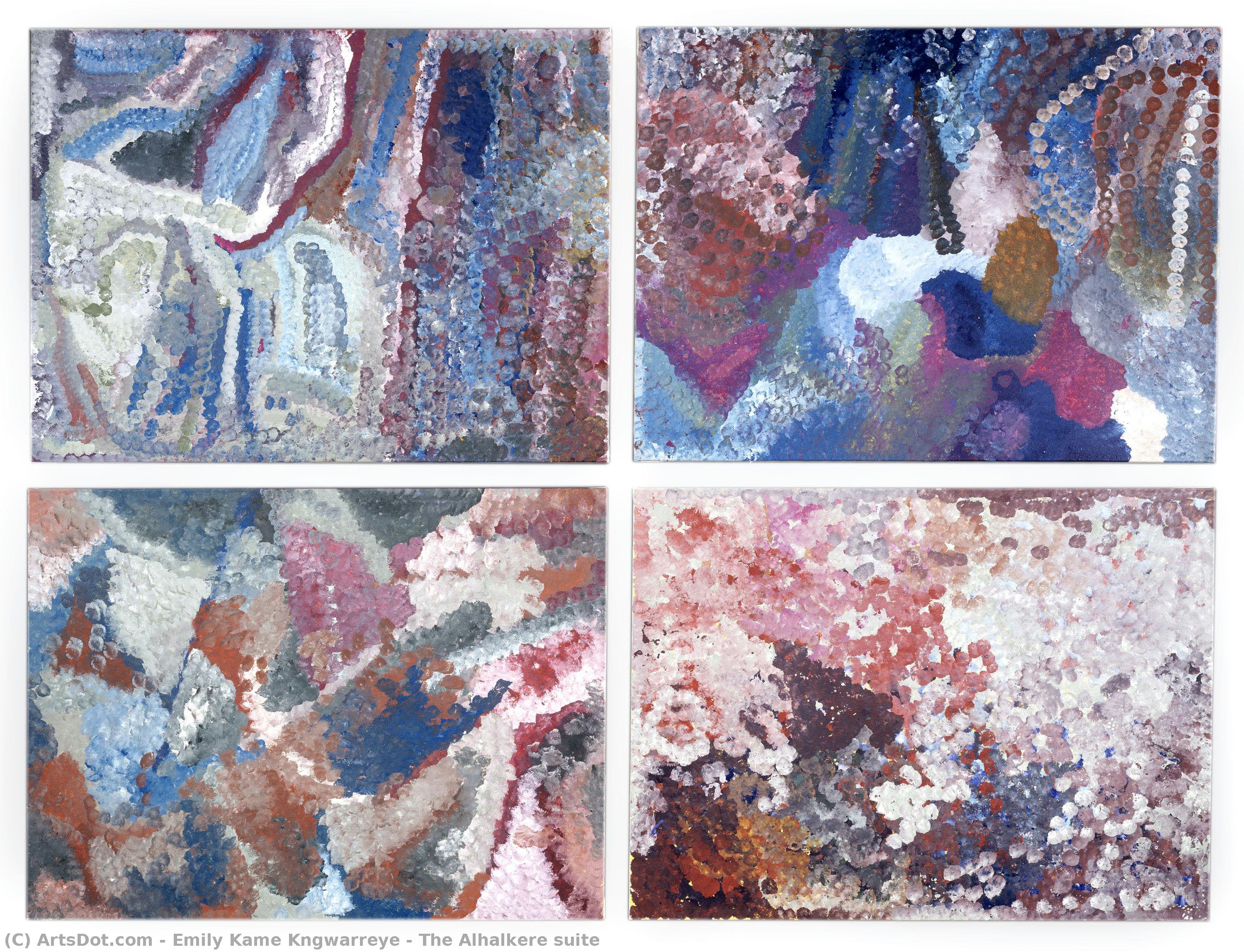
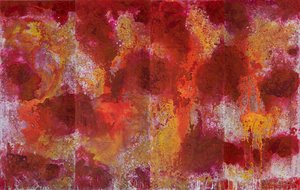
The Alhalkere suite
 Acrylic On Canvas
- WallArt
- Contemporary Abstraction
 1993
1993- Contemporary
 200.0 x 900.0 cm
 Nacionalna galerija Australije
 Pročitaj više
Kupite digitalnu sliku visoke rezolucije i poboljšanog kvaliteta, koja je znatno superiornija od onoga što vidite u online prikazu.
Svaka datoteka je pedantno pripremljena od strane naših stručnjaka koristeći napredne alate i profesionalnu ručnu retušu. Osiguravamo da svaka slika ima izuzetnu oštrinu, preciznu reprodukciju boja i fine detalje.
Konačna datoteka se dostavlja putem e-pošte u roku od 72 sata, optimizovana za neposrednu upotrebu u profesionalnim, izdavačkim i štamparskim okruženjima. To je isti kvalitet kojem veruju vrhunski studiji dizajna, izdavači i galerije.
Digitalna slika
Preuzmite datoteku visoke rezolucije za ličnu upotrebu, štampanje i kreativne projekte. ( Kupi print Kupi ručno naslikanu sliku)
Uključeno uz svaku porudžbinu digitalne slike
Profesionalna digitalna isporuka, zagarantovana
Kada odaberete ArtsDot.com, ne dobijate samo sliku – vi primate profesionalno unapređeno digitalno umetničko delo, izrađeno sa najvećom preciznošću i uz garanciju zadovoljstva. Evo svega što automatski dolazi uz vašu porudžbinu:

Brza dostava putem e-pošte
Vaša digitalna slika visoke rezolucije biće vam poslata putem e-pošte u roku od 72 sata od poručivanja – spremna za trenutnu upotrebu.

Digitalna datoteka unapređena veštačkom inteligencijom
Vaše umetničko delo je profesionalno optimizovano korišćenjem naprednih AI alata i ručne obrade, čime se osiguravaju maksimalni detalji, oštrina i preciznost boja.

Besplatna ponovna isporuka doživotno
Slučajno ste obrisali ili izgubili svoju datoteku? Ne brinite – poslaćemo vam je ponovo u bilo kom trenutku, potpuno besplatno.

Bez troškova uvoza – zauvek
Uživajte u svojim umetničkim delima trenutno, bez carine, dažbina ili troškova dostave – digitalni download je uvek bez poreza.

Garancija vernosti boja
Uz pomoć profesionalnih alata i upravljanja bojama, osiguravamo da vaša digitalna slika što vernije odražava originalne boje.

Garancija zadovoljstva od 100 dana
Ako niste zadovoljni svojom digitalnom slikom, izvršićemo reviziju ili ćemo vam vratiti 100% novca u roku od 100 dana – bez ikakvih pitanja.

100% garancija povrata novca
Niste zadovoljni? Dobijte puni povraćaj novca u roku od 100 dana od prijema digitalne datoteke – bez suvišnih pitanja.

Popusti na velike porudžbine
Kupite 3 slike, uštedite 10% - Kupite 5 slika, uštedite 15% - Kupite 10+ slika, uštedite 20%. Odlično za kreativne projekte, galerije i agencije.
A Legacy Painted in the Dust – The Story of Emily Kame Kngwarreye’s ‘The Alhalkere Suite’
The vast, ochre canvases of Emily Kame Kngwarreye's ‘The Alhalkere Suite’ aren’t merely depictions of a landscape; they are portals into an ancient world, a vibrant echo of the Anmatyerr people’s connection to the unforgiving beauty of Central Australia. Created in 1993, this monumental installation – comprising twenty-two individual panels – represents a pivotal moment in Australian art history: the emergence of a truly original voice from a community largely untouched by the mainstream artistic world. Kngwarreye, who began painting in her seventies after a lifetime spent as an elder and custodian of her people’s traditions, didn't inherit a formal artistic training; instead, she channeled the profound knowledge embedded within her ancestral Dreaming – stories, songs, and rituals passed down through generations, all inextricably linked to the land.
The suite draws its inspiration from Alhalkere, Kngwarreye’s birthplace and the heart of her cultural identity. This remote region, a harsh desert landscape punctuated by ancient rock formations and sparse vegetation, holds immense spiritual significance for the Anmatyerr people. The paintings aren't literal representations; they are abstract distillations of this connection – swirling patterns of color that evoke the movement of sand dunes, the flight of emus across the horizon, and the subtle shifts in light and shadow that define the desert’s ever-changing moods. The use of thick, layered acrylic paint creates a tactile surface, inviting viewers to almost feel the heat of the sun and the grit beneath their feet.
Decoding the Language of Color and Form
Kngwarreye's technique is deceptively simple yet profoundly expressive. She employed a direct, intuitive approach, often working directly on the canvas with her hands or using large brushes to apply bold strokes of color. The palette – dominated by earthy reds, ochres, yellows, and blues – reflects the natural pigments found in the desert landscape and the materials used in traditional Anmatyerr art forms like sand painting. The recurring motif of dots, reminiscent of ancient rock formations and the patterns created by rain on the sand, is central to her visual language. These ‘dump dump’ dots, as they were affectionately known, aren't random; each one carries symbolic weight, representing elements of the Dreaming – plants, animals, water sources, and ancestral beings.
- Color Symbolism: Reds represent blood and life force, yellows evoke the sun and earth, blues symbolize water and rain, crucial for survival in the arid landscape.
- Dot Patterns: Each pattern tells a story, referencing specific sites within Alhalkere’s Dreaming.
- Layering Technique: The thick application of paint creates texture and depth, mirroring the ruggedness of the desert terrain.
A Window into an Ancient Culture
The ‘Alhalkere Suite’ is more than just a collection of abstract paintings; it's a powerful testament to the resilience and cultural richness of the Anmatyerr people. Kngwarreye’s work offers a rare glimpse into their worldview, a perspective shaped by centuries of living in harmony with the land. The suite also speaks to the broader context of Indigenous Australian art – a tradition often overlooked until relatively recently. Kngwarreye's success challenged conventional notions of artistic skill and paved the way for future generations of Aboriginal artists to share their stories with the world.
Bringing ‘The Alhalkere Suite’ into Your Space
Reproductions of ‘The Alhalkere Suite’ capture a fraction of the original's power and depth. These vibrant canvases bring the spirit of the Australian desert into any interior space, serving as both a striking work of art and a poignant reminder of the enduring connection between people and land. The bold colors and dynamic patterns create a focal point that invites contemplation and evoke a sense of timelessness. Consider framing these reproductions in natural wood or metal to complement their earthy tones, creating an atmosphere of serenity and cultural richness. The ‘Alhalkere Suite’ is not simply decoration; it's an investment in art with a profound story to tell.
Srodna umetnička dela

Biografija umetnika
A Visionary of the Utopia Homelands
The story of Emily Kame Kngwarreye is one of profound connection, a life that blossomed into global recognition only when the sun was already high in its journey. Born around 1910 in the Alhalkere region of the Utopia Homelands, Kngwarreye lived a life deeply embedded in the Anmatyerr culture—a worldview where the boundaries between the physical landscape and the spiritual realm are beautifully blurred. Her early years were shaped by the rhythms of the Australian desert, working as a stockman and engaging in the traditional ways of her people. While she was a custodian of ancient knowledge long before she ever touched a brush to canvas, it was not until her sixties and seventies that she began to translate the whispers of the land into a visual language that would captositate the international art world.
Her heritage was one of both immense spiritual richness and significant historical struggle. As a member of the Anmatyerr language group, Kngwarreye carried the weight of her people's history, including the enduring scars of the Stolen Generations. This deep-seated connection to her Ancestral lands provided the foundation for her later work; she did not merely paint landscapes, but rather mapped the very soul of her Country. Her life was intertwined with other great artistic lineages, such as her relationship with Minnie Pwerl and her role as a parental custodian to the artist Barbara Weir, creating a tapestry of familial and cultural continuity that remains vital in contemporary Indigenous Australian art.
The Evolution of a Masterful Technique
Kngwarreye’s artistic evolution is a testament to her boundless creativity and her refusal to be confined by tradition. Her journey began in the delicate, meticulous medium of batik, a wax-resist dyeing technique that allowed her to explore color and pattern through fluid, organic shapes. This early experimentation with textiles laid the groundwork for her later, more explosive transition to canvas in 1988. Moving away from the controlled precision of batik, she embraced the raw energy of polymer paints, utilizing layering and vigorous brushwork to create works that felt alive with movement.
The brilliance of her style lies in its ability to oscillate between abstraction and representation. To the untrained eye, her canvases might appear as breathtakingly abstract compositions of color; yet, for those who understand the language of the Dreamtime, they are intricate maps of existence. She skillfully layered motifs that represented the plants, animals, and geological features of the desert ecosystems. Through her use of light and texture, she captured the essence of the pencil yam seeds, the shifting sands, and the seasonal transformations of the Utopia region. Her work became a rhythmic dance of dots, lines, and washes, embodying the pulse of the earth itself.
A Legacy Written in the Earth
The impact of Emily Kame Kngwarreye on the global stage cannot be overstated. She emerged as a central figure in the Aboriginal artistic revolution, helping to redefine contemporary Indigenous art from a localized tradition into a powerful movement of modern expressionism. Her work achieved such profound resonance that she was posthumously chosen to represent Australia at the 1997 Venice Biennale, an extraordinary honor that placed her Anmatyerr narratives on the most prestigious stage of international fine art.
Her achievements left behind a legacy characterized by several enduring contributions:
- Redefining Abstraction: She bridged the gap between ancient Dreamtime storytelling and modern Abstract Expressionism, proving that traditional motifs could speak to universal human emotions.
- Cultural Preservation: Through her vibrant depictions of the Utopia Homelands, she ensured that the ecological and spiritual significance of her Country would be recognized by generations to come.
- Artistic Inspiration: Her prolific output and fearless experimentation paved the way for subsequent generations of Indigenous artists to explore new media and larger-scale compositions.
Ultimately, Kngwarreye’s art remains a portal. To look upon her work is to step into a world where the earth is breathing, where every stroke of paint is a heartbeat, and where the ancient stories of the Anmatyerr people continue to vibrate with eternal life.

emily kame kngwarreye
1910 - 1996 , Australia
Kratke činjenice
- Artistic Movement Or Style: Abstract Expressionism
- Artists Or Movements Influenced By This Artist: ['Contemporary Indigenous Australian art']
- Date Of Birth: c.1910
- Date Of Death: 3 September 1996
- Full Name: Emily Kame Kngwarreye
- Nationality: Australian Aboriginal
- Notable Artworks:
- Earth's Creation
- Untitled
- Place Of Birth: Alkhareem, Australia