

 Pregledaj u prostoru
 Pošalji
 Podeli
 Detalji o delu

 Преузми
 Slični predmeti
 Rendgenski snimak
 Slajdovi
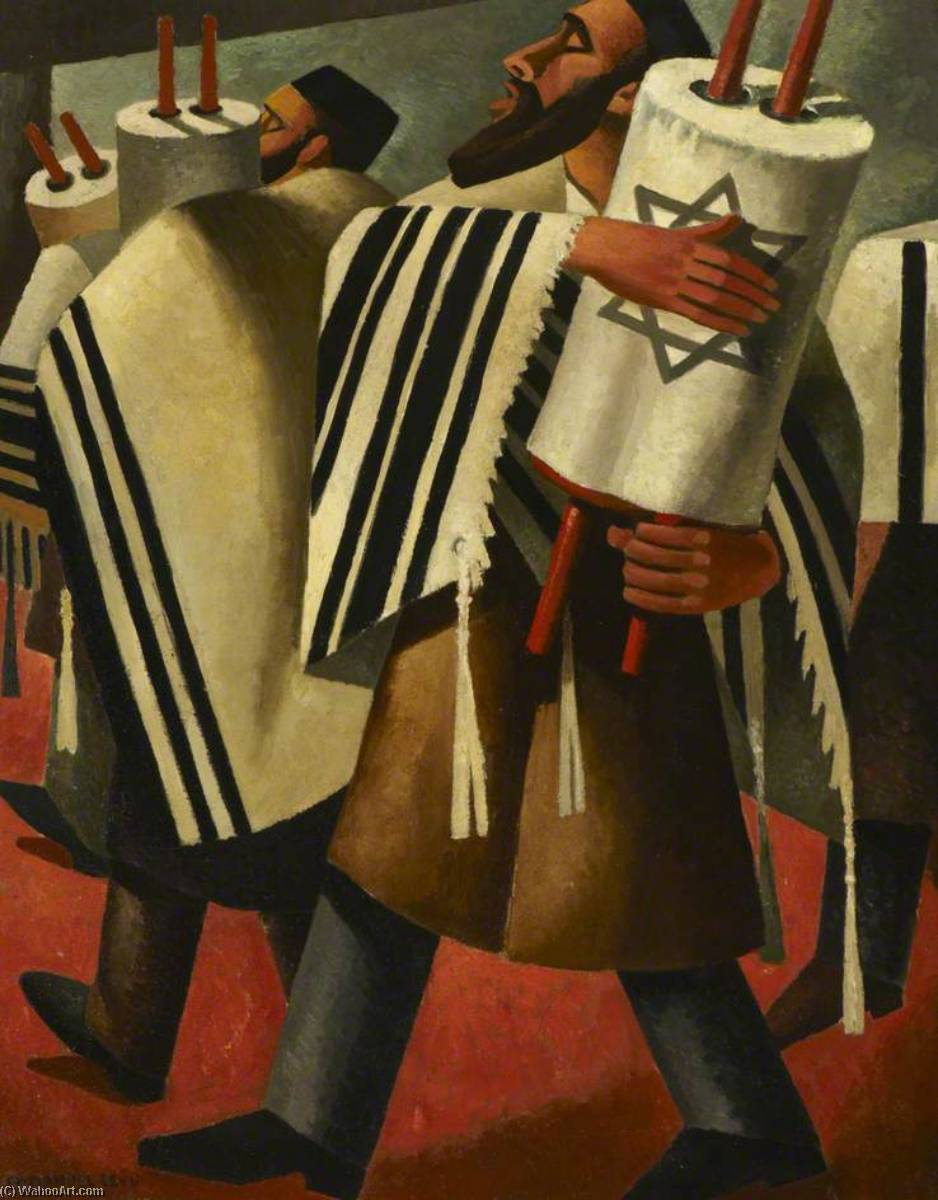
Two Rabbis Carrying the Scrolls of the Law
 1943
1943 76.0 x 60.0 cm
 Ben Uri Gallery - Museum
 Pročitaj više
Kupite digitalnu sliku visoke rezolucije i poboljšanog kvaliteta, koja je znatno superiornija od onoga što vidite u online prikazu.
Svaka datoteka je pedantno pripremljena od strane naših stručnjaka koristeći napredne alate i profesionalnu ručnu retušu. Osiguravamo da svaka slika ima izuzetnu oštrinu, preciznu reprodukciju boja i fine detalje.
Konačna datoteka se dostavlja putem e-pošte u roku od 72 sata, optimizovana za neposrednu upotrebu u profesionalnim, izdavačkim i štamparskim okruženjima. To je isti kvalitet kojem veruju vrhunski studiji dizajna, izdavači i galerije.
Digitalna slika
Preuzmite datoteku visoke rezolucije za ličnu upotrebu, štampanje i kreativne projekte. ( Kupi print Kupi ručno naslikanu sliku)
Uključeno uz svaku porudžbinu digitalne slike
Profesionalna digitalna isporuka, zagarantovana
Kada odaberete ArtsDot.com, ne dobijate samo sliku – vi primate profesionalno unapređeno digitalno umetničko delo, izrađeno sa najvećom preciznošću i uz garanciju zadovoljstva. Evo svega što automatski dolazi uz vašu porudžbinu:

Brza dostava putem e-pošte
Vaša digitalna slika visoke rezolucije biće vam poslata putem e-pošte u roku od 72 sata od poručivanja – spremna za trenutnu upotrebu.

Digitalna datoteka unapređena veštačkom inteligencijom
Vaše umetničko delo je profesionalno optimizovano korišćenjem naprednih AI alata i ručne obrade, čime se osiguravaju maksimalni detalji, oštrina i preciznost boja.

Besplatna ponovna isporuka doživotno
Slučajno ste obrisali ili izgubili svoju datoteku? Ne brinite – poslaćemo vam je ponovo u bilo kom trenutku, potpuno besplatno.

Bez troškova uvoza – zauvek
Uživajte u svojim umetničkim delima trenutno, bez carine, dažbina ili troškova dostave – digitalni download je uvek bez poreza.

Garancija vernosti boja
Uz pomoć profesionalnih alata i upravljanja bojama, osiguravamo da vaša digitalna slika što vernije odražava originalne boje.

Garancija zadovoljstva u roku od 60 dana
Ako niste zadovoljni svojom digitalnom slikom, revidirat ćemo je ili vratiti 100% novca u roku od 60 dana – bez ikakvih pitanja.

100% garancija povrata novca
Niste zadovoljni? Obezbedite pun povrat novca u roku od 60 dana od trenutka kada ste primili svoju digitalnu datoteku – bez suvišnih pitanja.

Popusti na velike porudžbine
Kupite 3 slike, uštedite 10% - Kupite 5 slika, uštedite 15% - Kupite 10+ slika, uštedite 20%. Odlično za kreativne projekte, galerije i agencije.
Srodna umetnička dela








Biografija umetnika
Emmanuel Levy: A Manchester Soul Captured in Paint
Emmanuel Levy (1900-1986) remains a quietly significant figure in British art, a painter deeply rooted in the industrial heart of Manchester yet possessing a cosmopolitan sensibility. Often overshadowed by his more flamboyant contemporary, LS Lowry, Levy’s work offers a poignant and intimate exploration of the human condition, particularly within the context of Jewish identity and the everyday realities of working-class life. His legacy is one of understated power, reflected in the enduring presence of his paintings within national collections and the continued resonance of his evocative imagery.
Born into Russian-Jewish immigrant families in Hightown, Manchester – a locale immortalized by Louis Golding’s novel *Magnolia Street* – Levy's early life was shaped by the experiences of displacement and cultural adaptation. His father served as beadle at the Great Synagogue, Cheetham Hill, providing him with an early connection to his heritage. This formative environment instilled in him a deep appreciation for community, tradition, and the quiet dignity often found amidst hardship. He attended Manchester School of Art under Adolphe Valette, alongside L.S. Lowry – a fellow student whose portrait Levy drew – and later honed his skills at St Martin’s School of Art in London, broadening his artistic horizons before returning to the familiar landscapes of his native city.
Early Influences and Artistic Evolution
Levy's early artistic explorations were marked by experimentation with Cubism and Surrealism, reflecting the avant-garde currents circulating through European art circles at the time. However, he quickly recognized that these styles felt ultimately detached from the realities of his subject matter and the spirit of Manchester itself. He deliberately moved away from these approaches, gravitating towards a more naturalistic style characterized by rich color palettes and a profound sensitivity to human expression. This shift wasn’t merely stylistic; it represented a conscious decision to engage with the lives he observed around him – the faces in the streets, the rituals of his community, and the quiet dramas unfolding within the city's industrial heart.
His early works frequently depicted Jewish subjects, notably *The Mourners (Sitting Shiva)* (1928), a powerful semi-Cubist portrayal of grief. This piece, now held in the Ben Uri Collection, demonstrates his initial interest in exploring themes of faith and tradition through a distinctly modern lens. However, as Levy matured, his focus broadened to encompass a wider range of human experiences, capturing the nuances of everyday life with remarkable empathy and insight.
Portraiture and Social Commentary
Levy’s skill as a portraitist is particularly noteworthy. His depiction of physicist Patrick Blackett for the National Portrait Gallery stands as a testament to his ability to capture not just physical likeness but also the essence of his subject's character and intellect. Yet, it was in his broader range of portraits that he truly excelled – capturing the dignity, resilience, and often quiet struggles of ordinary people. These weren’t idealized representations; they were honest glimpses into the lives of neighbors, workers, and members of his community.
Beyond portraiture, Levy engaged with social commentary through works like *Snow in the North* (1960) and *Man Reading*, both evocative scenes that subtly convey the hardships and stoicism of working-class life. His use of color and composition—particularly in *Snow in the North*, where three stout women are rendered as almost archetypal figures against a bleak winter landscape—creates a sense of quiet dignity amidst adversity. His 1942 painting, *Crucifixion*, is a particularly poignant work reflecting his Jewish heritage and the horrors of the Nazi persecution.
Legacy and Recognition
Emmanuel Levy’s career spanned over six decades, during which he established himself as a respected artist and teacher. He served as Art Critic for Manchester City News and the Evening News, further cementing his connection to the city's cultural life. His work is now held in significant collections across the UK, including the National Portrait Gallery, Manchester Art Gallery, Salford Museum and Art Gallery, and six other public institutions – a testament to the enduring value of his artistic vision.
Levy’s influence extends beyond the confines of his own paintings. He taught at Victoria University of Manchester School of Architecture and served as a lecturer in Manchester and Stockport College of Art, shaping generations of young artists. His legacy is one of quiet observation, profound empathy, and a deep understanding of the human spirit – qualities that continue to resonate within the art world today.
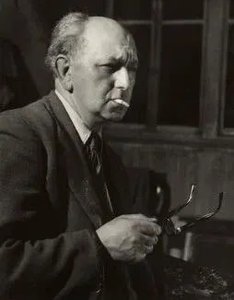
Emmanuel Levy
1900 - 1986
Kratke činjenice
- Artistic Movement Or Style: Figurative, Portraiture
- Artists Or Movements Influenced By This Artist: ['LS Lowry']
- Artists Who Influenced This Artist: ['Pierre Valette']
- Date Of Birth: 1900
- Date Of Death: 1986
- Full Name: Emmanuel Levy
- Nationality: British
- Notable Artworks:
- Jamaican Girl
- Snow in the North
- Man Reading
- Place Of Birth: Hightown, England

