

 Pregledaj u prostoru
 Pošalji
 Podeli
 Detalji o delu

 Преузми
 Slični predmeti
 Rendgenski snimak
 Slajdovi
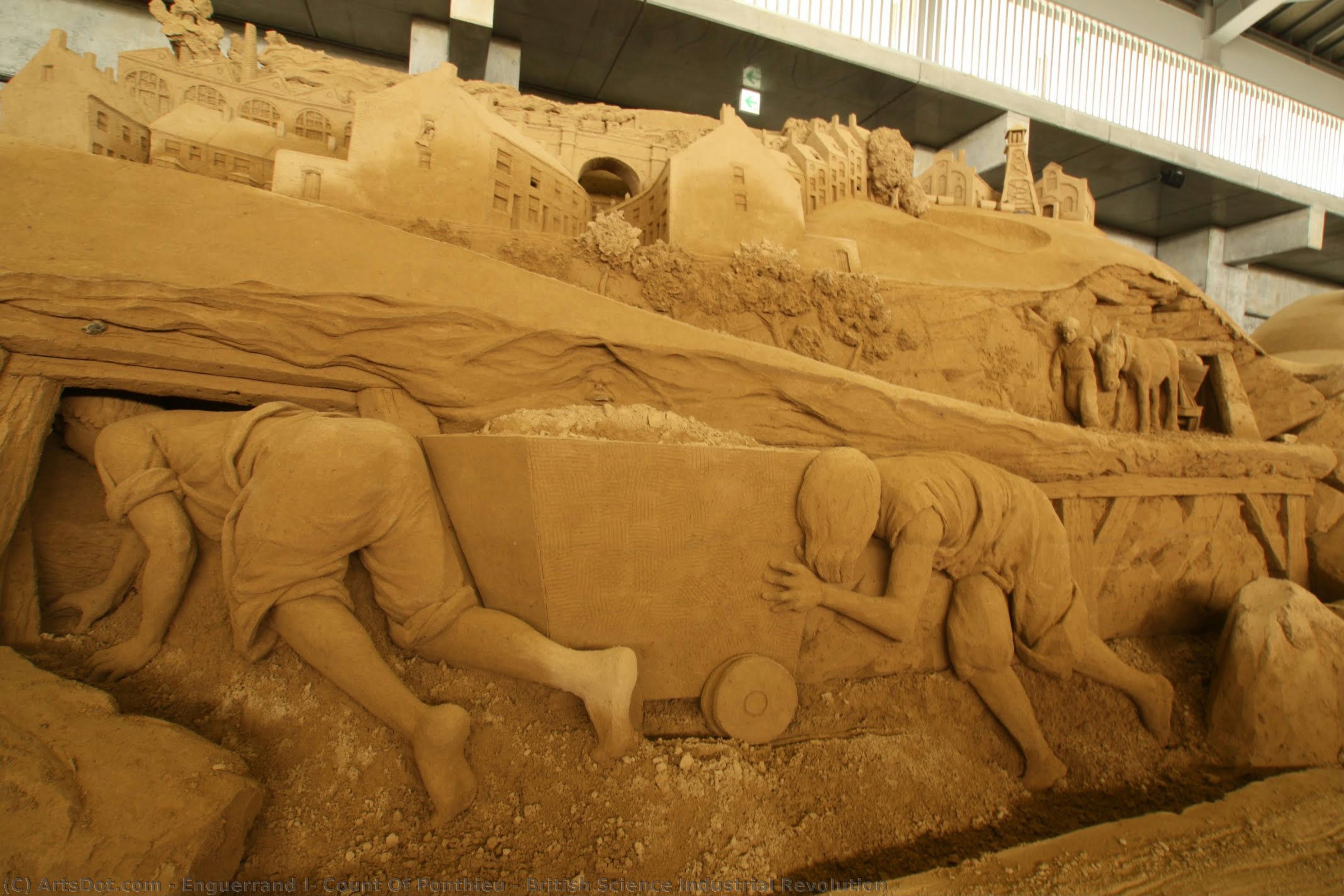
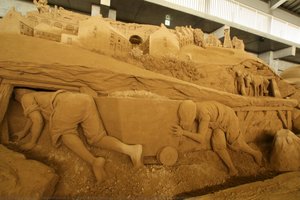
British Science Industrial Revolution

 Pročitaj više
Ručno rađena uljana reprodukcija
Ručno oslikano uljanim bojama na platnu u dimenzijama i okviru po vašem izboru, izrađeno po porudžbini od strane naših umetnika. ( Kupi print Kupi digitalnu sliku)




































Izaberite jednu od naših unapred definisanih veličina koje odgovaraju originalnim proporcijama umetničkog dela.

Можете унети сопствене димензије како бисте прилагодили дело одређеном оквиру или простору. Ако одабрана величина не одговара пропорцијама оригинала, слика ће бити исечена или проширена додатним елементима који се ручно насликавају. Дигитални prikaz ће вам бити послат на одобрење пре почетка производње.
Имајте на уму да преглед на екрану не одражава стварно исецање или проширење. Само приказ (mockup) ће тачно приказати коначну композицију.
Иако су доступне прилагођене величине, препоручујемо да одаберете димензију из дефинисане листе како бисте сачували оригиналне пропорције.
Nakon narudžbine, tim ArtsDot.com će klijentu putem e-pošte poslati uputstva i dostaviti prikaz predloženog rešenja
Isporuka širom sveta () za 3/4 nedelje umesto uobičajenih 5 nedelja. (1 септембар). Bez kompromisa po pitanju kvaliteta.

Besplatna ekspresna dostava širom sveta

Visokokvalitetno laneno platno

Kompletno osiguranje transporta

Garancija povraćaja carine i uvoznih dažbina

Garancija vernosti boja

Politika povrata u roku od 60 dana (samo u slučaju nedostataka)

Garancija povrata novca od 100%

Popust pri grupnoj kupovini
 Opcija sa staklom dostupna je samo za dimenzije manje od 110 cm

British Science Industrial Revolution
Tehnika reprodukcije
Dimenzije reprodukcije
-


Konačna cena
$ 263
Srodna umetnička dela







Biografija umetnika
The Shadow of the Carolingian Legacy
In the turbulent tapestry of eleventh-century Europe, few figures embody the intersection of dynastic ambition and territorial preservation as profoundly as Enguerrand I, Count of Ponthieu. To contemplate his life is to step into a world defined by shifting feudal loyalties and the enduring echoes of Charlemagne’s imperial grandeur. Born into the illustrious House of Ponthieu, Enguerrand was not merely a ruler but a guardian of a lineage that traced its very essence back to the Carolingian traditions. His existence was shaped by the weight of ancestral responsibility—a duty to uphold royal charters and safeguard the sanctity of his domains amidst a landscape of encroaching rivals and burgeoning Norman power.
His ascent to prominence, recognized by historical records as early as 1026-7, marked the beginning of a reign characterized by strategic vigilance. As a scion of Hugh I of Ponthium and Gisela, daughter of the mighty Hugh Capet, Enguerrand carried within his bloodline the political legitimacy required to navigate the complex hierarchies of medieval France. This heritage provided more than just a title; it offered a profound sense of purpose, driving him to maintain the stability of Ponthieu against the encroaching tides of change that were reshaping the borders of Normandy and Picardy.
A Life Forged in Conflict and Diplomacy
The narrative of Enguerrand’s life is one of decisive action and calculated maneuvers. He was a man who understood that the survival of a dynasty often rested upon the edge of a blade as much as the stroke of a pen. His military prowess was most notably demonstrated during the 1030s, when he successfully repelled the invasion led by Gilbert, Count of Brionne. This victory was far more than a mere border skirmish; it was a profound assertion of Ponthievin sovereignty and a testament to his ability to protect the vital lands of Vimeu from external predation.
Beyond the battlefield, Enguerrand moved through the highest echelons of European nobility with remarkable grace and strategic acumen. His presence at the court of Duke Robert II of Normandy, particularly before the Duke’s momentous pilgrimage to Jerusalem, highlights his significant political clout. He was a master of the matrimonial alliance, orchestrating the marriage of his son, Hugh II, to Bertha of Aumale. This union was a brilliant stroke of diplomacy, designed to expand the family's territorial reach and weave Ponthieu more tightly into the fabric of the Norman aristocracy. Through such careful orchestration, he ensured that the House of Ponthieu would remain a formidable force for generations to come.
The Enduring Echo of a Medieval Sovereign
Though his physical reign concluded around 1045, the historical significance of Enguerrand I continues to resonate through the annals of French and Norman history. He was a pivotal architect of stability during an era of profound transition. His legacy is not found in canvases or sculptures, but in the very borders of the lands he defended and the continuity of the lineage he so fiercely protected. The survival of the County of Ponthieu as a distinct political entity owed much to his ability to balance the fierce independence of a local lord with the sophisticated diplomacy required by the rising power of the Duchy of Normandy.
To study Enguerrand is to understand the fundamental mechanics of medieval power:
- Dynastic Continuity: The successful preservation of the House of Ponthieu through strategic marriages and legitimate succession.
- Territorial Integrity: The defense of ancestral lands against much stronger invading forces, such as those led by the Count of Brionne.
- Political Integration: The skillful navigation of the relationship between local feudal counts and the burgeoning central authorities of Normandy and France.
enguerrand i, count of ponthieu
1045 , France
Osnovne informacije
- Artists Or Movements Influenced By This Artist: ['Norman Dynasty']
- Artists Who Influenced This Artist:
- Hugh I of Ponthieu
- Gisela of France
- Date Of Death: 1045
- Full Name: Enguerrand I, Count of Ponthieu
- Nationality: French
- Notable Artworks: ['']
- Place Of Birth: Boulogne-sur-Mer, France

