

 Pregledaj u prostoru
 Pošalji
 Podeli
 Detalji o delu

 Преузми
 Slični predmeti
 Rendgenski snimak
 Slajdovi
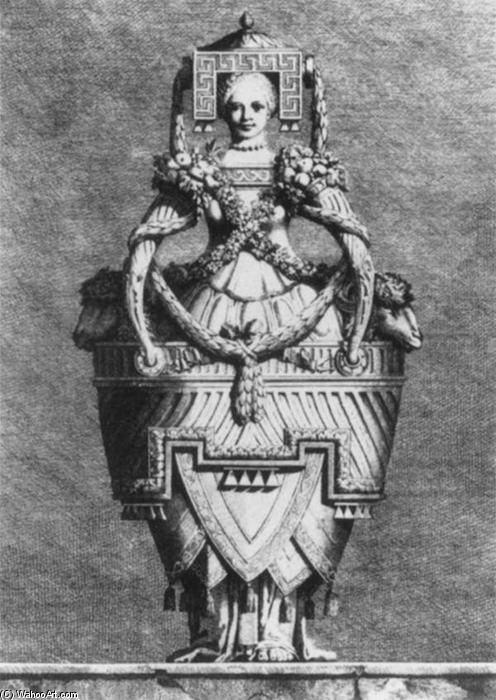
Greek Masquerade: The Bride


 Pročitaj više
Ručno rađena uljana reprodukcija
Ručno oslikano uljanim bojama na platnu u dimenzijama i okviru po vašem izboru, izrađeno po porudžbini od strane naših umetnika. ( Kupi print Kupi digitalnu sliku)




































Izaberite jednu od naših unapred definisanih veličina koje odgovaraju originalnim proporcijama umetničkog dela.

Можете унети сопствене димензије како бисте прилагодили дело одређеном оквиру или простору. Ако одабрана величина не одговара пропорцијама оригинала, слика ће бити исечена или проширена додатним елементима који се ручно насликавају. Дигитални prikaz ће вам бити послат на одобрење пре почетка производње.
Имајте на уму да преглед на екрану не одражава стварно исецање или проширење. Само приказ (mockup) ће тачно приказати коначну композицију.
Иако су доступне прилагођене величине, препоручујемо да одаберете димензију из дефинисане листе како бисте сачували оригиналне пропорције.
Nakon narudžbine, tim ArtsDot.com će klijentu putem e-pošte poslati uputstva i dostaviti prikaz predloženog rešenja
Isporuka širom sveta () za 3/4 nedelje umesto uobičajenih 5 nedelja. (7 септембар). Bez kompromisa po pitanju kvaliteta.

Besplatna ekspresna dostava širom sveta

Visokokvalitetno laneno platno

Kompletno osiguranje transporta

Garancija povraćaja carine i uvoznih dažbina

Garancija vernosti boja

Politika povraćaja u roku od 100 dana (isključivo u slučaju nedostataka)

Garancija povrata novca od 100%

Popust pri grupnoj kupovini
 Opcija sa staklom dostupna je samo za dimenzije manje od 110 cm

Greek Masquerade: The Bride
Tehnika reprodukcije
Dimenzije reprodukcije
-


Konačna cena
$ 263
Srodna umetnička dela





Biografija umetnika
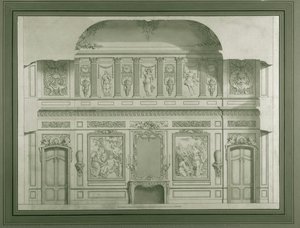
The Architect of Elegance: The Life and Legacy of Ennemond Alexandre Petitot
In the golden age of the 18th century, where the theatricality of the Baroque met the disciplined grace of Neoclassicism, few figures shaped the physical landscape of prestige as profoundly as Ennemond Alexandre Petitot. Born in Lyon, France, in 1727, Petitot was a man of dual sensibilities, possessing both the rigorous training of a French academic and the romantic soul of an Italian urbanist. His journey began in the prestigious studios of Paris, where he studied under masters like Jacques Soufflot and honed his skills at the Académie Royale d’Architecture. This formative period instilled in him a profound respect for classical proportions and the timeless principles of Palladianism, yet it was his move toward the sun-drenched landscapes of Italy that would truly define his artistic destiny.
The turning point of Petitot's career arrived with the Prix de Rome, an achievement that transported him to the Eternal City. In Rome, he did not merely study antiquity; he absorbed its grandeur, preparing himself for a transformative commission in the Duchy of Parma. Recruited by the influential Prime Minister Guillaume du Tillot, Petitot was tasked with a monumental mission: to modernize Parma and align its aesthetic identity with the sophisticated Neoclassical trends sweeping through France. He became the architect of choice for the Bourbon Dukes, weaving a tapestry of stone, light, and ornament that would turn Parma into a jewel of European culture.
A Symphony of Stone and Ornament
Petitot’s work was characterized by an extraordinary ability to blend structural innovation with lavish, almost cinematic, decoration. He did not merely build walls; he choreographed spaces. His involvement with the Palazzo Ducale di Parma stands as a testament to this mastery. Within its halls, Petitot breathed new life into existing structures, integrating sculptural ornamentation that celebrated both intellectual depth and sensory opulence. His designs for the Great Hall and his decorative projects for the Colorno Palace exemplify a style where every column and cornice serves a narrative purpose, often drawing from mythological themes to evoke a sense of ancient majesty.
Beyond the confines of palaces, Petitot’s vision extended to the very veins of the city. He was a pioneer of urban planning, most notably in his creation of the Stradone—one of Italy's first examples of a French-style boulevard. This elegant thoroughfare, terminating at the sophisticated Casino del Caffè dello Stradone, reflected his desire to bring the rhythmic, orderly beauty of Parisian streets to the Italian landscape. His architectural language was equally present in the façades of religious and civic buildings, such as San Pietro Apostolo, where he utilized designs inspired by the Trevi Fountain and the churches of Paris to create a cohesive, cosmopolitan atmosphere.
Theatricality and the Greek Masquerade
Perhaps the most enchanting aspect of Petitot’s oeuvre was his contribution to the performing arts and decorative design. He understood that architecture is a stage upon which history and myth perform. His celebrated project, “Greek Masquerade,” remains a pinnacle of his creative output. This monumental decorative endeavor for the Teatro Regio showcased his ability to use mythological motifs to create an immersive atmosphere, blurring the lines between the physical structure of the theater and the fantastical worlds presented upon its stage.
His talent also extended into the intimate realms of design, where he worked on stage curtains, elaborate temple interiors, and even the delicate details of printing houses. Whether designing a massive stage curtain or overseeing the construction of the Ducal Printing House, Petitot maintained a consistent devotion to clarity, grandeur, and elegance. His legacy is not found merely in the buildings that remain, but in the enduring spirit of Parma itself—a city forever transformed by a French architect who saw in every stone the potential for a masterpiece.
ennemond alexandre petitot
1727 - 1801 , France
Osnovne informacije
- Artistic Movement Or Style: Neoclassical Design
- Date Of Birth: Lyon, France (1727)
- Full Name: Ennemond Alexandre Petitot
- Nationality: French
- Notable Artworks: ['Greek Masquerade: The Bride']
- Place Of Birth: Lyon