

 Pregledaj u prostoru
 Pošalji
 Podeli
 Detalji o delu

 Преузми
 Slični predmeti
 Rendgenski snimak
 Slajdovi
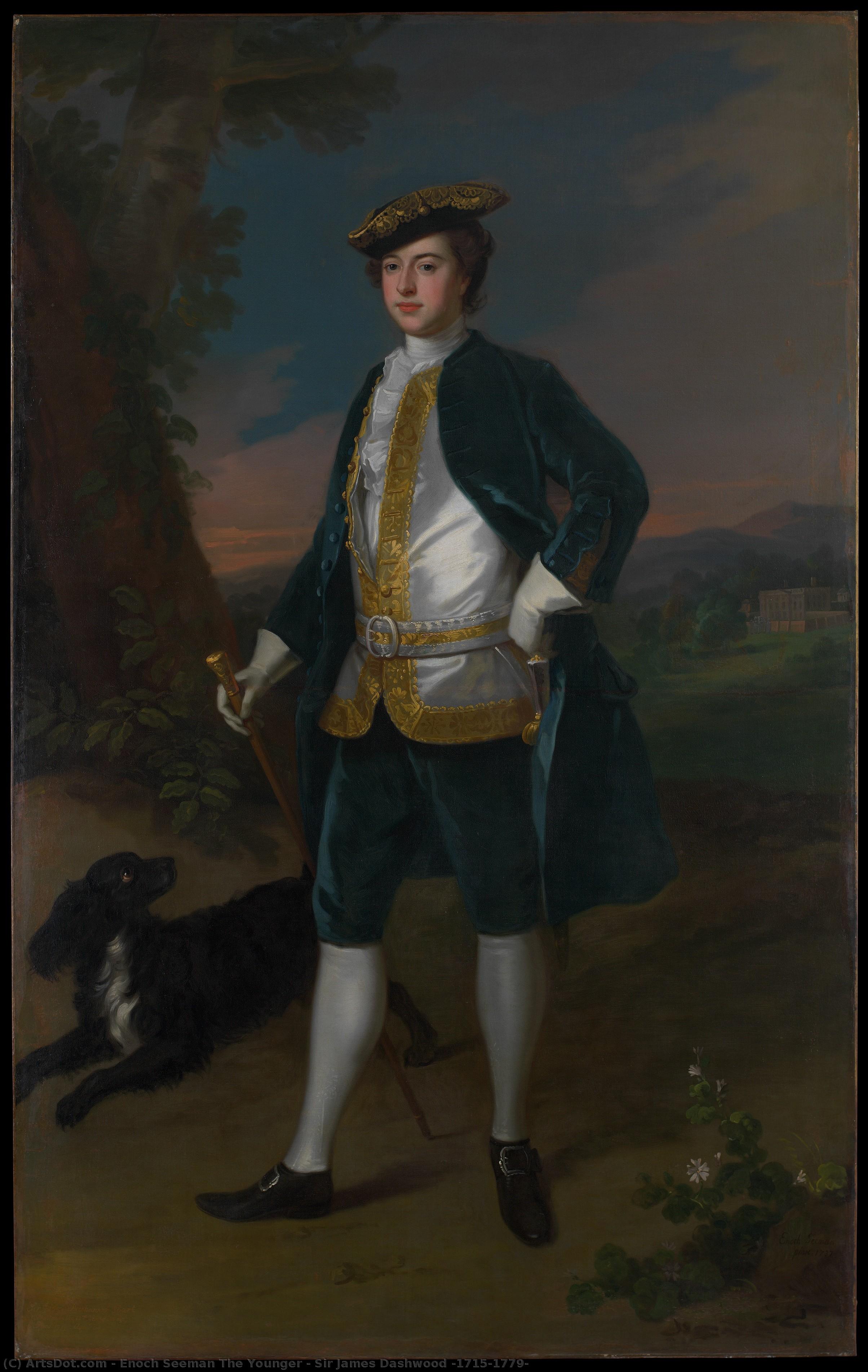
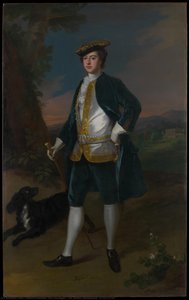
Sir James Dashwood (1715–1779)
 1737
1737 244.0 x 153.0 cm
 Metropolitan Museum of Art
 Pročitaj više
Ručno rađena uljana reprodukcija
Ručno oslikano uljanim bojama na platnu u dimenzijama i okviru po vašem izboru, izrađeno po porudžbini od strane naših umetnika. ( Kupi print Kupi digitalnu sliku)




































Izaberite jednu od naših unapred definisanih veličina koje odgovaraju originalnim proporcijama umetničkog dela.

Можете унети сопствене димензије како бисте прилагодили дело одређеном оквиру или простору. Ако одабрана величина не одговара пропорцијама оригинала, слика ће бити исечена или проширена додатним елементима који се ручно насликавају. Дигитални prikaz ће вам бити послат на одобрење пре почетка производње.
Имајте на уму да преглед на екрану не одражава стварно исецање или проширење. Само приказ (mockup) ће тачно приказати коначну композицију.
Иако су доступне прилагођене величине, препоручујемо да одаберете димензију из дефинисане листе како бисте сачували оригиналне пропорције.
Nakon narudžbine, tim ArtsDot.com će klijentu putem e-pošte poslati uputstva i dostaviti prikaz predloženog rešenja
Isporuka širom sveta () za 3/4 nedelje umesto uobičajenih 5 nedelja. (24 август). Bez kompromisa po pitanju kvaliteta.

Besplatna ekspresna dostava širom sveta

Visokokvalitetno laneno platno

Kompletno osiguranje transporta

Garancija povraćaja carine i uvoznih dažbina

Garancija vernosti boja

Politika povrata u roku od 60 dana (samo u slučaju nedostataka)

Garancija povrata novca od 100%

Popust pri grupnoj kupovini
 Opcija sa staklom dostupna je samo za dimenzije manje od 110 cm

Sir James Dashwood (1715–1779)
Tehnika reprodukcije
Dimenzije reprodukcije
-


Konačna cena
$ 263
Opis umetničkog dela
Srodna umetnička dela






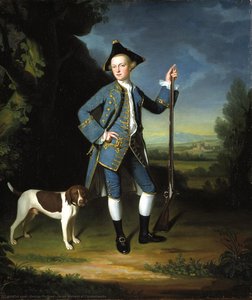
Biografija umetnika
The Elegance of a Georgian Master: The Life and Legacy of Enoch Seeman the Younger
In the grand, sweeping tapestry of the Georgian era, few artists captured the refined grace and aristocratic splendor of the age as intimately as Enoch Seeman the Younger. Born into a lineage of painters in Gdańsk, Poland, around 1689, Seeman’s journey from the Baltic coast to the heart of London’s artistic elite is a testament to the cosmopolitan nature of eighteenth-century art. Brought to England by his father, also named Enoch, in the early years of the eighteenth century, the younger Seeman arrived as a burgeoning talent ready to imprint his distinctive vision upon the British landscape. His early works, such as the 1708 group portrait of the Bisset family, already whispered of a profound connection to the established styles of masters like Godfrey Kneller, yet they hinted at a burgeoning individuality that would soon command the attention of the most influential patrons in the realm.
Seeman’s artistic development was deeply rooted in a sophisticated blend of continental training and English sensibility. While his formative years were shaped by the traditions of his Polish heritage, his mastery of the chiaroscuro technique—the dramatic interplay between light and shadow—allowed him to breathe life into the faces of the British nobility. His style moved away from the more flamboyant and crowded Baroque compositions of his predecessors, opting instead for a restrained elegance. He possessed a remarkable ability to utilize a muted palette of ochre, deep browns, and subtle greys to create an atmosphere of quiet dignity. This technical restraint did not diminish the impact of his work; rather, it heightened the psychological depth of his subjects, allowing the viewer to feel the weight of their status and the nuance of their character through meticulously rendered drapery and piercing, lifelike gazes.
Royal Commissions and the Art of Portraiture
The zenith of Seeman’s career was marked by his ascent to the prestigious position of a painter to the British royal court. This rare distinction brought him into the inner sanctum of power, most notably evidenced by his completion of coronation portraits for George II and Queen Caroline of Ansbach around 1730. These monumental works, now preserved within the hallowed halls of Windsor Castle as part of the Royal Collection, serve as enduring symbols of his ability to convey both majesty and human presence. His reach extended far beyond the palace walls, as he became a sought-after chronicler of the landed gentry and the rising social elite. From the lively depiction of Sir James Dashwood, now held by the Metropolitan Museum of Art, to the delicate portraiture of Jane Pratt Taylor, Seeman’s brush captured the very essence of Georgian identity.
Beyond his royal duties, Seeman’s influence permeated the private collections of the era, creating a visual legacy that spanned continents. His portraits found homes in significant institutions such as the National Portrait Gallery in London and the Virginia Historical Society, ensuring that his interpretation of British character would be studied by generations to come. The breadth of his achievements can be summarized through the following milestones:
- Mastery of the Royal Court: Executing pivotal coronation portraits for George II and Queen Caroline, cementing his status among the highest tier of European painters.
- Technical Innovation: Refining the use of chiaroscuro and a restrained palette to move portraiture toward a more psychological and understated elegance.
- Global Artistic Reach: Creating works that traveled from the English countryside to the colonial collections of Virginia, spreading the aesthetic of the Georgian era.
- Enduring Legacy: Establishing a foundation of draughtsmanship and detail that influenced the trajectory of British portrait painting throughout the eighteenth century.
Though his life ended in 1745, the impact of Enoch Seeman the Younger remains vibrantly etched in the history of art. He was more than a mere recorder of faces; he was an architect of image, a man who understood that a portrait is not simply a likeness, but a carefully constructed narrative of power, grace, and permanence. Through his meticulous attention to detail and his profound understanding of light, Seeman ensured that the fleeting elegance of the Georgian age would remain captured in timeless, painterly splendor.
enoch seeman the younger
1694 - 1744 , Poland
Osnovne informacije
- Artistic Movement Or Style: Georgian Era Art
- Date Of Birth: Danice, Poland (1694)
- Date Of Death: 1744
- Full Name: Enoch Seeman the Younger
- Nationality: Polish
- Notable Artworks:
- Portrait of Henrietta Louisa Jeffreys
- Sir James Dashwood
- Place Of Birth: Poland

