

 Pregledaj u prostoru
 Pošalji
 Podeli
 Detalji o delu

 Преузми
 Slični predmeti
 Rendgenski snimak
 Slajdovi
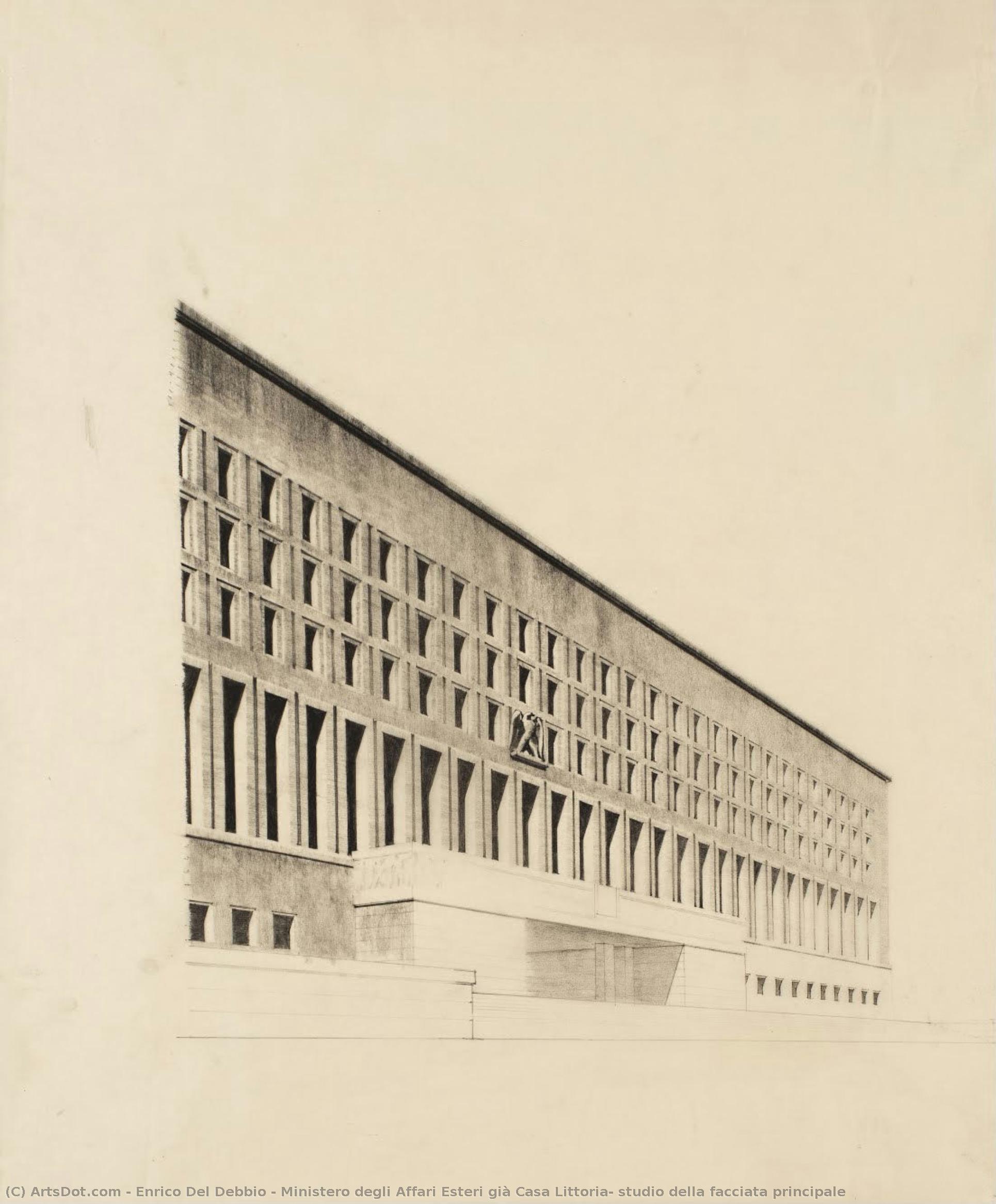
Ministero degli Affari Esteri già Casa Littoria: studio della facciata principale
 Drawing
- WallArt
- Rationalism
 Modern
 43.0 x 49.0 cm
 Ministero degli Affari Esteri e della Cooperazione Internazionale. Collezione Farnesina
 Pročitaj više
Giclee štampa / Umetnički otisak
Giclée štampa ili print na platnu muzejskog kvaliteta uz brzu proizvodnju i fleksibilne opcije završne obrade. ( Kupi ručno naslikanu sliku Kupi digitalnu sliku)




P118B $10

P118H $10

P118W $10

P438Z $10

P508JH $12

P508YH $12

P805H $10

P805Z $10

P919BZ $10

P919G $10

P919XJ $10

P959ZH $10

P968JZ $12

W106C $8

W218G $10

W218JH $8

W218Y $10

W307PJ $10

W316G $10

W316PJ $8

W316Y $10

W398PJ $8

W4111J $10

W500HY $15

W500JH $15

W692G $12

W849H $8

W940BG $15

W953PJ $8




Izaberite jednu od naših unapred definisanih veličina koje odgovaraju originalnim proporcijama umetničkog dela.

Možete uneti sopstvene dimenzije kako biste umetničko delo prilagodili specifičnom okviru ili prostoru. Ako odabrani format ne odgovara proporcijama originalne slike, mi ćemo ili iscrtati deo dela ili proširiti sliku pomoću ogledane ivice ili jednobojnog popunjavanja. Digitalni prikaz će vam biti poslat na odobrenje pre početka proizvodnje.
Imajte na umu da pregled na ekranu ne odražava stvarno iscrtavanje ili proširivanje. Samo će prikaz (mockup) precizno pokazati finalnu kompoziciju.
Iako su prilagođene dimenzije dostupne, preporučujemo da odaberete dimenziju sa unapred definisane liste kako biste očuvali originalne proporcije.
Dostava širom sveta () za 2 nedelje umesto uobičajenih 4/5 nedelja. (7 септембар)

Besplatna ekspresna dostava širom sveta

Visokokvalitetno laneno platno

Kompletno osiguranje transporta

Garancija povraćaja carine i uvoznih dažbina

Garancija vernosti boja

Politika povraćaja u roku od 100 dana (isključivo u slučaju nedostataka)

Garancija povrata novca od 100%

Popust pri grupnoj kupovini
 Opcija sa staklom dostupna je samo za dimenzije manje od 110 cm

Ministero degli Affari Esteri già Casa Littoria: studio della facciata principale
Giclee štampa / Umetnički otisak
Dimenzije reprodukcije
-


Konačna cena
$ 62
A Vision in Monochrome: The Architectural Grandeur of Enrico Del Debbio
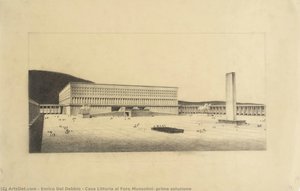
In this evocative black and white architectural study, we are transported to an era where stone and structure served as the silent narrators of national identity. The drawing captures a meticulous study of the facade of the Ministero degli Affari Esteri, formerly known as Casa Littoria. Through the masterful use of monochrome tones, the artist invites us to look beyond the mere surface of the building and instead contemplate the weight of history etched into its very foundation. There is a profound sense of permanence in these lines; the interplay of light and shadow across the stone surfaces creates a rhythmic composition that guides the eye upward, tracing the disciplined elegance of the windows and the imposing strength of the masonry.
The technique employed here speaks to the precision of an architect’s soul. Every stroke serves to define the geometric rigor that characterizes the era's monumental style. By stripping away the distraction of color, the drawing emphasizes texture and form, allowing the viewer to appreciate the subtle gradations of grey that suggest the ruggedness of concrete and the smooth finish of polished stone. This lack of chromatic interference lends the piece a timeless quality, making it feel less like a historical document and more like a meditation on the concept of stability and institutional power.
The Intersection of Modernity and Tradition
To understand this work, one must look to the hand of Enrico Del Debbio, an architect whose career was defined by his ability to harmonize the classical heritage of Italy with the burgeoning movements of modernism. Born in Carrara, a city synonymous with marble and sculptural excellence, Del Debbio brought a deep-seated respect for material and form to his architectural endeavors. This specific study reflects his mastery of the Rationalist aesthetic—a movement that sought clarity, order, and a rejection of superfluous ornamentation in favor of structural truth.
The building depicted is not merely a structure but a symbol of an era attempting to redefine its public face through monumentalism. The composition of the facade, with its balanced windows and rhythmic verticality, evokes a sense of disciplined authority. For the collector or the interior designer, this piece offers more than just visual interest; it provides a window into a pivotal moment in 20th-century urban design, where the built environment was used to project strength, continuity, and a sophisticated architectural language.
An Inspiration for the Sophisticated Interior
For those looking to curate a space of intellectual depth and historical resonance, this reproduction serves as an exquisite focal point. Its monochromatic palette makes it an incredibly versatile addition to a variety of high-end interior styles, from the stark minimalism of a contemporary gallery setting to the rich, textured warmth of a classic study or library. The drawing’s ability to command attention through structure rather than color allows it to integrate seamlessly into sophisticated color schemes without overwhelming the surrounding decor.
Incorporating such a piece into a design scheme invites a conversation about heritage and the enduring beauty of architectural geometry. It is an ideal selection for collectors who appreciate the intersection of fine art and structural history, offering a sense of gravitas and a scholarly elegance that elevates any room. Whether placed in a corporate setting to evoke stability or in a private residence to inspire contemplation, this study of Del Debbio’s vision remains a powerful testament to the artistry found within the lines of our built world.
Srodna umetnička dela
Biografija umetnika
early life and education
enrico del debbio, an italian architect and university professor, was born in carrara in 1891. he studied at the fine art academy in his hometown, specializing in architecture. this foundation in art and design would later influence his architectural style.career highlights
* in 1914, del debbio moved to rome, where he won several architectural awards and began teaching at the scuola superiore di architettura. * throughout the 1920s, he held various positions in public institutions, including the organization of the quadriennale romana. * in 1931, del debbio became artistic-technical consultant for an exhibition celebrating the decennal of the fascist revolution at the palazzo delle esposizioni.notable works
* enrico del debbio's design of the fiat palace in via calabria, rome (1923), showcased his ability to blend modern and classic elements. * his commission for the new foro mussolini (now known as foro italico) in 1927, a sport complex, demonstrated his skill in combining functionality with aesthetics. * the stadio del nuoto ('swimming stadium', 1956), another notable project, further solidified his reputation.legacy and later years
* del debbio's association with the fascist regime led to his works being seen as 'reactionary' during the 1970s. * however, a retrospective exhibition at the galleria nazionale d'arte moderna in rome (2007) reevaluated his skills, highlighting his unique blend of classic and modern styles.selected artworks by enrico del debbio on ArtsDot.com:
- piano urbanistico e paesaggistico del foro mussolini (maxxi national museum of xxi century arts, rome, italy, charcoal)
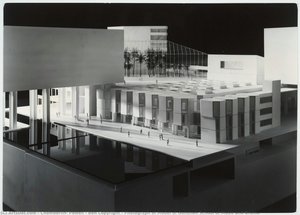
- casa littoria al foro mussolini: assonometria generale della seconda soluzione (ministero degli affari esteri e della cooperazione internazionale. collezione farnesina, rome, italy, drawing)
explore more on ArtsDot.com:

Enrico Del Debbio
1891 - 1973 , Italy
Povezani članci

White on Canvas: 10 Masterpieces & Timeless Elegance for Your Home Decor
Explore 10 iconic white paintings by Monet, Whistler & Rothko! Discover the stories behind these serene masterpieces and their impact on art history. Find museum-quality reproductions for your home decor at .

Monochrome Visions: Exploring the Aesthetic & Historical Significance of Black & White Photography
Explore the rich history & artistic power of black and white photography. From early techniques to iconic masters like Ansel Adams, discover why monochrome continues to captivate art lovers today. Expert insights for collectors.

Dark Masterpieces: 10 Iconic Paintings Dominated by Black Tones |
Explore 10 iconic paintings dominated by black tones, from Rembrandt’s chiaroscuro to Goya's dark expressions. Discover the stories behind these masterpieces & find museum-quality art reproductions for your home at .

Chromatic Absence: Exploring the Aesthetic Power of Black & White Art
Explore the captivating world of monochrome art! Discover its rich history, influential artists like Malevich & Klein, and profound emotional impact. Expert insights for collectors & design enthusiasts.
The Subtleties of Shade: Exploring Black, White & Gray Abstraction in Modern Interior Design
Explore the power of black, white & gray abstraction in modern interior design. Discover how minimalist art impacts spatial perception & creates sophisticated hotel spaces. Expert insights for designers.