

 Pregledaj u prostoru
 Pošalji
 Podeli
 Detalji o delu

 Преузми
 Slični predmeti
 Rendgenski snimak
 Slajdovi
 Stats
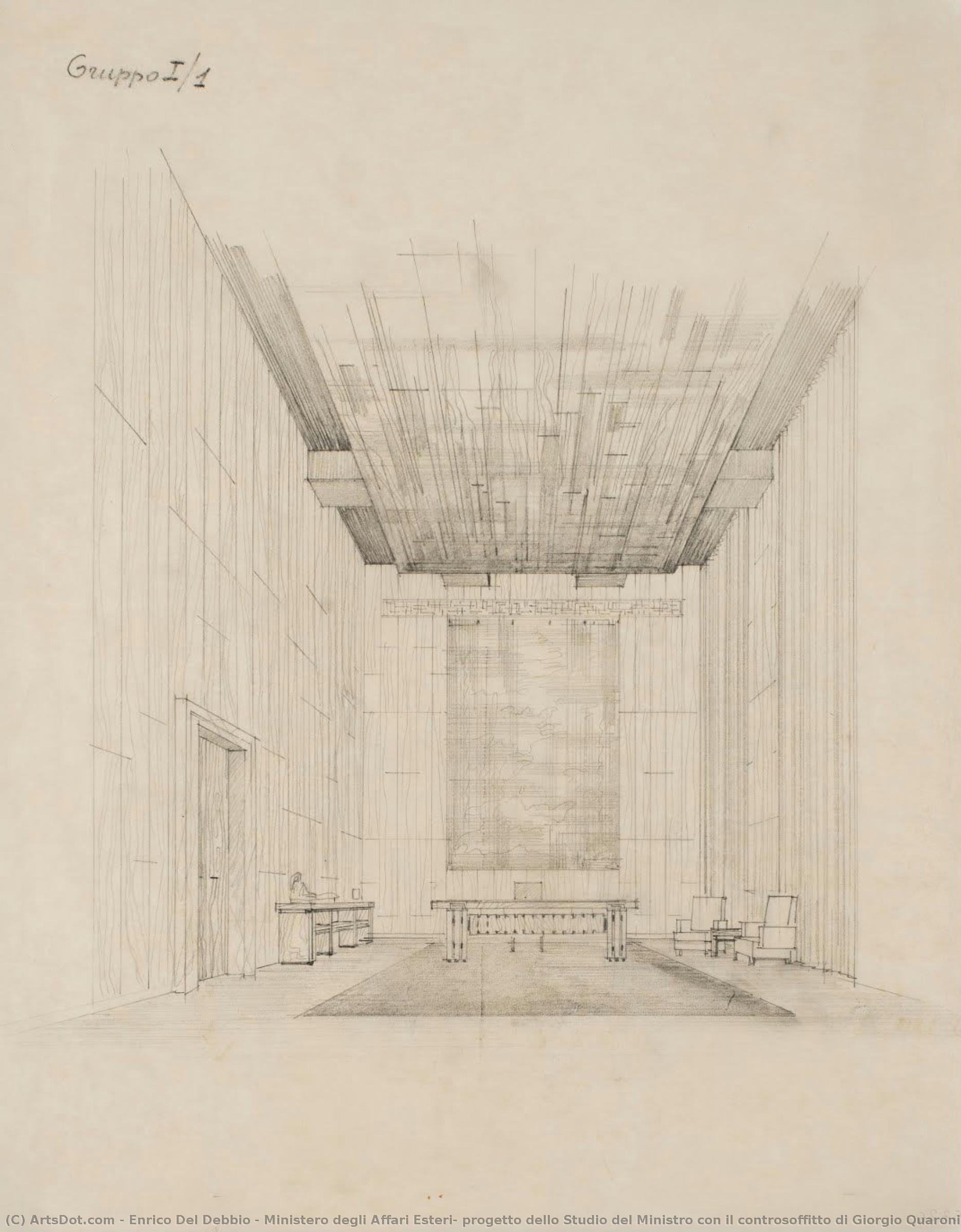
StatsMinistero degli Affari Esteri: progetto dello Studio del Ministro con il controsoffitto di Giorgio Quaroni
 Drawing
- WallArt
 Modern
 37.0 x 46.0 cm
 Ministero degli Affari Esteri e della Cooperazione Internazionale. Collezione Farnesina
 Pročitaj više
Giclee štampa / Umetnički otisak
Giclée štampa ili print na platnu muzejskog kvaliteta uz brzu proizvodnju i fleksibilne opcije završne obrade. ( Kupi ručno naslikanu sliku Switch to Digital Image)




P118B $10

P118H $10

P118W $10

P438Z $10

P508JH $12

P508YH $12

P805H $10

P805Z $10

P919BZ $10

P919G $10

P919XJ $10

P959ZH $10

P968JZ $12

W106C $8

W218G $10

W218JH $8

W218Y $10

W307PJ $10

W316G $10

W316PJ $8

W316Y $10

W398PJ $8

W4111J $10

W500HY $15

W500JH $15

W692G $12

W849H $8

W940BG $15

W953PJ $8




Izaberite jednu od naših unapred definisanih veličina koje odgovaraju originalnim proporcijama umetničkog dela.

Možete uneti sopstvene dimenzije kako biste umetničko delo prilagodili specifičnom okviru ili prostoru. Ako odabrani format ne odgovara proporcijama originalne slike, mi ćemo ili iscrtati deo dela ili proširiti sliku pomoću ogledane ivice ili jednobojnog popunjavanja. Digitalni prikaz će vam biti poslat na odobrenje pre početka proizvodnje.
Imajte na umu da pregled na ekranu ne odražava stvarno iscrtavanje ili proširivanje. Samo će prikaz (mockup) precizno pokazati finalnu kompoziciju.
Iako su prilagođene dimenzije dostupne, preporučujemo da odaberete dimenziju sa unapred definisane liste kako biste očuvali originalne proporcije.
Dostava širom sveta () za 2 nedelje umesto uobičajenih 4/5 nedelja. (7 септембар)

Besplatna ekspresna dostava širom sveta

Visokokvalitetno laneno platno

Kompletno osiguranje transporta

Garancija povraćaja carine i uvoznih dažbina

Garancija vernosti boja

Politika povraćaja u roku od 100 dana (isključivo u slučaju nedostataka)

Garancija povrata novca od 100%

Popust pri grupnoj kupovini
 Opcija sa staklom dostupna je samo za dimenzije manje od 110 cm

Ministero degli Affari Esteri: progetto dello Studio del Ministro con il controsoffitto di Giorgio Quaroni
Giclee štampa / Umetnički otisak
Dimenzije reprodukcije
-


Konačna cena
$ 62
An Architectural Vision of Diplomacy
In this exquisite architectural drawing, we are invited into a silent, structured world of diplomatic elegance. The piece serves as a meticulous design proposal for the Ministero degli Affari Esteri, specifically detailing the Minister's Studio. Through the precise hand of Enrico Del Debbio, the viewer is transported into a space where geometry meets grace. The composition centers around a grand, commanding table, surrounded by carefully placed chairs that suggest an atmosphere of poised deliberation and high-stakes conversation. It is not merely a depiction of furniture, but a blueprint for an environment designed to facilitate the weight of international relations.
The drawing captures a profound sense of light and spatial volume. A large window acts as a silent protagonist, flooding the office with natural illumination that breathes life into the intricate linework. This interplay of light and shadow highlights the meticulous detail of the room's layout, from the rhythmic placement of the seating to the structural promise of the ceiling designed by Giorgio Quaroni. There is a palpable stillness in the scene, an architectural breath held in anticipation of the important figures who would eventually inhabit this prestigious Roman setting.
The Mastery of Del Debbio and the Italian Modernist Spirit
Enrico Del Debbio, a master of the Italian architectural landscape, brings his signature ability to blend classical proportions with modern functionality to this work. Born in Carrara, his training at the Fine Arts Academy instilled in him a deep respect for structural integrity and decorative harmony. In this particular study, we see the hallmarks of his career—a sophisticated command over space that avoids the coldness often found in purely functionalist designs. His work during the early 20th century was characterized by an ability to navigate the complexities of public institutional design, making him a pivotal figure in the evolution of Roman urbanity.
The technique employed here is one of clarity and precision, likely executed through fine ink or graphite work that emphasizes the "progetto" or project aspect of the piece. Every line serves a purpose, defining the boundaries of the room and the tactile presence of the furniture. For the collector or the interior designer, this drawing offers more than just historical interest; it provides a masterclass in spatial balance. The way Del Debbio utilizes negative space to suggest openness and prestige makes this work an enduring inspiration for those looking to integrate classical order into contemporary luxury environments.
A Legacy of Elegance for the Discerning Collector
Owning a reproduction of such a significant architectural study is an opportunity to bring a piece of history's intellectual rigor into a private collection or a curated interior. The subject matter—the intersection of statecraft and design—carries an inherent prestige. It evokes the era of grand institutional projects where every detail, from the ceiling ornamentation to the placement of a chair, was considered part of a larger narrative of national identity and cultural sophistication.
For those seeking to decorate a study, a library, or a formal salon, this artwork provides a focal point of quiet authority. It does not shout for attention with garish colors; instead, it commands respect through its sophisticated composition and the historical weight of its subject. As a high-quality reproduction, it allows the subtle textures and the delicate architectural rhythm to shine, offering a timeless aesthetic that complements both mid-century modern interiors and more traditional, opulent settings.
Srodna umetnička dela
Biografija umetnika
early life and education
enrico del debbio, an italian architect and university professor, was born in carrara in 1891. he studied at the fine art academy in his hometown, specializing in architecture. this foundation in art and design would later influence his architectural style.career highlights
* in 1914, del debbio moved to rome, where he won several architectural awards and began teaching at the scuola superiore di architettura. * throughout the 1920s, he held various positions in public institutions, including the organization of the quadriennale romana. * in 1931, del debbio became artistic-technical consultant for an exhibition celebrating the decennal of the fascist revolution at the palazzo delle esposizioni.notable works
* enrico del debbio's design of the fiat palace in via calabria, rome (1923), showcased his ability to blend modern and classic elements. * his commission for the new foro mussolini (now known as foro italico) in 1927, a sport complex, demonstrated his skill in combining functionality with aesthetics. * the stadio del nuoto ('swimming stadium', 1956), another notable project, further solidified his reputation.legacy and later years
* del debbio's association with the fascist regime led to his works being seen as 'reactionary' during the 1970s. * however, a retrospective exhibition at the galleria nazionale d'arte moderna in rome (2007) reevaluated his skills, highlighting his unique blend of classic and modern styles.selected artworks by enrico del debbio on ArtsDot.com:
- piano urbanistico e paesaggistico del foro mussolini (maxxi national museum of xxi century arts, rome, italy, charcoal)
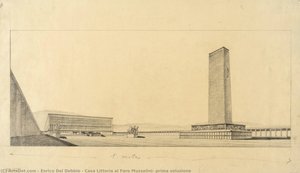
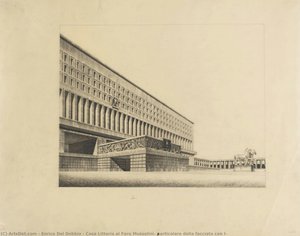
- casa littoria al foro mussolini: assonometria generale della seconda soluzione (ministero degli affari esteri e della cooperazione internazionale. collezione farnesina, rome, italy, drawing)
explore more on ArtsDot.com:
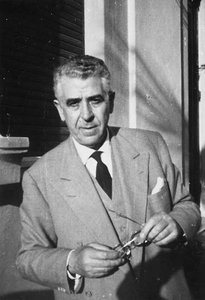
Enrico Del Debbio
1891 - 1973 , Italy
Povezani članci
The Nuances of Graphite: Exploring Emotional Depth & Technical Mastery in Pencil Drawing
Explore the captivating world of graphite drawing! Discover its rich history, master essential techniques like chiaroscuro, and learn how artists evoke emotion through this timeless medium. Expert insights for art enthusiasts.

The Enduring Power of Line: Exploring Themes & Techniques in Drawing Across Art History
Explore the rich history of drawing! Discover key techniques like linear perspective & iconic artists from the Renaissance to modern times. Enhance your art appreciation with ArtsDot.
Top 25 Remek-dela Prado Muzeja: Umetnička Baština Španije za Vaš Dom
Istražite 25 remek-dela Prado muzeja u Madridu! Otkrijte priče iza Velázqueza, Goye i El Greca. Pronađite inspiraciju za dekoraciju enterijera uz reprodukcije slika vrhunskog kvaliteta na ArtsDot.com.
Estetika radnog prostora: Pet umetničkih stilova za inspirativnu kancelariju
Otkrijte pet vodećih umetničkih stilova za inspirativan kancelarijski prostor! Ekskluzivni vodič za hotel dizajnere i profesionalce – poboljšajte produktivnost, dobrobit zaposlenih i vizuelni identitet vaše kompanije.
Andrea del Sarto: Florentine Grace, Technical Mastery & Artistic Ambition
Explore the life & art of Andrea del Sarto, a Florentine Renaissance master renowned for harmonious compositions & technical brilliance. Discover his frescoes, portraits, and lasting influence on art history.