

 Pregledaj u prostoru
 Pošalji
 Podeli
 Detalji o delu

 Преузми
 Slični predmeti
 Rendgenski snimak
 Slajdovi
 Stats
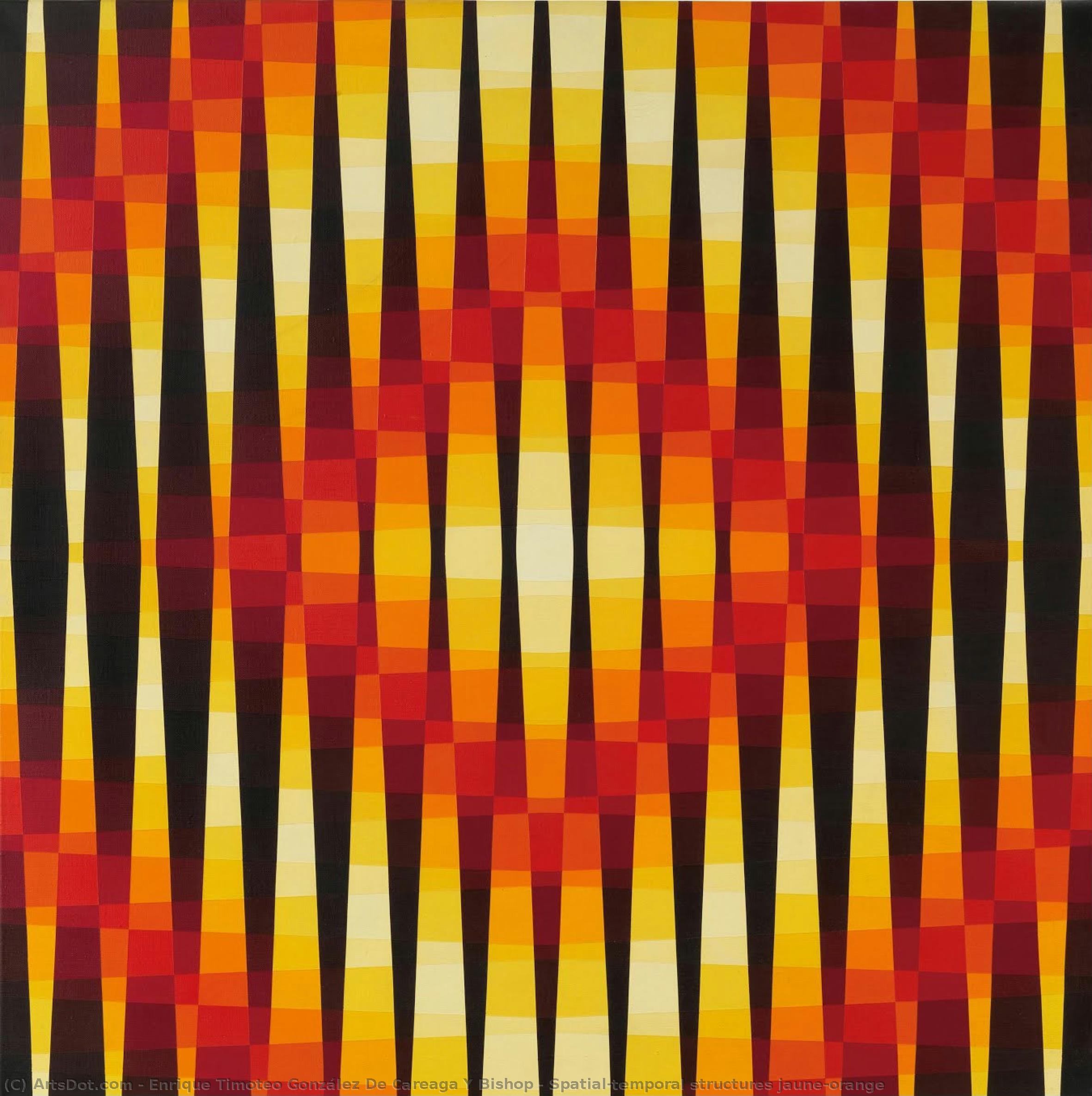
StatsSpatial-temporal structures jaune-orange
 Oil On Canvas
- WallArt
- Geometric Abstraction
 1974
1974- Modern
 MACBA - Muzej savremene umetnosti u Buenos Ajresu
 Pročitaj više
Giclee štampa / Umetnički otisak
Giclée štampa ili print na platnu muzejskog kvaliteta uz brzu proizvodnju i fleksibilne opcije završne obrade. ( Kupi ručno naslikanu sliku Switch to Digital Image)




































Izaberite jednu od naših unapred definisanih veličina koje odgovaraju originalnim proporcijama umetničkog dela.

Možete uneti sopstvene dimenzije kako biste umetničko delo prilagodili specifičnom okviru ili prostoru. Ako odabrani format ne odgovara proporcijama originalne slike, mi ćemo ili iscrtati deo dela ili proširiti sliku pomoću ogledane ivice ili jednobojnog popunjavanja. Digitalni prikaz će vam biti poslat na odobrenje pre početka proizvodnje.
Imajte na umu da pregled na ekranu ne odražava stvarno iscrtavanje ili proširivanje. Samo će prikaz (mockup) precizno pokazati finalnu kompoziciju.
Iako su prilagođene dimenzije dostupne, preporučujemo da odaberete dimenziju sa unapred definisane liste kako biste očuvali originalne proporcije.
Dostava širom sveta () za 2 nedelje umesto uobičajenih 4/5 nedelja. (8 септембар)

Besplatna ekspresna dostava širom sveta

Visokokvalitetno laneno platno

Kompletno osiguranje transporta

Garancija povraćaja carine i uvoznih dažbina

Garancija vernosti boja

Politika povraćaja u roku od 100 dana (isključivo u slučaju nedostataka)

Garancija povrata novca od 100%

Popust pri grupnoj kupovini
 Opcija sa staklom dostupna je samo za dimenzije manje od 110 cm

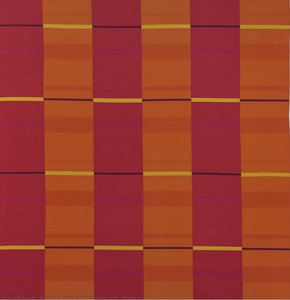
Spatial-temporal structures jaune-orange
Giclee štampa / Umetnički otisak
Dimenzije reprodukcije
-


Konačna cena
$ 62
A Symphony of Warmth and Geometry
In the mesmerizing realm of geometric abstraction, Spatial-temporal structures jaune-orange stands as a breathtaking testament to the power of rhythm and color. Created in 1974, this masterpiece invites the viewer into a vibrant, pulsating world where time and space seem to converge through the medium of light and line. The artwork is a dense, intricate tapestry of verticality, dominated by an energetic interplay of reds, oranges, and yellows. Rather than presenting a traditional subject, the piece focuses on the pure essence of visual movement, utilizing varying widths of stripes to create a grid-like pattern that feels both meticulously structured and wildly alive. It is a composition that does not merely sit upon the canvas but seems to vibrate with an internal heat, drawing the eye into a rhythmic dance of intersecting planes.
The technique employed in this work suggests a profound mastery over the application of pigment, likely utilizing oil or acrylic to achieve a layered depth. While the surface maintains a sophisticated smoothness, there is a subtle, tactile quality—a hint of impasto—that lends weight to each stripe, giving the colors a physical presence. This careful layering creates an illusion of depth within a flattened perspective, where overlapping bands of color suggest a complex, multi-dimensional architecture. The precision of the vertical lines provides a sense of architectural stability, yet the warmth of the palette prevents the work from feeling rigid, instead infusing it with a sense of controlled chaos and organic energy.
A Legacy of Structure and Emotion
Drawing inspiration from the mid-century modern movement and the optical illusions of Op Art, this piece bridges the gap between mathematical precision and emotional resonance. The choice of a warm, sun-drenched palette evokes feelings of vitality, optimism, and the relentless passage of time—a literal interpretation of its "spatial-temporal" title. For the discerning collector or interior designer, this artwork offers more than just visual interest; it provides a focal point of profound character. Its structured nature makes it an ideal anchor for contemporary spaces, where its bold stripes can interact with modern architecture to create a sense of height and dynamism.
To possess a reproduction of such a work is to bring a piece of rhythmic history into one's personal sanctuary. Whether placed in a minimalist gallery setting or integrated into a richly textured living space, Spatial-temporal structures jaune-orange acts as a window into a world of pure sensation. It challenges the viewer to find beauty in the repetition and meaning in the abstract, offering a continuous loop of discovery through its shifting hues and intersecting paths. It is an investment in atmosphere, a celebration of color, and a timeless tribute to the enduring allure of geometric harmony.
Srodna umetnička dela
Biografija umetnika
The Architect of Space and Time: The Life of Enrique Timoteo González de Careaga y Bishop
Enrique Timoteo González de Careaga y Bishop stands as a fascinating testament to the multifaceted talents of early 20th-century Spain. Born in Madrid in 1872, he was a man who seamlessly blended seemingly disparate disciplines—a rare convergence that profoundly shaped his artistic output and cemented his legacy within the annals of Spanish art history. His life began amidst the burgeoning industrial landscape of Europe, an environment that equipped him with technical engineering skills that would later inform his precise approach to visual representation. Yet, beyond the blueprints and calculations, he was a man driven by a profound passion for movement and competition, most notably through his influential role in the world of football.
His involvement with Athletic Bilbao extended far beyond mere participation; he spearheaded the club's transformation into a legendary powerhouse. Serving as the third president between 1903 and 1906, he oversaw a pivotal moment in Basque football history—the merger of Athletic Bilbao and Bilbao FC. This strategic unification created one of Spain’s most enduring athletic institutions. Under his visionary leadership, the club secured its first two Copa del Rey titles, establishing itself as a dominant force on the national stage. This dedication to fostering excellence on the pitch mirrored his later commitment to exploring the boundaries of visual perception through the canvas.
A Visionary Approach to Abstract Geometry
As his artistic journey unfolded, González de Careaga y Bishop moved away from conventional representation toward a highly distinctive and innovative conceptual framework. He sought to capture what he termed “spatial-temporal structures,” a daring ambition that anticipated the developments of abstract art decades before they became mainstream. Rejecting the static nature of traditional portraiture or landscape, he focused on the elusive interplay between space and time, attempting to freeze the very essence of movement within a geometric plane.
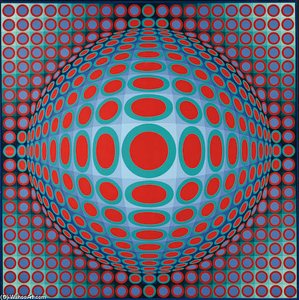
His work often functions as a bridge between the physical and the metaphysical. In pieces such as Sphère Spatio/Temporelle, the viewer is invited into a mesmerizing realm of Op Art, where geometric forms and vibrant blues create a sense of profound depth. His technique utilized rhythmic patterns and optical illusions to challenge the eye, making the canvas feel less like a flat surface and more like a window into a multidimensional reality. This mastery over visual perception allowed him to explore how color and form could evoke a sense of weightlessness or intense vibration.
Legacy and Artistic Significance
The historical significance of González de Careaga y Bishop lies in his ability to synthesize the technical precision of an engineer with the rhythmic soul of an athlete. His later explorations, characterized by energetic interplays of warm hues like reds, oranges, and yellows, demonstrate a profound mastery over pigment and light. Works such as Spatial-temporal structures jaune-orange showcase a dense, intricate tapestry of verticality, where varying widths of stripes create a grid-like pattern that feels both meticulously structured and wildly alive.
Though his life was cut short in 1936, the echoes of his "spatial-temporal" theories continue to resonate within the study of modern abstraction. His ability to anticipate the complexities of mid-century modernism through a much earlier lens marks him as a true pioneer. Today, his captivating works are recognized in prestigious collections such as MACBA and Borusan Contemporary, serving as enduring reminders of a man who saw the world not just as a collection of objects, but as a dynamic dance of intersecting planes, time, and light.

enrique timoteo gonzález de careaga y bishop
1872 - 1936 , Spain
Osnovne informacije
- Artistic Movement Or Style: Spatial art
- Artists Or Movements Influenced By This Artist: ['Op Art']
- Date Of Birth: March 19, 1872
- Date Of Death: May 5, 1936
- Full Name: Enrique Timoteo González de Careaga y Bishop
- Nationality: Spanish
- Notable Artworks:
- Sphère Spatio/Temporelle
- Untitled N.504
- Place Of Birth: Madrid, Spain
Povezani članci

Top 10 dela geometrijske apstrakcije koje morate videti | ArtsDot.com
Istražite 10 remek-dela geometrijske apstrakcije – Mondrian, Malevič i Kandinski. Otkrijte priče iza ovih ikoničnih slika i pronađite inspiraciju za dekoraciju enterijera sa ArtsDot.com! Reprodukcije vrhunskog kvaliteta.

Kandinsky's Masterpieces: 25 Paintings That Define Abstract Art | ArtsDot
Journey through Wassily Kandinsky's 25 most iconic abstract paintings. Explore his revolutionary use of color, form & spiritual expressionism. Find museum-quality Kandinsky reproductions and elevate your home decor with ArtsDot.com. Discover all masterpieces on ArtsDot.com!
Geometric Design in Art: A Historical Survey & Contemporary Appeal for Collectors
Explore the enduring legacy of geometric abstraction! Discover key artists, historical movements & investment insights for discerning art collectors. Expert guidance from ArtsDot.
Beyond Form & Color: Geometric Abstraction's Enduring Legacy in Art History
Explore the captivating world of geometric abstraction! Discover its origins, key artists like Malevich & Mondrian, and why this movement remains highly valued by art collectors today. Expert insights at ArtsDot.
Beyond Form & Color: Geometric Abstraction's Evolution in 20th/21st Century Art
Explore the evolution of geometric abstraction from Cubism to contemporary art. Discover key artists like Malevich & Mondrian, investment insights, and expert collecting advice at ArtsDot.