

 Pregledaj u prostoru
 Pošalji
 Podeli
 Detalji o delu

 Преузми
 Slični predmeti
 Rendgenski snimak
 Slajdovi
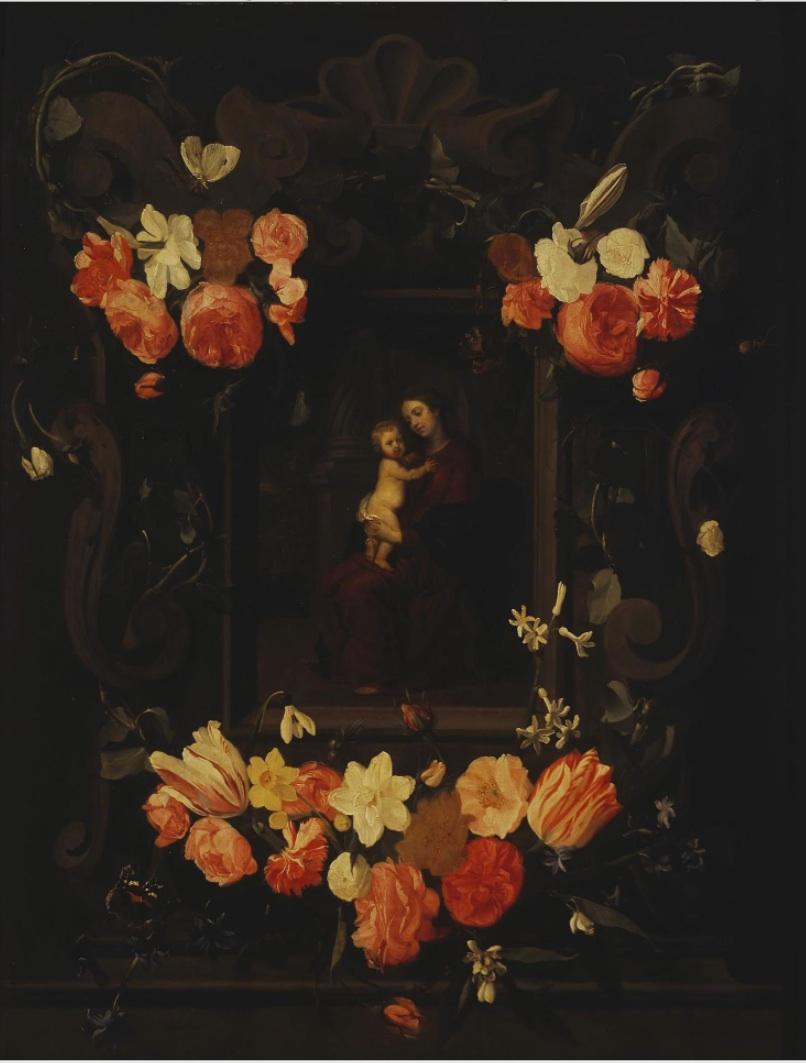
English Madonna and Child Framed a Garland of Flowers


 Pročitaj više
Ručno rađena uljana reprodukcija
Ručno oslikano uljanim bojama na platnu u dimenzijama i okviru po vašem izboru, izrađeno po porudžbini od strane naših umetnika. ( Kupi print Kupi digitalnu sliku)




P118B $10

P118H $10

P118W $10

P438Z $10

P508JH $12

P508YH $12

P805H $10

P805Z $10

P919BZ $10

P919G $10

P919XJ $10

P959ZH $10

P968JZ $12

W106C $8

W218G $10

W218JH $8

W218Y $10

W307PJ $10

W316G $10

W316PJ $8

W316Y $10

W398PJ $8

W4111J $10

W500HY $15

W500JH $15

W692G $12

W849H $8

W940BG $15

W953PJ $8




Izaberite jednu od naših unapred definisanih veličina koje odgovaraju originalnim proporcijama umetničkog dela.

Можете унети сопствене димензије како бисте прилагодили дело одређеном оквиру или простору. Ако одабрана величина не одговара пропорцијама оригинала, слика ће бити исечена или проширена додатним елементима који се ручно насликавају. Дигитални prikaz ће вам бити послат на одобрење пре почетка производње.
Имајте на уму да преглед на екрану не одражава стварно исецање или проширење. Само приказ (mockup) ће тачно приказати коначну композицију.
Иако су доступне прилагођене величине, препоручујемо да одаберете димензију из дефинисане листе како бисте сачували оригиналне пропорције.
Nakon narudžbine, tim ArtsDot.com će klijentu putem e-pošte poslati uputstva i dostaviti prikaz predloženog rešenja
Isporuka širom sveta () za 3/4 nedelje umesto uobičajenih 5 nedelja. (2 септембар). Bez kompromisa po pitanju kvaliteta.

Besplatna ekspresna dostava širom sveta

Visokokvalitetno laneno platno

Kompletno osiguranje transporta

Garancija povraćaja carine i uvoznih dažbina

Garancija vernosti boja

Politika povrata u roku od 60 dana (samo u slučaju nedostataka)

Garancija povrata novca od 100%

Popust pri grupnoj kupovini
 Opcija sa staklom dostupna je samo za dimenzije manje od 110 cm

English Madonna and Child Framed a Garland of Flowers
Tehnika reprodukcije
Dimenzije reprodukcije
-


Konačna cena
$ 288
A Symphony of Crimson Roses Amidst Baroque Grandeur
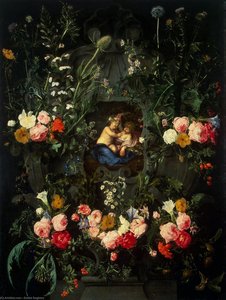
The painting “English Madonna and Child Framed a Garland of Flowers,” attributed to Erasmus Quellinus II (1607-1678), embodies the opulent spirit of Antwerp’s Golden Age, firmly rooted in the artistic tutelage of Peter Paul Rubens. Executed in 1644, this monumental Baroque masterpiece transcends mere depiction; it strives to convey profound spiritual reverence and elevates the sacred narrative of Mary and Jesus into a visual spectacle of breathtaking beauty and intricate detail.Style and Composition: Rubensian Echoes
Quellinus’s artistic sensibilities were undeniably shaped by Rubens's dominant influence, mirroring his mentor’s penchant for dynamic movement and dramatic chiaroscuro – the interplay between light and shadow – techniques that would become hallmarks of Flemish Baroque painting. The composition centers on a serene Madonna and Child figure positioned within an elaborately constructed frame dominated by a profusion of crimson roses and orange blossoms. Unlike the more restrained compositions favored by earlier Renaissance artists, Rubensian principles infuse this artwork with palpable energy, suggesting a subtle tremor of gracefulness as if responding to divine presence. The central figures are bathed in diffused light, highlighting their faces and drapery while casting deep shadows that accentuate the grandeur of the surrounding floral arrangement.Technique: Oil Painting on Canvas – A Legacy of Brilliance
The artwork is executed with masterful skill using oil paint on canvas—a technique perfected by Rubens himself—demonstrating meticulous brushwork and a profound understanding of pigment blending. Layers upon layers of translucent glaze create an illusionistic depth, capturing the velvety texture of petals and the flowing folds of Mary’s robes with remarkable accuracy. The artist skillfully employs hatching and cross-hatching to define contours and build up tonal variations, contributing to the overall dramatic effect. Furthermore, the careful application of varnish enhances the luminosity of the colors and protects the surface from deterioration—a testament to Quellinus's dedication to preserving his artistic vision for posterity.Historical Context: Antwerp’s Artistic Zenith
Antwerp flourished as a commercial and cultural hub during the seventeenth century, attracting artists from across Europe eager to participate in its vibrant artistic milieu. Rubens’s workshop served as a crucible of innovation, fostering collaborations that propelled Flemish art to unparalleled heights. Quellinus II benefited immensely from this environment, honing his craft alongside masters like Rubens and developing a distinctive style characterized by expressive dynamism and meticulous ornamentation—traits that would solidify his reputation as one of Antwerp's most celebrated sculptors and painters. The painting’s commission likely reflects the prevailing piety of the era and underscores the importance of religious iconography in shaping artistic taste during this period.Symbolism: Roses – A Testament to Divine Love
The overwhelming presence of crimson roses—a symbol universally recognized for divine love, purity, and compassion—embodies the core theological message conveyed by the artwork. Their vibrant hues contrast sharply with the dark frame and background, drawing the viewer’s eye towards the central figures and emphasizing their spiritual significance. The floral garland encircling Mary and Jesus serves as a visual metaphor for protection and blessing—a reminder of God's unwavering care for humanity. Moreover, the meticulous rendering of each petal speaks to an artist’s profound appreciation for beauty and elevates the depiction of sacred subjects into an experience of sublime aesthetic pleasure.Emotional Impact: Reverence and Tranquility
“English Madonna and Child Framed a Garland of Flowers” evokes a palpable sense of reverence and tranquility—a feeling born from the harmonious blend of artistic skill, compositional balance, and symbolic richness. The painting invites contemplation on themes of faith, motherhood, and divine grace, transporting viewers to a realm of spiritual serenity. Its enduring appeal lies in its ability to capture the essence of Baroque artistry: an unwavering commitment to conveying emotion through visual form—a legacy that continues to inspire artists and collectors alike.Srodna umetnička dela




Biografija umetnika
The Legacy of Erasmus Quellinus II: A Master of Antwerp’s Golden Age
In the vibrant, bustling heart of seventeenth-century Antwerp, a period defined by unparalleled artistic splendor, Erasmus Quellinus II emerged as a central figure of the Flemish Baroque. Born in 1607 into a distinguished lineage of creators, his very foundation was steeped in the traditions of craftsmanship and visual storytelling. As the son of the renowned sculptor Erasmus Quellinus I, his upbringing provided more than just a name; it offered an intimate connection to the pulse of the Southern Netherlands' artistic community. This familial environment, shared with his brothers Artus and Hubertus, fostered a unique ecosystem of creativity that would eventually allow him to transcend local recognition and become a cornerstone of European art.
The trajectory of Quellini’s career was irrevocably altered by his encounter with the titan of the age, Peter Paul Rubens. Around 1633, Quellinus entered the orbit of Rubens' workshop, a transformative period that served as his true artistic baptism. Under this mentorship, he did not merely learn technique; he absorbed a revolutionary visual language characterized by dramatic chiaroscuro, sweeping compositions, and an almost palpable sense of movement. He became a trusted collaborator in some of the era's most ambitious decorative projects, notably contributing to the grand celebrations for Cardinal Ferdinand Habsburg. This period of intense collaboration allowed Quellinus to master the art of blending classical poise with the exuberant energy that defines the Baroque spirit.
A Versatile Visionary: From Myth to Devotion
Following the passing of Rubens in 1640, Quellinus did not merely step into a vacuum; he ascended to become Antwerp’s most prolific and influential painter. His ability to navigate diverse genres allowed him to command the attention of both the church and the nobility. He possessed a rare versatility, moving seamlessly between the visceral intensity of battle scenes and the profound, quiet dignity of religious portraiture. In his mythological works, such as The Death of Eurydice, one can observe a deep engagement with classical themes, where emotional gravity is rendered through masterful brushwork and a sophisticated understanding of human pathos.
His religious compositions often reflected the complex spiritual landscape of the Counter-Reformation. In pieces like his English Madonna and Child Framed a Garland of Flowers, Quellinus demonstrated an exquisite ability to marry delicate naturalism with grander theological narratives. The use of vibrant floral borders serves not just as decoration, but as a symbolic bridge between the earthly beauty of the Flemish landscape and the divine grace of the subjects. Whether capturing the serene musicality in details of Saul and David or executing monumental altarpieces, his work remained anchored in a profound respect for classical ideals, even as he embraced the theatricality of his time.
Historical Significance and Artistic Endurance
The historical importance of Erasmus Quellinus II lies in his role as a bridge between the revolutionary era of Rubens and the evolving tastes of the mid-to-late seventeenth century. He was a custodian of the Flemish tradition, ensuring that the grandeur of the Baroque continued to flourish even as the political and social tides of Europe shifted. His prolific output—spanning history paintings, portraits, and intricate tapestry designs—ensured that his influence permeated nearly every facet of visual culture in Antwerp.
Today, the works of Quellinus serve as vital windows into a lost world of opulence and intellectual depth. His legacy is defined by several key contributions:
- The Preservation of the Rubensian Style: He successfully translated the dynamic energy of Rubens into a refined, classical language that sustained the Antwerp school.
- Genre Versatility: His mastery over disparate subjects, from the epic scale of battle scenes to the intimate detail of floral garlands, showcased the breadth of Baroque capability.
- Humanist Integration: He effectively wove classical mythology and humanist philosophy into the religious and civic fabric of his era.
Through his meticulous technique and emotive power, Erasmus Quellinus II remains an indispensable figure for anyone seeking to understand the soul of the Flemish Golden Age.
erasmus quellinus ii
1607 - 1678 , Belgium
Osnovne informacije
- Artistic Movement Or Style: Baroque
- Artists Or Movements Influenced By This Artist: Rubens
- Artists Who Influenced This Artist: Peter Paul Rubens
- Date Of Birth: 1607 Antwerp Belgium
- Date Of Death: 1678
- Full Name: Erasmus Quellinus II
- Nationality: Flemish
- Notable Artworks:
- The Death of Eurydice
- English Madonna and Child Framed a Garland of Flowers
- Achilles among the Daughters of Lycomedes
- Place Of Birth: Antwerp Belgium
Povezani članci
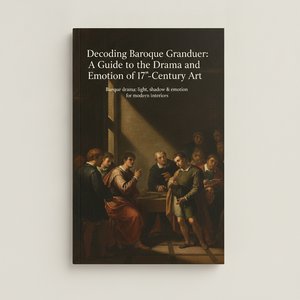
Decoding Baroque Grandeur: A Guide to the Drama and Emotion of 17th-Century Art
Explore the breathtaking drama of 17th-century Baroque art. Our expert guide decodes the use of chiaroscuro, emotional intensity, and historical grandeur to help you appreciate and curate timeless masterpieces for your collection.

Baroque Classicism: Reconciling Drama & Order in 17th-Century Art
Explore the captivating world of Baroque Classicism! Discover its history, key artists like Caravaggio & Rubens, and defining characteristics. Expert insights & high-quality reproductions at ArtsDot.

The Visceral Stage: Exploring Dramatic Narratives & Emotional Intensity in Baroque Art
Explore the dramatic world of Baroque art! Discover iconic masters like Caravaggio & Rembrandt, their techniques, and the movement's lasting impact. Expert insights for collectors & enthusiasts at ArtsDot.

The Dramatic Flourish: Exploring the Baroque Movement's Enduring Legacy in Art History
Explore the dramatic world of Baroque art! Discover iconic artists like Caravaggio & Rubens, defining techniques, and its lasting impact on art history. Expert insights for collectors & enthusiasts at ArtsDot.

Барокна драма: Уношење величине и емоција у савремене ентеријере
Откријте барокну драму и унесите величину у ваш ентеријер! ArtsDot нуди ручно насликане репродукције, персонализоване портрете и стручне консултације за љубитеље класичне уметности. Потражите савршено дело већ данас!

