

 Pregledaj u prostoru
 Pošalji
 Podeli
 Detalji o delu

 Преузми
 Slični predmeti
 Rendgenski snimak
 Slajdovi
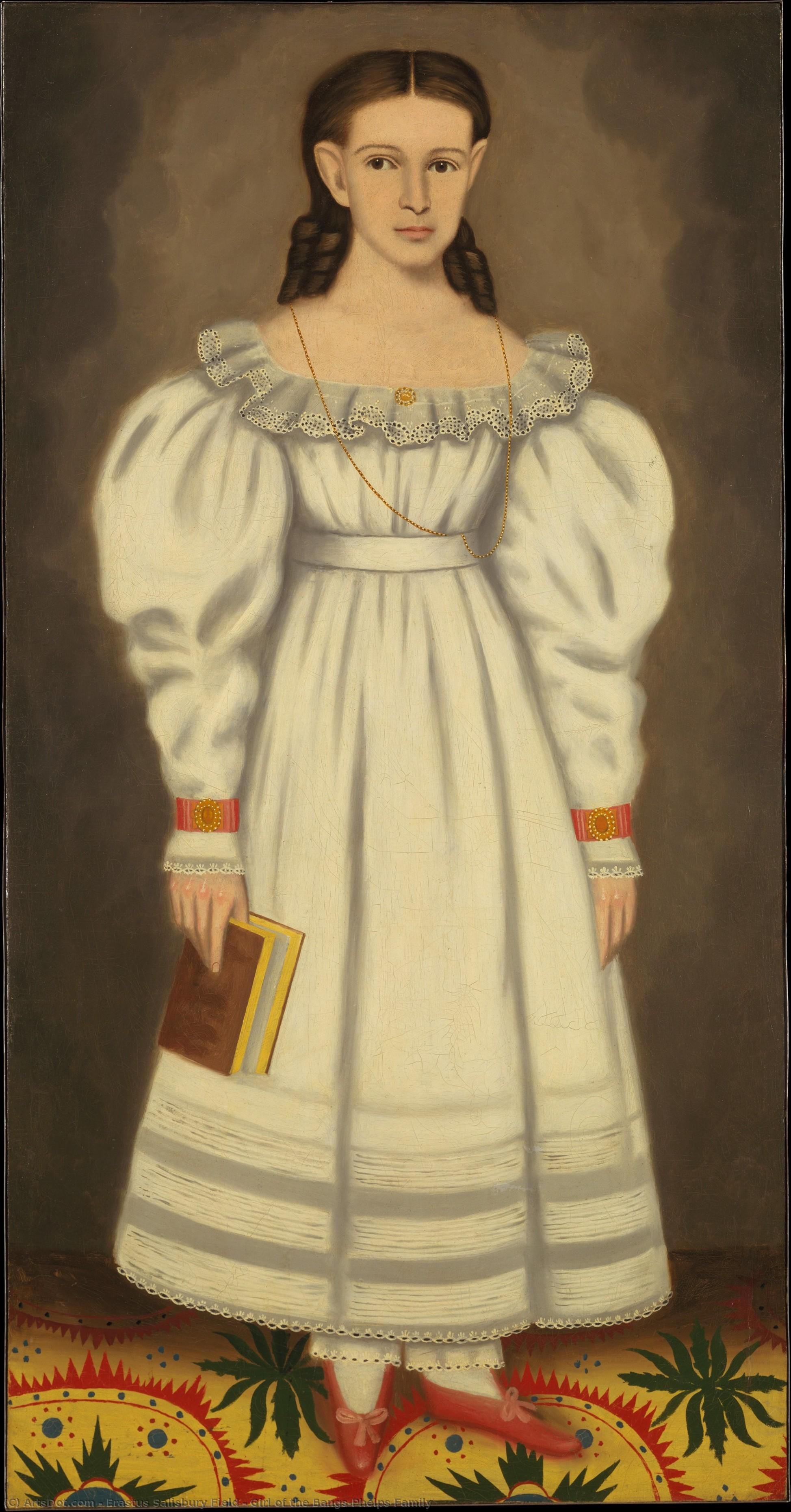
Girl of the Bangs-Phelps Family
 Oil On Canvas
- WallArt
- Victorian Era
 1848
1848- 19th Century
 161.0 x 91.0 cm
 Metropolitan Museum of Art
 Pročitaj više
Kupite digitalnu sliku visoke rezolucije i poboljšanog kvaliteta, koja je znatno superiornija od onoga što vidite u online prikazu.
Svaka datoteka je pedantno pripremljena od strane naših stručnjaka koristeći napredne alate i profesionalnu ručnu retušu. Osiguravamo da svaka slika ima izuzetnu oštrinu, preciznu reprodukciju boja i fine detalje.
Konačna datoteka se dostavlja putem e-pošte u roku od 72 sata, optimizovana za neposrednu upotrebu u profesionalnim, izdavačkim i štamparskim okruženjima. To je isti kvalitet kojem veruju vrhunski studiji dizajna, izdavači i galerije.
Digitalna slika
Preuzmite datoteku visoke rezolucije za ličnu upotrebu, štampanje i kreativne projekte. ( Kupi print Kupi ručno naslikanu sliku)
Uključeno uz svaku porudžbinu digitalne slike
Profesionalna digitalna isporuka, zagarantovana
Kada odaberete ArtsDot.com, ne dobijate samo sliku – vi primate profesionalno unapređeno digitalno umetničko delo, izrađeno sa najvećom preciznošću i uz garanciju zadovoljstva. Evo svega što automatski dolazi uz vašu porudžbinu:

Brza dostava putem e-pošte
Vaša digitalna slika visoke rezolucije biće vam poslata putem e-pošte u roku od 72 sata od poručivanja – spremna za trenutnu upotrebu.

Digitalna datoteka unapređena veštačkom inteligencijom
Vaše umetničko delo je profesionalno optimizovano korišćenjem naprednih AI alata i ručne obrade, čime se osiguravaju maksimalni detalji, oštrina i preciznost boja.

Besplatna ponovna isporuka doživotno
Slučajno ste obrisali ili izgubili svoju datoteku? Ne brinite – poslaćemo vam je ponovo u bilo kom trenutku, potpuno besplatno.

Bez troškova uvoza – zauvek
Uživajte u svojim umetničkim delima trenutno, bez carine, dažbina ili troškova dostave – digitalni download je uvek bez poreza.

Garancija vernosti boja
Uz pomoć profesionalnih alata i upravljanja bojama, osiguravamo da vaša digitalna slika što vernije odražava originalne boje.

Garancija zadovoljstva u roku od 60 dana
Ako niste zadovoljni svojom digitalnom slikom, revidirat ćemo je ili vratiti 100% novca u roku od 60 dana – bez ikakvih pitanja.

100% garancija povrata novca
Niste zadovoljni? Obezbedite pun povrat novca u roku od 60 dana od trenutka kada ste primili svoju digitalnu datoteku – bez suvišnih pitanja.

Popusti na velike porudžbine
Kupite 3 slike, uštedite 10% - Kupite 5 slika, uštedite 15% - Kupite 10+ slika, uštedite 20%. Odlično za kreativne projekte, galerije i agencije.
A Glimpse into Antebellum American Life
Erastus Salisbury Field’s portrait, Girl of the Bangs-Phelps Family, transports us directly into the vibrant, yet carefully composed world of antebellum New England. Painted in 1848, this work is more than a mere likeness; it is a meticulously crafted document of emerging middle-class aspirations and domestic grace. Field, known for his ability to capture the essence of his sitters from the burgeoning rural communities of Massachusetts, presents us with a young girl whose very presence speaks of Victorian propriety mixed with an undeniable youthful vitality. The subject, dressed in an oversized yet beautifully detailed costume, embodies the era's ideals of feminine refinement.
Mastery of Light and Composition
Technically, Field demonstrates a remarkable command over oil on canvas. Observe the handling of light; it seems to emanate from within the scene itself. The background is rendered in a soft, almost ethereal gray wash, which serves not only as a neutral stage but also functions to dramatically isolate and elevate the sitter. Most striking is Field’s signature technique—the distinctive shaded halo of space that encircles the model's face and frames her sharply parted hair. This luminous effect draws the viewer's eye immediately to the subject's expression, suggesting an almost spiritual quality to her portraiture. The careful modeling of the face against this soft backdrop gives the painting a depth that belies its relatively modest size.
Symbolism of Knowledge and Innocence
The inclusion of the book held delicately in the girl’s right hand introduces a layer of intellectual symbolism. In 19th-century portraiture, books often signified education, piety, or burgeoning literary interest—qualities highly valued by the rising middle class. Paired with her pristine white dress and gentle demeanor, this object suggests that innocence is coupled with an earnest pursuit of knowledge. The entire composition balances the ephemeral nature of childhood with the enduring value of learning, creating a poignant dialogue for the modern observer.
A Touch of Historical Resonance for Your Space
For those seeking to infuse a room with the rich narrative tapestry of American history, this piece offers unparalleled depth. Reproducing Field’s work allows one to bring home not just paint on canvas, but a tangible echo of 19th-century social structure and artistic ambition. Whether displayed in a formal drawing-room or a thoughtfully curated study, the portrait commands attention through its masterful technique and its quiet storytelling power. It serves as an exquisite focal point, inviting contemplation upon the passage of time and the enduring beauty of tradition.
Srodna umetnička dela

Biografija umetnika
Erastus Salisbury Field: A Victorian Visionary of Stonehenge
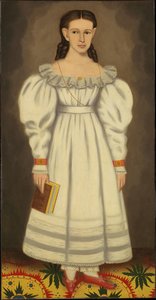
Erastus Salisbury Field (May 19, 1805 in Leverett, Massachusetts – June 28, 1900 in Sunderland, Massachusetts) stands as a compelling figure within the landscape of 19th-century American art. More than simply a portrait painter, Field was a master of evocative storytelling through image, blending elements of folk art, historical illustration, and nascent photography to create works that resonate with both regional identity and grand, romantic themes. His career, spanning over seven decades, offers a fascinating glimpse into the evolving artistic sensibilities of a nation grappling with industrialization and searching for its visual narrative.
Born into a family deeply rooted in rural Massachusetts, Field’s early life was shaped by an appreciation for craftsmanship and a keen observational eye. His initial training, though rudimentary, involved sketching portraits under the guidance of local artists – a crucial step that instilled him with the fundamental skills of likeness and composition. This foundation proved surprisingly adaptable as he later embraced new techniques and styles, demonstrating a remarkable capacity to synthesize diverse influences into his own unique artistic voice.
The Limner’s Path: Portraits and Regional Identity
Field's early career was defined by his role as a “limner,” a term that aptly describes the itinerant portrait painters who thrived in New England during the 19th century. These artists traveled extensively, offering their services to rural communities – often capturing families, prominent citizens, and cherished pets. Unlike the formal studios of established artists, the limner’s practice was characterized by informality, direct engagement with clients, and a willingness to work within the constraints of a single sitting. Field quickly mastered this approach, developing a distinctive style that prioritized capturing “a good likeness” – not through meticulous detail or academic precision, but through a sensitive understanding of human expression and character.
His portraits are notable for their immediacy and warmth. He eschewed the elaborate costumes and theatrical poses favored by some of his contemporaries, instead presenting subjects in familiar settings and engaging them in natural conversation. This approach fostered a sense of intimacy and authenticity that resonated deeply with his clientele, establishing Field as a trusted chronicler of local life.
A Shift Towards Historical Narrative and Photographic Influence
As the 19th century progressed, Field’s artistic focus began to shift. The rise of photography presented both a challenge and an opportunity for artists like Field. While photographic portraiture gained popularity as a more efficient and accessible means of capturing likenesses, it also spurred Field to experiment with new techniques and approaches. He became fascinated by the process of reproduction, initially through collodion printing, and later by incorporating elements of photography into his own paintings.
This experimentation culminated in his ambitious “Historical Monument of the American Republic,” a monumental canvas depicting key moments in American history – from the arrival of Columbus to the Civil War. The painting is a remarkable synthesis of historical research, artistic skill, and imaginative vision. Field drew inspiration from architectural models and plans for the Centennial Exposition of 1876, creating a fantastical cityscape populated by iconic figures and symbolic representations of national values. The work demonstrates his growing interest in grand narratives and his ability to translate complex ideas into visually compelling imagery.
A Legacy of Regional Vision
Erastus Salisbury Field’s legacy extends beyond the individual works that survive today. He represents a vital link between the traditions of folk art and the emerging artistic currents of the 19th century. His paintings offer a unique window into the social, cultural, and historical landscape of rural New England – capturing not only the faces of his subjects but also the spirit of a region grappling with change and defining its own identity.
His distinctive style—characterized by flattened forms, simplified details, and a focus on evocative storytelling—continues to fascinate art historians and collectors alike. Field’s work stands as a testament to the enduring power of visual narrative and the remarkable creativity of an artist who found his voice in the heartland of America.
erastus salisbury field
1805 - 1900
Kratke činjenice
- Artistic Movement Or Style: Folk art, Portraiture
- Artists Or Movements Influenced By This Artist: ['Limner Tradition']
- Artists Who Influenced This Artist: ['Samuel F. B. Morse']
- Date Of Birth: May 19, 1805
- Date Of Death: June 28, 1900
- Full Name: Erastus Salisbury Field
- Nationality: American
- Notable Artworks:
- The Embarkation of Ulysses
- The Death of the First Born
- Nathaniel Bassett
- Place Of Birth: Leverett, Massachusetts

