

 Pregledaj u prostoru
 Pošalji
 Podeli
 Detalji o delu

 Преузми
 Slični predmeti
 Rendgenski snimak
 Slajdovi
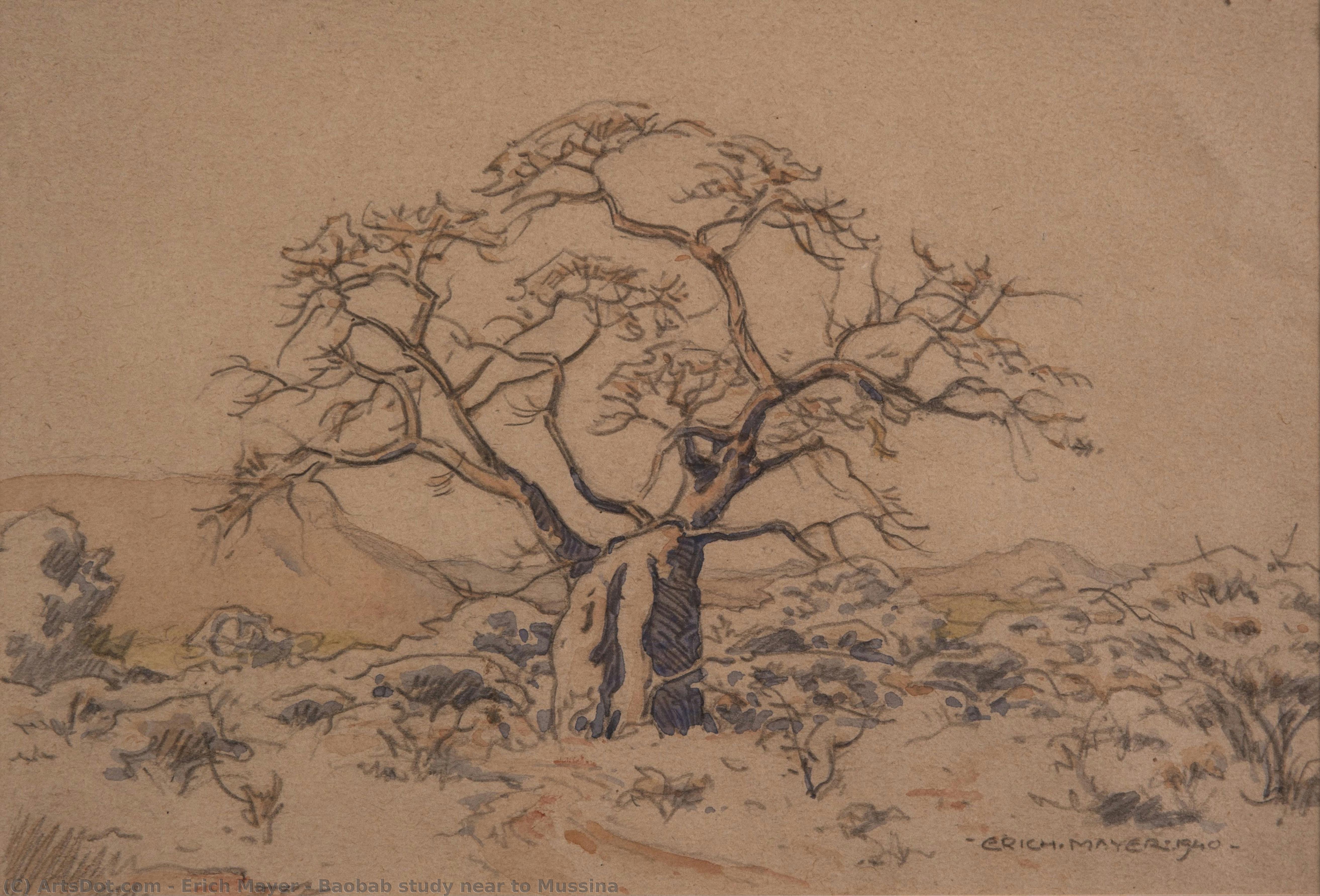
Baobab study near to Mussina
 Watercolor
- WallArt
- Contemporary Realism
 1940
1940- Modern
 19.0 x 28.0 cm
 University of Pretoria Museums
 Pročitaj više
Ručno rađena uljana reprodukcija
Ručno oslikano uljanim bojama na platnu u dimenzijama i okviru po vašem izboru, izrađeno po porudžbini od strane naših umetnika. ( Kupi print Kupi digitalnu sliku)




P118B $10

P118H $10

P118W $10

P438Z $10

P508JH $12

P508YH $12

P805H $10

P805Z $10

P919BZ $10

P919G $10

P919XJ $10

P959ZH $10

P968JZ $12

W106C $8

W218G $10

W218JH $8

W218Y $10

W307PJ $10

W316G $10

W316PJ $8

W316Y $10

W398PJ $8

W4111J $10

W500HY $15

W500JH $15

W692G $12

W849H $8

W940BG $15

W953PJ $8




Izaberite jednu od naših unapred definisanih veličina koje odgovaraju originalnim proporcijama umetničkog dela.

Можете унети сопствене димензије како бисте прилагодили дело одређеном оквиру или простору. Ако одабрана величина не одговара пропорцијама оригинала, слика ће бити исечена или проширена додатним елементима који се ручно насликавају. Дигитални prikaz ће вам бити послат на одобрење пре почетка производње.
Имајте на уму да преглед на екрану не одражава стварно исецање или проширење. Само приказ (mockup) ће тачно приказати коначну композицију.
Иако су доступне прилагођене величине, препоручујемо да одаберете димензију из дефинисане листе како бисте сачували оригиналне пропорције.
Nakon narudžbine, tim ArtsDot.com će klijentu putem e-pošte poslati uputstva i dostaviti prikaz predloženog rešenja
Isporuka širom sveta () za 3/4 nedelje umesto uobičajenih 5 nedelja. (7 септембар). Bez kompromisa po pitanju kvaliteta.

Besplatna ekspresna dostava širom sveta

Visokokvalitetno laneno platno

Kompletno osiguranje transporta

Garancija povraćaja carine i uvoznih dažbina

Garancija vernosti boja

Politika povraćaja u roku od 100 dana (isključivo u slučaju nedostataka)

Garancija povrata novca od 100%

Popust pri grupnoj kupovini
 Opcija sa staklom dostupna je samo za dimenzije manje od 110 cm

Baobab study near to Mussina
Tehnika reprodukcije
Dimenzije reprodukcije
-


Konačna cena
$ 263
A Serene Encounter in the Transvaal
In the quietude of "Baobab Study near to Mussina," the viewer is transported to a sun-drenched corner of the South African landscape, where time seems to slow to the rhythmic pace of nature. The painting captures a profound moment of stillness featuring two cows resting at the foot of an ancient, majestic baobab tree. This iconic silhouette, with its thick, weathered trunk and sprawling, leafless branches reaching toward the sky, serves as the anchor for the entire composition. Set against a backdrop of soft, rolling hills and distant mountains, the scene evokes a sense of deep-seated tranquility. The presence of the cattle, positioned intimately near one another, introduces a gentle narrative of companionship and peace, suggesting a harmonious coexistence between the wild flora of the African veld and the domestic life of the countryside.
The artistry of Erich Mayer shines through in his delicate handling of light and atmosphere. Utilizing a watercolor technique that favors soft transitions and luminous washes, Mayer masterfully captures the hazy, heat-softened air characteristic of the Musina region. The artist’s ability to render the rugged texture of the baobab's bark against the ethereal lightness of the distant mountains creates a captivating depth. There is a subtle brilliance in how the light interacts with the landscape, casting gentle shadows that ground the animals within the terrain. This mastery of medium allows the painting to breathe, offering a window into a world where the boundaries between the earth and the sky feel beautifully blurred.
A Life Forged in Landscape and Resilience
To understand the soul of this work, one must look toward the turbulent life of Erich Mayer himself. A German-born artist who sought fortune in the Transvaal, Mayer’s journey was marked by the profound upheavals of the South African War and the subsequent world conflicts. His experiences as a prisoner of war on St. Helena Island and his later internment during the World Wars instilled in him a unique perspective—one that found solace and beauty in the enduring permanence of the African landscape. This painting is more than a mere botanical study; it is an homage to the resilience of nature. The baobab, often called the "Tree of Life," stands as a symbol of endurance, much like Mayer’s own spirit, which remained anchored to the land he had come to call home despite the storms of history.
For the discerning collector or interior designer, this reproduction offers an exquisite opportunity to introduce a piece of historical and emotional depth into a living space. The muted, earthy palette and the tranquil subject matter make it a versatile addition to any sophisticated decor, providing a focal point that invites contemplation and calm. Whether placed in a sunlit study or a contemporary gallery-style lounge, "Baobab Study near to Mussina" serves as a timeless window into the heart of Southern Africa, bringing with it the quiet dignity of a bygone era and the everlasting beauty of the natural world.
Srodna umetnička dela
![Untitled (transfer Drawing For The Home Of The Winds [no. 1]) — Džordž Elbert Ber, Impressionism](/media/artworks/images-thumb/dd/96/dd96c678ec40df9a9267f8459ca4b4c9.jpg)
Biografija umetnika
Erich Mayer: A Pioneer of South African Art
- Born: Mussino, Italy (1876)
- Died: Pretoria, South Africa (1960)
Early Life and Influences
Erich Ernst Karl Mayer was born in Karlsruhe, Germany, in 1876. He received his early education in Berlin and initially pursued studies in architecture, earning a scholarship to the Charlottenburg Technische Hochschule. However, illness interrupted his architectural training, leading him to seek a healthier climate and relocate to South Africa in 1898. His initial work involved serving as an assistant land surveyor in the Orange Free State.
The Boer War and Artistic Development
Mayer's life took a significant turn when he joined a Boer commando during the Anglo-Boer War (1899-1902). While participating in the conflict, he began sketching the local farmers and landscapes where his unit was stationed. Captured by British forces at Mafeking, Mayer endured imprisonment on St. Helena. During this period of confinement, he dedicated himself to art, honing his skills and developing his artistic vision. Upon his return to Germany after the war, he formally studied art before eventually returning to South Africa.
Artistic Style and Contributions
Settling in Pretoria in 1912, Mayer became a prominent figure in the South African art scene. He is best known for his meticulous watercolor paintings and oil paintings depicting rural life and landscapes of South Africa. His work often focused on portraying the lives of farmers and their families, capturing the essence of the country's interior regions with sensitivity and detail. A notable subject in his works was the Baobab tree ("Kremetartboom"). Mayer actively advocated for a "National Art Identity" within South Africa, seeking to develop an artistic style that reflected the unique character of the nation.
- Mediums: Primarily watercolor and oil painting.
- Subjects: Rural landscapes, portraits of farmers and their families, depictions of everyday life in South Africa.
- Style: Representational, characterized by meticulous detail and a sympathetic portrayal of his subjects.
Legacy and Historical Significance
Erich Mayer's contribution to South African art is significant for several reasons. He played a crucial role in fostering an indigenous artistic identity during a period when European influences were dominant. His empathetic depictions of rural life provided valuable insights into the lives of ordinary people, preserving a visual record of a bygone era. Mayer also shared his knowledge and skills by teaching woodcut printing to other artists, including the renowned JH Pierneef. His murals in the Jeppe Street Post Office (Johannesburg) and Monument High School (Krugersdorp) stand as lasting testaments to his artistic legacy.
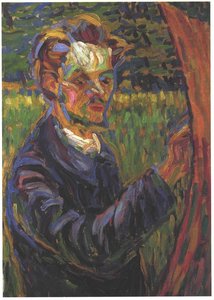
Erich Mayer
1940 - , Italy
Osnovne informacije
- Artistic Movement Or Style: Watercolor painting
- Artists Or Movements Influenced By This Artist: ['Henk Pierneef']
- Artists Who Influenced This Artist:
- Winslow Homer
- Henri Matisse
- Date Of Birth: 1876
- Date Of Death: 1960
- Full Name: Erich Ernst Karl Mayer
- Nationality: German-South African
- Notable Artworks: ['Baobab study near to Mussina']
- Place Of Birth: Karlsruhe, Germany
Povezani članci
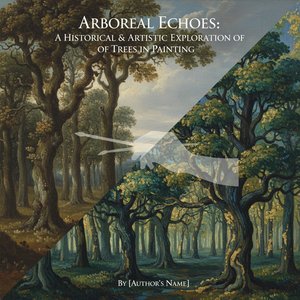
Arboreal Echoes: A Historical & Artistic Exploration of Trees in Painting
Explore the rich history of trees in painting! Discover symbolism, Romantic masterpieces by Caspar David Friedrich & beyond. A curated journey for art enthusiasts.
Arboreal Echoes: A Historical & Artistic Exploration of Trees in Painting
Explore the rich history of trees in painting! Discover symbolism, Romantic masterpieces by Caspar David Friedrich & beyond. A curated journey for art enthusiasts.
Leonardo da Vinci: 25 Remek-dela Genija za Vaš Dom | ArtsDot
Istražite 25 remek-dela Leonarda da Vince, od Mona Lize do Poslednje večere. Otkrijte priče iza slika renesanse i inspiraciju za dekoraciju enterijera. Kvalitetne reprodukcije na ArtsDot.com!

Sir Alfred Munnings' Masterpieces: 25 Paintings That Define Equine Art | ArtsDot
Explore 25 iconic Sir Alfred Munnings paintings! Discover the beauty of British Impressionism, equine art & rural England. Find museum-quality reproductions and elevate your home decor with ArtsDot. Explore the full collection online.

Paul Cézanne: 25 Remek-dela Revolucionarnog Umjetnika | ArtsDot
Istražite 25 remek-dela Paula Cézanna, revolucionarnog slikara impresionizma i postimpresionizma. Otkrijte priče iza ikoničnih pejzaža, portreta i mrtve prirode. Kupite luksuzne reprodukcije slika na ArtsDot.com!