

 Pregledaj u prostoru
 Pošalji
 Podeli
 Detalji o delu

 Преузми
 Slični predmeti
 Rendgenski snimak
 Slajdovi
 Stats
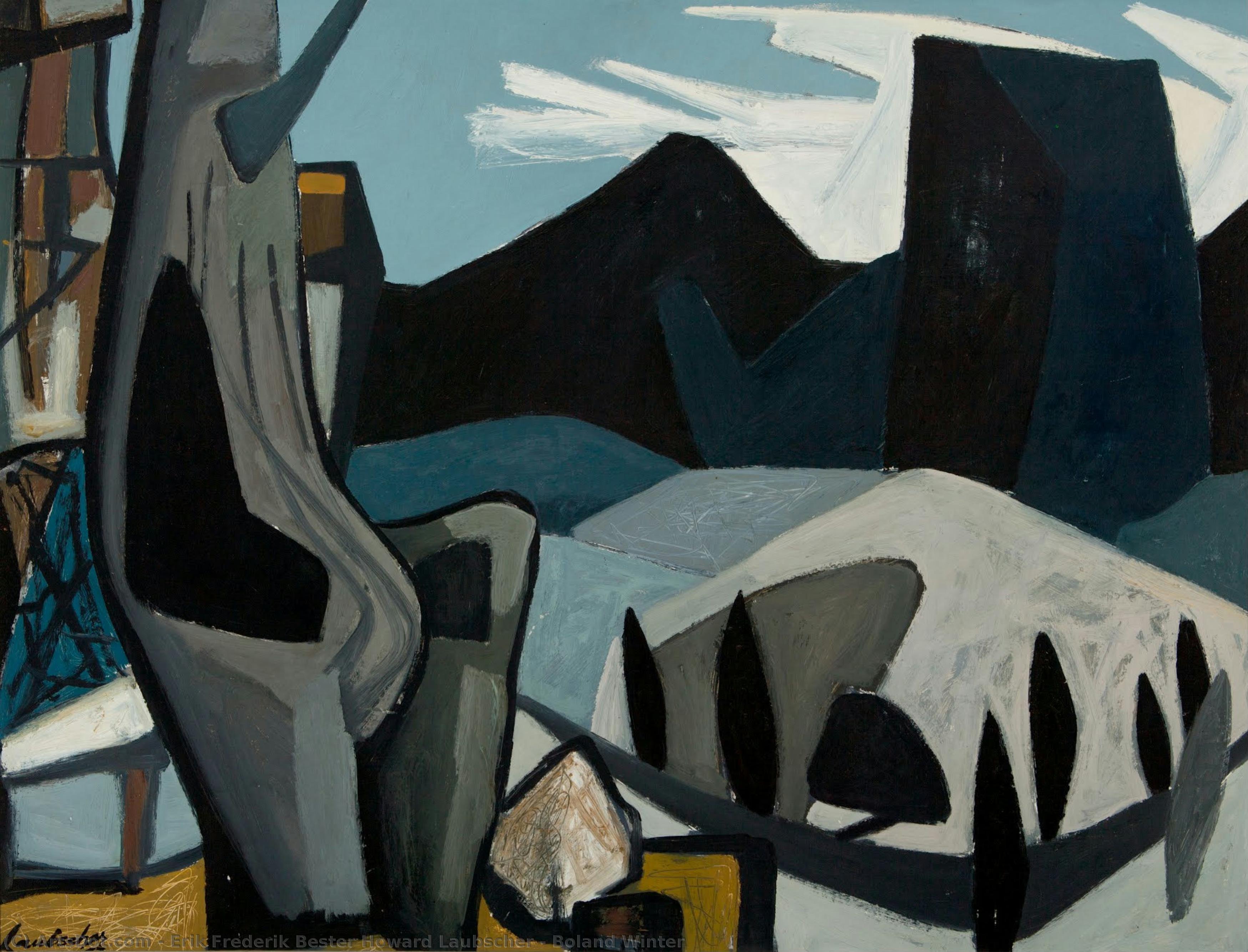
StatsBoland Winter
 1957
1957 2.0 x 79.0 cm
 Iziko South African National Gallery
 Pročitaj više
Kupite digitalnu sliku visoke rezolucije i poboljšanog kvaliteta, koja je znatno superiornija od onoga što vidite u online prikazu.
Svaka datoteka je pedantno pripremljena od strane naših stručnjaka koristeći napredne alate i profesionalnu ručnu retušu. Osiguravamo da svaka slika ima izuzetnu oštrinu, preciznu reprodukciju boja i fine detalje.
Konačna datoteka se dostavlja putem e-pošte u roku od 72 sata, optimizovana za neposrednu upotrebu u profesionalnim, izdavačkim i štamparskim okruženjima. To je isti kvalitet kojem veruju vrhunski studiji dizajna, izdavači i galerije.
Digitalna slika
Preuzmite datoteku visoke rezolucije za ličnu upotrebu, štampanje i kreativne projekte. ( Switch to Print Kupi ručno naslikanu sliku)
Uključeno uz svaku porudžbinu digitalne slike
Profesionalna digitalna isporuka, zagarantovana
Kada odaberete ArtsDot.com, ne dobijate samo sliku – vi primate profesionalno unapređeno digitalno umetničko delo, izrađeno sa najvećom preciznošću i uz garanciju zadovoljstva. Evo svega što automatski dolazi uz vašu porudžbinu:

Brza dostava putem e-pošte
Vaša digitalna slika visoke rezolucije biće vam poslata putem e-pošte u roku od 72 sata od poručivanja – spremna za trenutnu upotrebu.

Digitalna datoteka unapređena veštačkom inteligencijom
Vaše umetničko delo je profesionalno optimizovano korišćenjem naprednih AI alata i ručne obrade, čime se osiguravaju maksimalni detalji, oštrina i preciznost boja.

Besplatna ponovna isporuka doživotno
Slučajno ste obrisali ili izgubili svoju datoteku? Ne brinite – poslaćemo vam je ponovo u bilo kom trenutku, potpuno besplatno.

Bez troškova uvoza – zauvek
Uživajte u svojim umetničkim delima trenutno, bez carine, dažbina ili troškova dostave – digitalni download je uvek bez poreza.

Garancija vernosti boja
Uz pomoć profesionalnih alata i upravljanja bojama, osiguravamo da vaša digitalna slika što vernije odražava originalne boje.

Garancija zadovoljstva od 100 dana
Ako niste zadovoljni svojom digitalnom slikom, izvršićemo reviziju ili ćemo vam vratiti 100% novca u roku od 100 dana – bez ikakvih pitanja.

100% garancija povrata novca
Niste zadovoljni? Dobijte puni povraćaj novca u roku od 100 dana od prijema digitalne datoteke – bez suvišnih pitanja.

Popusti na velike porudžbine
Kupite 3 slike, uštedite 10% - Kupite 5 slika, uštedite 15% - Kupite 10+ slika, uštedite 20%. Odlično za kreativne projekte, galerije i agencije.
Srodna umetnička dela







Biografija umetnika
A Life Painted in Memory: The World of Alex Katz
Alex Katz (1927-2013) wasn’t a painter who sought to capture the world as it *is*, but rather as it *feels*. His canvases, often dominated by seemingly simple scenes – a couple sitting on a porch, a woman in a fur coat, a solitary figure walking down a street – are imbued with an unsettling stillness, a quiet intensity that draws the viewer into a realm of memory and emotion. Born in Brooklyn, New York, to Ukrainian immigrant parents who had lost their factory in Odessa during the Russian Revolution, Katz’s early life was marked by displacement and a sense of being perpetually on the periphery. This experience profoundly shaped his artistic vision, fostering a deep-seated awareness of isolation and the complexities of human relationships. His childhood, spent largely in St. Albans, Queens, and later in Lincolnville, Maine – a place he would return to annually for nearly six decades – provided a constant source of inspiration, grounding his abstract explorations in recognizable, yet subtly altered, realities. Katz’s artistic journey wasn't a linear progression; it was a series of experiments, driven by an insatiable curiosity and a willingness to challenge conventional notions of representation.Early Influences and Artistic Development
Katz’s formal training at the Cooper Union and Skowhegan School of Painting and Sculpture in Maine proved pivotal. The *plein air* painting experience at Skowhegan, particularly the emphasis on direct observation, fundamentally altered his approach to art. He abandoned the academic pursuit of photographic realism, embracing instead a more intuitive style—one that prioritized color, composition, and emotional resonance over meticulous detail. Crucially, he began to work with large-scale canvases, creating the monumental figures that would become his signature. This shift coincided with a period of intense personal turmoil, marked by his marriage and divorce from Ada Katz in 1958. The emotional weight of this experience—the complexities of love, loss, and loneliness—found its way into his work, manifesting as a pervasive sense of melancholy and ambiguity. Early influences included the works of Edward Hopper, whose evocative depictions of urban isolation resonated with Katz’s own feelings of alienation, and the abstract expressionists, particularly their emphasis on subjective experience. However, Katz quickly developed a distinct style—one characterized by bold colors, simplified forms, and an almost unsettling stillness.The Rise to Prominence: Pop Art and Beyond
Katz’s work gained significant recognition in the 1960s, coinciding with the emergence of Pop Art. While he resisted being neatly categorized within the movement, his large-scale paintings—with their vibrant colors and seemingly detached subjects—were often seen as precursors to Pop Art's exploration of American culture and mass media. His paintings were exhibited in major galleries across the United States and internationally, attracting critical acclaim and a growing following. He deliberately avoided elaborate narratives or symbolic meanings, preferring instead to present his subjects with an almost clinical detachment. This approach—coupled with his masterful use of color and composition—created a sense of mystery and intrigue that captivated viewers. Katz’s work wasn't simply about depicting figures; it was about capturing a fleeting moment in time, a fragment of experience that resonated with universal emotions. His paintings invite the viewer to project their own memories and associations onto the canvas, transforming each image into a personal encounter.Technique and Style: A Master of Simplicity
Katz’s technique is deceptively simple. He typically worked in oil on large canvases—often six feet tall and eight feet wide—employing a limited palette of colors, primarily reds, blues, yellows, and greens. His brushstrokes are loose and expressive, creating a sense of movement and energy within the seemingly static compositions. He often used a technique called “color field painting,” applying broad washes of color to create atmospheric effects and suggest depth. A key element of his style is his use of scale—the monumental size of his paintings forces the viewer to confront the subjects directly, creating an intimate and immersive experience. Katz’s compositions are carefully constructed, with a deliberate balance between foreground and background, creating a sense of spatial ambiguity. He frequently employed a technique he called “flattening,” reducing the illusion of depth and emphasizing the two-dimensionality of the canvas. This approach contributed to the overall feeling of stillness and detachment that characterizes his work.Legacy and Significance
Alex Katz’s influence on contemporary art is undeniable. His pioneering use of scale, color, and composition paved the way for a new generation of artists who explored themes of memory, identity, and alienation. His paintings continue to resonate with viewers today, offering a poignant reflection on the complexities of human experience. He remains one of the most recognizable figures in American art, celebrated for his unique vision and unwavering commitment to his artistic principles. His work is held in major museums worldwide, including the Museum of Modern Art in New York, the Tate Gallery in London, and the National Gallery of Canada. Beyond his artistic achievements, Katz was a generous mentor to young artists, fostering a vibrant community of creatives who continue to push the boundaries of contemporary art. He died in 2013, leaving behind a rich and enduring legacy—a testament to the power of simplicity, emotion, and memory in the realm of visual art.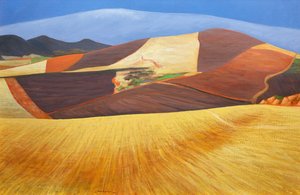
erik frederik bester howard laubscher
1927 - 2013 , South Africa
Kratke činjenice
- Artistic Movement Or Style:
- Figurative painting
- New Realism
- Pop Art
- Artists Or Movements Influenced By This Artist:
- Pop Art
- Minimalism
- Artists Who Influenced This Artist:
- Jacques Lipchitz
- Stuart Davis
- Date Of Birth: July 24, 1927
- Date Of Death: 2013
- Full Name: Alex Katz
- Nationality: American
- Notable Artworks:
- The Woman with White Hat
- Man in a Bow Tie
- Couple on the Beach
- Place Of Birth: Brooklyn, New York