

 Pregledaj u prostoru
 Pošalji
 Podeli
 Detalji o delu

 Преузми
 Slični predmeti
 Rendgenski snimak
 Slajdovi
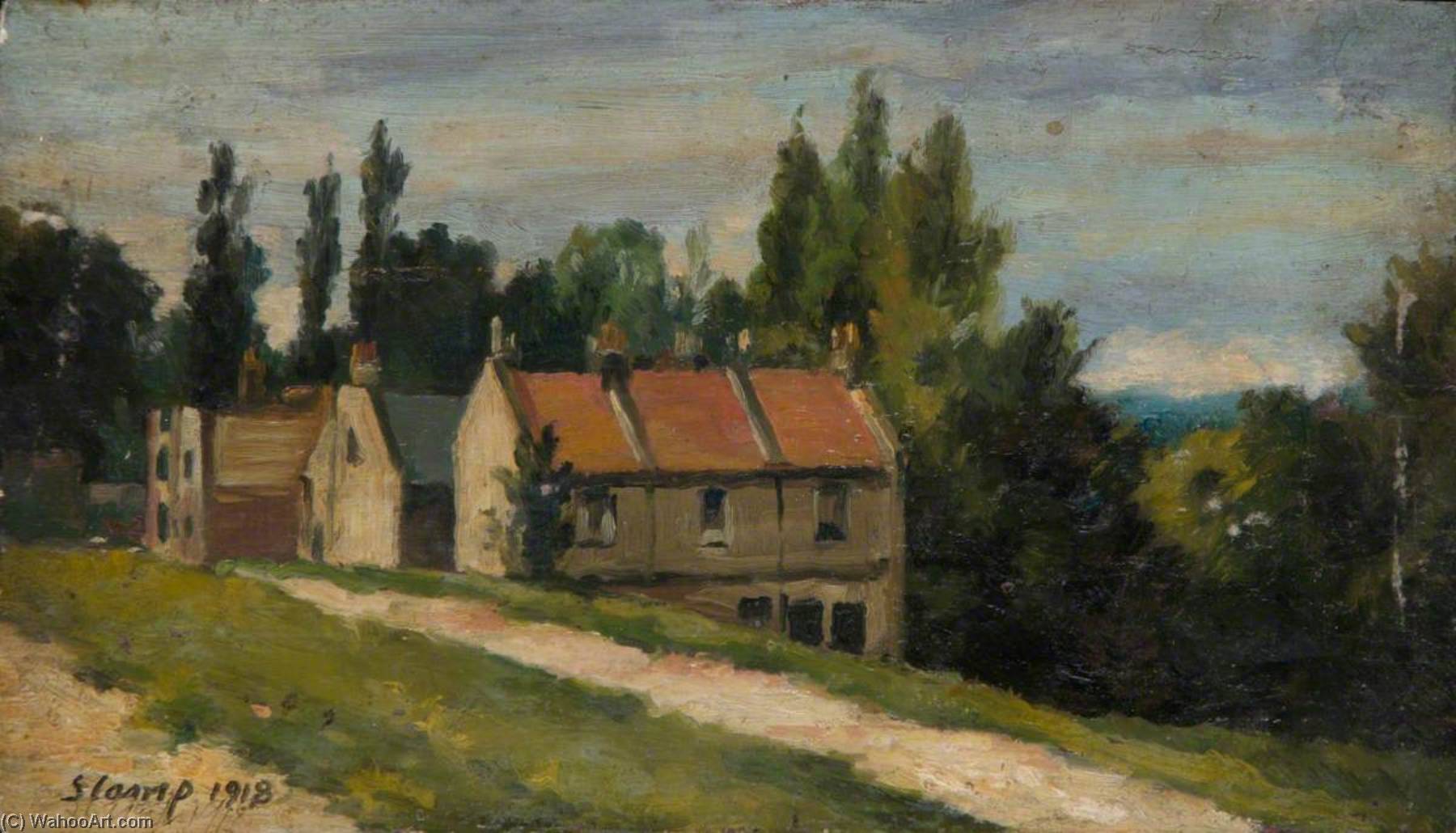
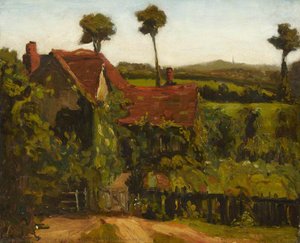
Cottages near the 'Bull and Bush', July
 Impressionism
 1918
1918 14.0 x 24.0 cm
 Camden Local Studies And Archives Centre
 Pročitaj više
Ručno rađena uljana reprodukcija
Ručno oslikano uljanim bojama na platnu u dimenzijama i okviru po vašem izboru, izrađeno po porudžbini od strane naših umetnika. ( Kupi print Kupi digitalnu sliku)




































Izaberite jednu od naših unapred definisanih veličina koje odgovaraju originalnim proporcijama umetničkog dela.

Можете унети сопствене димензије како бисте прилагодили дело одређеном оквиру или простору. Ако одабрана величина не одговара пропорцијама оригинала, слика ће бити исечена или проширена додатним елементима који се ручно насликавају. Дигитални prikaz ће вам бити послат на одобрење пре почетка производње.
Имајте на уму да преглед на екрану не одражава стварно исецање или проширење. Само приказ (mockup) ће тачно приказати коначну композицију.
Иако су доступне прилагођене величине, препоручујемо да одаберете димензију из дефинисане листе како бисте сачували оригиналне пропорције.
Nakon narudžbine, tim ArtsDot.com će klijentu putem e-pošte poslati uputstva i dostaviti prikaz predloženog rešenja
Isporuka širom sveta () za 3/4 nedelje umesto uobičajenih 5 nedelja. (27 август). Bez kompromisa po pitanju kvaliteta.

Besplatna ekspresna dostava širom sveta

Visokokvalitetno laneno platno

Kompletno osiguranje transporta

Garancija povraćaja carine i uvoznih dažbina

Garancija vernosti boja

Politika povrata u roku od 60 dana (samo u slučaju nedostataka)

Garancija povrata novca od 100%

Popust pri grupnoj kupovini
 Opcija sa staklom dostupna je samo za dimenzije manje od 110 cm

Cottages near the 'Bull and Bush', July
Tehnika reprodukcije
Dimenzije reprodukcije
-


Konačna cena
$ 263
Opis umetničkog dela
The Composition and Style
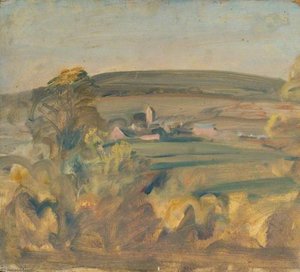
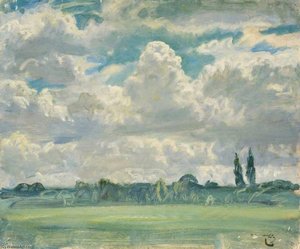
The composition of the painting is well-balanced, with the houses and cottage placed in a way that creates visual interest and harmony. The use of color is also noteworthy, with the red brick houses giving them a charming appearance. The sky above the village appears cloudy, adding an atmospheric touch to the painting. The overall style of the painting is reminiscent of other works by Ernest Stamp, such as Viaduct Pond, Looking West, Hampstead, July and West Heath, July, which can be found on /art/list/?Filter=AQUEM6-Ernest-Stamp-Viaduct-Pond-Looking-West-Hampstead-July and /art/list/?Filter=AQUEM8-Ernest-Stamp-West-Heath-July.- The painting is a great example of British art and culture, which has been influenced by the country's history and interaction with other cultures.
- The Culture of the United Kingdom is a rich and diverse one, with contributions to literature, music, cinema, art, architecture, and television, as can be seen on https://en.wikipedia.org/wiki/Culture_of_the_United_Kingdom.
- The painting is also a representation of the British landscape, which has been depicted in many works of art throughout history, including those by famous artists such as Eugène Delacroix, who painted Christ on the Cross, which can be found on /art/list/?Filter=christ+on+the+cross,christ,cross.
The Cottages near the 'Bull and Bush', July is a beautiful oil painting that showcases the talent of Ernest Stamp and the beauty of the British landscape. It is a must-see for anyone interested in art and history, and can be found on /en/art/show/art-aquem4-en/.
Srodna umetnička dela
Biografija umetnika
A Life Etched in Light: The Serene World of Ernest Stamp
Ernest Stamp, born in Sowerby, Yorkshire in 1869 and passing away in Shoreham-by-Sea in 1942, was a British artist whose work beautifully captured the essence of Victorian and Edwardian England. While not a household name today, his meticulous watercolors and particularly his masterful mezzotints offer a poignant glimpse into a world on the cusp of change—a world steeped in atmospheric detail and quiet beauty. Stamp’s artistic journey began with studies at Hubert von Herkomer's renowned art school at Bushey around 1890-92, an environment that fostered both technical skill and a deep appreciation for landscape painting. This early training laid the foundation for his lifelong dedication to depicting scenes of rural England and the burgeoning urban landscapes of London. He exhibited regularly at prestigious venues like the Royal Academy, Manchester Academy of Fine Arts, and Walker Art Gallery in Liverpool, establishing himself as a respected artist within the British art community.The Allure of Reproduction: Mezzotints and Artistic Skill
Stamp’s reputation largely rests on his exceptional skill as a mezzotinter—a demanding printmaking technique that allowed him to recreate the delicate nuances of paintings with remarkable fidelity. He specialized in reproducing works by celebrated masters such as Gainsborough, Reynolds, Raeburn, and Lawrence, bringing their artistry to a wider audience through finely crafted prints. However, Stamp was not merely a copyist; he infused his reproductions with his own artistic sensibility, subtly enhancing the tonal qualities and atmospheric depth of the originals. This ability to interpret and elevate existing works demonstrated a profound understanding of light, shadow, and composition. Beyond reproduction, Stamp also created original mezzotints based on his own watercolor paintings, showcasing scenes from Hampstead and Cookham, which reveal his unique vision as an artist. His address history—from Prospect Studio in Bushey to 44 Willoughby Road in Hampstead—reflects a life deeply connected to artistic communities and the landscapes that inspired him.Hampstead Landscapes and Victorian Sensibility
Stamp’s paintings often depict serene landscapes, particularly those around Hampstead, London. These works are characterized by their delicate watercolor washes, soft palettes, and meticulous attention to detail. He captured the quiet beauty of the English countryside—rolling hills, winding roads, and picturesque villages bathed in gentle light. His scenes evoke a sense of tranquility and nostalgia, reflecting the Victorian sensibility that valued harmony, order, and natural beauty. A prime example is “A Rainy Day, Cookham” (1894), originally based on a watercolor by Frederick Walker, which Stamp masterfully transformed into an evocative etching. The print beautifully conveys the misty dampness and muted tonality of the subject, capturing the feeling of a quiet afternoon in the Berkshire village. This work exemplifies his ability to manipulate his medium to create a powerful atmospheric effect.Recognition and Legacy
Elected as an Associate of the Royal Etching Society (ARE) in 1894, Stamp’s artistic achievements were formally acknowledged by his peers. His works are now held in esteemed collections such as the Fitzwilliam Museum, Cambridge; Ashmolean Museum, Oxford; Museum of London; Victoria and Albert Museum; and Worthing Art Gallery—testaments to their enduring quality and historical significance. While he may not be a widely celebrated figure, Stamp’s contribution to British art lies in his exceptional technical skill, his ability to capture the beauty of Victorian England, and his dedication to preserving the legacy of earlier masters through his meticulous reproductions. His work offers a valuable window into a bygone era—a time when artistry was valued for its precision, detail, and emotional resonance.A Quiet Enduring Presence
Ernest Stamp’s life, though relatively undocumented in broad biographical terms, speaks volumes through his art. He settled in Worthing later in life, passing away there in 1942, leaving behind a body of work that continues to captivate viewers with its serene beauty and technical brilliance. His prints and paintings serve as a reminder of the enduring power of observation, the importance of artistic skill, and the quiet charm of Victorian England. Stamp’s legacy is not one of grand innovation but rather of refined execution and heartfelt representation, qualities that continue to resonate with art lovers today. He remains an important figure for those interested in the history of British printmaking and the aesthetic sensibilities of a transformative era. His work invites us to slow down, appreciate the subtle nuances of light and shadow, and find beauty in the everyday moments of life.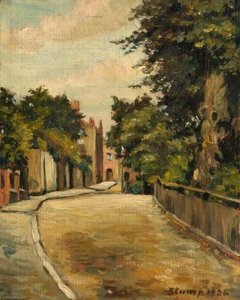
ernest stamp
1869 - 1942
Osnovne informacije
- Artistic Movement Or Style: Impressionism
- Artists Or Movements Influenced By This Artist: ['Arts & Crafts Movement']
- Artists Who Influenced This Artist: ['William Morris']
- Date Of Birth: 1869
- Date Of Death: 1942
- Full Name: Ernest Stamp
- Nationality: British
- Notable Artworks:
- Perrin’s Court,
- Cottages near the ‘Bull and Bush’, July
- Place Of Birth: London, England
Povezani članci

25 Remek-dela Džona Konstebla: Lepota Engleske na Platnu | ArtsDot
Uronite u svet Džona Konstebla! Otkrijte 25 remek-dela engleskog pejzaža, romantizma i seoske idile. Kupite reprodukcije slika vrhunskog kvaliteta za dekoraciju enterijera na ArtsDot.com.
Impressionistic Landscapes: 10 Masterpieces That Changed Art & Decor
Journey into the heart of Impressionism! Explore 10 masterpieces by Monet, Renoir & Degas that revolutionized landscape art. Discover their stories, techniques & find museum-quality reproductions to elevate your home decor on ArtsDot.com.

Impresionistički pejzaži: 10 remek-dela koja su definisala umetnički pokret
Otkrijte 10 remek-dela impresionizma koja su zauvek obeležila pejzažnu umetnost! Monet, Renoar i Degas – istražite priče iza svake slike. Inspiracija za dekoraciju enterijera i vrhunske reprodukcije na ArtsDot.com. Istražite kolekciju online!
Cultivating Visions: A Historical Journey Through Rural Landscapes in Art
Explore the rich history of rural landscape painting with ArtsDot. Discover Impressionist masterpieces, key artists & movements. Find your perfect serene artwork and bring nature's beauty home.

Sir Alfred Munnings' Masterpieces: 25 Paintings That Define Equine Art | ArtsDot
Explore 25 iconic Sir Alfred Munnings paintings! Discover the beauty of British Impressionism, equine art & rural England. Find museum-quality reproductions and elevate your home decor with ArtsDot. Explore the full collection online.

