

 Pošalji
 Podeli
 Detalji o delu

 Преузми
 Slični predmeti
 Slajdovi
Erwin Wurm: The Body As The House


 Pročitaj više
Ručno rađena uljana reprodukcija
Ručno oslikano uljanim bojama na platnu u dimenzijama i okviru po vašem izboru, izrađeno po porudžbini od strane naših umetnika. ( Kupi print Kupi digitalnu sliku)




































Izaberite jednu od naših unapred definisanih veličina koje odgovaraju originalnim proporcijama umetničkog dela.

Можете унети сопствене димензије како бисте прилагодили дело одређеном оквиру или простору. Ако одабрана величина не одговара пропорцијама оригинала, слика ће бити исечена или проширена додатним елементима који се ручно насликавају. Дигитални prikaz ће вам бити послат на одобрење пре почетка производње.
Имајте на уму да преглед на екрану не одражава стварно исецање или проширење. Само приказ (mockup) ће тачно приказати коначну композицију.
Иако су доступне прилагођене величине, препоручујемо да одаберете димензију из дефинисане листе како бисте сачували оригиналне пропорције.
Nakon narudžbine, tim ArtsDot.com će klijentu putem e-pošte poslati uputstva i dostaviti prikaz predloženog rešenja
Isporuka širom sveta () za 3/4 nedelje umesto uobičajenih 5 nedelja. (1 септембар). Bez kompromisa po pitanju kvaliteta.

Besplatna ekspresna dostava širom sveta

Visokokvalitetno laneno platno

Kompletno osiguranje transporta

Garancija povraćaja carine i uvoznih dažbina

Garancija vernosti boja

Politika povrata u roku od 60 dana (samo u slučaju nedostataka)

Garancija povrata novca od 100%

Popust pri grupnoj kupovini
 Opcija sa staklom dostupna je samo za dimenzije manje od 110 cm

Erwin Wurm: The Body As The House
Tehnika reprodukcije
Dimenzije reprodukcije
-


Konačna cena
$ 263
The Architecture of Existence: Unveiling Erwin Wurm’s Vision
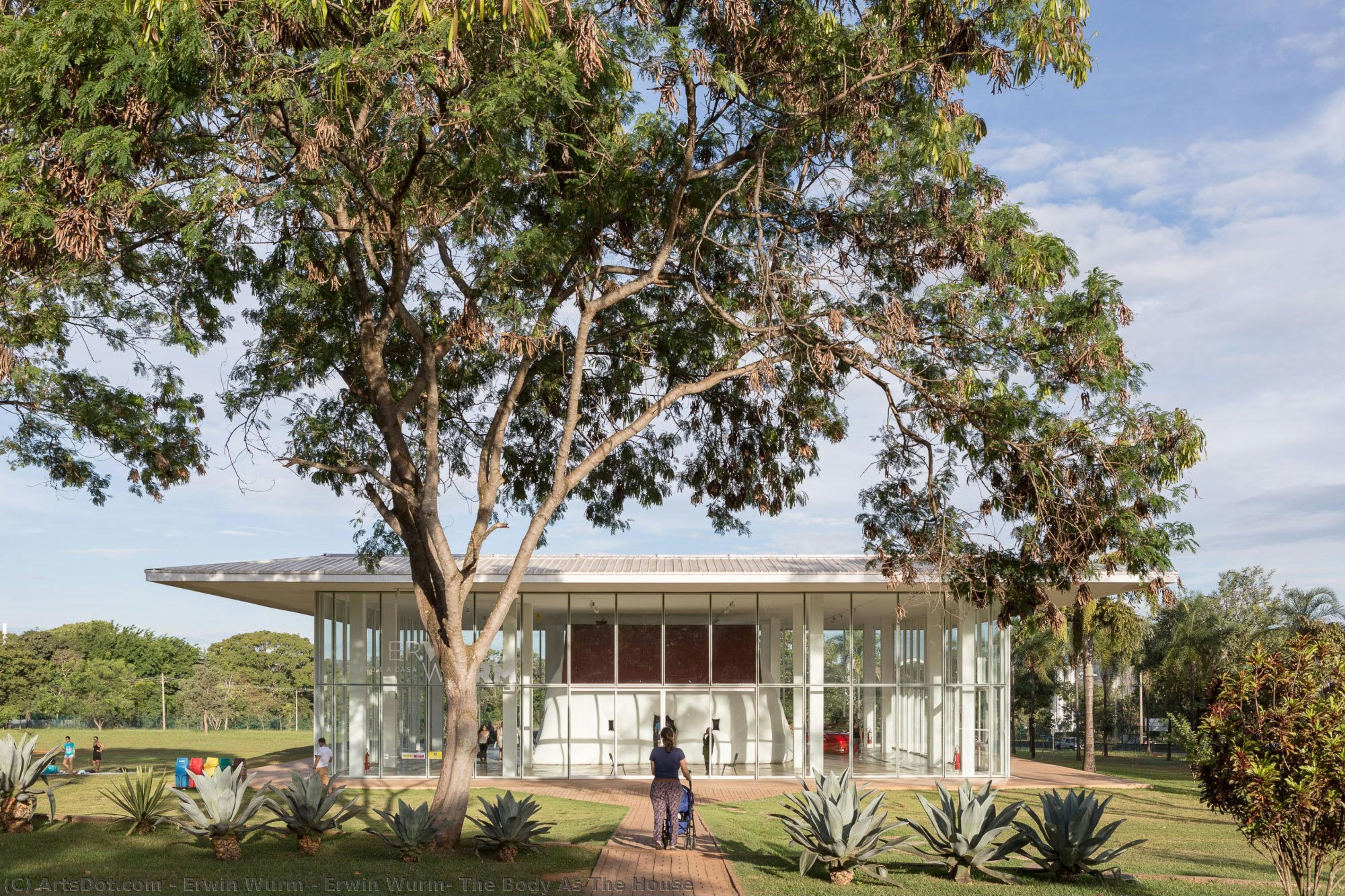
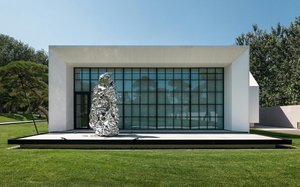
In the surreal landscape of contemporary installation art, few works command attention with as much profound curiosity as Erwin Wurm’s "The Body As The House." Created in 2003, this evocative piece serves as a breathtaking intersection between human biology and architectural form. At first glance, the viewer is met with the sight of a massive, white structure—a building that appears to possess the windows and facades of a traditional museum or estate. However, upon closer inspection, the very fabric of this edifice reveals itself to be composed of the human form. It is an extraordinary feat of conceptual imagination that blurs the boundary between the inhabitant and the habitat, challenging our fundamental understanding of where the self ends and the world begins.
Wurm, a master of the absurd and the satirical, utilizes this installation to provoke a deep, visceral reaction. The image captures a scene of quiet movement; visitors wander through the periphery of this fleshy monument, their smallness emphasizing the monumental scale of the "body-house." This juxtaposition creates a sense of wonder and slight disorientation, pulling the observer into a dreamlike state where the familiar becomes alien. For the collector or the enthusiast of avant-garde art, this work represents more than just a visual spectacle; it is an invitation to contemplate the fragility and the structural complexity of our own existence.
Symbolism and the Critique of Modernity
To understand the depth of Wurm’s creation, one must delve into his philosophical roots. Born in Austria, Wurm has long been fascinated by the psychological and political dimensions of the human entity. In "The Body As The House," the symbolism is layered and rich. By transforming the body into a dwelling, Wurm suggests that our identities are not merely contained within our skin, but are built through the structures we inhabit and the societies we construct. There is an inherent vulnerability in seeing the human form used as a literal building material, hinting at how modern life can consume and reshape the individual to fit the rigid frameworks of urbanity and consumerism.
The piece functions as a critique of Western lifestyle and the post-war mentality, using Dada-inspired humor to mask a deeper, more poignant inquiry. The white, pristine nature of the building evokes a sense of clinical perfection, yet the organic reality of its composition provides a startling contrast. This tension between the sterile architectural aesthetic and the raw human element creates an emotional resonance that lingers long after the initial viewing. It is a work that speaks to the soul, questioning whether we are the masters of our environments or merely the bricks and mortar used to build them.
A Masterpiece for the Discerning Collector
For interior designers and art connoisseurs seeking to infuse a space with intellectual depth and conversational power, a high-quality reproduction of this work offers an unparalleled opportunity. The visual impact of Wurm’s concept—the striking white palette, the intricate textures of the human forms, and the grand scale of the composition—makes it a centerpiece capable of transforming any sophisticated gallery or modern living space. It brings an element of the surreal into the domestic sphere, acting as a window into a world where the boundaries of reality are delightfully dissolved.
Owning a piece inspired by "The Body As The House" is an investment in a conversation. It is a work that demands engagement, prompting guests and viewers to pause, reflect, and interpret. Whether placed in a minimalist contemporary setting or a more eclectic, curated collection, this artwork serves as a testament to the power of conceptual art to challenge, delight, and ultimately expand our perception of what it means to be alive.
Srodna umetnička dela


Biografija umetnika
Erwin Wurm: Biografija
- Rođen: Braunau am Inn, Austrija (1954)
- Trenutni status: Živ
Rano detinjstvo i umetnička filozofija
Erwin Wurm je rođen 1954. godine u gradu Bruck an der Mur, u Austriji. Njegovo odrastanje bilo je pod značajnim uticajem oca, detektiva koji je nije podržavao umetničke težnje. Uprkos tom ranoj suprotnosti, Wurm je još od malih nogu razvio izuzetno snažno interesovanje za umetnost. Njegova filozofija, kako je artikulisana u delu „Umetnik koji je progutao svet“, fokusira se na posmatranje i korišćenje svakodnevnog života i materijala. On ističe da ga zanima „celokupno biće ljudskog bića: fizičko, duhovno, psihološko i političko“. Ova perspektiva oblikuje njegov duhovit, ali kritički pristup formalizmu, neprestano izazivajući konvencionalne umetničke granice.
Umetnički stil i teme
Wurmova dela često kritikuju zapadno društvo, njegov mentalitet i način života koji je prevladao u Austriji nakon Drugog svetskog rata. Iako su njegove skulpture često okarakterisane humorom i apsurdnošću, one poseduju duboku ozbiljnost. Koristeći satiru i sarkazam, on razotkriva društvene istine i istražuje složenost ljudskog postojanja. Njegovi radovi su poznati po upotrebi svakodnevnih predmeta i materijala, koje transformiše u instalacije i skulpture koje podstiču na razmišljanje i preispituju percepcije umetnosti i stvarnosti.
Uticaji i razvoj
Umetnički razvoj Erwina Wurma oblikovao je širok spektar uticaja. Inspiraciju crpi iz dela umetnika kao što su Adriaen de Vries, Wenzel Jamnitzer i Johann Gregor van der Schardt. Njegova integracija običnih, svakodnevnih materijala odjekuje principima dadaističkog pokreta, koji je aktivno težio osporavanju tradicionalnih umetničkih normi i društvenih konvencija. Ovaj uticaj je očigledan u njegovoj razigranoj subverziji očekivanja i spremnosti da prihvati nekonvencionalne forme i medije.
Značajna dela i istorijski značaj
Wurmova dela mogu se pronaći u prestižnim institucijama kao što su Museum Galerie Würthle u Beču, Austrija, i Lehmbruck Museum u Duisburgu, Nemačka. Njegova serija „Telo kao kuća“ (The Body As The House) je posebno vredna pažnje, jer pokazuje njegovu sposobnost da spoji nameštaj i ljudski oblik u nadrealne i kontemplativne instalacije. Doprinos Erwina Wurma savremenoj umetnosti leži u njegovom jedinstvenom pristupu skulpturi, gde briše granice između objekta i performansa, koristeći humor kao alat za društvenu komentarisanje. Njegov rad se nastavlja izlagati širom sveta, učvršćujući njegov položaj značajne figure na savremenoj umetničkoj sceni.
- Museum Galerie Würthle: Prikazuje Wurmove radove zajedno sa drugim istaknutim umetnicima.
- Lehmbruck Museum: Izlaže Wurmove skulpture unutar svoje kolekcije moderne i savremene umetnosti.
- ALBERTINA KLOSTERNEUBURG: Muzej blizu Beča koji prikazuje umetnost nakon 1945. godine, uključujući dela Erwina Wurma i Franza Westa.
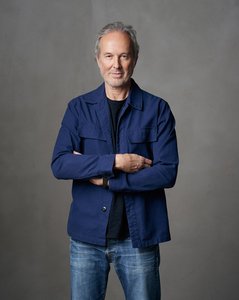
Ervin Vurm
1954 - , Austrija
Osnovne informacije
- Artistic Movement Or Style: Dadaistički pokret
- Artists Who Influenced This Artist:
- Adriaen de Vries
- Wenzel Jamnitzer
- Johann Gregor van der Schardt
- Date Of Birth: 1954
- Full Name: Erwin Wurm
- Nationality: Austrijski
- Notable Artworks: ['Telo kao kuća']
- Place Of Birth (City And Country): Braunau am Inn, Austrija
Povezani članci

White on Canvas: 10 Masterpieces & Timeless Elegance for Your Home Decor
Explore 10 iconic white paintings by Monet, Whistler & Rothko! Discover the stories behind these serene masterpieces and their impact on art history. Find museum-quality reproductions for your home decor at .

Bronze Sculptures That Defined Art History | ArtsDot
Journey through art history with our Top 10 bronze sculptures! Explore masterpieces by Rodin, Michelangelo & more. Discover stories behind iconic statues and find museum-quality reproductions for your home decor at ArtsDot.com.

The Enduring Form: Exploring Themes & Techniques in Sculpture Across Historical Periods
Explore the rich history of sculpture from ancient masterpieces to contemporary innovations. Discover key techniques, influential artists & investment potential for discerning art collectors.

Bronze Age to Modern Masters: 10 Sculptures That Redefined Art | ArtsDot
Journey through art history with 10 legendary bronze sculptures – from Michelangelo's David to Rodin’s Thinker. Explore the stories, techniques & timeless beauty of these masterpieces. Find museum-quality reproductions & elevate your home decor on ArtsDot.com.

The Enduring Form: Sculpture Across History, Technique & Emotional Resonance
Explore the rich history of sculpture with ArtsDot. Discover key techniques, influential artists & investment potential for discerning collectors. Expert insights into valuing and collecting timeless masterpieces.

