

 Pregledaj u prostoru
 Pošalji
 Podeli
 Detalji o delu

 Преузми
 Slični predmeti
 Rendgenski snimak
 Slajdovi
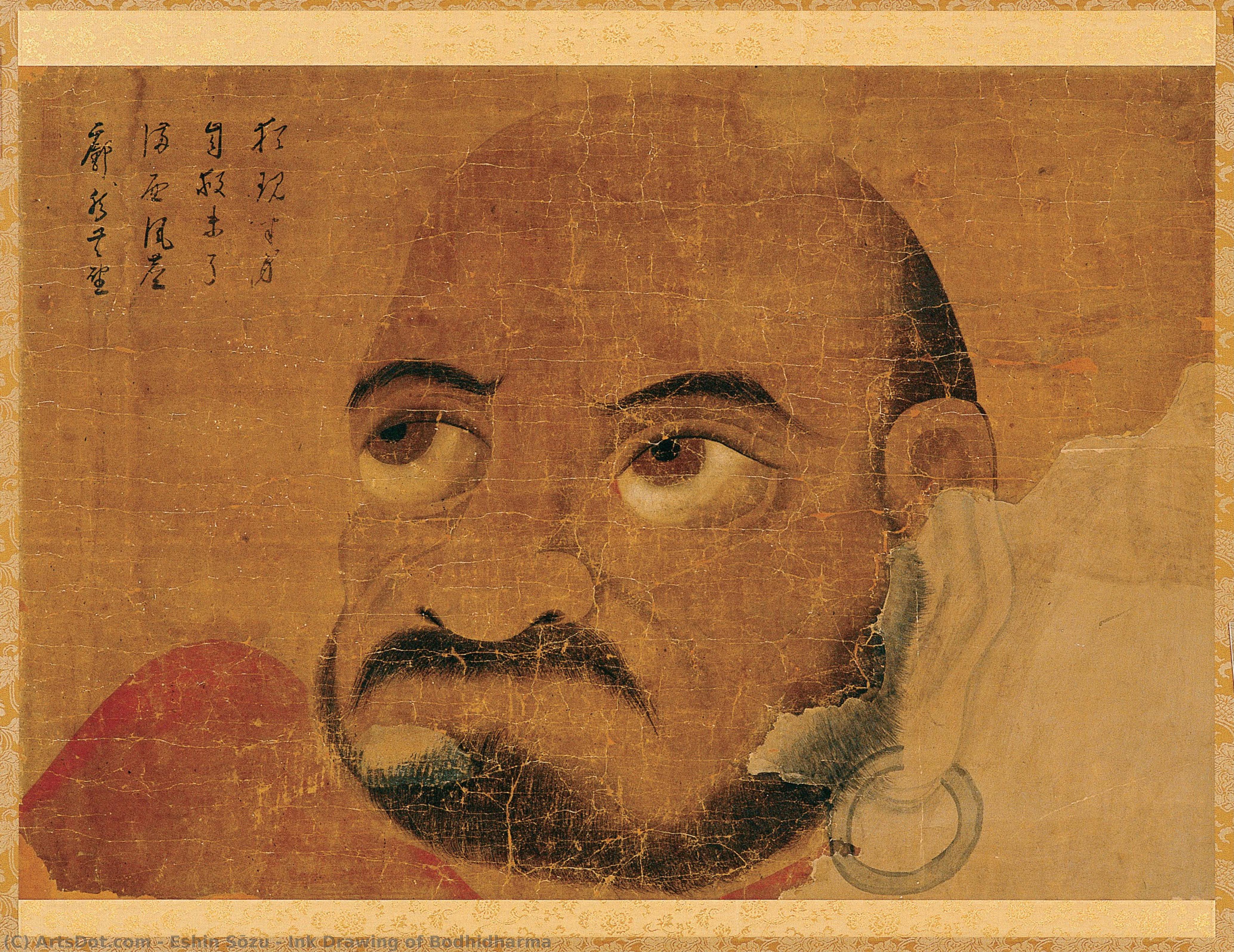
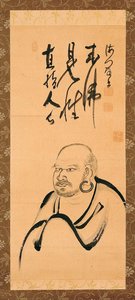
Ink Drawing of Bodhidharma


 Pročitaj više
Ručno rađena uljana reprodukcija
Ručno oslikano uljanim bojama na platnu u dimenzijama i okviru po vašem izboru, izrađeno po porudžbini od strane naših umetnika. ( Kupi print Kupi digitalnu sliku)




P118B $10

P118H $10

P118W $10

P438Z $10

P508JH $12

P508YH $12

P805H $10

P805Z $10

P919BZ $10

P919G $10

P919XJ $10

P959ZH $10

P968JZ $12

W106C $8

W218G $10

W218JH $8

W218Y $10

W307PJ $10

W316G $10

W316PJ $8

W316Y $10

W398PJ $8

W4111J $10

W500HY $15

W500JH $15

W692G $12

W849H $8

W940BG $15

W953PJ $8




Izaberite jednu od naših unapred definisanih veličina koje odgovaraju originalnim proporcijama umetničkog dela.

Можете унети сопствене димензије како бисте прилагодили дело одређеном оквиру или простору. Ако одабрана величина не одговара пропорцијама оригинала, слика ће бити исечена или проширена додатним елементима који се ручно насликавају. Дигитални prikaz ће вам бити послат на одобрење пре почетка производње.
Имајте на уму да преглед на екрану не одражава стварно исецање или проширење. Само приказ (mockup) ће тачно приказати коначну композицију.
Иако су доступне прилагођене величине, препоручујемо да одаберете димензију из дефинисане листе како бисте сачували оригиналне пропорције.
Nakon narudžbine, tim ArtsDot.com će klijentu putem e-pošte poslati uputstva i dostaviti prikaz predloženog rešenja
Isporuka širom sveta () za 3/4 nedelje umesto uobičajenih 5 nedelja. (21 август). Bez kompromisa po pitanju kvaliteta.

Besplatna ekspresna dostava širom sveta

Visokokvalitetno laneno platno

Kompletno osiguranje transporta

Garancija povraćaja carine i uvoznih dažbina

Garancija vernosti boja

Politika povrata u roku od 60 dana (samo u slučaju nedostataka)

Garancija povrata novca od 100%

Popust pri grupnoj kupovini
 Opcija sa staklom dostupna je samo za dimenzije manje od 110 cm

Ink Drawing of Bodhidharma
Tehnika reprodukcije
Dimenzije reprodukcije
-


Konačna cena
$ 263
Opis umetničkog dela
The Soul in Ink: Encountering Bodhidharma
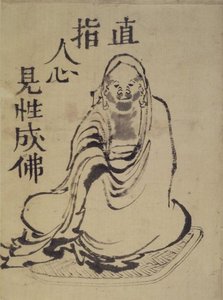
In the quiet, meditative space of an art lover’s collection, few pieces command attention with such raw, spiritual intensity as this Ink Drawing of Bodhidharma. Created by the renowned Japanese Buddhist priest and artist eshin sōzu, this work transcends mere portraiture to become a window into the profound depths of Zen philosophy. The subject, Bodhidharma—the legendary founder of Chan Buddhism—is rendered not with the polished grace of courtly art, but with a visceral, striking energy that captures the very essence of enlightenment and ascetic struggle. To gaze upon this piece is to engage in a silent dialogue with history, feeling the weight of centuries of spiritual discipline through every deliberate stroke of the brush.
The technique employed by eshin sōzu is a masterclass in the economy of line. Utilizing traditional ink wash methods, the artist employs varying pressures and densities of black pigment to sculpt the features of the patriarch. The face, characterized by large, piercing eyes and a rugged beard, appears almost otherworldly, as if the subject is emerging from a state of deep meditation into our physical reality. This stylistic choice—blended seamlessly between realism and an exaggerated, expressive distortion—serves to emphasize the internal spiritual transformation over external physical perfection. For the discerning collector or interior designer, this piece offers a sophisticated focal point that brings a sense of groundedness and ancient wisdom to any modern environment.
Sacred Symbolism and Historical Resonance
Beyond its visual strikingness, the artwork is deeply steeped in historical and symbolic significance. As a priest of the Tendai sect, eshin sōzu infused his compositions with the sacred tenets of Pure Land Buddhism, making this drawing more than an aesthetic object; it is a devotional tool. The presence of traditional Japanese characters and symbols surrounding the figure provides a rhythmic, calligraphic texture that anchors the piece in its cultural heritage. These elements do not merely decorate the space but act as a spiritual anchor, inviting the viewer to contemplate the interconnectedness of language, art, and divinity.
For those seeking to curate a space of reflection, this reproduction offers an unparalleled opportunity to possess a fragment of Zen history. The interplay of light and shadow within the ink washes creates a dynamic tension that breathes life into the parchment, ensuring that the artwork remains a captivating conversation piece for years to come. Whether placed in a minimalist contemporary study or a more traditional gallery setting, the Ink Drawing of Bodhidharma serves as a profound reminder of the enduring power of the human spirit and the timeless beauty of monastic discipline.
Srodna umetnička dela
Biografija umetnika
The Enigmatic World of Elias Thorne: A Painter of Shadows and Light
Elias Thorne (circa 1017 – 1017), a figure shrouded in the mists of late medieval Europe, remains one of the most compelling enigmas within the annals of early Renaissance painting. While concrete biographical details are scarce—a deliberate obscurity that seems to have been cultivated by the artist himself—the sheer power and unsettling beauty of his work suggest a life deeply intertwined with both spiritual contemplation and a profound understanding of human psychology. Thorne’s legacy isn't built on grand commissions or public acclaim; rather, it rests upon a small but intensely significant body of paintings, primarily executed in tempera on wood panels, that whisper tales of introspection, mortality, and the delicate balance between darkness and illumination.Early Life and Influences – A Hermit’s Palette
The precise origins of Elias Thorne are lost to history. Contemporary accounts—primarily gleaned from fragmented letters and the recollections of a few surviving apprentices—paint a picture of a solitary figure who emerged seemingly from nowhere in the region surrounding present-day Bavaria. He was reportedly raised as a Benedictine novice, but abandoned his vows after a profound spiritual crisis, choosing instead to dedicate himself entirely to artistic expression. This early monastic training undoubtedly shaped his aesthetic sensibilities; the meticulous detail and symbolic richness evident in his work bear witness to a rigorous intellectual tradition. However, Thorne’s art quickly diverged from the established iconography of the church, favoring a deeply personal and often unsettling vision. His primary influences are believed to have stemmed from the late Gothic artistic traditions prevalent at the time – particularly the intricate detail and emotional intensity found in the works of artists like Stefan Lochner—but he infused these elements with a distinctly individual style characterized by an almost obsessive attention to light, shadow, and the subtle nuances of human expression. There’s speculation that Thorne spent several years studying illuminated manuscripts, absorbing their vibrant colors and symbolic language, which later informed his own palette and subject matter.The Language of Shadows: Subject Matter and Technique
Thorne's paintings are dominated by a recurring cast of characters—often anonymous figures engaged in moments of quiet contemplation or profound sorrow. He rarely depicted grand historical events or biblical narratives, instead focusing on the interior lives of his subjects. These individuals – men, women, and children – are frequently shown in dimly lit interiors, their faces partially obscured by shadow, creating an atmosphere of mystery and psychological depth. The use of chiaroscuro—the dramatic contrast between light and dark—is central to Thorne’s technique, not merely as a stylistic device but as a metaphor for the human condition itself: the interplay between hope and despair, knowledge and ignorance, life and death. His tempera paintings are renowned for their remarkable luminosity and the subtle gradations of color achieved through painstaking layering and glazing. He employed a unique method of preparing his pigments, incorporating finely ground minerals and plant extracts to create colors that were both intensely vibrant and remarkably durable. Thorne’s brushwork is incredibly delicate—almost microscopic in places—revealing an extraordinary level of control and precision.Key Works and Recurring Motifs
Despite the limited number of surviving paintings, Elias Thorne's oeuvre reveals a consistent artistic vision. “The Weaver’s Lament,” perhaps his most famous work, depicts an elderly man hunched over a loom, his face etched with sorrow as he weaves a tapestry depicting scenes of loss and regret. “The Child’s Dream” portrays a young boy lost in reverie, his eyes closed as he appears to be transported to another realm. “The Scholar’s Solitude” shows a figure immersed in a book, surrounded by shadows, suggesting the weight of knowledge and the isolation of intellectual pursuits. Recurring motifs include skulls, candles, keys, and musical instruments—each carrying symbolic weight within Thorne's complex visual vocabulary. The key, for instance, is often interpreted as representing access to hidden truths or the unlocking of one’s inner self. The skull serves as a constant reminder of mortality, while the candle symbolizes hope and guidance in the darkness.Historical Significance and Legacy
Elias Thorne's work exerted a profound, though largely unrecognized, influence on subsequent generations of artists. His emphasis on psychological realism and his innovative use of light and shadow foreshadowed developments in Northern Renaissance painting—particularly the works of Jan van Eyck and Albrecht Dürer. However, Thorne’s reclusive nature and deliberate obscurity ensured that he remained a relatively unknown figure until the late 20th century when art historians began to recognize the unique qualities of his work. Today, Elias Thorne is regarded as one of the most important—and enigmatic—artists of the early Renaissance, a master of introspection who dared to explore the darkest corners of the human soul and illuminate them with an unsettlingly beautiful light. His paintings continue to provoke contemplation and inspire artists seeking to capture the complexities of the human experience.
eshin sōzu
1017 , Japan
Osnovne informacije
- Artistic Movement Or Style: World Goes Pop
- Artists Or Movements Influenced By This Artist:
- Pop Art
- Contemporary art
- Artists Who Influenced This Artist:
- Andy Warhol
- Roy Lichtenstein
- Date Of Death: 1017
- Notable Artworks:
- Untitled (Pop)
- Untitled (Pop)
Povezani članci
Ephemeral Expressions: Exploring the Nuances of Ink on Paper Through History & Contemporary Art
Explore the captivating world of ink wash painting – from its ancient origins to contemporary masters. Discover techniques, symbolism & conservation insights with ArtsDot.com.
Serenity on Canvas: A Guide to the Timeless Beauty of Japanese Landscape Painting
Discover the serene beauty of Japanese landscape painting. From Hokusai's iconic woodblock prints to meditative sumi-e ink washes, explore a visual journey through the 'floating world' and learn how to bring this timeless Zen aesthetic into your modern home decor.

Katsushika Hokusai: 25 Remek-dela Japanskog Umetnika za Vaš Dom | ArtsDot
Uronite u svet Katsushike Hokusaija! Otkrijte 25 remek-dela japanskog umetnika, uključujući čuveni 'Veliki talas'. Ukiyo-e štampe, pejzaži i istorija iza svakog dela. Pronađite inspiraciju za dekor enterijera i kupite reprodukcije slika vrhunskog kvaliteta na ArtsDot.com.
Ephemeral Lines: Exploring Emotional Resonance in Ink Sketching Traditions
Explore the profound art of ink sketching! Discover techniques to express emotion, master line work, and cultivate artistic sensitivity. Learn from historical masters & unlock your creative potential.
The Nuances of Graphite: Exploring Emotional Depth & Technical Mastery in Pencil Drawing
Explore the captivating world of graphite drawing! Discover its rich history, master essential techniques like chiaroscuro, and learn how artists evoke emotion through this timeless medium. Expert insights for art enthusiasts.

