

 Pregledaj u prostoru
 Pošalji
 Podeli
 Detalji o delu

 Преузми
 Slični predmeti
 Rendgenski snimak
 Slajdovi
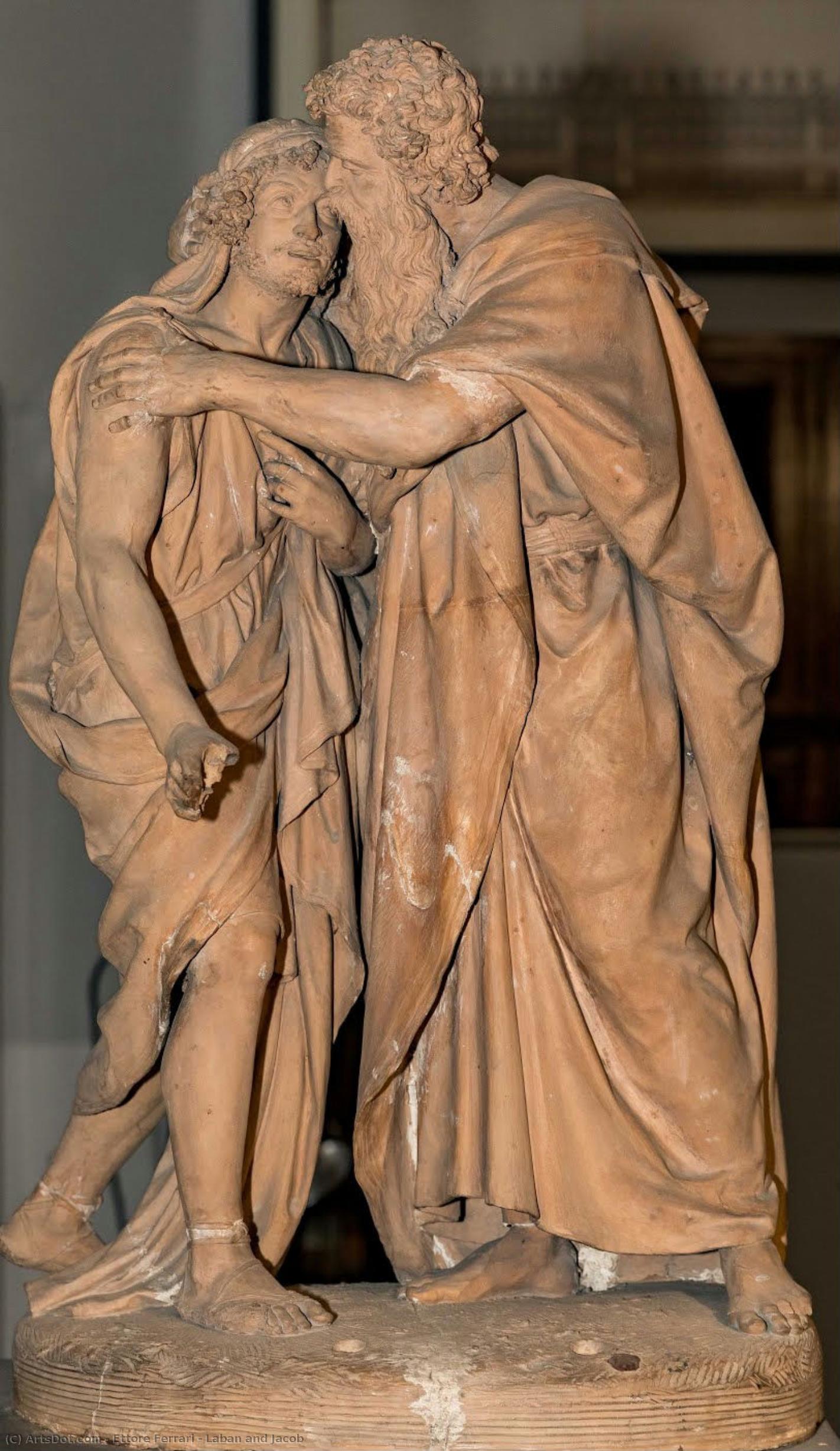
Laban and Jacob
 76.0 x 50.0 cm
 Accademia di San Luca
 Pročitaj više
Giclee štampa / Umetnički otisak
Giclée štampa ili print na platnu muzejskog kvaliteta uz brzu proizvodnju i fleksibilne opcije završne obrade. ( Kupi ručno naslikanu sliku Kupi digitalnu sliku)




































Izaberite jednu od naših unapred definisanih veličina koje odgovaraju originalnim proporcijama umetničkog dela.

Možete uneti sopstvene dimenzije kako biste umetničko delo prilagodili specifičnom okviru ili prostoru. Ako odabrani format ne odgovara proporcijama originalne slike, mi ćemo ili iscrtati deo dela ili proširiti sliku pomoću ogledane ivice ili jednobojnog popunjavanja. Digitalni prikaz će vam biti poslat na odobrenje pre početka proizvodnje.
Imajte na umu da pregled na ekranu ne odražava stvarno iscrtavanje ili proširivanje. Samo će prikaz (mockup) precizno pokazati finalnu kompoziciju.
Iako su prilagođene dimenzije dostupne, preporučujemo da odaberete dimenziju sa unapred definisane liste kako biste očuvali originalne proporcije.
Dostava širom sveta () za 2 nedelje umesto uobičajenih 4/5 nedelja. (6 септембар)

Besplatna ekspresna dostava širom sveta

Visokokvalitetno laneno platno

Kompletno osiguranje transporta

Garancija povraćaja carine i uvoznih dažbina

Garancija vernosti boja

Politika povrata u roku od 100 dana (samo u slučaju nedostataka)

Garancija povrata novca od 100%

Popust pri grupnoj kupovini
 Opcija sa staklom dostupna je samo za dimenzije manje od 110 cm

Laban and Jacob
Giclee štampa / Umetnički otisak
Dimenzije reprodukcije
-


Konačna cena
$ 62
Srodna umetnička dela










Biografija umetnika
Ettore Ferrari: A Sculptor of Italian Unification and Masonic Legacy
Ettore Ferrari (1845-1929) was a prominent Italian sculptor whose career spanned the late 19th and early 20th centuries. Born in Rome on March 25, 1845, to an artistic family—his father being a painter—Ferrari’s life and work were deeply intertwined with the political and cultural transformations of Italy during the Risorgimento (Italian unification) and beyond. He died in Rome on August 19, 1929.
Early Life, Education, and Artistic Rebirth
Ferrari's artistic journey began amidst a period of significant change for Italy. The Italian Unification fostered an environment ripe for cultural rebirth, and Ferrari became a key figure in this movement. He received his training at the Accademia di San Luca in Rome, a prestigious institution for artists. He later served as a professor at the same academy, contributing to the education of future generations of Italian sculptors. Beyond his artistic pursuits, Ferrari demonstrated a strong commitment to public service, acting as a deputy in the Italian Parliament.
Major Works and Artistic Achievements
Ferrari is best known for his monumental sculptures that embody the spirit of the Risorgimento and celebrate key figures in Italian history. Among his most significant achievements are:
- Victor Emmanuel II Monument: Ferrari collaborated with Pio Piacentini on the initial designs for this iconic monument in Rome, dedicated to Victor Emmanuel II, the first king of a unified Italy.
- Statue of Ovid: He created a statue of the Roman poet Ovid for Constanța, Romania (the ancient Tomis where Ovid was exiled), and later replicated it in Sulmona, Ovid's birthplace. This demonstrates his ability to connect with classical heritage while contributing to contemporary art.
- Statue of Giuseppe Garibaldi: A bronze statue of the celebrated general Giuseppe Garibaldi stands proudly in Pisa’s Piazza Garibaldi, a testament to Ferrari’s skill in capturing heroic figures.
- Monument to Giordano Bruno: The controversial monument dedicated to philosopher Giordano Bruno in Campo de' Fiori, Rome, showcases Ferrari’s willingness to engage with complex and challenging subjects.
Masonic Involvement and Broader Significance
Ferrari’s influence extended beyond the realm of sculpture. He was deeply involved in Freemasonry, becoming Grand Master of the Grande Oriente d'Italia, a major Masonic body in Italy. He held this position from 1904 to 1917 and previously served as Grand Secretary under Adriano Lemmi and Ernesto Nathan. His Masonic affiliations reflect his progressive political views and commitment to intellectual pursuits. This aspect of his life highlights the intersection of art, politics, and social reform during a pivotal period in Italian history.
Legacy and Influence
Ettore Ferrari’s legacy rests on his ability to create powerful and enduring sculptures that captured the essence of a nation undergoing profound change. His works are not only artistic achievements but also historical documents reflecting the values and aspirations of 19th-century Italy. He influenced subsequent generations of Italian sculptors, notably Ermenegildo Luppi, who studied under him at the Accademia di San Luca. Ferrari’s contributions to both art and public life solidify his place as a significant figure in Italian history.

Ettore Ferrari
1845 - 1929 , Italy
Osnovne informacije
- Artistic Movement Or Style: Neoclassical/Risorgimento
- Date Of Birth: March 25, 1845
- Date Of Death: August 19, 1929
- Full Name: Ettore Ferrari
- Nationality: Italian
- Notable Artworks:
- Victor Emmanuel II Monument
- Statue of Giuseppe Garibaldi
- Statue of Ovid
- Statue of Giordano Bruno
- Place Of Birth: Rome, Italy