

 Pošalji
 Podeli
 Detalji o delu

 Преузми
 Slični predmeti
 Slajdovi
 Stats
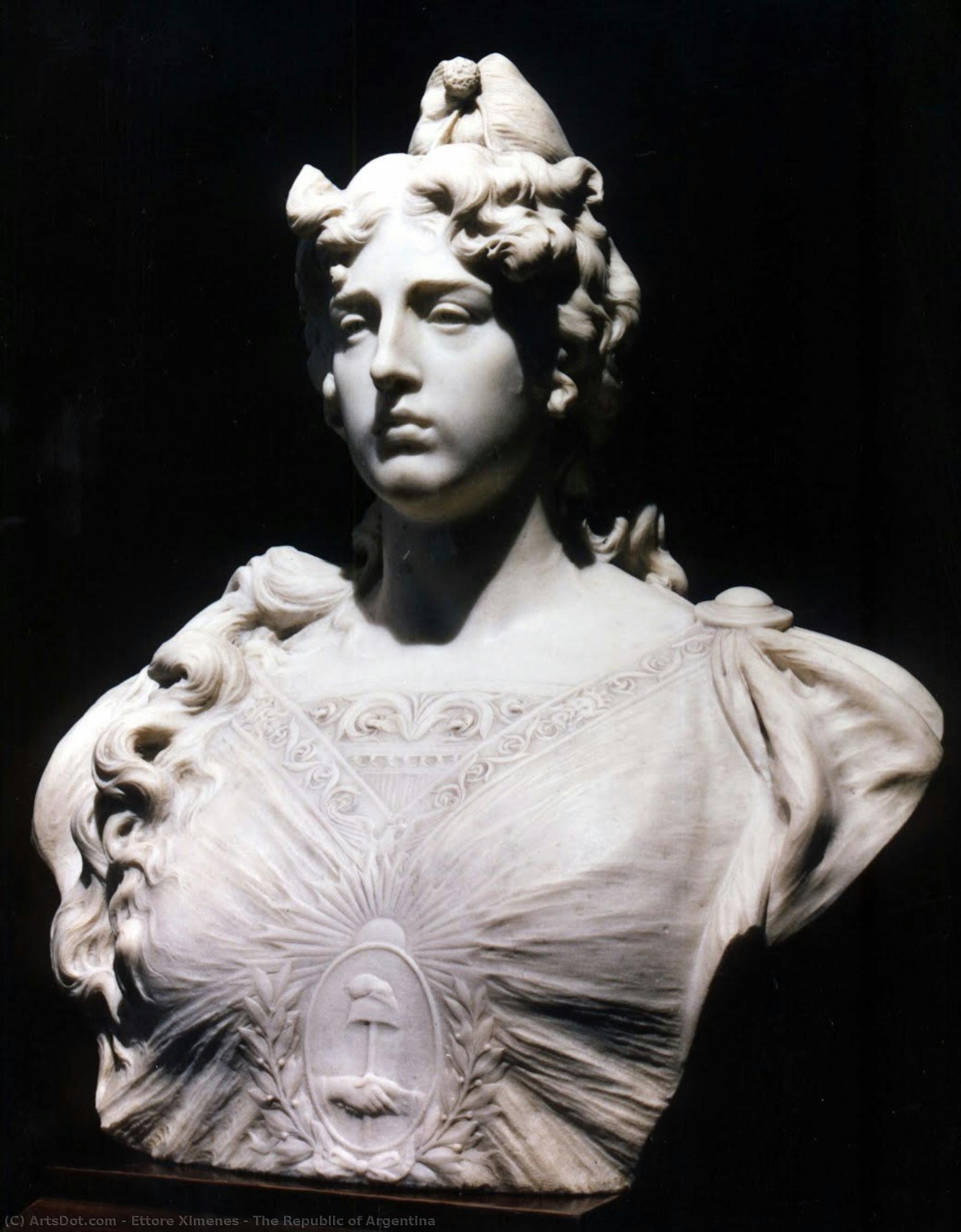
StatsThe Republic of Argentina
 Sculpture Bronze
- Neoclassicism
 95.0 x 97.0 cm
 Fondazione Cariplo
 Pročitaj više
Giclee štampa / Umetnički otisak
Giclée štampa ili print na platnu muzejskog kvaliteta uz brzu proizvodnju i fleksibilne opcije završne obrade. ( Kupi ručno naslikanu sliku Switch to Digital Image)




































Izaberite jednu od naših unapred definisanih veličina koje odgovaraju originalnim proporcijama umetničkog dela.

Možete uneti sopstvene dimenzije kako biste umetničko delo prilagodili specifičnom okviru ili prostoru. Ako odabrani format ne odgovara proporcijama originalne slike, mi ćemo ili iscrtati deo dela ili proširiti sliku pomoću ogledane ivice ili jednobojnog popunjavanja. Digitalni prikaz će vam biti poslat na odobrenje pre početka proizvodnje.
Imajte na umu da pregled na ekranu ne odražava stvarno iscrtavanje ili proširivanje. Samo će prikaz (mockup) precizno pokazati finalnu kompoziciju.
Iako su prilagođene dimenzije dostupne, preporučujemo da odaberete dimenziju sa unapred definisane liste kako biste očuvali originalne proporcije.
Dostava širom sveta () za 2 nedelje umesto uobičajenih 4/5 nedelja. (7 септембар)

Besplatna ekspresna dostava širom sveta

Visokokvalitetno laneno platno

Kompletno osiguranje transporta

Garancija povraćaja carine i uvoznih dažbina

Garancija vernosti boja

Politika povraćaja u roku od 100 dana (isključivo u slučaju nedostataka)

Garancija povrata novca od 100%

Popust pri grupnoj kupovini
 Opcija sa staklom dostupna je samo za dimenzije manje od 110 cm

The Republic of Argentina
Giclee štampa / Umetnički otisak
Dimenzije reprodukcije
-


Konačna cena
$ 62
A Sicilian Titan’s Ode to Republican Virtue
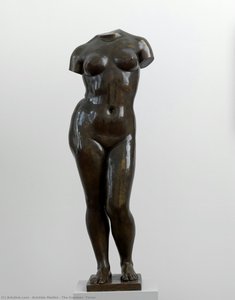
The sculpture, signed and dated 1900, stands as an arresting testament to Ettore Ximenes' unwavering devotion to Neoclassical ideals and his profound connection to the artistic heritage of Sicily. Executed in marble—a material chosen deliberately for its permanence and ability to convey grandeur—the piece embodies a vision of republican virtue, mirroring the spirit of Argentina’s founding fathers and reflecting Ximenes’ own aristocratic lineage. Its placement within the Salón Blanco of Casa Rosada underscores its significance as an emblem of national identity and artistic excellence.- Subject Matter & Inspiration: The sculpture portrays a female figure—a deliberate allusion to Athena, the Greek goddess of wisdom and strategic warfare—representing Argentina’s republican spirit. Her regal posture exudes confidence and dignity, mirroring the virtues championed by Ximenes' contemporaries during the Renaissance revival movement in Florence.
- Style & Technique: Ximenes’ approach aligns seamlessly with Neoclassical sculpture’s hallmark characteristics: idealized beauty, restrained emotion, and meticulous anatomical accuracy. The artist achieved this through painstaking observation and masterful carving—a technique honed during his formative years at the Naples Academy of Fine Arts under Vincenzo Gemito and Stanislao Lista—resulting in a surface texture that balances smoothness with subtle granular detail.
- Symbolism & Decorative Elements: Beyond its central figure, the sculpture is replete with symbolic emblems. The laurel wreath signifies victory—a nod to Argentina’s independence struggle—while the medallion at her chest incorporates elements from the French Revolution: clasped hands representing unity, a stick symbolizing strength and resilience, and Phrygian caps signifying liberty.
- Historical Context: Ximenes' artistic endeavors flourished during a period of fervent cultural revival in Italy, mirroring the rediscovery of classical art and philosophy. His fascination with Renaissance sculpture—documented by his stay in Florence—influenced his stylistic choices and underscored his commitment to upholding artistic traditions rooted in antiquity.
- Emotional Impact: Viewing this monumental piece evokes feelings of solemn grandeur and contemplative serenity. The dramatic lighting accentuates the sculpted forms, emphasizing their contours and creating a palpable sense of presence. It serves as an enduring reminder of Ximenes’ artistic prowess and his contribution to Sicilian cultural heritage.
This sculpture exemplifies the pinnacle of Neoclassical artistry—a celebration of idealized beauty, intellectual rigor, and artistic legacy. Its enduring appeal lies in its ability to convey profound symbolic meaning while captivating the viewer’s imagination.
Srodna umetnička dela

Biografija umetnika
The Sculptor of Sicilian Dignity and Neo-Renaissance Vision
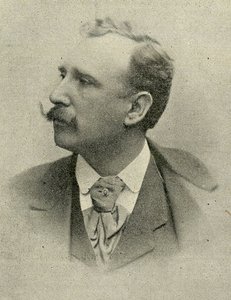
Born on April 11, 1855, in the sun-drenched city of Palermo, Ettore Ximenes emerged from a lineage that blended aristocratic grace with profound intellectual curiosity. As the son of Antonio Ximenes and the noble Giulia Tolentino, his early years were steeped in the cultural richness of Sicily. While his initial academic inclinations leaned toward the written word and literature, a transformative fascination with the tactile reality of stone and clay soon redirected his destiny. This shift led him to the prestigious Palermo Academy of Fine Arts, where he began the rigorous process of mastering anatomical precision and the delicate nuances of light and shadow through carving.
The trajectory of Ximenlyes’ artistry was further refined by his travels and the mentorship of masters in Naples. Following 1872, his studies at the Naples Academy of Fine Arts brought him into the orbit of legendary figures such as Vincenzo Gemito, Domenico Morelli, and Stanislao Lista. These encounters were pivotal, instilling in him a stylistic foundation rooted in classical ideals and the grandeur of antiquity. By synthesizing these influences, Ximenes developed a unique approach to the Neo-Renaissance style—a method that allowed him to mirror the monumental scale of the past while infusing his subjects with an unmistakable, emotive human depth.
A Mastery of Form and Symbolism
Ximenes’ work is characterized by a breathtaking command over diverse materials, from the ethereal translucency of polished marble to the enduring strength of bronze. His technique was never merely about technical perfection; it was about capturing the very soul of his subjects. Whether he was modeling clay or carving intricate stone details, his focus remained on textural nuance and anatomical truth. This dedication allowed him to explore themes ranging from civic virtue to religious devotion with equal fervor.
His repertoire included works that spoke to both the personal and the political, often utilizing subtle symbolic gestures to convey complex narratives:
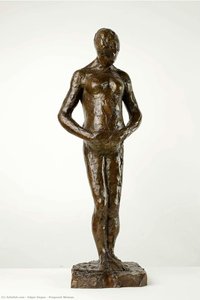
- The Equilibrium: A life-size masterpiece depicting a gymnast on a sphere, showcasing his ability to capture tension and balance.
- Il cuore del re (Heart of the King): A poignant stucco work recounting a moment of royal charity, reflecting his interest in moral storytelling.
- Religious Devotion: Works such as Christ and the Adultress, which utilized classical forms to evoke spiritual reverence.
A Global Legacy of Monumental Grandeur
As his career progressed, Ximenes’ reputation transcended the borders of Italy, earning him international notoriety and a place among the great monumental sculptors of the turn of the century. His ability to weave Italian identity into the urban fabric of foreign cities became one of his most significant historical contributions. In the Americas, his hand shaped the landscape of memory; he was responsible for the Monument to the Independence of Brazil in São Paulo, a work that stands as a testament to his monumental scale and ambition.
His influence even reached the bustling streets of New York City, where he was commissioned to create sculptures honoring Italian icons such as Giovanni da Verrazzano and Dante Alighieri. These monuments served not only as artistic achievements but as cultural anchors for the Italian diaspora, celebrating a shared heritage through the permanence of stone. Through his tireless pursuit of beauty and his ability to monumentalize history, Ettore Ximenes left behind a legacy that continues to resonate, bridging the gap between the classical traditions of the Renaissance and the burgeoning realism of the modern era.
ettore ximenes
1855 - 1926 , Italy
Osnovne informacije
- Artistic Movement Or Style: Realism, Symbolist & Neo-Renaissance
- Artists Or Movements Influenced By This Artist: ['AllPaintingsStore.com']
- Artists Who Influenced This Artist:
- Giotto di bondone
- Sandro botticelli
- Vincenzo marinelli
- Date Of Birth: 1855
- Date Of Death: 1926
- Full Name: ettore ximenes
- Nationality: Italian
- Notable Artworks: ['Scrovegni - [01] - expulsion of joachim from the temple']
- Place Of Birth: Palermo, Italy
Povezani članci

The Enduring Form: Exploring Themes & Techniques in Sculpture Across Historical Periods
Explore the rich history of sculpture from ancient masterpieces to contemporary innovations. Discover key techniques, influential artists & investment potential for discerning art collectors.

Bronze Age to Modern Masters: 10 Sculptures That Redefined Art | ArtsDot
Journey through art history with 10 legendary bronze sculptures – from Michelangelo's David to Rodin’s Thinker. Explore the stories, techniques & timeless beauty of these masterpieces. Find museum-quality reproductions & elevate your home decor on ArtsDot.com.

The Enduring Form: Sculpture Across History, Technique & Emotional Resonance
Explore the rich history of sculpture with ArtsDot. Discover key techniques, influential artists & investment potential for discerning collectors. Expert insights into valuing and collecting timeless masterpieces.
Antonio Canova: Neoclassical Sculpture & the Pursuit of Emotional Perfection
Explore the life & art of Antonio Canova, the greatest Neoclassical sculptor. Discover his masterpieces, innovative techniques, and lasting influence on fine art collecting. Expert insights for discerning investors.

Bronze Sculptures That Defined Art History | ArtsDot
Journey through art history with our Top 10 bronze sculptures! Explore masterpieces by Rodin, Michelangelo & more. Discover stories behind iconic statues and find museum-quality reproductions for your home decor at ArtsDot.com.