

 Pregledaj u prostoru
 Pošalji
 Podeli
 Detalji o delu

 Преузми
 Slični predmeti
 Rendgenski snimak
 Slajdovi
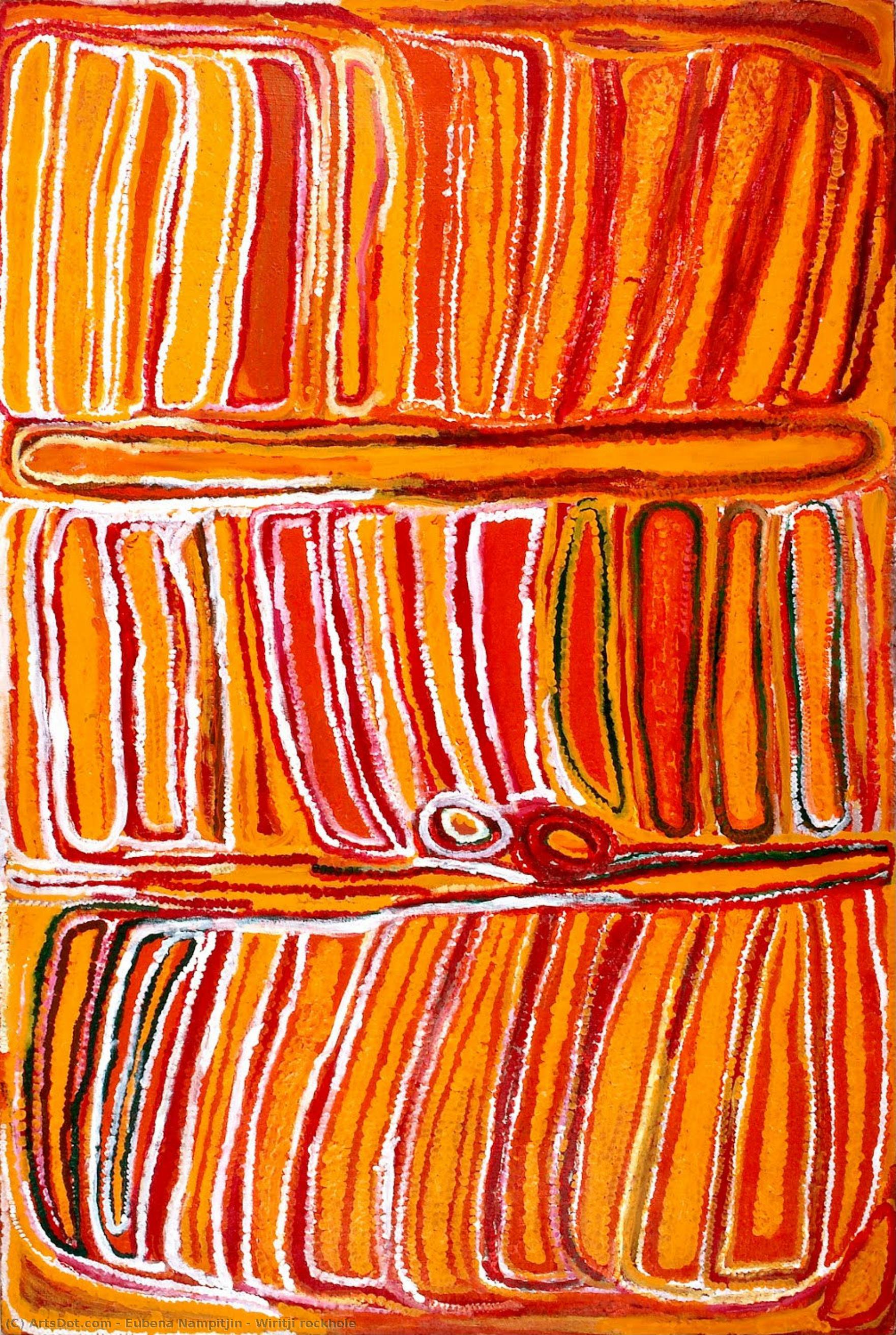
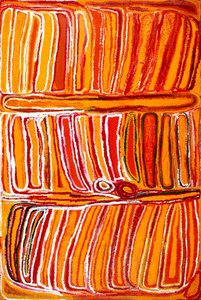
Wiritji rockhole
 Pročitaj više
Giclee štampa / Umetnički otisak
Giclée štampa ili print na platnu muzejskog kvaliteta uz brzu proizvodnju i fleksibilne opcije završne obrade. ( Kupi ručno naslikanu sliku Kupi digitalnu sliku)




































Izaberite jednu od naših unapred definisanih veličina koje odgovaraju originalnim proporcijama umetničkog dela.

Možete uneti sopstvene dimenzije kako biste umetničko delo prilagodili specifičnom okviru ili prostoru. Ako odabrani format ne odgovara proporcijama originalne slike, mi ćemo ili iscrtati deo dela ili proširiti sliku pomoću ogledane ivice ili jednobojnog popunjavanja. Digitalni prikaz će vam biti poslat na odobrenje pre početka proizvodnje.
Imajte na umu da pregled na ekranu ne odražava stvarno iscrtavanje ili proširivanje. Samo će prikaz (mockup) precizno pokazati finalnu kompoziciju.
Iako su prilagođene dimenzije dostupne, preporučujemo da odaberete dimenziju sa unapred definisane liste kako biste očuvali originalne proporcije.
Dostava širom sveta () za 2 nedelje umesto uobičajenih 4/5 nedelja. (7 септембар)

Besplatna ekspresna dostava širom sveta

Visokokvalitetno laneno platno

Kompletno osiguranje transporta

Garancija povraćaja carine i uvoznih dažbina

Garancija vernosti boja

Politika povrata u roku od 100 dana (samo u slučaju nedostataka)

Garancija povrata novca od 100%

Popust pri grupnoj kupovini
 Opcija sa staklom dostupna je samo za dimenzije manje od 110 cm

Wiritji rockhole
Giclee štampa / Umetnički otisak
Dimenzije reprodukcije
-


Konačna cena
$ 62
Srodna umetnička dela


Biografija umetnika
A Voice of the Desert: The Life and Legacy of Eubena Nampitjin
Born amidst the vast, sun-drenched expanses of the Canning Stock Route in remote Western Australia, Eubena Nampitjin emerged as a profound storyteller whose canvas served as a bridge between ancient tradition and contemporary expression. As a member of the Wangkajunga language group, her early years were defined by the rhythmic movements of nomadic life, traversing the Great Sandy Desert in pursuit of sustenance and spiritual connection. This formative period was not merely about survival; it was an immersion into a sacred landscape. Under the guidance of her mother, Nampitjin mastered the delicate art of traditional healing, a practice that deeply embedded within her a sense of responsibility toward her people and their land. This role as a healer and a primary law woman would later infuse her paintings with a spiritual weight, making every brushstroke an act of cultural preservation.
The trajectory of her life took a pivotal turn in 1963 when she relocated to Balgo, Western Australia. This move placed her at the heart of a burgeoning art movement centered around Lake Gregory, a site of immense cultural significance. It was here that Nampitjin’s intellectual and artistic pursuits began to intertwine. Beyond the canvas, she became a vital custodian of language, collaborating with linguists such as James Cowan to document the intricacies of the Kukatja language. This monumental effort, which culminated in the publication of a dictionary in 1992, ensured that the linguistic nuances of her ancestors would not be lost to time. Her deep engagement with the spoken word undoubtedly enriched her visual vocabulary, allowing her to translate the complex Dreamtime narratives into a tangible, visual medium.
The Evolution of Style and Symbolism
Nampitjin’s artistic journey is characterized by a remarkable stylistic evolution that mirrored her deepening connection to her ancestral motifs. While many of her contemporaries in the Balgo movement utilized dense fields of dots, Nampitjin’s work underwent a fascinating transition. In her earlier years, her technique was more traditional, but as she matured, she began to experiment with more fluid, expressive movements. Her 1991 masterpiece, Kinyu, stands as a testament to this period of transformation. Art historians have noted how this work moved away from the rigid structure of dotting toward a more rhythmic use of lines and vibrant color palettes, including soft yellows and pinks. This shift was not merely aesthetic; it served as a metaphor for the very surface of her country—a landscape that is both textured and ever-changing.
The themes within her work are inseparable from the geography of her homeland. Her paintings often serve as maps of memory, capturing the essence of the desert through:
- Ancestral Landscapes: The depiction of the Great Sandy Desert and the spiritual significance of specific waterholes and landmarks.
- Dreamtime Narratives: The visual translation of ancient stories that dictate the laws and customs of the Wangkajunga people.
- Cultural Resilience: The use of color and line to represent the enduring strength of her community and their connection to the earth.
Recognition and Enduring Significance
As her reputation grew, so did the international recognition of her profound talent. A defining moment in her career arrived in 1998, when she was honored with the Open Painting prize at the National Aboriginal and Torres Strait Islander Art Award. This accolade solidified her status as one of Australia’s most significant Indigenous artists. Her work, often created alongside her husband, Purungu Tjakata Tjapaltjarri, and her daughters, reflected a familial and communal approach to art-making that is central to the Warlayirti Artists organization.
In her later years, Nampitjin found her way back to the desert landscapes of her youth, using the familiar terrain as a primary motif for her final works. She continued to paint with vigor until her passing in 2013, leaving behind a legacy that transcends simple aesthetics. Her contribution to Australian art lies in her ability to weave together the roles of healer, linguist, and painter, creating a body of work that is simultaneously a personal memoir and a collective history of the Australian desert. Through her eyes, the world learned to see the profound beauty and the unbreakable spirit of the Wangkajunga people.
Eubena Nampitjin
1921 - 2013 , Australia
Osnovne informacije
- Artistic Movement Or Style: Dot painting
- Date Of Birth: July 1, 1921
- Date Of Death: March 11, 2013
- Full Name: Eubena Nampitjin
- Nationality: Australian
- Notable Artworks: ['Kinyu']
- Place Of Birth: Tinnaroo, Australia