 Pregledaj u prostoru
 Pošalji
 Podeli
 Detalji o delu

 Преузми
 Slični predmeti
 Rendgenski snimak
 Slajdovi
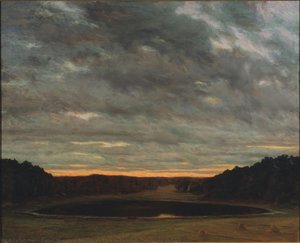
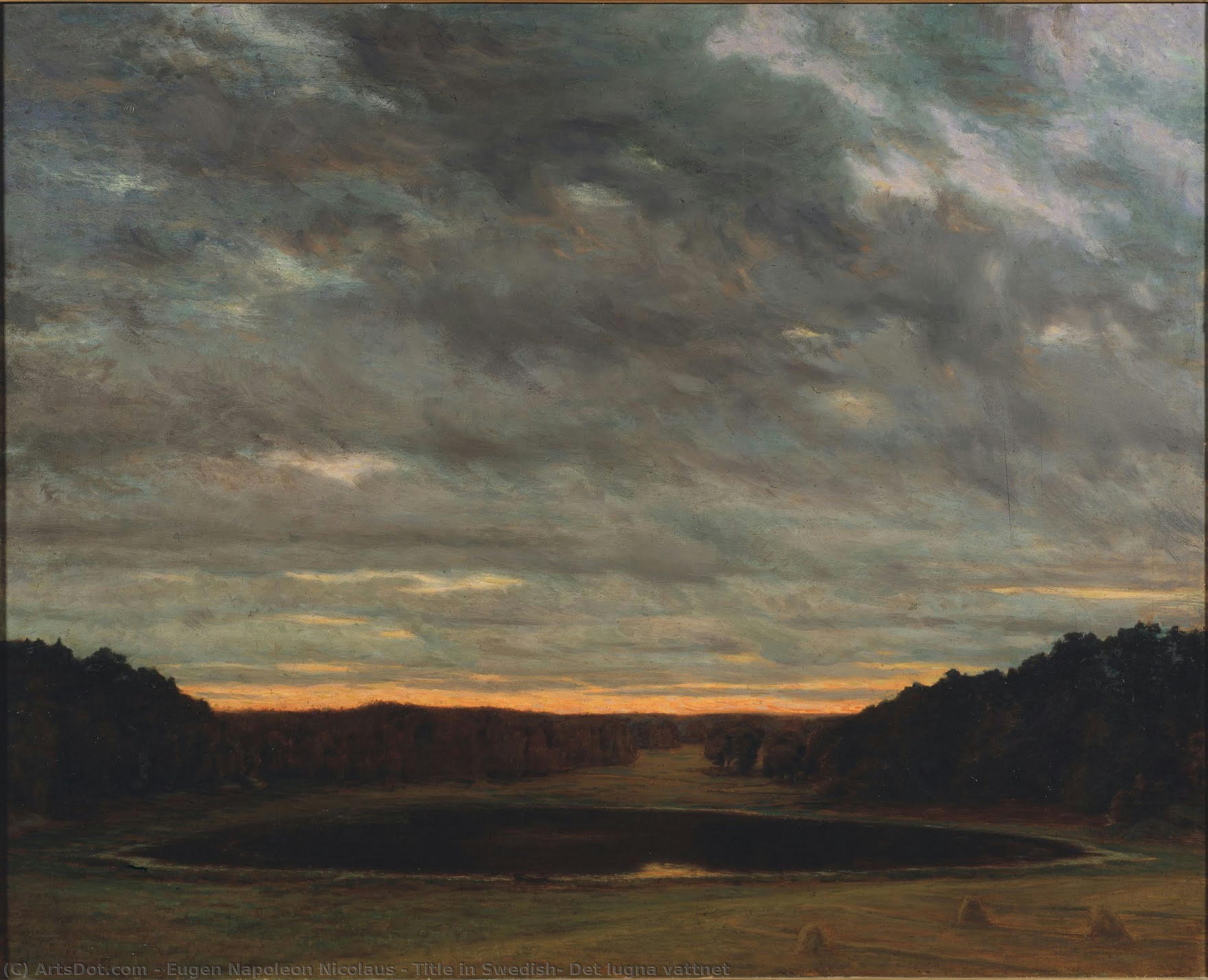
Утишно језеро
 Akril na platnu
- Umetnost za zidove
- Regionalist Landscape Painting
 1901
1901 1780.0 x 1420.0 cm
 Национален музеј
 Pročitaj više
Ručno rađena uljana reprodukcija
Ručno oslikano uljanim bojama na platnu u dimenzijama i okviru po vašem izboru, izrađeno po porudžbini od strane naših umetnika. ( Kupi print Kupi digitalnu sliku)




P118B $10

P118H $10

P118W $10

P438Z $10

P508JH $12

P508YH $12

P805H $10

P805Z $10

P919BZ $10

P919G $10

P919XJ $10

P959ZH $10

P968JZ $12

W106C $8

W218G $10

W218JH $8

W218Y $10

W307PJ $10

W316G $10

W316PJ $8

W316Y $10

W398PJ $8

W4111J $10

W500HY $15

W500JH $15

W692G $12

W849H $8

W940BG $15

W953PJ $8




Izaberite jednu od naših unapred definisanih veličina koje odgovaraju originalnim proporcijama umetničkog dela.

Можете унети сопствене димензије како бисте прилагодили дело одређеном оквиру или простору. Ако одабрана величина не одговара пропорцијама оригинала, слика ће бити исечена или проширена додатним елементима који се ручно насликавају. Дигитални prikaz ће вам бити послат на одобрење пре почетка производње.
Имајте на уму да преглед на екрану не одражава стварно исецање или проширење. Само приказ (mockup) ће тачно приказати коначну композицију.
Иако су доступне прилагођене величине, препоручујемо да одаберете димензију из дефинисане листе како бисте сачували оригиналне пропорције.
Nakon narudžbine, tim ArtsDot.com će klijentu putem e-pošte poslati uputstva i dostaviti prikaz predloženog rešenja
Isporuka širom sveta () za 3/4 nedelje umesto uobičajenih 5 nedelja. (28 август). Bez kompromisa po pitanju kvaliteta.

Besplatna ekspresna dostava širom sveta

Visokokvalitetno laneno platno

Kompletno osiguranje transporta

Garancija povraćaja carine i uvoznih dažbina

Garancija vernosti boja

Politika povrata u roku od 60 dana (samo u slučaju nedostataka)

Garancija povrata novca od 100%

Popust pri grupnoj kupovini
 Opcija sa staklom dostupna je samo za dimenzije manje od 110 cm

Утишно језеро
Tehnika reprodukcije
Dimenzije reprodukcije
-


Konačna cena
$ 263
Detaljer om Konstverket: Det Lugna Vattnet av Eugen Napoleon Nicolaus
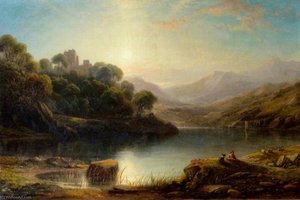
”Det Lugna Vattnet,” eller ”The Calm Water,” är ett imponerande landskapsmål av den svenska konstnären Eugen Napoleon Nicolaus, färdigställning år 1901. Detta verk är en kärnvärd för Nicolaus’ stil och erbjuder en fascinerande glimt av både teknisk skicklighet och konstnärlig vision.
Konstnärlig Stil och Teknik
Nicolaus tillhör den svenska regionalistiska rörelsen, vilket innebär att hans målningar fokuserar på att fånga autentiska scener från svenska landsbygden och naturmiljöer. ”Det Lugna Vattnet” är ett perfekt exempel på denna stil – Nicolaus använder sig av en atmosfärisk teknik där ljuset spelar en viktig roll för att skapa djup och realism. Färger är använda sparsamt men effektivt för att förmedla känslan av lugn och ro.
Historisk Kontext och Inspirationskälla
Året 1901 var en betydande tidpunkt i Sveriges konsthistoria, då Nicolaus arbetade aktivt inom den svenska landskapsmålningstraditionen. Verkets inspiration kommer från Mälaren och dess omgivningar, vilket återspeglar ett stort intresse för svenska naturlandskap och deras estetiska kvaliteter. Nicolaus var en stark anhängare av impressionismen och dess fokus på ljus och atmosfär, vilket märks tydligt i målningskompositionen.
Symbolism och Emotionell Inverkan
Landskapet i ”Det Lugna Vattnet” är laddat med symboliska betydelser. Det lugna vattnet representerar ofta fred och harmoni, medan träden kring sjön symboliserar stabilitet och styrka. Nicolaus lyckas skapa en känsla av innerlig närvaro och uppmärksamhet för naturen – något som resonerar starkt hos betraktaren och väcker känslor av lugn och estetiskt förtjusning.
Om Konstverket idag
”Det Lugna Vattnet” är ett verk som fortsätter att fascinera konsthistoriker och entusiaster än idag. Dess detaljrikedom och förmåga att fånga ljusets effekt på landskapet gör det till ett mästerverk inom svensk landskapsmålning. Ett högkvalitativt reproduktionsverk kan vara ett fantastiskt tillskott till vilket hem som helst och erbjuder möjligheten att uppleva Nicolaus’ konstnärliga geni på nära håll.
Srodna umetnička dela


Biografija umetnika
Robert Henri: A Pioneer of American Regionalism
Robert Henri, born Robert Henry Cozad in Cincinnati, Ohio on February 10, 1865, and passing away in Lambertville, New Jersey on December 17, 1947, stands as a pivotal figure in the development of American art. His journey from a young boy moving to Nebraska to becoming a celebrated artist reflects a dedication to capturing the essence of everyday life and the spirit of his native land – a philosophy that profoundly influenced the burgeoning Regionalist movement. Initially, Henri’s artistic training was somewhat conventional, receiving instruction in Cincinnati before relocating to New York City in 1887. It was here, amidst the bustling art scene, that he began to forge his distinctive path, rejecting the academic constraints of the time and embracing a more direct and expressive approach to painting.Early Influences and Artistic Development
Henri’s early artistic development was shaped by several key influences. The Impressionists, particularly Monet and Renoir, instilled in him an appreciation for capturing fleeting moments of light and color. However, he quickly moved beyond mere imitation, seeking to infuse his work with a deeper emotional resonance. He also found inspiration in the works of Gustave Courbet, whose commitment to depicting ordinary subjects with honesty and realism resonated deeply with Henri’s own artistic vision. Crucially, Henri's time spent observing the lives of working-class Americans – particularly in New York City – provided him with a rich source of subject matter and a profound understanding of human nature. This immersion in the realities of urban life would become a defining characteristic of his art. His early works often depicted scenes of street life, laborers, and immigrants, rendered with a remarkable sensitivity to their dignity and struggles.The Ashcan School and Regionalism
Henri’s most significant contribution to American art lies in his role as a founder of the Ashcan School. Emerging in the early 1900s, this movement sought to break away from the traditional subjects favored by the established art world – landscapes and historical scenes – and instead focus on depicting the gritty realities of urban life in America. Artists like Henri, John Sloan, George Bellows, and Everett Shinn captured the sights and sounds of New York City’s tenements, factories, and crowded streets with unflinching honesty. Henri's paintings, such as *Table at City Diner* (1913) and *The Newsboy*, are prime examples of this style—characterized by loose brushwork, vibrant colors, and a focus on the lives of ordinary people. He championed a philosophy of “art for life’s sake,” believing that art should reflect the world as it truly is, not as it is idealized or romanticized. This stance directly challenged the prevailing artistic conventions of the time and paved the way for future generations of American artists to explore new subject matter and approaches.Technique and Style
Henri’s distinctive style was characterized by a bold and expressive use of color, loose brushwork, and a dynamic sense of movement. He favored working *alla prima* – directly on the canvas without preliminary sketches – allowing him to capture the immediacy of his subjects. His compositions were often asymmetrical and energetic, reflecting the chaotic energy of urban life. He employed a technique he called “color-plus-form,” prioritizing color as the primary element in his paintings while still maintaining a strong sense of form and structure. Henri’s palette was typically rich and vibrant, utilizing complementary colors to create visual excitement and depth. He wasn't interested in photographic realism; instead, he sought to convey the *feeling* of a scene—the atmosphere, the mood, and the emotional impact.Legacy and Historical Significance
Robert Henri’s influence on American art is undeniable. As a founder of the Ashcan School, he helped to shift the focus of American painting away from traditional subjects and towards the realities of everyday life. His commitment to depicting ordinary people with dignity and respect paved the way for future generations of artists to explore social realism and documentary photography. Henri’s emphasis on “art for life’s sake” continues to resonate today, reminding us that art can be a powerful tool for social commentary and personal expression. His work remains celebrated for its honesty, vitality, and profound understanding of the human condition. He is remembered not just as an artist but as a teacher who inspired countless students to pursue their own artistic visions with passion and conviction. His legacy endures in the continued exploration of regional themes and the celebration of ordinary subjects within American art.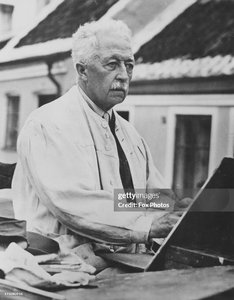
eugen napoleon nicolaus
1865 - 1947 , Sweden
Osnovne informacije
- Artistic Movement Or Style: Impressionism
- Artists Or Movements Influenced By This Artist:
- The Ashcan School
- American Impressionism
- Artists Who Influenced This Artist:
- William Merritt Chase
- Jean-Baptiste Camille Corot
- Date Of Birth: 1865
- Date Of Death: 1947
- Full Name: Robert Henri
- Nationality: American
- Notable Artworks:
- The Table
- Spanish Village
- Portrait of a Musician
- Place Of Birth: Cincinnati, Ohio
Povezani članci

Glavna dela koja su definisala Romantični pejzaž: 10 remek-dela za vaš dom
Otkrijte 10 remek-dela romantičnog pejzažnog slikarstva! Uronite u svet Claude Lorraina, Caspara David Friedricha i Turnera. Ispričane priče umetnosti, inspiracija za dekoraciju doma. Kvalitetne reprodukcije na ArtsDot.com – istražite celu kolekciju online!

Evocations of Place: A Historical Journey Through Landscape Art
Explore the rich history of landscape art with ArtsDot. Discover renowned artists, movements like Impressionism & Romanticism, and expert guidance for collecting timeless pieces. Find your perfect serene escape today!

25 Remek-dela Džona Konstebla: Lepota Engleske na Platnu | ArtsDot
Uronite u svet Džona Konstebla! Otkrijte 25 remek-dela engleskog pejzaža, romantizma i seoske idile. Kupite reprodukcije slika vrhunskog kvaliteta za dekoraciju enterijera na ArtsDot.com.

Evocations of Place: A Historical Journey Through Landscape Art
Explore the rich history of landscape art with ArtsDot. Discover renowned artists, movements like Impressionism & tonalism, and expert guidance for collecting timeless pieces. Find your perfect serene escape today!
Johan Krouthén: Navigating Swedish Romanticism Through Landscape & Light
Explore the captivating landscapes of Johan Krouthén, a Swedish artist who broke from tradition to embrace realism & idealism. Discover his technique, influences, and legacy with ArtsDot.