

 Pregledaj u prostoru
 Pošalji
 Podeli
 Detalji o delu

 Преузми
 Slični predmeti
 Rendgenski snimak
 Slajdovi
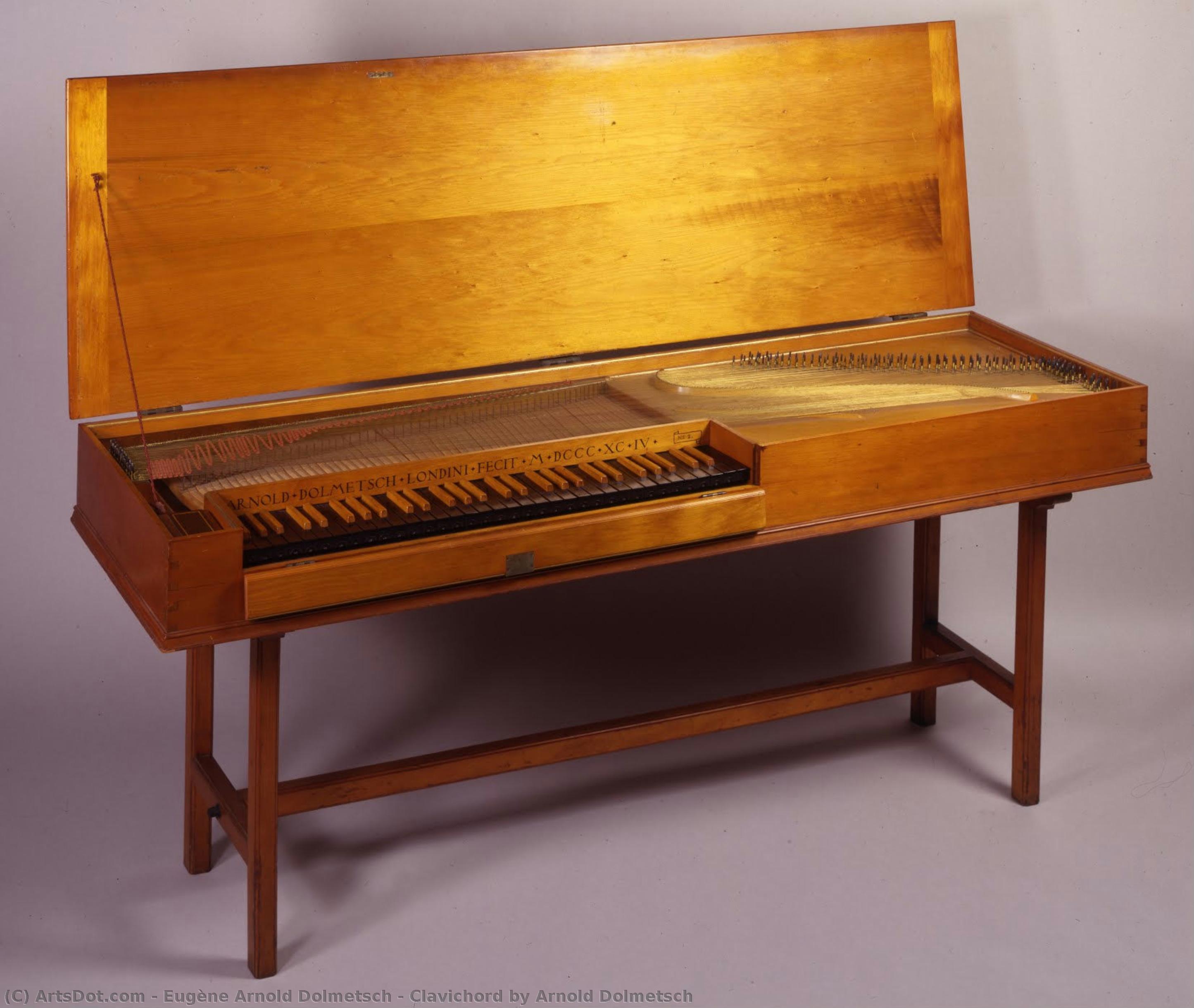
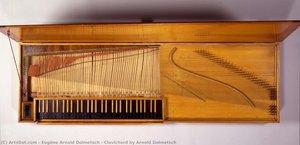
Clavichord by Arnold Dolmetsch


 Pročitaj više
Ručno rađena uljana reprodukcija
Ručno oslikano uljanim bojama na platnu u dimenzijama i okviru po vašem izboru, izrađeno po porudžbini od strane naših umetnika. ( Kupi print Kupi digitalnu sliku)




P118B $10

P118H $10

P118W $10

P438Z $10

P508JH $12

P508YH $12

P805H $10

P805Z $10

P919BZ $10

P919G $10

P919XJ $10

P959ZH $10

P968JZ $12

W106C $8

W218G $10

W218JH $8

W218Y $10

W307PJ $10

W316G $10

W316PJ $8

W316Y $10

W398PJ $8

W4111J $10

W500HY $15

W500JH $15

W692G $12

W849H $8

W940BG $15

W953PJ $8




Izaberite jednu od naših unapred definisanih veličina koje odgovaraju originalnim proporcijama umetničkog dela.

Можете унети сопствене димензије како бисте прилагодили дело одређеном оквиру или простору. Ако одабрана величина не одговара пропорцијама оригинала, слика ће бити исечена или проширена додатним елементима који се ручно насликавају. Дигитални prikaz ће вам бити послат на одобрење пре почетка производње.
Имајте на уму да преглед на екрану не одражава стварно исецање или проширење. Само приказ (mockup) ће тачно приказати коначну композицију.
Иако су доступне прилагођене величине, препоручујемо да одаберете димензију из дефинисане листе како бисте сачували оригиналне пропорције.
Nakon narudžbine, tim ArtsDot.com će klijentu putem e-pošte poslati uputstva i dostaviti prikaz predloženog rešenja
Isporuka širom sveta () za 3/4 nedelje umesto uobičajenih 5 nedelja. (3 септембар). Bez kompromisa po pitanju kvaliteta.

Besplatna ekspresna dostava širom sveta

Visokokvalitetno laneno platno

Kompletno osiguranje transporta

Garancija povraćaja carine i uvoznih dažbina

Garancija vernosti boja

Politika povrata u roku od 60 dana (samo u slučaju nedostataka)

Garancija povrata novca od 100%

Popust pri grupnoj kupovini
 Opcija sa staklom dostupna je samo za dimenzije manje od 110 cm

Clavichord by Arnold Dolmetsch
Tehnika reprodukcije
Dimenzije reprodukcije
-


Konačna cena
$ 263
A Resonance of History: The Soul of the Dolmetsch Clavichord
In the quiet intersection where craftsmanship meets musical devotion, there exists a profound beauty found in the Clavichord by Arnold Dolmetsch. This exquisite piece is not merely an instrument; it is a bridge across time, a tangible manifestation of the late 19th-century's reverence for the lost voices of the Baroque and Classical eras. Captured in a painting that radiates warmth and antiquity, the clavichord stands as a testament to the meticulous hands of Eugène Arnold Dolmetsch. The artwork presents the instrument with its lid gracefully upturned, revealing the intricate internal architecture that allows sound to bloom from wood and wire. The deep, rich browns of the polished timber evoke a sense of grounded permanence, while the stark, clean white background focuses the viewer's entire devotion onto the object itself, stripping away the distractions of the modern world to leave only the essence of melody.
To behold this painting is to witness the intersection of two great artistic movements: the historical revivalism of the early music movement and the tactile elegance of the Arts & Crafts style. While the structural DNA of this clavichord is a faithful homage to the Hamburg models of the 1760s, the visual finish—the lustrous varnish and the delicate strapwork hinges—speaks to the late Victorian era's obsession with honest, beautiful handiwork. For the discerning collector or interior designer, this piece offers more than just a visual focal point; it provides a narrative of authenticity. The painting captures the way light dances across the aged wood, suggesting a texture that one can almost feel beneath their fingertips, making it an ideal centerpiece for a study, a library, or a room designed to inspire contemplative thought.
The emotional resonance of this work lies in its quietude. There is a certain melancholy in the depiction of an instrument that carries the echoes of centuries past, yet there is also an overwhelming sense of peace. The composition invites the observer to imagine the soft, intimate notes of a clavichord piece—sounds far more delicate and personal than the thunder of a modern grand piano. It evokes a period of slow living, where every mechanical movement was a deliberate act of artistry. For those seeking to adorn their spaces with art that breathes life into a room, this reproduction serves as an invitation to slow down, to listen to the silence, and to appreciate the enduring legacy of human ingenuity and musical passion.
Srodna umetnička dela
Biografija umetnika
The Echoes of Antiquity: The Life and Legacy of Eugène Arnold Dolmetsch
Eugène Arnold Dolmetsch, a name synonymous with the fervent revival of early music in the 20th century, wasn’t merely a musician; he was a meticulous craftsman, a passionate scholar, and a devoted advocate for authentic performance. Born in Le Mans, France, in 1858, into a family steeped in musical tradition – his father a piano maker – Dolmetsch's life became inextricably linked with the rediscovery of sound from centuries past. His journey wasn’t one of grand concert halls and revolutionary compositions, but rather a quiet, persistent quest to resurrect the voices of composers long silenced by time and neglect. This biography seeks to unravel the intricate tapestry of his extraordinary existence, exploring the forces that shaped him and the profound impact he had on our understanding and appreciation of music history.Early Years and the Birth of an Instrument Maker
Dolmetsch’s childhood was far from a conventional one. His father's piano-making workshop provided a grounding in the mechanics of musical instruments, a skill that would prove invaluable later in his life. However, it was through exposure to the British Museum’s collection of ancient instruments – particularly viols – that his true passion ignited. These relics of a bygone era sparked an insatiable curiosity and a determination to not just study them, but to *understand* them, to recreate their sound with painstaking accuracy. He initially pursued formal musical training in Brussels and London, mastering the violin and gaining a solid foundation in music theory. Yet, it was his apprenticeship under Frederick Bridge at the Royal College of Music that truly cemented his commitment to historical performance practice – a concept radically different from the prevailing interpretations of the time. Bridge’s emphasis on researching original sources and recreating instruments as closely as possible would become Dolmetsch's guiding principle.The Pursuit of Authenticity: Instrument Making and Performance
Dolmetsch didn’t simply listen to early music; he *built* it. His workshop in Haslemere, Surrey, became a legendary center for instrument restoration and creation. He meticulously crafted viols, harpsichords, clavichords, and other instruments from the 15th to the 18th centuries, employing traditional techniques and materials. This wasn’t mere imitation; it was an act of profound respect for the composers whose music he sought to revive. He understood that the sound of a modern instrument could fundamentally distort the character of a piece written for its historical counterpart. Dolmetsch's instruments were not simply replicas; they were carefully constructed embodiments of their time, designed to capture the nuances and subtleties of early musical expression. His performances, often alongside his family – including his sisters and brother – were equally remarkable. They presented concerts featuring music by composers like Byrd, Dowland, Purcell, and Lawes, utilizing Dolmetsch’s meticulously crafted instruments and employing performance practices rooted in historical research.A Revolution in Musical Interpretation
Dolmetsch's influence extended far beyond his own performances. He challenged the established norms of musical interpretation, advocating for a shift away from romanticized readings and towards a more historically informed approach. His work directly influenced the development of “historically informed performance” (HIP), a methodology that continues to shape how early music is approached today. He meticulously documented his research in books like "The Interpretation of the Music of the 17th and 18th Centuries," providing invaluable insights into the construction, tuning, and playing techniques of early instruments. His insistence on using original sources – manuscripts, treatises, and contemporary accounts – forced musicologists to re-evaluate long-held assumptions about musical practice. Furthermore, he actively promoted the revival of forgotten composers and genres, bringing their works back to life for a modern audience.Legacy and Enduring Influence
Eugène Arnold Dolmetsch’s legacy is profound and multifaceted. He didn't seek fame or fortune; his reward was the satisfaction of resurrecting lost musical treasures and sharing them with the world. His dedication to authenticity, combined with his exceptional craftsmanship and scholarly rigor, established him as a pivotal figure in the 20th-century revival of early music. His family continued his work after his death, ensuring that his passion for historical performance practice would endure. Today, Dolmetsch’s instruments are treasured by museums and performers worldwide, and his influence can be heard in countless recordings and concerts. He left behind not just a collection of beautiful instruments, but a methodology—a way of listening to the past—that continues to shape our understanding and appreciation of music's rich and complex history. His work stands as a testament to the power of dedication, scholarship, and a deep love for the art of music.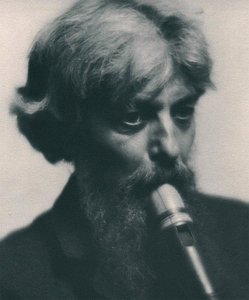
eugène arnold dolmetsch
1858 - 1940 , France
Osnovne informacije
- Artistic Movement Or Style: Early Music Revival
- Artists Or Movements Influenced By This Artist:
- William Morris
- George Bernard Shaw
- Artists Who Influenced This Artist:
- Henri Vieuxtemps
- Frederick Bridge
- Date Of Birth: Feb 24, 1858
- Date Of Death: Feb 28, 1940
- Full Name: Eugène Arnold Dolmetsch
- Nationality: French-British
- Notable Artworks:
- Clavichord
- Harpsichord
- Viols
- Place Of Birth: Le Mans, France
Povezani članci
Rosy Brown Hues: 10 Master Paintings & Timeless Decor Ideas |
Explore 10 iconic paintings bathed in captivating rosy brown tones! From Rembrandt to Titian, discover the stories behind these masterpieces & their warm color palettes. Find museum-quality art reproductions and decor inspiration at .

Sandy Brown Masterpieces: 10 Iconic Paintings & Timeless Decor Ideas
Explore 10 iconic paintings bathed in captivating sandy brown tones! From Rembrandt to Monet, discover the stories behind these timeless masterpieces & find museum-quality art reproductions for your home. Explore the full collection on ArtsDot.com.
John George Brown: Capturing American Life & Sentiment in 19th-Century Genre Painting
Explore the captivating genre paintings of John George Brown, celebrated for his realistic depictions of 19th-century American life. Discover his legacy & find museum-quality reproductions at ArtsDot.
Earthy Hues & Masterpieces: Top 10 Paintings with 'Mushroom' Tones |
Explore 10 iconic paintings with captivating 'mushroom' tones! Discover Van Gogh, Monet & Rembrandt’s masterpieces—earthy palettes, rich history & artistic techniques. Find museum-quality art reproductions and curated decor ideas at
Ford Madox Brown: Pre-Raphaelite Visionary & Victorian Social Commentary
Explore the life & art of Ford Madox Brown, a pivotal Pre-Raphaelite painter renowned for his powerful social commentary and masterpiece 'Work'. Discover his lasting influence on British art history.

