 Pregledaj u prostoru
 Pošalji
 Podeli
 Detalji o delu

 Преузми
 Slični predmeti
 Rendgenski snimak
 Slajdovi
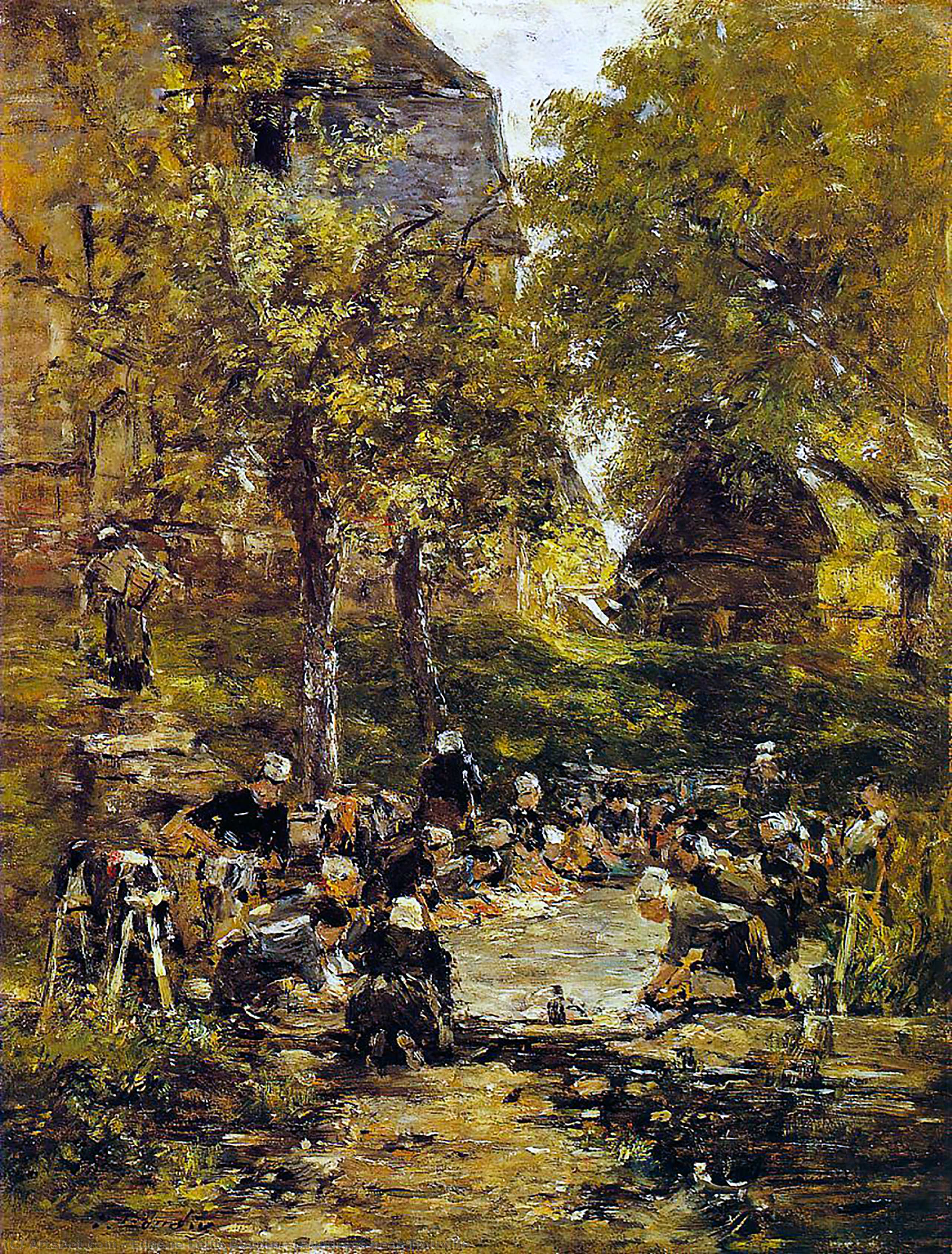
Laundress near Trouville


 Pročitaj više
Ručno rađena uljana reprodukcija
Ručno oslikano uljanim bojama na platnu u dimenzijama i okviru po vašem izboru, izrađeno po porudžbini od strane naših umetnika. ( Kupi print Kupi digitalnu sliku)




P118B $10

P118H $10

P118W $10

P438Z $10

P508JH $12

P508YH $12

P805H $10

P805Z $10

P919BZ $10

P919G $10

P919XJ $10

P959ZH $10

P968JZ $12

W106C $8

W218G $10

W218JH $8

W218Y $10

W307PJ $10

W316G $10

W316PJ $8

W316Y $10

W398PJ $8

W4111J $10

W500HY $15

W500JH $15

W692G $12

W849H $8

W940BG $15

W953PJ $8




Izaberite jednu od naših unapred definisanih veličina koje odgovaraju originalnim proporcijama umetničkog dela.

Можете унети сопствене димензије како бисте прилагодили дело одређеном оквиру или простору. Ако одабрана величина не одговара пропорцијама оригинала, слика ће бити исечена или проширена додатним елементима који се ручно насликавају. Дигитални prikaz ће вам бити послат на одобрење пре почетка производње.
Имајте на уму да преглед на екрану не одражава стварно исецање или проширење. Само приказ (mockup) ће тачно приказати коначну композицију.
Иако су доступне прилагођене величине, препоручујемо да одаберете димензију из дефинисане листе како бисте сачували оригиналне пропорције.
Nakon narudžbine, tim ArtsDot.com će klijentu putem e-pošte poslati uputstva i dostaviti prikaz predloženog rešenja
Isporuka širom sveta () za 3/4 nedelje umesto uobičajenih 5 nedelja. (24 август). Bez kompromisa po pitanju kvaliteta.

Besplatna ekspresna dostava širom sveta

Visokokvalitetno laneno platno

Kompletno osiguranje transporta

Garancija povraćaja carine i uvoznih dažbina

Garancija vernosti boja

Politika povrata u roku od 60 dana (samo u slučaju nedostataka)

Garancija povrata novca od 100%

Popust pri grupnoj kupovini
 Opcija sa staklom dostupna je samo za dimenzije manje od 110 cm

Laundress near Trouville
Tehnika reprodukcije
Dimenzije reprodukcije
-


Konačna cena
$ 263
Opis umetničkog dela
Eugène Boudin’s ‘Laundress near Trouville’: A Window into Coastal Life
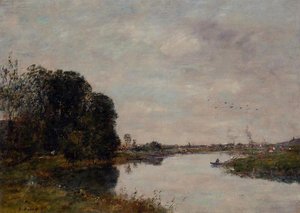
Eugène Louis Boudin's “Laundress near Trouville” offers a remarkably intimate glimpse into the daily rhythms of life along the Normandy coast in mid-19th century France. Painted around 1863, this captivating scene transcends a simple depiction of laundry; it’s a profound meditation on light, human connection, and the enduring beauty of the natural world – hallmarks of Boudin's distinctive style. The painting captures a group of women engaged in their work near the seaside town of Trouville, presenting them not as subjects for grand historical narratives but as individuals imbued with quiet dignity and resilience.
- Subject Matter: The central focus is on a laundress, likely a local woman from the region, performing her essential task amidst a vibrant outdoor setting. Her presence anchors the composition, drawing the viewer into the heart of this everyday scene.
- Setting: The backdrop is quintessential Normandy – a sun-drenched field dotted with mature trees, their branches reaching towards the sky like protective arms. This landscape isn’t merely decorative; it's integral to the painting’s narrative, reflecting the region’s agricultural heritage and the vital role of water in its economy.
Boudin’s Impressionistic Technique
Boudin was a pivotal figure in the development of Impressionism, predating many of his more famous contemporaries. “Laundress near Trouville” exemplifies his innovative approach to painting. He employed loose, visible brushstrokes – a technique deliberately intended to capture the fleeting effects of light and atmosphere rather than meticulously rendering detail. Notice how he uses broken color, layering shades of blue, green, and ochre to evoke the shimmering reflection of sunlight on water and the textured surface of the clothing. This approach was revolutionary at the time, challenging the academic tradition of smooth, polished surfaces.
- Color Palette: The painting’s palette is dominated by cool blues and greens, reflecting the coastal environment, punctuated with warmer tones in the figures' garments and the sunlight.
- Brushwork: Boudin’s characteristic short, choppy brushstrokes create a sense of movement and immediacy, conveying the feeling of a breezy day at the seaside.
Historical Context and Symbolism
Painted during a period of significant social change in France – the rise of industrialization and urbanization – Boudin’s work offers a poignant counterpoint. He focused on portraying ordinary people, particularly women, engaged in their daily lives, elevating them to the status of artistic subjects. The laundresses themselves represent a segment of society often overlooked by mainstream art; they are symbols of hard work, resilience, and connection to the land. The trees surrounding the scene can be interpreted as guardians or witnesses to this timeless tableau.
- Social Commentary: The painting subtly reflects the social realities of the time, depicting women – a significant portion of the rural population – engaged in essential labor.
- Light and Atmosphere: Boudin’s masterful use of light is not just aesthetic; it symbolizes hope, vitality, and the enduring spirit of the human condition.
Emotional Impact and Artistic Legacy
"Laundress near Trouville" resonates with a quiet emotional power. It evokes a sense of nostalgia for a simpler time, inviting us to contemplate the beauty of everyday life and the profound connection between humanity and nature. Boudin’s influence extended beyond his own lifetime, inspiring generations of artists who followed in his footsteps. This painting stands as a testament to his artistic vision and his ability to capture the essence of a moment with remarkable sensitivity and skill.
Srodna umetnička dela

Biografija umetnika
Early Life and Artistic Beginnings
Eugène Louis Boudin, born in July 12th, 1824 in Honfleur, France, possessed a destiny inextricably linked to the sea. His father, a harbor pilot, instilled within him an early appreciation for the ever-changing moods and captivating beauty of the maritime world. This formative influence would become the cornerstone of Boudin’s artistic vision. Rather than pursuing a traditional academic path, young Eugène began his working life aboard a steamboat traversing between Le Havre and Honfleur at the tender age of ten. It was during these voyages that he first felt compelled to capture the fleeting impressions of light and water with sketches in the margins of his books—the nascent stirrings of a lifelong passion. The family’s subsequent move to Le Havre, where his father established a shop for stationery and picture frames, further immersed Boudin in an artistic environment. He worked alongside his father, eventually opening his own small shop, which brought him into contact with local artists like Constant Troyon and Jean-François Millet, who encouraged his burgeoning talent. These early encounters proved pivotal, steering him away from commerce and towards a dedicated life of painting.Developing a Unique Style: Plein Air Painting and Influences
Boudin’s artistic development was profoundly shaped by several key influences. A crucial turning point came with his introduction to Johan Jongkind, a Dutch painter who championed the practice of en plein air—painting outdoors directly from nature. This revolutionary approach allowed Boudin to capture the ephemeral qualities of light and atmosphere with unprecedented immediacy. He embraced this technique wholeheartedly, becoming adept at rendering the subtle nuances of sky and sea. His style also drew inspiration from the 17th-century Dutch masters, whose meticulous attention to detail and atmospheric perspective resonated deeply with his own artistic sensibilities. Boudin’s pastels, characterized by their summary yet evocative brushwork, quickly garnered recognition. Critics like Charles Baudelaire lauded his ability to convey the essence of a scene with remarkable economy, while Camille Corot affectionately dubbed him “the king of the skies,” acknowledging his mastery of atmospheric effects. He was particularly drawn to Jongkind’s masterful depictions of coastal landscapes bathed in diffused sunlight—a stylistic decision that would define Boudin's artistic trajectory for decades to come.Impressionism and Lasting Legacy
Though often categorized alongside the Impressionists, Boudin’s relationship with the movement was nuanced. He participated in the first Impressionist exhibition in 1874, showcasing his work alongside Claude Monet and other avant-garde artists. However, he never fully identified as an “Impressionist,” maintaining a more traditional approach to composition and technique. Nevertheless, his influence on the development of Impressionism was undeniable. Most notably, Boudin served as a mentor to a young Claude Monet, instilling in him a love for painting outdoors and encouraging him to abandon academic conventions in favor of capturing fleeting impressions of light and color. Monet himself credited Boudin with fundamentally shaping his artistic vision, stating that Boudin had “torn the veil from my eyes” and revealed the true potential of landscape painting. Throughout his career, Boudin received numerous accolades, including a third-place medal at the Paris Salon in 1881 and a gold medal at the 1889 Exposition Universelle. He was knighted into the Légion d’honneur—a testament to his enduring contribution to French art.Major Works and Artistic Themes
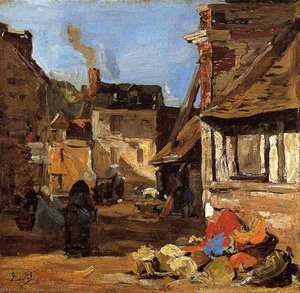
Boudin's oeuvre is characterized by a deep connection to the sea and coastal landscapes of Normandy. Still Life with Lobster on a White Tablecloth, now housed at the High Museum of Art in Atlanta, exemplifies his somber yet noble approach to still life painting, imbued with a sense of quiet contemplation. His beach scenes, populated with figures enjoying leisurely pursuits, capture the vibrancy and vitality of seaside life. Honfleur, the Saint Catherine Market Place, showcases his skill at depicting bustling urban environments bathed in natural light. Throughout his work, Boudin consistently explored themes of transience, atmosphere, and the interplay between humanity and nature. He possessed an exceptional ability to convey the subtle shifts in weather and light, creating paintings that evoke a powerful sense of place and mood. His dedication to capturing these fleeting moments solidified his reputation as a master of atmospheric perspective and a pioneer of plein air painting. ##Final Years and Enduring Influence In his later years, Boudin continued to travel extensively, seeking inspiration in Belgium, the Netherlands, and southern France. He also made several visits to Venice, captivated by its unique light and architectural beauty. Despite facing health challenges, he remained remarkably productive, consistently exhibiting his work and mentoring younger artists. Eugène Louis Boudin passed away in August 8th, 1898 at Deauville, overlooking the English Channel that had so profoundly shaped his life and art. His legacy extends far beyond his own paintings; the Eugène Boudin Prize, awarded by the Société Nationale des Beaux-Arts, stands as a lasting tribute to his enduring influence on generations of artists. Today, his works are celebrated in museums worldwide, including the Musée d’Orsay in Paris, which houses several of his most iconic paintings, such as Landscape with Sunset. Boudin's remarkable career serves as a testament to the power of observation, the beauty of nature, and the enduring allure of the sea.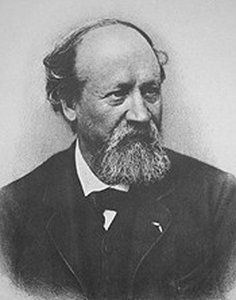
Eugène Ludović Boudin
1824 - 1898 , Франција
Osnovne informacije
- Artistic Movement Or Style: Импресионизам
- Artists Or Movements Influenced By This Artist: ['Клод Монет']
- Artists Who Influenced This Artist:
- Жоан Жонкомд
- Холандски ренесанса
- Date Of Birth: 12. јули 1824.
- Date Of Death: 8. август 1898.
- Full Name: Eugène Louis Boudin
- Nationality: Француски
- Notable Artworks:
- Стилски живот са клебером
- Панорама закатног неба
- Портрет девојчице
- Place Of Birth: Хонфлур, Француска
Povezani članci

Impressionistic Landscapes: 10 Masterpieces That Changed Art & Decor
Journey into the heart of Impressionism! Explore 10 masterpieces by Monet, Renoir & Degas that revolutionized landscape art. Discover their stories, techniques & find museum-quality reproductions to elevate your home decor on ArtsDot.com.

Impresionistički pejzaži: 10 remek-dela koja su definisala umetnički pokret
Otkrijte 10 remek-dela impresionizma koja su zauvek obeležila pejzažnu umetnost! Monet, Renoar i Degas – istražite priče iza svake slike. Inspiracija za dekoraciju enterijera i vrhunske reprodukcije na ArtsDot.com. Istražite kolekciju online!

Evocations of Place: A Historical Journey Through Landscape Art
Explore the rich history of landscape art with ArtsDot. Discover renowned artists, movements like Impressionism & Romanticism, and expert guidance for collecting timeless pieces. Find your perfect serene escape today!

Glavna dela koja su definisala Romantični pejzaž: 10 remek-dela za vaš dom
Otkrijte 10 remek-dela romantičnog pejzažnog slikarstva! Uronite u svet Claude Lorraina, Caspara David Friedricha i Turnera. Ispričane priče umetnosti, inspiracija za dekoraciju doma. Kvalitetne reprodukcije na ArtsDot.com – istražite celu kolekciju online!
Capturing Fleeting Light: A Comprehensive Exploration of Impressionistic Landscape Painting
Explore the captivating world of Impressionistic landscape painting! Discover techniques, key artists like Monet & Renoir, and its lasting influence on art history. A comprehensive guide for enthusiasts.