

 Pregledaj u prostoru
 Pošalji
 Podeli
 Detalji o delu

 Преузми
 Slični predmeti
 Rendgenski snimak
 Slajdovi
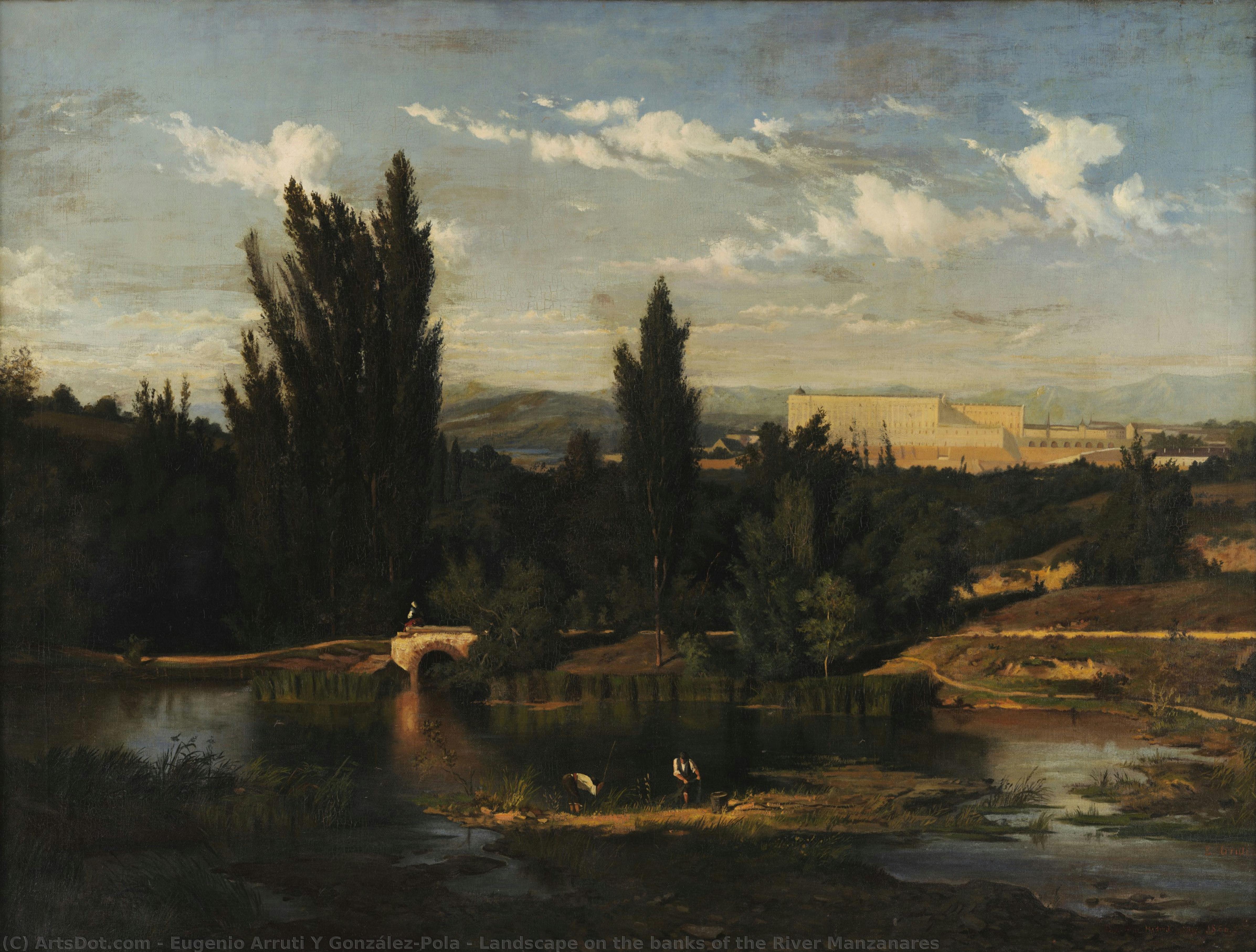
Landscape on the banks of the River Manzanares
 Realist Landscape Painting
 98.0 x 131.0 cm
 Gipuzkoa Heritage Collection Centre
 Pročitaj više
Kupite digitalnu sliku visoke rezolucije i poboljšanog kvaliteta, koja je znatno superiornija od onoga što vidite u online prikazu.
Svaka datoteka je pedantno pripremljena od strane naših stručnjaka koristeći napredne alate i profesionalnu ručnu retušu. Osiguravamo da svaka slika ima izuzetnu oštrinu, preciznu reprodukciju boja i fine detalje.
Konačna datoteka se dostavlja putem e-pošte u roku od 72 sata, optimizovana za neposrednu upotrebu u profesionalnim, izdavačkim i štamparskim okruženjima. To je isti kvalitet kojem veruju vrhunski studiji dizajna, izdavači i galerije.
Digitalna slika
Preuzmite datoteku visoke rezolucije za ličnu upotrebu, štampanje i kreativne projekte. ( Kupi print Kupi ručno naslikanu sliku)
Uključeno uz svaku porudžbinu digitalne slike
Profesionalna digitalna isporuka, zagarantovana
Kada odaberete ArtsDot.com, ne dobijate samo sliku – vi primate profesionalno unapređeno digitalno umetničko delo, izrađeno sa najvećom preciznošću i uz garanciju zadovoljstva. Evo svega što automatski dolazi uz vašu porudžbinu:

Brza dostava putem e-pošte
Vaša digitalna slika visoke rezolucije biće vam poslata putem e-pošte u roku od 72 sata od poručivanja – spremna za trenutnu upotrebu.

Digitalna datoteka unapređena veštačkom inteligencijom
Vaše umetničko delo je profesionalno optimizovano korišćenjem naprednih AI alata i ručne obrade, čime se osiguravaju maksimalni detalji, oštrina i preciznost boja.

Besplatna ponovna isporuka doživotno
Slučajno ste obrisali ili izgubili svoju datoteku? Ne brinite – poslaćemo vam je ponovo u bilo kom trenutku, potpuno besplatno.

Bez troškova uvoza – zauvek
Uživajte u svojim umetničkim delima trenutno, bez carine, dažbina ili troškova dostave – digitalni download je uvek bez poreza.

Garancija vernosti boja
Uz pomoć profesionalnih alata i upravljanja bojama, osiguravamo da vaša digitalna slika što vernije odražava originalne boje.

Garancija zadovoljstva u roku od 60 dana
Ako niste zadovoljni svojom digitalnom slikom, revidirat ćemo je ili vratiti 100% novca u roku od 60 dana – bez ikakvih pitanja.

100% garancija povrata novca
Niste zadovoljni? Obezbedite pun povrat novca u roku od 60 dana od trenutka kada ste primili svoju digitalnu datoteku – bez suvišnih pitanja.

Popusti na velike porudžbine
Kupite 3 slike, uštedite 10% - Kupite 5 slika, uštedite 15% - Kupite 10+ slika, uštedite 20%. Odlično za kreativne projekte, galerije i agencije.
Srodna umetnička dela
Biografija umetnika
Early Life and Artistic Foundations
Eugenio Arruti y González-Pola, born in the coastal town of Luanco, Spain, in 1841, emerged as a significant figure within the burgeoning Basque realist landscape movement. His early artistic journey was profoundly shaped by his studies under Carlos de Haes, a master known for his meticulous depictions of nature and atmospheric effects. This foundational training instilled in Arruti a deep appreciation for capturing the subtleties of light and shadow—a hallmark that would define his oeuvre. The Basque Country, with its dramatic coastlines, verdant hillsides, and ever-changing skies, provided an inexhaustible source of inspiration for the young artist. Unlike many of his contemporaries who sought grand historical or mythological subjects, Arruti found beauty and meaning in the everyday world around him, specifically the landscapes of Asturias and Guipúzcoa. This dedication to portraying the natural environment marked him as one of the first generation committed to Basque realism.The Development of a Distinct Style
Arruti’s artistic development was characterized by a relentless pursuit of authenticity in representing light and atmosphere. He wasn't merely documenting scenes; he was striving to convey the *feeling* of being present within them. His paintings are notable for their muted earth tones, often employing a pastel color palette that evokes a sense of tranquility and harmony. While influenced by de Haes’s precision, Arruti gradually developed his own unique voice—a style less concerned with photographic accuracy and more focused on capturing the emotional resonance of the landscape. He became adept at rendering the effects of mist, rain, and sunlight filtering through trees, creating paintings that are both visually captivating and deeply evocative. This ability to translate atmospheric conditions into tangible form quickly garnered him recognition within artistic circles.Key Works and Artistic Themes
Although a relatively small body of work survives, Arruti’s paintings offer compelling insights into his artistic vision. “Landscape on the River Manzanares” (1860), for example, exemplifies his mastery of Romantic oil painting techniques applied to Basque landscapes. The serene composition and atmospheric realism demonstrate his skill in capturing the beauty of nature. His dedication to portraying the landscapes of Asturias and Guipúzcoa is a recurring theme throughout his work, reflecting a deep connection to his homeland. He wasn’t interested in idealized or picturesque scenes; instead, he focused on representing the natural world as it was—with all its imperfections and nuances. This commitment to realism set him apart from many of his contemporaries who favored more stylized or dramatic representations.Exhibitions, Recognition, and Legacy
Arruti’s work received recognition through exhibitions at venues such as the Royal Academy of Fine Arts in San Sebastián, solidifying his position within the Spanish art world. While he may not have achieved widespread international fame during his lifetime, his contributions to Basque realist landscape painting are undeniable. He served as an important link between the earlier traditions of landscape painting and the emerging artistic movements of the late 19th century. His paintings continue to be admired for their atmospheric beauty, technical skill, and emotional depth. Eugenio Arruti y González-Pola’s legacy lies in his ability to capture the essence of the Basque Country—its light, its atmosphere, and its enduring natural beauty—and translate it onto canvas with remarkable sensitivity and artistry. His work remains a testament to the power of observation, dedication, and a deep connection to one's surroundings.Historical Significance
In the context of 19th-century Spanish art, Arruti’s focus on landscape painting represented a shift away from traditional historical and religious subjects. He was part of a growing movement that sought to celebrate the beauty of the natural world and portray the everyday lives of ordinary people. His paintings offer valuable insights into the social and cultural values of his time, reflecting a growing appreciation for regional identity and national pride. Furthermore, Arruti’s dedication to realism paved the way for future generations of Basque artists who would continue to explore the unique landscapes and artistic traditions of their homeland. His influence can be seen in the works of subsequent landscape painters who sought to capture the essence of the Basque Country with similar sensitivity and skill.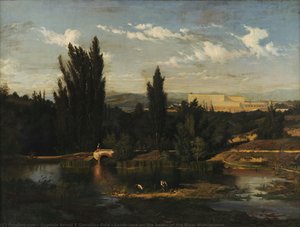
eugenio arruti y gonzález-pola
1841 - 1889 , Spain
Kratke činjenice
- Artistic Movement Or Style: Basque Realism
- Artists Who Influenced This Artist: ['Carlos de Haes']
- Date Of Birth: June 4, 1841
- Date Of Death: 1889
- Full Name: Eugenio Arruti y González-Pola
- Nationality: Spanish
- Notable Artworks: ['Landscape on the River Manzanares']
- Place Of Birth: Luanco, Spain

