

 Pregledaj u prostoru
 Pošalji
 Podeli
 Detalji o delu

 Преузми
 Slični predmeti
 Rendgenski snimak
 Slajdovi
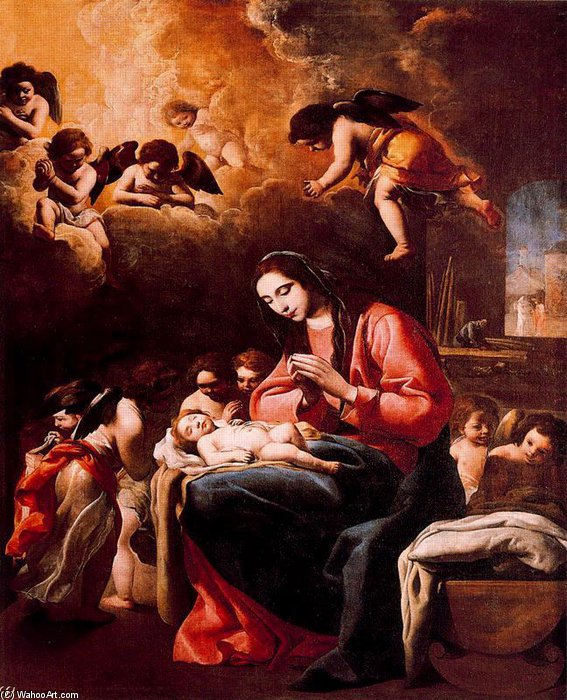
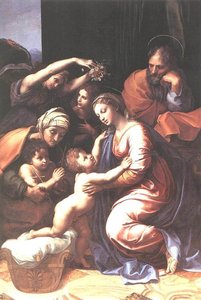
Virgen Con El Niño, Museo Del Prado
 Pročitaj više
Kupite digitalnu sliku visoke rezolucije i poboljšanog kvaliteta, koja je znatno superiornija od onoga što vidite u online prikazu.
Svaka datoteka je pedantno pripremljena od strane naših stručnjaka koristeći napredne alate i profesionalnu ručnu retušu. Osiguravamo da svaka slika ima izuzetnu oštrinu, preciznu reprodukciju boja i fine detalje.
Konačna datoteka se dostavlja putem e-pošte u roku od 72 sata, optimizovana za neposrednu upotrebu u profesionalnim, izdavačkim i štamparskim okruženjima. To je isti kvalitet kojem veruju vrhunski studiji dizajna, izdavači i galerije.
Digitalna slika
Preuzmite datoteku visoke rezolucije za ličnu upotrebu, štampanje i kreativne projekte. ( Kupi print Kupi ručno naslikanu sliku)
Uključeno uz svaku porudžbinu digitalne slike
Profesionalna digitalna isporuka, zagarantovana
Kada odaberete ArtsDot.com, ne dobijate samo sliku – vi primate profesionalno unapređeno digitalno umetničko delo, izrađeno sa najvećom preciznošću i uz garanciju zadovoljstva. Evo svega što automatski dolazi uz vašu porudžbinu:

Brza dostava putem e-pošte
Vaša digitalna slika visoke rezolucije biće vam poslata putem e-pošte u roku od 72 sata od poručivanja – spremna za trenutnu upotrebu.

Digitalna datoteka unapređena veštačkom inteligencijom
Vaše umetničko delo je profesionalno optimizovano korišćenjem naprednih AI alata i ručne obrade, čime se osiguravaju maksimalni detalji, oštrina i preciznost boja.

Besplatna ponovna isporuka doživotno
Slučajno ste obrisali ili izgubili svoju datoteku? Ne brinite – poslaćemo vam je ponovo u bilo kom trenutku, potpuno besplatno.

Bez troškova uvoza – zauvek
Uživajte u svojim umetničkim delima trenutno, bez carine, dažbina ili troškova dostave – digitalni download je uvek bez poreza.

Garancija vernosti boja
Uz pomoć profesionalnih alata i upravljanja bojama, osiguravamo da vaša digitalna slika što vernije odražava originalne boje.

Garancija zadovoljstva u roku od 60 dana
Ako niste zadovoljni svojom digitalnom slikom, revidirat ćemo je ili vratiti 100% novca u roku od 60 dana – bez ikakvih pitanja.

100% garancija povrata novca
Niste zadovoljni? Obezbedite pun povrat novca u roku od 60 dana od trenutka kada ste primili svoju digitalnu datoteku – bez suvišnih pitanja.

Popusti na velike porudžbine
Kupite 3 slike, uštedite 10% - Kupite 5 slika, uštedite 15% - Kupite 10+ slika, uštedite 20%. Odlično za kreativne projekte, galerije i agencije.
Srodna umetnička dela



Biografija umetnika
Eugenio Cajes: A Baroque Visionary of Madrid
The history of the Spanish Baroque is often told through the lens of its most famous titans, yet the tapestry of this era is woven with the threads of masters like Eugenio Cajes. Born in Madrid around 1575, Cajes was a painter whose very identity was a bridge between cultures. Though his life was rooted in the Spanish capital, his artistic soul was deeply shaped by a Florentine lineage. As the son of Patricio Cajés—a talented artist recruited to Spain by the ambassador Luis de Requesens—Eugenio inherited a legacy steeped in the refined traditions of Italy. This dual heritage allowed him to infuse the grandeur of the Spanish court with the sophisticated elegance of the Florentine school, creating a style that was both locally resonant and internationally informed.
The evolution of Cajes’s technique is a journey through the most transformative artistic movements of his time. His early years were marked by the classical influences of his father, a disciple of Alessandro Allori, which instilled in him a respect for balanced composition and anatomical precision. However, the true metamorphosis occurred around 1595, when Cajes traveled to Rome. Immersed in the vibrant, turbulent atmosphere of the Eternal City, he witnessed the dawn of Caravaggio’s naturalism. This exposure to the dramatic use of chiaroscuro—the interplay of profound shadow and piercing light—would become a hallmark of his mature work, lending an emotional intensity and a palpable sense of drama to his religious and historical narratives.
Royal Commissions and Monumental Mastery
Cajes’s professional ascent was inextricably linked to the highest echelons of Spanish power. His talent earned him a prestigious position within the royal courts of King Philip II and Philip III, eventually being appointed as a Painter to the King in August 1612. This role granted him access to the most significant architectural and religious projects of the age. One of his most breathtaking achievements was the decoration of the royal audience chamber in Madrid, where he executed a monumental depiction of Solomon’s Judgment upon the vault. Such works required not only technical skill but an ability to manage vast, complex compositions that could command the attention of a monarch.
Beyond the palace walls, Cajes left an indelible mark on Spain's sacred spaces. His collaborative spirit was evident in his work with Vincenzo Carducci, particularly in the decoration of the chapel of Our Lady del Sagrario in Toledo. He also contributed significant canvases to the retablo mayor of the Monastery of Guadalupe, demonstrating a versatility that allowed him to move seamlessly between intimate devotional pieces and massive, multi-figure altarpieces. His ability to weave together biblical storytelling with the opulent textures of the Baroque era made him a preferred hand for the most important ecclesiastical commissions in the kingdom.
A Legacy of Light and Narrative
The enduring significance of Eugenio Cajes lies in his ability to synthesize disparate influences into a cohesive, emotive language. Whether he was depicting the mythic allure of Leda and the Swan or the profound solemnity of The Adoration of the Magi, his work always sought to capture the divine within the human. In his religious paintings, the figures are not merely icons; they are characters imbued with a sense of weight, breath, and spiritual yearning. His mastery of detail—the shimmer of silk, the glint of gold, and the soft glow of skin—served to ground his grand narratives in a reality that felt both miraculous and immediate.
Though some of his most ambitious works, such as his large-scale historical canvas on the History of Agamemnon, have been lost to the passage of time, the remnants of his oeuvre continue to fascinate scholars and art lovers alike. Cajes remains a vital figure for understanding the complexity of the Spanish Baroque, representing a moment when the traditions of Italy and the ambitions of Spain converged to create something truly transcendent. His life and work stand as a testament to the power of artistic lineage and the transformative impact of cultural exchange.
Eugenio Cajes
1575 - 1634 , Spain
Kratke činjenice
- Artistic Movement Or Style: Baroque
- Artists Or Movements Influenced By This Artist: ['Caravaggio']
- Artists Who Influenced This Artist:
- Alessandro Allori
- Luis de requesens
- Date Of Birth: Madrid, Spain (1575)
- Date Of Death: 1634
- Full Name: eugenio cajes
- Nationality: Spanish
- Notable Artworks:
- Leda & The Swan
- The Adoration of the Magi
- Encuentro Ante La Puerta Dorada
- Place Of Birth: Madrid

