

 Pregledaj u prostoru
 Pošalji
 Podeli
 Detalji o delu

 Преузми
 Slični predmeti
 Rendgenski snimak
 Slajdovi
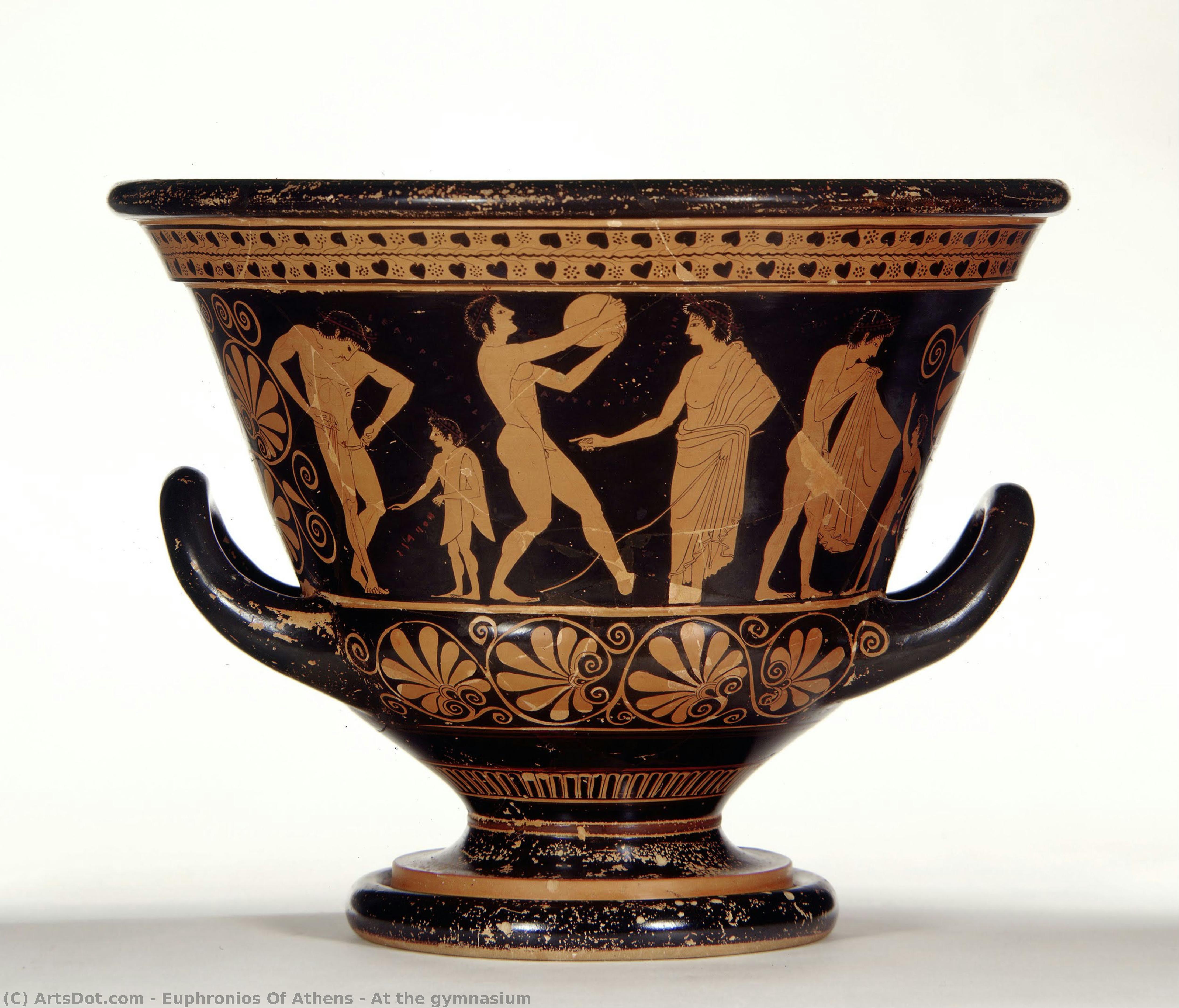
At the gymnasium
 446.0 x 348.0 cm
 Altes Museum
 Pročitaj više
Ručno rađena uljana reprodukcija
Ručno oslikano uljanim bojama na platnu u dimenzijama i okviru po vašem izboru, izrađeno po porudžbini od strane naših umetnika. ( Kupi print Kupi digitalnu sliku)




































Izaberite jednu od naših unapred definisanih veličina koje odgovaraju originalnim proporcijama umetničkog dela.

Можете унети сопствене димензије како бисте прилагодили дело одређеном оквиру или простору. Ако одабрана величина не одговара пропорцијама оригинала, слика ће бити исечена или проширена додатним елементима који се ручно насликавају. Дигитални prikaz ће вам бити послат на одобрење пре почетка производње.
Имајте на уму да преглед на екрану не одражава стварно исецање или проширење. Само приказ (mockup) ће тачно приказати коначну композицију.
Иако су доступне прилагођене величине, препоручујемо да одаберете димензију из дефинисане листе како бисте сачували оригиналне пропорције.
Nakon narudžbine, tim ArtsDot.com će klijentu putem e-pošte poslati uputstva i dostaviti prikaz predloženog rešenja
Isporuka širom sveta () za 3/4 nedelje umesto uobičajenih 5 nedelja. (7 септембар). Bez kompromisa po pitanju kvaliteta.

Besplatna ekspresna dostava širom sveta

Visokokvalitetno laneno platno

Kompletno osiguranje transporta

Garancija povraćaja carine i uvoznih dažbina

Garancija vernosti boja

Politika povrata u roku od 100 dana (samo u slučaju nedostataka)

Garancija povrata novca od 100%

Popust pri grupnoj kupovini
 Opcija sa staklom dostupna je samo za dimenzije manje od 110 cm

At the gymnasium
Tehnika reprodukcije
Dimenzije reprodukcije
-


Konačna cena
$ 263
Srodna umetnička dela




Biografija umetnika
Euphronios of Athens: A Pioneer of Red-Figure Art
The name Euphronios – meaning “cheerful” or “joyful” – resonates through the annals of ancient Greek art, primarily for his pivotal role in shaping the red-figure technique. More than just a potter and painter, Euphronios was a transformative figure who bridged the gap between the stylized elegance of black-figure pottery and the dynamic realism that would define the Classical period. His life, though shrouded in some mystery, is inextricably linked to the vibrant artistic landscape of Athens during the late 6th and early 5th centuries BC – an era of burgeoning democracy, philosophical inquiry, and unparalleled creative output.
Born around 535 BC, Euphronios emerged from a world where pottery was not merely functional but deeply intertwined with religious rituals, social customs, and political expression. Athens at this time was experiencing a period of remarkable growth and prosperity, fueled by trade and the patronage of wealthy citizens. This environment fostered an explosion of artistic activity, attracting talented individuals from across the Greek world. While precise details about Euphronios’s early life remain elusive – he is notably absent from literary sources – scholars believe he likely trained within one of the established pottery workshops in Athens, absorbing techniques and stylistic conventions from his predecessors.
Euphronios's significance lies not just in his individual creations but in his pioneering role as a leader within the “Pioneer Group.” This collective of artists, including Exekias, Telamon, and Sophilos, spearheaded the transition from the traditional black-figure technique – where figures were painted in silhouette against a dark background – to the revolutionary red-figure method. In this new approach, figures are rendered in red clay, while the drapery and background are left in black. This subtle shift dramatically increased the level of detail and realism achievable on pottery, allowing artists to capture nuanced expressions, intricate folds of fabric, and dynamic poses with unprecedented accuracy.
The Art of Euphronios: Mythological Scenes and Monumental Compositions
Euphronios’s work is predominantly characterized by large-scale mythological scenes, often depicting episodes from the Trojan War. These compositions are not merely decorative; they are imbued with a profound sense of drama, narrative complexity, and psychological insight. His mastery of red-figure technique allowed him to convey movement, emotion, and individual character in ways that were previously impossible. Consider his famous “Sarpedon Krater,” currently housed at the Metropolitan Museum of Art in New York – a masterpiece that exemplifies Euphronios’s innovative approach to depicting the human form.
The Sarpedon Krater vividly illustrates Euphronios's technical prowess and artistic vision. The scene depicts the death of Sarpedon, a Trojan hero son of Zeus, carried away by Sleep and Death. The figures are rendered with astonishing detail – from the musculature of Sarpedon’s body to the delicate expressions on the faces of the messengers. The composition is dynamic and engaging, drawing the viewer into the heart of the narrative. Notably, Euphronios signed the vase himself, a groundbreaking act that established him as one of the first artists in history to claim authorship of his work.
Beyond the Sarpedon Krater, Euphronios’s oeuvre includes numerous other significant works, including kylixes, tripodes (three-footed vases), and lekythoi (amphorae). These vessels showcase a remarkable range of subject matter – from scenes of heroic combat to depictions of daily life. His compositions are characterized by their monumental scale, dramatic lighting, and meticulous attention to detail. He was known for his ability to capture the essence of human emotion and create works that were both visually stunning and intellectually stimulating.
Influences and Development
Euphronios’s artistic development can be understood within the broader context of Athenian art history. He built upon the foundations laid by earlier potters, incorporating elements of traditional Attic style while simultaneously pushing the boundaries of innovation. His work reflects a growing interest in realism and naturalism – trends that were also evident in sculpture during this period.
The influence of Egyptian art is often cited as a key factor in Euphronios’s artistic development. The Greeks admired Egyptian art for its monumental scale, idealized figures, and sophisticated use of perspective. While the extent of his direct engagement with Egyptian models remains debated, it's clear that he was influenced by their aesthetic principles.
Furthermore, Euphronios’s work demonstrates a keen awareness of contemporary literary trends. He frequently depicted scenes from epic poems such as Homer’s *Iliad* and *Odyssey*, reflecting the importance of oral tradition in Athenian society. His ability to translate complex narratives into visual form underscores his artistic intelligence and cultural sensitivity.
Historical Significance and Legacy
Euphronios's contribution to ancient Greek art is immeasurable. He was a pivotal figure in the transition from black-figure to red-figure pottery, a technique that would become the dominant style for centuries. His innovative approach to depicting the human form profoundly influenced subsequent generations of artists, including Phidias, the sculptor who designed the Parthenon.
Moreover, Euphronios’s signature on his works – a rare and unprecedented act in ancient art – established a precedent for artistic attribution that continues to shape our understanding of Greek pottery today. His legacy endures not only through his surviving vases but also through the ongoing scholarly debate surrounding his life and work. He remains a central figure in the study of ancient Greek art, a testament to his enduring genius and transformative impact on the course of Western art history.

euphronios of athens
Greece
Osnovne informacije
- Artistic Movement Or Style: Red-figure pottery
- Artists Or Movements Influenced By This Artist: ['Early Classical art']
- Artists Who Influenced This Artist: ['Unknown influences']
- Date Of Birth: c. 535 – after 470 BC
- Full Name: Euphronios of Athens
- Nationality: Greek
- Notable Artworks:
- Sarpedon Krater
- Heracles wrestling Antaeus
- Place Of Birth: Athens, Greece