

 Pregledaj u prostoru
 Pošalji
 Podeli
 Detalji o delu

 Преузми
 Slični predmeti
 Rendgenski snimak
 Slajdovi
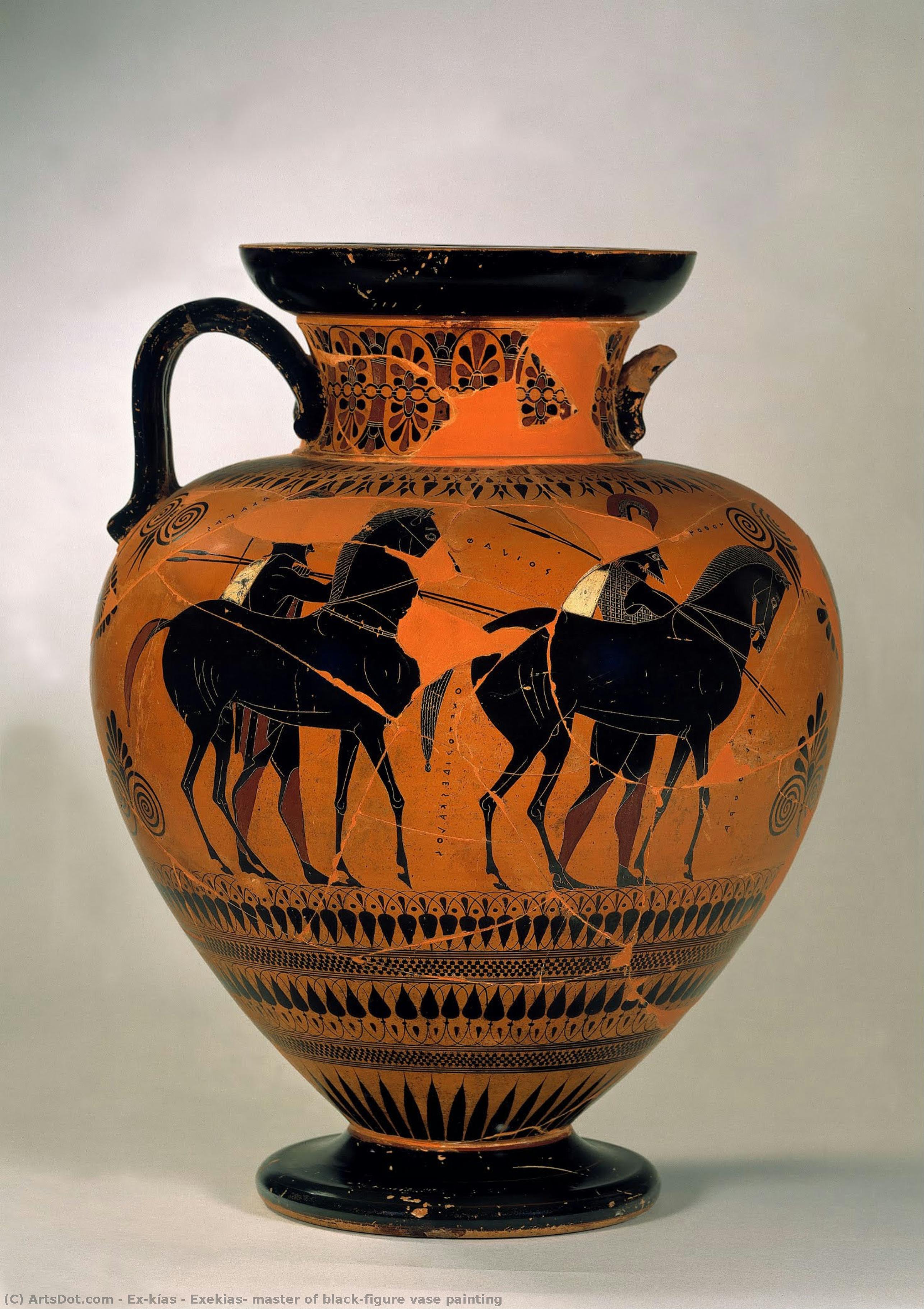
Exekias, master of black-figure vase painting


 Pročitaj više
Ručno rađena uljana reprodukcija
Ručno oslikano uljanim bojama na platnu u dimenzijama i okviru po vašem izboru, izrađeno po porudžbini od strane naših umetnika. ( Kupi print Kupi digitalnu sliku)




































Izaberite jednu od naših unapred definisanih veličina koje odgovaraju originalnim proporcijama umetničkog dela.

Можете унети сопствене димензије како бисте прилагодили дело одређеном оквиру или простору. Ако одабрана величина не одговара пропорцијама оригинала, слика ће бити исечена или проширена додатним елементима који се ручно насликавају. Дигитални prikaz ће вам бити послат на одобрење пре почетка производње.
Имајте на уму да преглед на екрану не одражава стварно исецање или проширење. Само приказ (mockup) ће тачно приказати коначну композицију.
Иако су доступне прилагођене величине, препоручујемо да одаберете димензију из дефинисане листе како бисте сачували оригиналне пропорције.
Nakon narudžbine, tim ArtsDot.com će klijentu putem e-pošte poslati uputstva i dostaviti prikaz predloženog rešenja
Isporuka širom sveta () za 3/4 nedelje umesto uobičajenih 5 nedelja. (1 септембар). Bez kompromisa po pitanju kvaliteta.

Besplatna ekspresna dostava širom sveta

Visokokvalitetno laneno platno

Kompletno osiguranje transporta

Garancija povraćaja carine i uvoznih dažbina

Garancija vernosti boja

Politika povrata u roku od 60 dana (samo u slučaju nedostataka)

Garancija povrata novca od 100%

Popust pri grupnoj kupovini
 Opcija sa staklom dostupna je samo za dimenzije manje od 110 cm

Exekias, master of black-figure vase painting
Tehnika reprodukcije
Dimenzije reprodukcije
-


Konačna cena
$ 263
Srodna umetnička dela
Biografija umetnika
The Silent Genius of Athenian Vase Painting
Exekias remains one of the most enigmatic figures in ancient Greek art history, a potter and painter whose mastery of the black-figure technique continues to inspire awe centuries later. Born around 545 BC in Athens—a city brimming with artistic innovation during the Archaic Period—he emerged as a pivotal voice within Athenian vase painting circles, shaping the aesthetic sensibilities of his time and establishing himself as arguably the greatest of all Attic vase artists. Despite leaving no written record of his life or personal beliefs, scholars reconstruct his existence through stylistic analysis of his surviving works and corroborating evidence from contemporary sources. He was a rare master who achieved the dual distinction of both potter and painter, a feat evidenced by the rare signatures on his vessels where he declares, “Exekias painted and made me.”A Pioneer of Psychological Depth
What distinguishes Exekias’s oeuvre is not merely technical brilliance—though undeniably impressive—but a profound understanding of human psychology that was remarkably advanced for its era. Unlike many of his contemporaries who focused on depicting mythological narratives with stylized, static figures, Exekias imbued his scenes with palpable emotion and nuanced characterization. His work often captures the quiet, heavy moments before or after great drama. Consider the famed Herakles & Warrior Amphora, where the musculature of Herakles is rendered with meticulous detail to convey a sense of determined effort and unwavering resolve. Yet, even within this display of strength, there is a subtle vulnerability in the accompanying warrior that speaks volumes about the anxieties inherent in warfare. This psychological realism was achieved through masterful incision techniques—carefully scratched lines etched into the clay surface before firing—which allowed for shading and contouring that surpassed anything seen previously in the Athenian workshops.Technical Mastery and Narrative Innovation
The artistry of Exekias is defined by a meticulous attention to detail that transformed functional clay vessels into profound narrative canvases. His use of the black-figure technique involved painting silhouettes in a slip that turned black during firing, followed by incredibly fine incisions to define anatomy, armor, and drapery. He often enriched these compositions with added red and white pigments to enhance the texture of chitons or the glint of weaponry. His ability to compose complex scenes is perhaps best seen in his depictions of Dionysian themes, such as his Athenian Black-figure Amphora featuring Dionysos surrounded by satyrs and maenads. In these works, he balances the chaotic energy of the mythological retinue with a structured, rhythmic grace. His compositions often utilized decorative elements like lotus flowers, palmettes, and volutes to frame his central dramas, creating a cohesive visual experience that guided the viewer's eye through the mythic landscape.Legacy and Historical Significance
The influence of Exekias extended far beyond his own lifetime, leaving an indelible mark on the trajectory of Greek art. His artistic vision profoundly impacted his pupils, most notably the Lysippides Painter, who is considered one of the foremost sculptors and painters of the subsequent generation. This lineage of excellence ensured that the principles of anatomical accuracy and dramatic tension established by Exekias became cornerstones of the Classical tradition. By elevating vase painting from mere craft to a medium capable of profound psychological expression, Exekias bridged the gap between the decorative and the profound. His work stands as a testament to a period of unparalleled creativity in Athens, representing the pinnacle of Archaic Greek art and serving as a foundational pillar for the development of Western visual storytelling.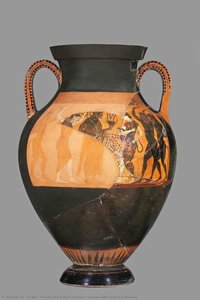
exēkías
Greece
Osnovne informacije
- Artistic Movement Or Style: Black-figure technique
- Artists Who Influenced This Artist:
- Andokides Painter
- Lysippides Painter
- Full Name: exēkías
- Nationality: Greek
- Notable Artworks: ['Dionysos with Satyrs and Maenads']
- Place Of Birth: Athens, Greece
Povezani članci

Dark Masterpieces: 10 Iconic Paintings Dominated by Black Tones |
Explore 10 iconic paintings dominated by black tones, from Rembrandt’s chiaroscuro to Goya's dark expressions. Discover the stories behind these masterpieces & find museum-quality art reproductions for your home at .
Echoes of Olympus: Mythological Narratives in Western Art Through the Ages
Explore the captivating history of mythological narratives in Western art! From ancient Greece to modern masterpieces, discover iconic artworks & symbolism. Expert analysis and high-quality reproductions at ArtsDot.
Mars Black Masterpieces: 10 Iconic Paintings & Timeless Art Decor Ideas
Delve into the power of 'Mars Black' with 10 iconic paintings by masters like Rembrandt & Caravaggio. Explore dramatic chiaroscuro, gothic art, and timeless beauty. Find museum-quality reproductions & elevate your home decor on .
Lamp Black & Masterpieces: 10 Paintings That Define Shadow & Light |
Delve into the captivating world of 'Lamp Black' tones with 10 iconic paintings by masters like Rembrandt & Caravaggio. Explore Baroque chiaroscuro, dramatic lighting & shadow in art history. Find museum-quality reproductions at
Ivory Black Masters: 10 Paintings That Define Dramatic Art |
Delve into the power of 'Ivory Black' with 10 iconic paintings by masters like Rembrandt & Caravaggio. Explore dramatic chiaroscuro, gothic moods & timeless art history. Find museum-quality reproductions and elevate your home decor at

