

 Pregledaj u prostoru
 Pošalji
 Podeli
 Detalji o delu

 Преузми
 Slični predmeti
 Rendgenski snimak
 Slajdovi
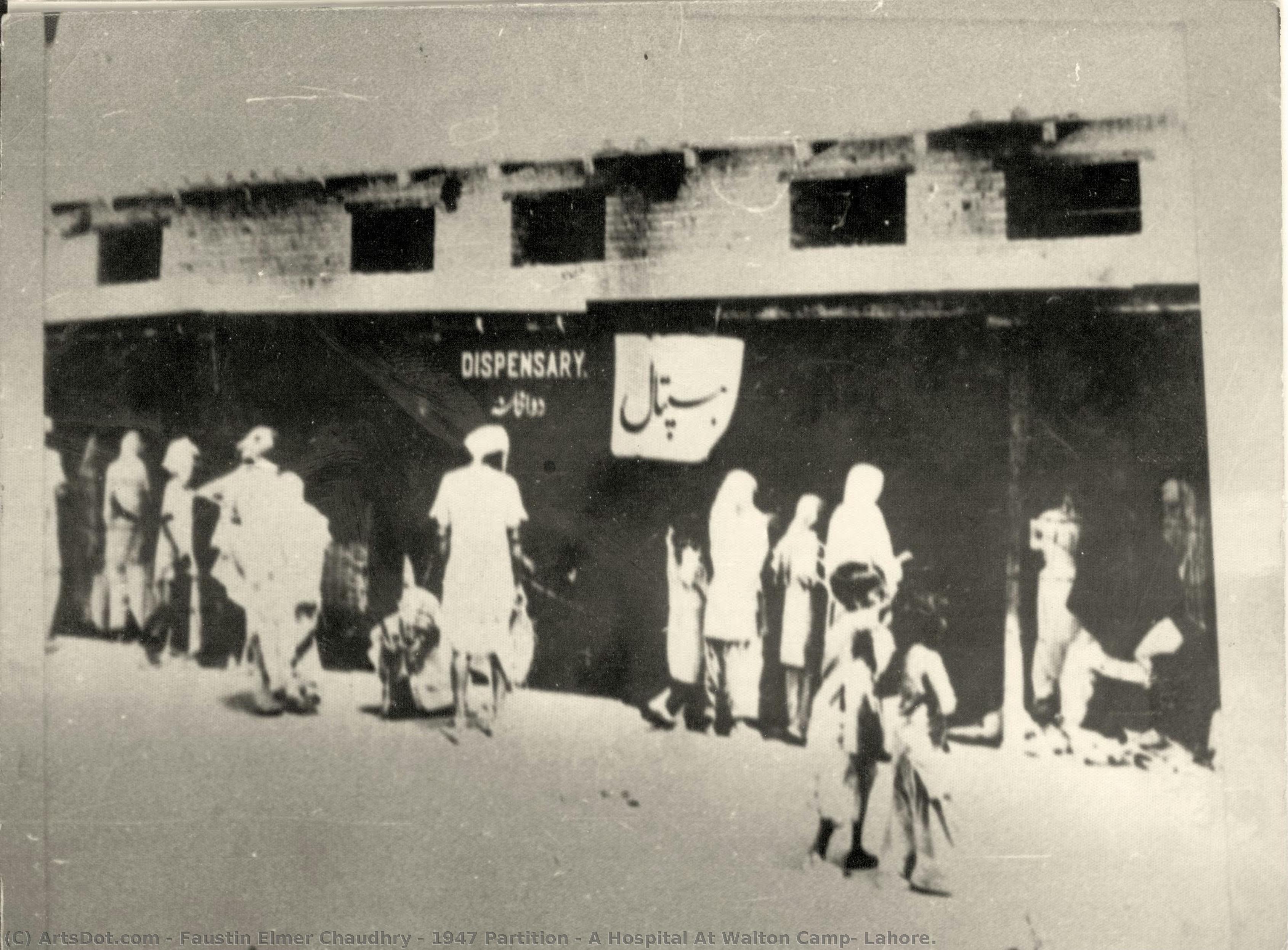
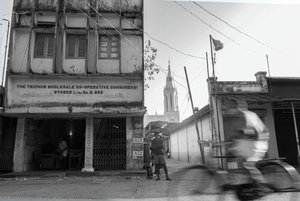
1947 Partition - A Hospital At Walton Camp, Lahore.


 Pročitaj više
Giclee štampa / Umetnički otisak
Giclée štampa ili print na platnu muzejskog kvaliteta uz brzu proizvodnju i fleksibilne opcije završne obrade. ( Kupi ručno naslikanu sliku Kupi digitalnu sliku)




































Izaberite jednu od naših unapred definisanih veličina koje odgovaraju originalnim proporcijama umetničkog dela.

Možete uneti sopstvene dimenzije kako biste umetničko delo prilagodili specifičnom okviru ili prostoru. Ako odabrani format ne odgovara proporcijama originalne slike, mi ćemo ili iscrtati deo dela ili proširiti sliku pomoću ogledane ivice ili jednobojnog popunjavanja. Digitalni prikaz će vam biti poslat na odobrenje pre početka proizvodnje.
Imajte na umu da pregled na ekranu ne odražava stvarno iscrtavanje ili proširivanje. Samo će prikaz (mockup) precizno pokazati finalnu kompoziciju.
Iako su prilagođene dimenzije dostupne, preporučujemo da odaberete dimenziju sa unapred definisane liste kako biste očuvali originalne proporcije.
Dostava širom sveta () za 2 nedelje umesto uobičajenih 4/5 nedelja. (5 септембар)

Besplatna ekspresna dostava širom sveta

Visokokvalitetno laneno platno

Kompletno osiguranje transporta

Garancija povraćaja carine i uvoznih dažbina

Garancija vernosti boja

Politika povrata u roku od 60 dana (samo u slučaju nedostataka)

Garancija povrata novca od 100%

Popust pri grupnoj kupovini
 Opcija sa staklom dostupna je samo za dimenzije manje od 110 cm

1947 Partition - A Hospital At Walton Camp, Lahore.
Giclee štampa / Umetnički otisak
Dimenzije reprodukcije
-


Konačna cena
$ 62
Srodna umetnička dela




Biografija umetnika
Francis Bacon: A Chronicle of Anguish and the Human Condition
Born in Dublin, Ireland, on October 28th, 1909, Francis Bacon’s life was a tapestry woven with threads of intellectual curiosity, bohemian excess, and profound artistic struggle. He wasn't initially destined for a career as an artist; his early years were marked by a restless spirit and a series of detours – interior decorating, gambling, and even a brief stint as a bon vivant in London’s Soho district. It was only in his late twenties that Bacon truly embraced painting, embarking on a journey to capture the raw, unsettling realities of the human experience—a journey that would cement his place as one of the 20th century's most challenging and influential figures.
Bacon’s artistic development wasn’t linear. Influenced initially by the vibrant colors and dynamic compositions of Pablo Picasso, he quickly moved beyond mimicry, developing a distinctly personal style characterized by distorted forms, grotesque imagery, and an almost unbearable sense of claustrophobia. He famously described his process as “seeing images in series,” suggesting a relentless pursuit of recurring motifs—faces, figures trapped within confined spaces, and the ever-present specter of violence. This obsessive repetition wasn’t born from a lack of imagination but rather a deliberate attempt to distill the essence of an idea or emotion, pushing it to its most extreme manifestation.
- Early Influences: Bacon's early work shows traces of Picasso’s Cubism and the expressive distortions of German Expressionism.
- The Harlem Renaissance: He was deeply influenced by the artistic community in Harlem, particularly through his friendship with Augusta Savage, a prominent figure in the movement.
- Recurring Motifs: Bacon's oeuvre is dominated by recurring themes – screaming faces, distorted bodies, and isolated figures—each imbued with a palpable sense of anxiety and despair.
The Dark Heart of the 20th Century
Bacon’s paintings are not merely representations of reality; they are visceral explorations of psychological torment. He didn't shy away from depicting violence, suffering, and the darker aspects of human nature. His subjects—often self-portraits or portraits of close friends—are rendered with a brutal honesty that confronts viewers with their own mortality and vulnerability. The figures in his paintings aren’t simply depicted; they are *felt*, radiating an intense emotional charge.
His most iconic works, such as *Three Studies for Figures at the Base of a Crucifixion* (1944), exemplify this approach. These triptychs—featuring distorted, screaming faces emerging from pools of blood—are not celebratory depictions of religious iconography but rather harrowing meditations on pain, guilt, and the inescapable nature of suffering. Similarly, his “screaming popes” series captures a sense of profound anguish and spiritual crisis, reflecting the anxieties of post-war Europe.
Bacon’s use of color is equally significant. He frequently employed jarring combinations of reds, yellows, and blacks—colors associated with violence, decay, and impending doom—to heighten the emotional impact of his work. His technique involved layering paint in thick impasto, creating a tactile surface that invites close examination and encourages viewers to confront the unsettling details of each image.
Formal Innovations and Artistic Evolution
Throughout his career, Bacon experimented with various formats and techniques, constantly pushing the boundaries of his artistic practice. He frequently employed triptychs and diptychs—panel paintings that allowed him to explore a single subject from multiple perspectives—and utilized unconventional materials such as collage and found objects. His work evolved through distinct phases, each reflecting a particular stage in his life and artistic development.
- 1930s Bio-Morphs: Early works featured distorted, biomorphic figures influenced by Picasso’s cubism.
- 1940s Male Heads: A series of isolated male heads trapped within confined spaces, reflecting the anxieties of wartime Britain.
- 1950s Animals and Lone Figures: Paintings depicting animals and solitary figures in desolate landscapes, evoking a sense of isolation and vulnerability.
- 1960s Crucifixions & Portraits of Friends: A shift towards more intimate portraits of his companions, often imbued with a melancholic undertone.
- 1980s Technical Paintings: Later works displayed a greater technical precision, reflecting Bacon’s mastery of his craft.
Legacy and Historical Significance
Francis Bacon died on April 28th, 1992, leaving behind an extraordinary body of work that continues to challenge and provoke viewers today. His paintings are not easy to look at—they demand a willingness to confront uncomfortable truths about the human condition. Yet, it is precisely this unflinching honesty that makes his art so enduringly powerful.
Bacon’s influence extends far beyond the realm of painting. He is considered a key figure in the development of Abstract Expressionism and has profoundly impacted subsequent generations of artists. His work serves as a stark reminder of the fragility of human existence, the inevitability of suffering, and the enduring power of art to grapple with the darkest aspects of our shared experience. His legacy lies not just in his distinctive visual style but also in his courageous exploration of the unspoken anxieties that lie beneath the surface of modern life.
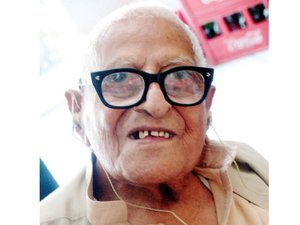
faustin elmer chaudhry
1909 - 2013 , India
Osnovne informacije
- Artistic Movement Or Style: Figurative art
- Artists Or Movements Influenced By This Artist: ['Abstract Expressionism']
- Artists Who Influenced This Artist:
- Picasso
- Furies
- Date Of Birth: October 28, 1909
- Date Of Death: April 28, 1992
- Full Name: Francis Bacon
- Nationality: British
- Notable Artworks:
- Three Studies...
- screaming popes
- portraits of friends
- Place Of Birth: Dublin, Ireland

