

 Pregledaj u prostoru
 Pošalji
 Podeli
 Detalji o delu

 Преузми
 Slični predmeti
 Rendgenski snimak
 Slajdovi
 Stats
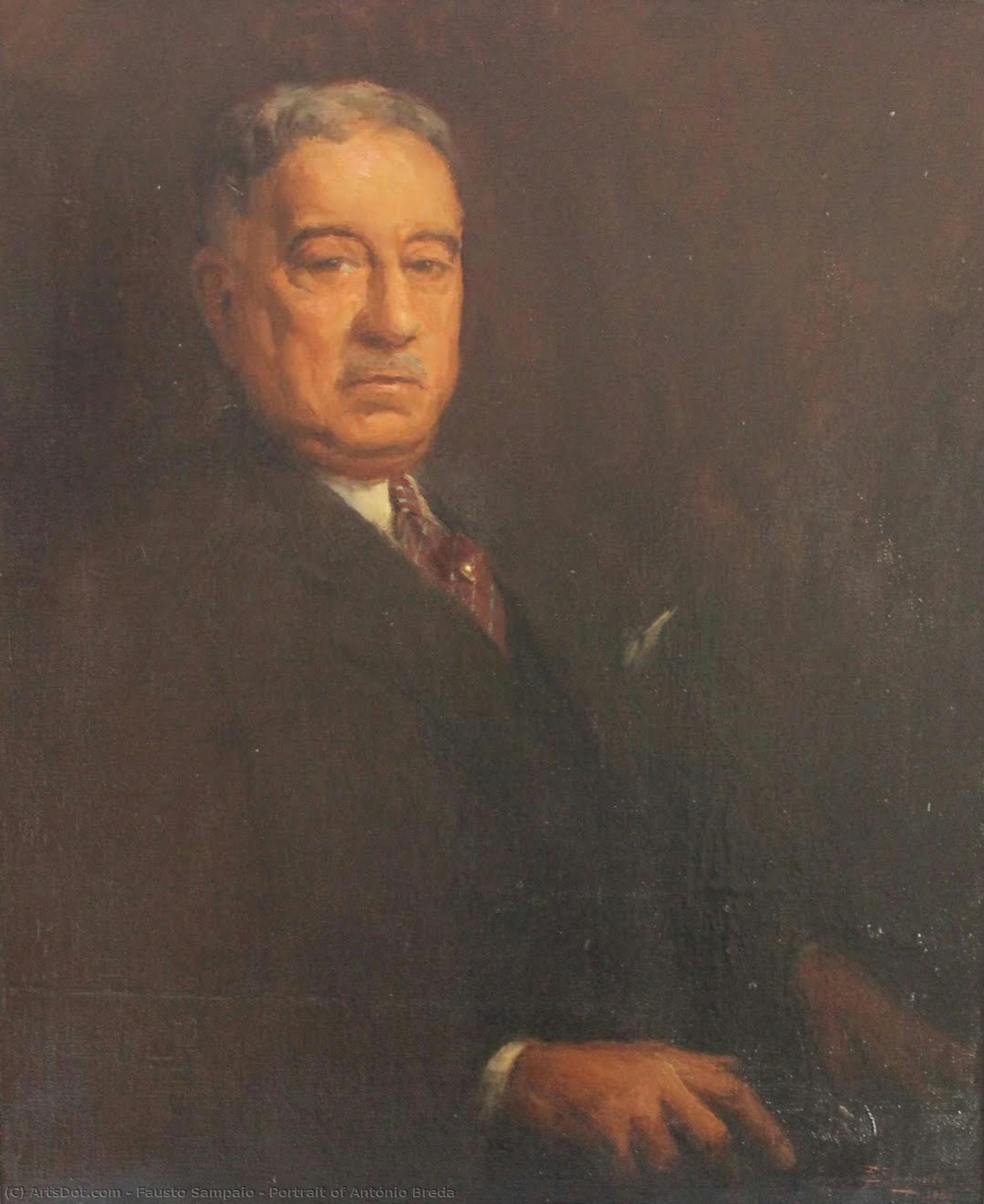
StatsPortrait of António Breda


 Pročitaj više
Kupite digitalnu sliku visoke rezolucije i poboljšanog kvaliteta, koja je znatno superiornija od onoga što vidite u online prikazu.
Svaka datoteka je pedantno pripremljena od strane naših stručnjaka koristeći napredne alate i profesionalnu ručnu retušu. Osiguravamo da svaka slika ima izuzetnu oštrinu, preciznu reprodukciju boja i fine detalje.
Konačna datoteka se dostavlja putem e-pošte u roku od 72 sata, optimizovana za neposrednu upotrebu u profesionalnim, izdavačkim i štamparskim okruženjima. To je isti kvalitet kojem veruju vrhunski studiji dizajna, izdavači i galerije.
Digitalna slika
Preuzmite datoteku visoke rezolucije za ličnu upotrebu, štampanje i kreativne projekte. ( Switch to Print Kupi ručno naslikanu sliku)
Uključeno uz svaku porudžbinu digitalne slike
Profesionalna digitalna isporuka, zagarantovana
Kada odaberete ArtsDot.com, ne dobijate samo sliku – vi primate profesionalno unapređeno digitalno umetničko delo, izrađeno sa najvećom preciznošću i uz garanciju zadovoljstva. Evo svega što automatski dolazi uz vašu porudžbinu:

Brza dostava putem e-pošte
Vaša digitalna slika visoke rezolucije biće vam poslata putem e-pošte u roku od 72 sata od poručivanja – spremna za trenutnu upotrebu.

Digitalna datoteka unapređena veštačkom inteligencijom
Vaše umetničko delo je profesionalno optimizovano korišćenjem naprednih AI alata i ručne obrade, čime se osiguravaju maksimalni detalji, oštrina i preciznost boja.

Besplatna ponovna isporuka doživotno
Slučajno ste obrisali ili izgubili svoju datoteku? Ne brinite – poslaćemo vam je ponovo u bilo kom trenutku, potpuno besplatno.

Bez troškova uvoza – zauvek
Uživajte u svojim umetničkim delima trenutno, bez carine, dažbina ili troškova dostave – digitalni download je uvek bez poreza.

Garancija vernosti boja
Uz pomoć profesionalnih alata i upravljanja bojama, osiguravamo da vaša digitalna slika što vernije odražava originalne boje.

Garancija zadovoljstva od 100 dana
Ako niste zadovoljni svojom digitalnom slikom, izvršićemo reviziju ili ćemo vam vratiti 100% novca u roku od 100 dana – bez ikakvih pitanja.

100% garancija povrata novca
Niste zadovoljni? Dobijte puni povraćaj novca u roku od 100 dana od prijema digitalne datoteke – bez suvišnih pitanja.

Popusti na velike porudžbine
Kupite 3 slike, uštedite 10% - Kupite 5 slika, uštedite 15% - Kupite 10+ slika, uštedite 20%. Odlično za kreativne projekte, galerije i agencije.
Srodna umetnička dela








Biografija umetnika
Edvard Munch: A Soul Painted in Shadow and Light
Edvard Munch (December 12, 1863 – January 23, 1944) stands as one of the most profoundly influential figures in modern art. His work, characterized by a visceral intensity and haunting beauty, transcends mere representation to delve directly into the realm of human emotion—particularly anxiety, despair, and the inescapable awareness of mortality. Born in Løten, Norway, amidst a family scarred by illness and loss, Munch’s life became inextricably linked with his art, shaping a body of work that continues to resonate deeply with viewers today. His legacy rests not just on technical skill but on his courageous exploration of the darkest corners of the human psyche, making him a pivotal figure in the development of Expressionism and Symbolism.Early Life and Influences: A Cradle of Sorrow
Munch’s childhood was profoundly shaped by tragedy. The early deaths of his mother and sister from tuberculosis instilled within him a lifelong preoccupation with illness, death, and the fragility of human existence. His father, a strict Christian fundamentalist, attributed these losses to divine punishment, a belief that permeated Munch's worldview and fueled a sense of existential dread. This atmosphere of sorrow wasn’t confined to familial grief; Munch also experienced the mental instability of his aunt, further contributing to a pervasive feeling of unease. Crucially, he studied at the Royal School of Art and Design in Kristiania (now Oslo), but quickly rejected the prevailing naturalistic aesthetic, seeking instead a more subjective and emotionally charged approach. He found inspiration in the bohemian circles of Kristiania, particularly through his association with Hans Jæger, a nihilist philosopher who encouraged Munch to “paint his own soul.” This pivotal encounter profoundly influenced Munch’s artistic direction, urging him to explore the inner landscape of human experience rather than simply depicting external reality. His travels to Paris and Berlin exposed him to the groundbreaking work of Paul Gauguin, Vincent van Gogh, and Henri de Toulouse-Lautrec, each offering unique perspectives on color, form, and emotional expression – particularly the use of color as a vehicle for conveying mood and psychological state.The Birth of Iconic Images: *The Scream* and Beyond
1893 marked a watershed moment in Munch’s career with the creation of *The Scream*, arguably his most famous work. The genesis of this iconic image is famously recounted by Munch himself – a walk at sunset, accompanied by an overwhelming sense of existential dread, culminating in what he described as “the enormous, infinite scream of nature.” *The Scream* isn’t merely a depiction of terror; it's a visual embodiment of the modern condition—a feeling of isolation and alienation within a vast and indifferent universe. The distorted figure, rendered in swirling blues and oranges, captures a moment of profound psychological distress, reflecting Munch’s own struggles with anxiety and despair. Following *The Scream*, Munch embarked on *The Frieze of Life*, a series of fourteen paintings depicting the stages of human existence—love, ecstasy, compassion, marriage, fertility, fear, suicide, temptation, treachery, agonies of birth, death, love’s agony, and reconciliation. These works, characterized by their raw emotionality and symbolic imagery, further solidified Munch's reputation as a visionary artist grappling with the complexities of human experience. Other notable works from this period include *Madonna*, a deeply personal meditation on motherhood and loss, and *Vessel*, exploring themes of mortality and decay.Style and Technique: A Language of Emotion
Munch’s artistic style is instantly recognizable—characterized by bold colors, distorted forms, and a deliberate disregard for realistic representation. He employed techniques such as visible brushstrokes, flattened perspectives, and the use of pastel to create a sense of immediacy and emotional intensity. His color palette often reflects his inner turmoil, utilizing vibrant reds and oranges to convey passion and anxiety, while somber blues and greens evoke feelings of melancholy and despair. Munch’s work is not about precise depiction but rather about conveying an *experience*—a feeling or state of mind. He frequently employed repetition and layering of images to create a sense of unease and disorientation, mirroring the fragmented nature of human consciousness. His prints, particularly lithographs and woodcuts, served as crucial vehicles for disseminating his ideas and expanding his artistic reach.Legacy and Historical Significance
Edvard Munch’s influence on 20th-century art is undeniable. He is considered a key precursor to Expressionism, paving the way for artists like Ernst Ludwig Kirchner and Emil Nolde who sought to express subjective emotions through distorted forms and jarring colors. His exploration of psychological themes—anxiety, alienation, death—resonates powerfully with contemporary audiences grappling with similar concerns. *The Scream*, in particular, has become a universal symbol of modern angst, reproduced countless times and referenced across various media. Beyond his artistic achievements, Munch’s life story – marked by personal tragedy and relentless creative struggle – serves as a poignant reminder of the power of art to confront difficult truths and illuminate the complexities of the human condition. His work continues to be exhibited worldwide, captivating viewers with its raw emotional honesty and enduring relevance.
fausto sampaio
1893 - 1956 , Portugal
Kratke činjenice
- Artistic Movement Or Style:
- Symbolism
- Expressionism
- Artists Or Movements Influenced By This Artist:
- Henri de Toulouse-Lautrec
- Expressionism
- Artists Who Influenced This Artist:
- Paul Gauguin
- Vincent van Gogh
- Date Of Birth: December 12, 1863
- Date Of Death: January 23, 1944
- Full Name: Edvard Munch
- Nationality: Norwegian
- Notable Artworks:
- The Scream
- Madonna
- Place Of Birth: Løten, Norway