

 Pregledaj u prostoru
 Pošalji
 Podeli
 Detalji o delu

 Преузми
 Slični predmeti
 Rendgenski snimak
 Slajdovi
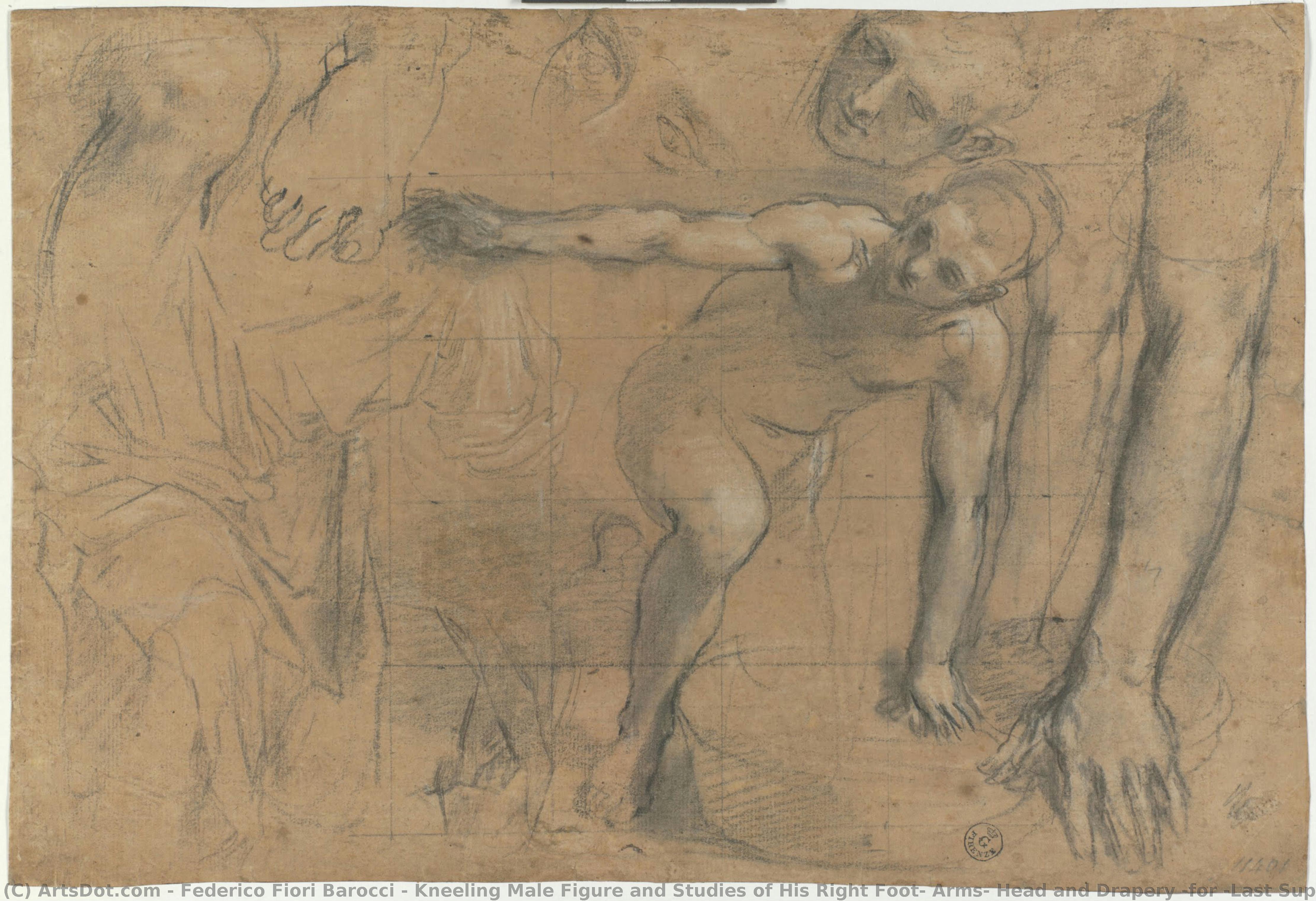
Kneeling Male Figure and Studies of His Right Foot, Arms, Head and Drapery (for “Last Supper”, Urbino, Cathedral of Santa Maria Vergine Assunta)
 Oil On Canvas
- WallArt
- Baroque Style
 28.0 x 41.0 cm
 Галерија Уфици
 Pročitaj više
Giclee štampa / Umetnički otisak
Giclée štampa ili print na platnu muzejskog kvaliteta uz brzu proizvodnju i fleksibilne opcije završne obrade. ( Kupi ručno naslikanu sliku Kupi digitalnu sliku)




P118B $10

P118H $10

P118W $10

P438Z $10

P508JH $12

P508YH $12

P805H $10

P805Z $10

P919BZ $10

P919G $10

P919XJ $10

P959ZH $10

P968JZ $12

W106C $8

W218G $10

W218JH $8

W218Y $10

W307PJ $10

W316G $10

W316PJ $8

W316Y $10

W398PJ $8

W4111J $10

W500HY $15

W500JH $15

W692G $12

W849H $8

W940BG $15

W953PJ $8




Izaberite jednu od naših unapred definisanih veličina koje odgovaraju originalnim proporcijama umetničkog dela.

Možete uneti sopstvene dimenzije kako biste umetničko delo prilagodili specifičnom okviru ili prostoru. Ako odabrani format ne odgovara proporcijama originalne slike, mi ćemo ili iscrtati deo dela ili proširiti sliku pomoću ogledane ivice ili jednobojnog popunjavanja. Digitalni prikaz će vam biti poslat na odobrenje pre početka proizvodnje.
Imajte na umu da pregled na ekranu ne odražava stvarno iscrtavanje ili proširivanje. Samo će prikaz (mockup) precizno pokazati finalnu kompoziciju.
Iako su prilagođene dimenzije dostupne, preporučujemo da odaberete dimenziju sa unapred definisane liste kako biste očuvali originalne proporcije.
Dostava širom sveta () za 2 nedelje umesto uobičajenih 4/5 nedelja. (3 септембар)

Besplatna ekspresna dostava širom sveta

Visokokvalitetno laneno platno

Kompletno osiguranje transporta

Garancija povraćaja carine i uvoznih dažbina

Garancija vernosti boja

Politika povrata u roku od 60 dana (samo u slučaju nedostataka)

Garancija povrata novca od 100%

Popust pri grupnoj kupovini
 Opcija sa staklom dostupna je samo za dimenzije manje od 110 cm

Kneeling Male Figure and Studies of His Right Foot, Arms, Head and Drapery (for “Last Supper”, Urbino, Cathedral of Santa Maria Vergine Assunta)
Giclee štampa / Umetnički otisak
Dimenzije reprodukcije
-


Konačna cena
$ 62
A Moment Frozen in Grace: Federico Barocci’s Kneeling Figure
Federico Fiori Barocci's "Kneeling Male Figure and Studies of His Right Foot, Arms, Head and Drapery (for “Last Supper”, Urbino, Cathedral of Santa Maria Vergine Assunta)” is not merely a depiction of a man in prayer; it’s a profound exploration of human vulnerability, devotion, and the meticulous process of artistic creation. Painted around 1583, this work, originally conceived as part of the monumental altarpiece for the cathedral of Santa Maria Vergine Assunta in Urbino, captures a pivotal moment – a silent plea, a gesture of supplication rendered with an almost unbearable intensity. The figure, identified as likely representing Christ himself, is presented in a posture of profound humility, his head bowed and arms outstretched, seemingly reaching towards an unseen divine presence. The composition isn’t about grand gestures or dramatic action; instead, it focuses on the quiet dignity of a soul seeking solace, a stillness that invites contemplation.
Barocci's style during this period exemplifies a masterful synthesis of Mannerism and nascent Baroque elements. He inherited the refined elegance and complex spatial arrangements characteristic of his early training with Federico Zuccari in Rome, yet he infused it with a heightened emotionality and a vibrant use of color that foreshadowed the dynamism of Rubens. Notice how the figure’s drapery flows with an almost liquid quality, creating folds and shadows that seem to shift and breathe. The subtle variations in tone – from the deep blues and purples of the background to the warmer ochres and browns of the figure's garments – contribute to a remarkable sense of depth and volume. The meticulous detail evident in the rendering of his hands, clasped together in prayer, speaks volumes about Barocci’s dedication to anatomical accuracy and expressive realism.
The Studio of Creation: A Study in Process
What truly distinguishes this work is its intimate connection to Barocci's unique artistic method. This painting wasn’t conceived as a finished product but rather as the culmination of an extensive series of preparatory studies – hundreds of sketches, drawings, and color experiments that document every stage of his creative process. These preliminary works, now housed in various collections, offer an unparalleled glimpse into Barocci's working habits. The image itself is a testament to this approach; it’s not simply a painting but a carefully constructed composite of numerous smaller studies, each contributing to the final composition. The background, for instance, appears almost like a collage of fragmented architectural elements and atmospheric effects – a deliberate choice that reflects Barocci's fascination with perspective and his desire to create an illusion of space.
The inclusion of what appears to be a handbag in the lower right corner is particularly intriguing. While seemingly out of place, it adds a layer of human interest and perhaps even a subtle commentary on earthly concerns amidst spiritual devotion. It’s a detail that invites speculation – was it a personal item, a symbol of worldly possessions, or simply an element introduced to further complicate the composition? Barocci's genius lay in his ability to imbue even the most mundane objects with symbolic significance.
Symbolism and Spiritual Resonance
The kneeling posture itself is laden with symbolism. It’s a gesture of submission, reverence, and humility – a direct appeal to the divine. The outstretched arms suggest a reaching out, not just physically but spiritually, embodying a fervent desire for connection and grace. Considering the painting's original context within the cathedral, it’s likely intended to evoke feelings of piety and encourage contemplation among the faithful. Barocci was deeply influenced by the Counter-Reformation, and his art often served as a powerful tool for religious propaganda – conveying complex theological ideas through evocative imagery and emotional resonance.
Furthermore, the figure's face, though partially obscured, conveys an expression of profound sorrow and longing. This vulnerability is amplified by the soft lighting that bathes the scene in a gentle glow, creating a sense of intimacy and encouraging viewers to connect with the subject on a deeply personal level. The overall effect is one of quiet contemplation, inviting us to reflect on our own faith, hopes, and struggles.
A Timeless Masterpiece: Reproduction Possibilities
Reproductions of “Kneeling Male Figure” offer an exceptional opportunity to bring this remarkable artwork into your home or office. Available in a range of sizes and mediums – from high-quality canvas prints to meticulously crafted framed reproductions – these faithful recreations capture the essence of Barocci’s original vision with stunning accuracy. The rich colors, intricate details, and evocative atmosphere are faithfully reproduced, allowing you to experience the profound beauty and spiritual depth of this timeless masterpiece. Whether as a statement piece in a contemporary setting or a cherished addition to a traditional interior, a reproduction of this work will undoubtedly serve as a source of inspiration and contemplation for years to come.
Srodna umetnička dela
Biografija umetnika
Rani Život i Obrazovanje Federica Barokija
Federico Fiori, poznatiji kao Federico Barocci (1535-1612), bio je istaknuti italijanski renesansni slikar i grafičar. Rođen u Urbinu, gradu bogate umetničke tradicije, Barocci je od malena pokazivao talent za crtanje i slikanje. Njegovo umetničko putovanje započelo je pod nadzorom oca, Ambrogia Barokija, lokalnog vajara koji ga je upoznao sa osnovama vizuelne umetnosti. Međutim, pravi temelj njegovog obrazovanja postavljen je u radionici Battiste Franca, uglednog slikara u Urbinu. Upravo je kod Franca mladi Federico usvojio prve tehnike i principe slikarstva koji će kasnije definisati njegov jedinstveni stil. Ime “il Baroccio”, što se na severnoitalijanskim dijalektima odnosi na dvotočkašku lajsnu vučenu volovima, postalo je njegovo nadimanje, a vremenom i prepoznatljivo umetničko ime.Umetnički Razvoj i Inspiracije
Barokijev rad brzo je privukao pažnju i poštovanje u umetničkim krugovima. Njegov stil se isticao mešavinom renesansne elegancije i novih, dramatičnijih elemenata koji su nagoveštavali baroknu estetiku. Nakon Urbina, Barocci je otišao u Rim, gde je radio u radionici Taddea i Federica Zuccarija, dva vodeća slikara tog vremena. Ovo iskustvo bilo je ključno za njegov umetnički razvoj, jer ga je izložilo različitim stilovima i tehnikama, a takođe mu je omogućilo da se upozna sa najnovijim trendovima u umetnosti. Jedan od prvih značajnijih radova bio je “Sveta Margareta”, delo koje je demonstriralo njegovu sposobnost da stvara emotivne i sugestivne kompozicije. Pozvan od pape Pija IV, Barocci se uključio u dekoraciju Vatikanske palate Belvedere, gde je oslikao Bogorodicu sa detetom i nekoliko svetitelja, kao i fresku koja prikazuje Blagovesti.Značajna Dela i Nasleđe
Barokijev opus obuhvata širok spektar tema, ali su posebno istaknute njegove religiozne kompozicije i portreti. Njegova dela odlikuju se izuzetnom pažnjom prema detaljima, bogatom paletom boja i sposobnošću da prenese duboke emocije. Među najpoznatija dela spadaju “Rođenje Hristovo” (1597), koje se danas nalazi u muzeju Prado u Madridu, “Madonna del Popolo”, čuvana u galeriji Uffizi u Firenci, i “Madonna sa mačkom” (“La Madonna del Gatto”), koja očarava svojom intimnom atmosferom. Pored ovih ikoničnih dela, Barocci je ostavio za sobom niz studija figura, kao što su “Pet Studija Muških Figura i dva desne ruke i ruke”, koje svedoče o njegovoj majstoriji u prikazivanju ljudskog tela. Njegova kompoziciona rešenja, poput one iz skice za “Obrezanje” (Musée du Louvre, Pariz), pokazuju njegovu sposobnost da uspostavi ravnotežu između forme i emocija.Umetnički Uticaj i Sledbenici
Federico Barocci je imao ogroman uticaj na generacije umetnika koji su došli posle njega. Njegov dramatičan, emotivan stil i inovativna upotreba boja inspirisali su mnoge slikare, uključujući i Petra Paula Rubensa, jednog od najvećih majstora baroka. Barokijev uticaj se može prepoznati u radovima brojnih umetnika koji su težili da postignu sličan nivo ekspresivnosti i realizma. Njegovo nasleđe je danas proslavljeno kroz brojna dela koja se čuvaju u prestižnim muzejima širom sveta, kao što su galerija Uffizi (Firenca) i Musée du Louvre (Pariz). Barocci je zauvek ostao upamćen kao umetnik koji je uspešno spojio renesansnu lepotu sa novim baroknim tendencijama, stvarajući dela koja su obeležila prelomni period u istoriji umetnosti.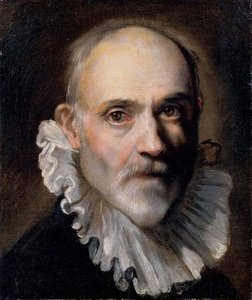
Федерико Бароћи
1535 - 1612 , Италија
Osnovne informacije
- Artistic Movement Or Style: Renesansa, Barok
- Artists Or Movements Influenced By This Artist: ['Peter Paul Rubens']
- Artists Who Influenced This Artist: ['Battista Franco']
- Date Of Birth: 1535.
- Date Of Death: 1612.
- Full Name: Federico Fiori Barocci
- Nationality: Italijan
- Notable Artworks:
- Rođenje Hrista
- Madonna del Popolo
- Navještenje
- Place Of Birth: Urbino, Italija
Povezani članci
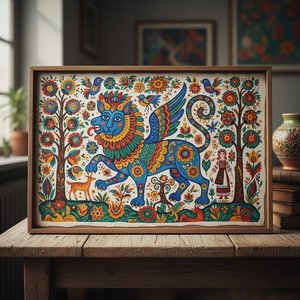
Maria Primachenko: A Legacy of Ukrainian Folk Art & Naive Expression
Discover the captivating world of Maria Primachenko, Ukraine's celebrated naive artist. Explore her vibrant paintings, unique style, and enduring legacy with ArtsDot – your source for authentic art insights & reproductions.
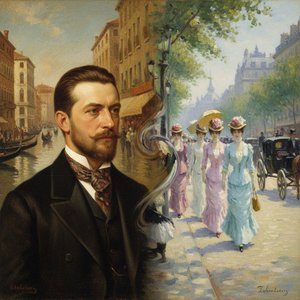
Federico Zandomeneghi: Bridging Venetian Tradition & Parisian Impressionism
Discover Federico Zandomeneghi (1841-1917), a captivating Italian Impressionist bridging Venetian tradition and Parisian modernity. Explore his intimate scenes, unique style & legacy with ArtsDot.
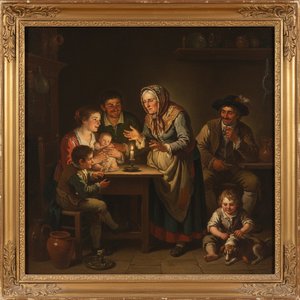
Giuseppe Maria Crespi: Pioneering Genre Painting & the Bolognese Baroque
Explore the life & art of Giuseppe Maria Crespi, a pivotal Bolognese Baroque painter. Discover his groundbreaking genre scenes, religious works, and lasting influence on Italian art history. Learn more at ArtsDot.
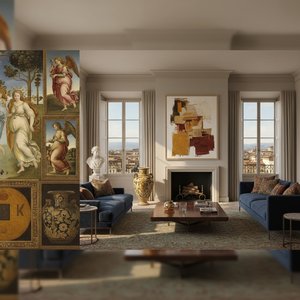
25 Remek-dela Galerije Uffizi: Putovanje kroz renesansnu lepotu | ArtsDot.com
Istražite 25 remek-dela Galerije Uffizi u Firenci! Otkrijte priče iza slika Leonarda da Vinčija, Mikelanđela i Botticellija. Pronađite inspiraciju za dekoraciju enterijera i kupite reprodukcije vrhunske kvalitete na ArtsDot.com.

