

 Pregledaj u prostoru
 Pošalji
 Podeli
 Detalji o delu

 Преузми
 Slični predmeti
 Rendgenski snimak
 Slajdovi
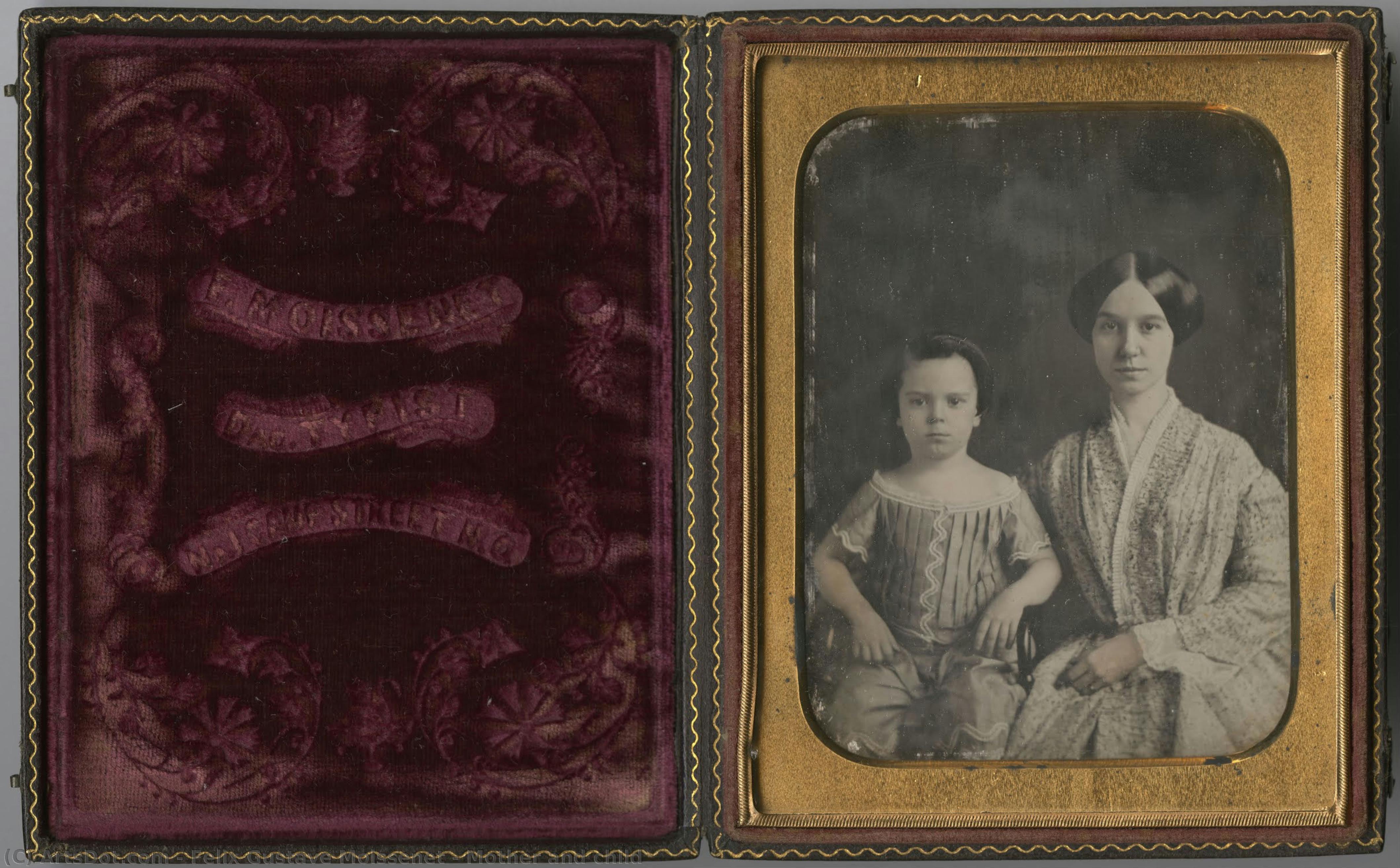
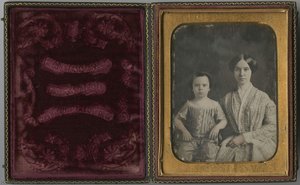
Mother and child


 Pročitaj više
Ručno rađena uljana reprodukcija
Ručno oslikano uljanim bojama na platnu u dimenzijama i okviru po vašem izboru, izrađeno po porudžbini od strane naših umetnika. ( Kupi print Kupi digitalnu sliku)




































Izaberite jednu od naših unapred definisanih veličina koje odgovaraju originalnim proporcijama umetničkog dela.

Можете унети сопствене димензије како бисте прилагодили дело одређеном оквиру или простору. Ако одабрана величина не одговара пропорцијама оригинала, слика ће бити исечена или проширена додатним елементима који се ручно насликавају. Дигитални prikaz ће вам бити послат на одобрење пре почетка производње.
Имајте на уму да преглед на екрану не одражава стварно исецање или проширење. Само приказ (mockup) ће тачно приказати коначну композицију.
Иако су доступне прилагођене величине, препоручујемо да одаберете димензију из дефинисане листе како бисте сачували оригиналне пропорције.
Nakon narudžbine, tim ArtsDot.com će klijentu putem e-pošte poslati uputstva i dostaviti prikaz predloženog rešenja
Isporuka širom sveta () za 3/4 nedelje umesto uobičajenih 5 nedelja. (31 август). Bez kompromisa po pitanju kvaliteta.

Besplatna ekspresna dostava širom sveta

Visokokvalitetno laneno platno

Kompletno osiguranje transporta

Garancija povraćaja carine i uvoznih dažbina

Garancija vernosti boja

Politika povrata u roku od 60 dana (samo u slučaju nedostataka)

Garancija povrata novca od 100%

Popust pri grupnoj kupovini
 Opcija sa staklom dostupna je samo za dimenzije manje od 110 cm

Mother and child
Tehnika reprodukcije
Dimenzije reprodukcije
-


Konačna cena
$ 263
Srodna umetnička dela







Biografija umetnika
Jean-François Millet: A Painter of the People
Jean-François Millet, born in Gruchy, a small village near Cherbourg in Normandy, on October 4th, 1814, and passing away in Barbizon on January 20th, 1875, remains one of the most enduring figures in French art. His legacy isn’t defined by grand narratives or revolutionary techniques, but rather by a profound empathy for the lives of ordinary people – particularly rural laborers – and his ability to capture their dignity, hardship, and quiet resilience on canvas. Millet's journey from humble beginnings as a farmhand to becoming a celebrated artist is a testament to his dedication and artistic vision, deeply rooted in the landscapes and communities he knew so intimately.
Millet’s early life was inextricably linked to the land. He spent his youth working alongside his family on their farm, an experience that instilled within him a deep respect for rural labor and a keen observational eye. This practical grounding contrasted sharply with the formal artistic training he eventually pursued in Cherbourg, where he initially studied portraiture before gravitating towards the burgeoning movement of Realism. His early works, while technically proficient, lacked the distinctive character that would later define his style. It wasn’t until 1844, with the creation of *The Milkmaid*, a painting depicting a young woman drawing water from a well, that Millet truly found his voice. This work, imbued with a remarkable sense of naturalism and psychological depth, immediately garnered attention and signaled a shift towards his signature subject matter – the lives of peasants.
Barbizon School and Rustic Realism
The pivotal moment in Millet’s artistic development arrived in 1849 when he relocated to Barbizon, a small hamlet nestled within the Fontainebleau forest. This move was more than just a change of scenery; it represented a conscious decision to immerse himself in the world he had so keenly observed during his childhood. The Barbizon School, which Millet helped establish, championed a style characterized by direct observation of nature, loose brushwork, and an emphasis on capturing the atmosphere and light of the landscape. Unlike the polished surfaces favored by many Salon artists, Millet’s paintings often retained traces of the canvas, reflecting a commitment to portraying reality with honesty and immediacy. He sought to depict not idealized beauty, but the authentic experience of rural life – its joys, sorrows, and inherent dignity.
- Key Characteristics: Loose brushwork, atmospheric perspective, focus on natural light, depiction of peasant labor.
- Influences: Old Masters (particularly Poussin), the Barbizon landscape painters (e.g., Théodore Rousseau).
Iconic Works and Critical Reception
Millet’s most celebrated works, such as *The Winnower* (1848-49) – a poignant depiction of a farmer assessing his harvest – and *The Angelus* (1859), arguably his most famous painting, cemented his reputation as a chronicler of rural life. *The Angelus*, portraying a peasant couple pausing in their work to attend the ringing of the church bell, became an instant sensation, reproduced countless times and embodying a sense of timelessness and universal human experience. However, Millet’s success was not without its complexities. His depictions of peasants often sparked controversy, with critics accusing him of promoting socialist ideals or glorifying poverty. Despite these criticisms, Millet remained steadfast in his artistic vision, driven by a genuine desire to portray the lives of those who sustained France.
Legacy and Lasting Impact
Despite facing periods of obscurity, particularly due to the popularity of *The Angelus*, Jean-François Millet’s influence on 19th-century art is undeniable. His commitment to realism, his empathetic portrayal of peasant life, and his innovative use of light and color paved the way for later generations of artists. His work resonated deeply with a public increasingly interested in social issues and the lives of ordinary people. Furthermore, Millet’s legacy extends beyond the realm of art; he is remembered as a champion of rural values and a testament to the power of observation and empathy. His paintings continue to evoke a sense of quiet dignity and timeless beauty, reminding us of the enduring relevance of his subject matter.
Millet's work remains prominently displayed in institutions like the Musée d’Orsay in Paris and the National Gallery in London, ensuring that his profound contribution to art history is celebrated for generations to come.
felix gustave moissenet
1814 - 1874 , United States of America
Osnovne informacije
- Artistic Movement Or Style:
- Barbizon school
- Realism
- Artists Or Movements Influenced By This Artist:
- Seurat
- van Gogh
- Artists Who Influenced This Artist: ['Paul Delaroche']
- Date Of Birth: Oct 4, 1814
- Date Of Death: Jan 20, 1875
- Full Name: Jean-François Millet
- Nationality: French
- Notable Artworks:
- The Milkmaid
- The Winnower
- The Angelus
- Place Of Birth: Gruchy, France

