

 Pregledaj u prostoru
 Pošalji
 Podeli
 Detalji o delu

 Преузми
 Slični predmeti
 Rendgenski snimak
 Slajdovi
 Stats
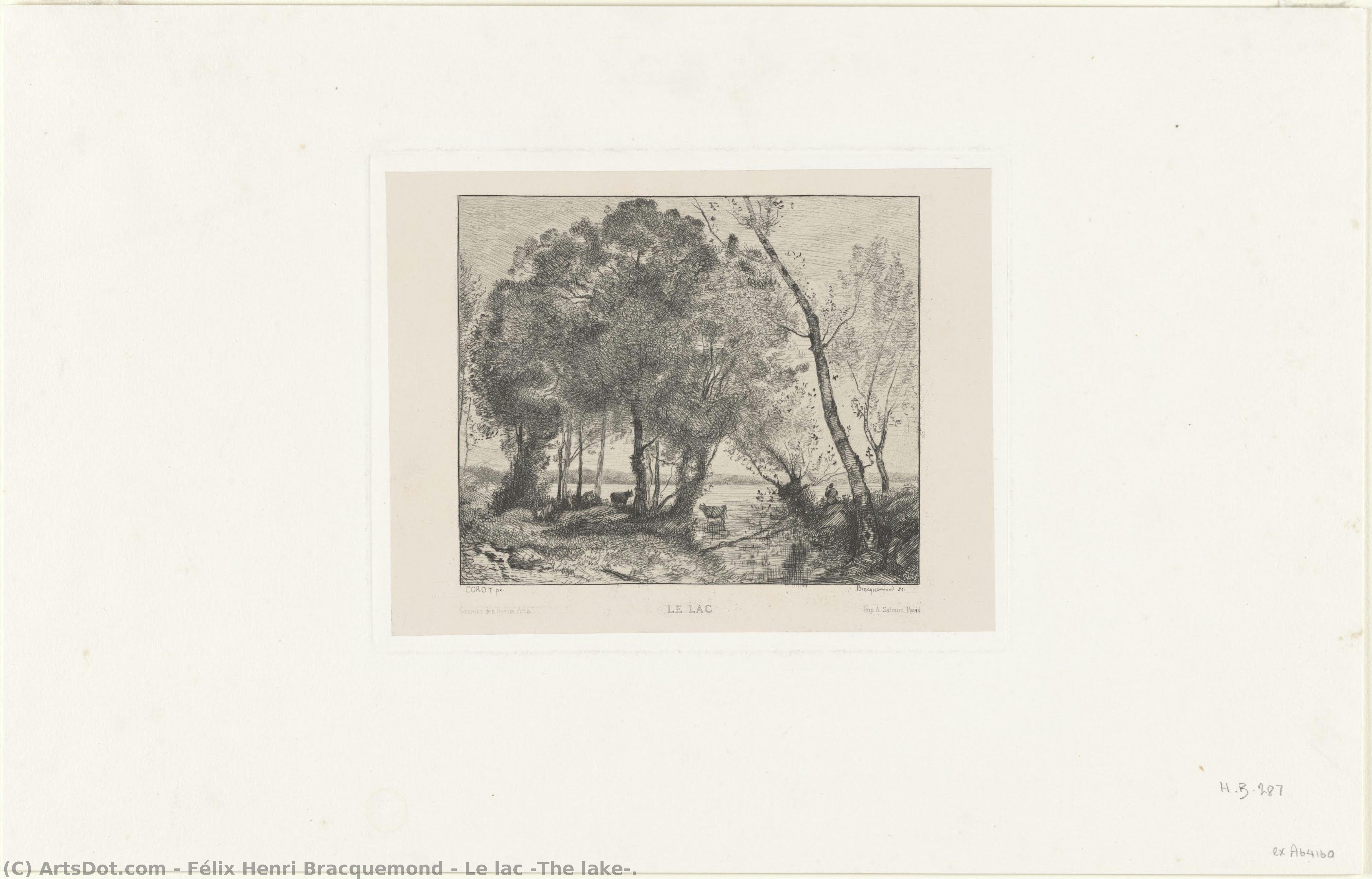
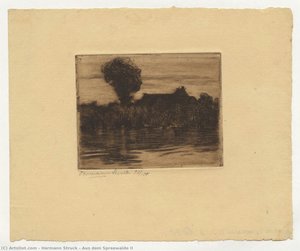
StatsLe lac (The lake).


 Pročitaj više
Ručno rađena uljana reprodukcija
Ručno oslikano uljanim bojama na platnu u dimenzijama i okviru po vašem izboru, izrađeno po porudžbini od strane naših umetnika. ( Switch to Print Switch to Digital Image)




































Izaberite jednu od naših unapred definisanih veličina koje odgovaraju originalnim proporcijama umetničkog dela.

Можете унети сопствене димензије како бисте прилагодили дело одређеном оквиру или простору. Ако одабрана величина не одговара пропорцијама оригинала, слика ће бити исечена или проширена додатним елементима који се ручно насликавају. Дигитални prikaz ће вам бити послат на одобрење пре почетка производње.
Имајте на уму да преглед на екрану не одражава стварно исецање или проширење. Само приказ (mockup) ће тачно приказати коначну композицију.
Иако су доступне прилагођене величине, препоручујемо да одаберете димензију из дефинисане листе како бисте сачували оригиналне пропорције.
Nakon narudžbine, tim ArtsDot.com će klijentu putem e-pošte poslati uputstva i dostaviti prikaz predloženog rešenja
Isporuka širom sveta () za 3/4 nedelje umesto uobičajenih 5 nedelja. (7 септембар). Bez kompromisa po pitanju kvaliteta.

Besplatna ekspresna dostava širom sveta

Visokokvalitetno laneno platno

Kompletno osiguranje transporta

Garancija povraćaja carine i uvoznih dažbina

Garancija vernosti boja

Politika povraćaja u roku od 100 dana (isključivo u slučaju nedostataka)

Garancija povrata novca od 100%

Popust pri grupnoj kupovini
 Opcija sa staklom dostupna je samo za dimenzije manje od 110 cm

Le lac (The lake).
Tehnika reprodukcije
Dimenzije reprodukcije
-


Konačna cena
$ 263
Srodna umetnička dela

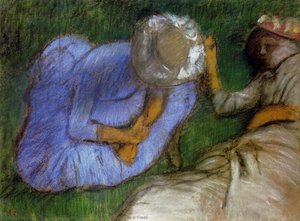
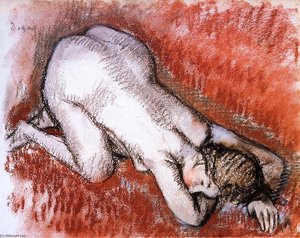
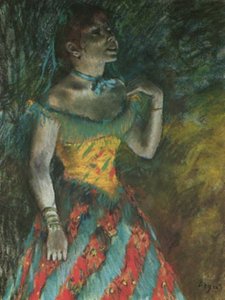
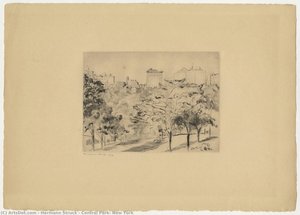
Biografija umetnika
Early Life and Artistic Training
Félix Henri Bracquemond (May 22, 1833 – October 29, 1914) was born in Paris, France, amidst a burgeoning artistic landscape. His formative years were marked by exposure to the intellectual ferment of his time—the Enlightenment ideals colliding with Romantic sensibilities—influencing his worldview and shaping his artistic inclinations. Trained initially as a commercial lithographer, Bracquemond honed his technical skills before encountering Joseph Guichard, a pupil of Ingres, who steered him towards painting. This mentorship proved pivotal, fostering an appreciation for line and form that would characterize his distinctive style. Notably, he captured the essence of his grandmother’s portrait at nineteen, securing recognition from Théophile Gautier—a testament to his early talent and artistic vision.The Revival of Engraving and Japonisme
Bracquemond's passion for engraving swiftly eclipsed other pursuits. Inspired by the pioneering efforts of J.A.D. Ingres and fueled by a fascination with Japanese art—specifically Hokusai’s Kachô-ga Manga—he embarked on a transformative journey into intaglio printmaking. His discovery of this genre revolutionized French artistic practice, encouraging luminaries like Édouard Manet, Edgar Degas, and Camille Pissarro to embrace the medium's expressive potential. Bracquemond championed innovative techniques, meticulously crafting tonal variations and capturing subtle nuances—a departure from prevailing academic conventions. He became a fervent advocate for printmaking’s role in artistic discourse, establishing *L'Estampe originale* alongside Daniel Vierge and Tony Beltrand to disseminate knowledge about the art form and its evolving trends.Collaboration with Impressionists and Decorative Design
Bracquemond’s friendship extended beyond artistic circles; he cultivated relationships with writers like Auguste Poulet-Malassis, Jules Barbey d'Aurevilly, Gustave Geffroy, Félix Nadar, and Henri Rivière—all figures integral to the Parisian intellectual milieu. He actively mentored artists such as Jean-Baptiste Corot, Édouard Manet, Edgar Degas, and Camille Pissarro, guiding them toward mastering engraving techniques. His influence resonated deeply within the Impressionist movement, shaping their aesthetic sensibilities and bolstering their commitment to capturing fleeting moments of perception. Furthermore, Bracquemond’s inventive spirit found expression in ceramic design—commissioned by Eugène Rousseau—where he pioneered a distinctive Japonisme style that signaled the arrival of this Eastern artistic tradition in France. His designs incorporated motifs inspired by Japanese prints, reflecting his profound appreciation for visual harmony and textural richness.Notable Achievements and Legacy
Bracquemond’s prolific output spanned over eight hundred etchings—a remarkable feat considering the era—demonstrating unparalleled dedication to his craft. His oeuvre encompassed portraits, landscapes, scenes of urban life, and reinterpretations of paintings by masters like Turner, Ingres, Manet, and Corot. He achieved critical acclaim for his tonal mastery and meticulous attention to detail, establishing himself as a cornerstone of French printmaking history. Beyond his artistic accomplishments, Bracquemond’s advocacy for engraving served as an impetus for the broader Impressionist movement—solidifying his position as a pivotal figure in shaping 19th-century art and culture. His legacy continues to inspire artists today, reminding us of the transformative power of experimentation and the enduring beauty of visual storytelling.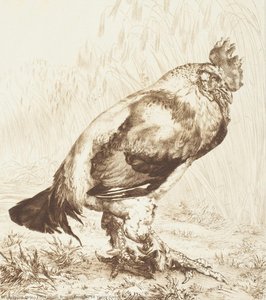
félix henri bracquemond
1833 - 1914 , France
Osnovne informacije
- Artistic Movement Or Style: Impressionism, Japonisme
- Artists Or Movements Influenced By This Artist: ['Édouard Manet']
- Artists Who Influenced This Artist:
- Joseph Guichard
- Jean-Baptiste Corot
- Date Of Birth: May 22, 1833
- Date Of Death: October 29, 1914
- Full Name: Félix Henri Bracquemond
- Nationality: French
- Notable Artworks:
- Sugar bowl
- Le lac (The lake)
- Le Vieux Coq (The Old Rooster)
- Place Of Birth: Paris, France