

 Pregledaj u prostoru
 Pošalji
 Podeli
 Detalji o delu

 Преузми
 Slični predmeti
 Rendgenski snimak
 Slajdovi
 Stats
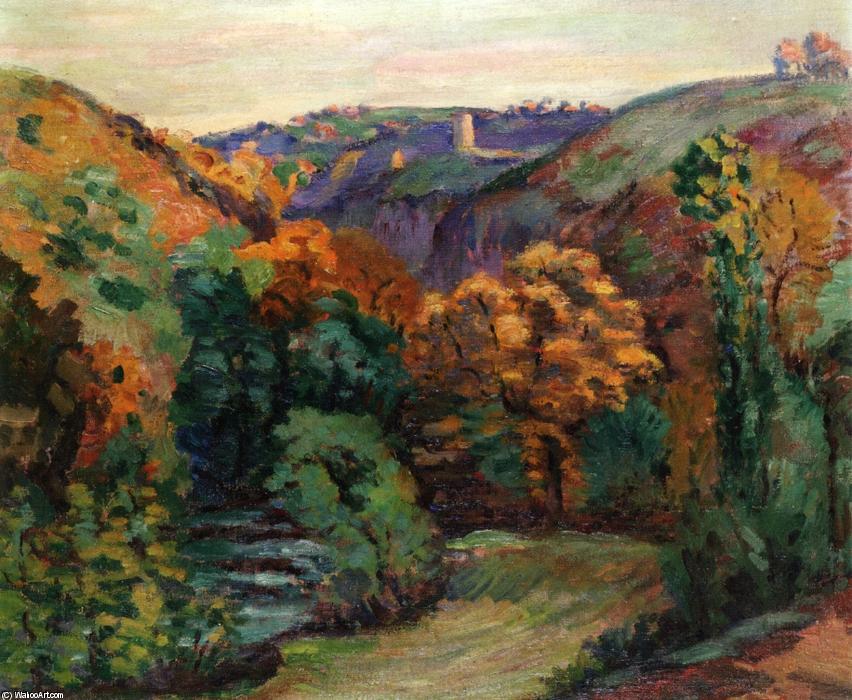
StatsThe Ruins of the Chateau at Crozant
 Oil On Canvas
- WallArt
- Impressionism
 1899
1899- 19th Century
 54.0 x 65.0 cm
 Pročitaj više
Giclee štampa / Umetnički otisak
Giclée štampa ili print na platnu muzejskog kvaliteta uz brzu proizvodnju i fleksibilne opcije završne obrade. ( Kupi ručno naslikanu sliku Switch to Digital Image)




P118B $10

P118H $10

P118W $10

P438Z $10

P508JH $12

P508YH $12

P805H $10

P805Z $10

P919BZ $10

P919G $10

P919XJ $10

P959ZH $10

P968JZ $12

W106C $8

W218G $10

W218JH $8

W218Y $10

W307PJ $10

W316G $10

W316PJ $8

W316Y $10

W398PJ $8

W4111J $10

W500HY $15

W500JH $15

W692G $12

W849H $8

W940BG $15

W953PJ $8




Izaberite jednu od naših unapred definisanih veličina koje odgovaraju originalnim proporcijama umetničkog dela.

Možete uneti sopstvene dimenzije kako biste umetničko delo prilagodili specifičnom okviru ili prostoru. Ako odabrani format ne odgovara proporcijama originalne slike, mi ćemo ili iscrtati deo dela ili proširiti sliku pomoću ogledane ivice ili jednobojnog popunjavanja. Digitalni prikaz će vam biti poslat na odobrenje pre početka proizvodnje.
Imajte na umu da pregled na ekranu ne odražava stvarno iscrtavanje ili proširivanje. Samo će prikaz (mockup) precizno pokazati finalnu kompoziciju.
Iako su prilagođene dimenzije dostupne, preporučujemo da odaberete dimenziju sa unapred definisane liste kako biste očuvali originalne proporcije.
Dostava širom sveta () za 2 nedelje umesto uobičajenih 4/5 nedelja. (8 септембар)

Besplatna ekspresna dostava širom sveta

Visokokvalitetno laneno platno

Kompletno osiguranje transporta

Garancija povraćaja carine i uvoznih dažbina

Garancija vernosti boja

Politika povraćaja u roku od 100 dana (isključivo u slučaju nedostataka)

Garancija povrata novca od 100%

Popust pri grupnoj kupovini
 Opcija sa staklom dostupna je samo za dimenzije manje od 110 cm

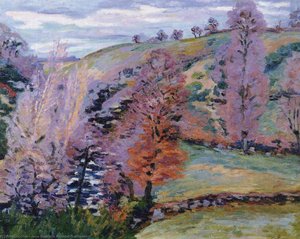
The Ruins of the Chateau at Crozant
Giclee štampa / Umetnički otisak
Dimenzije reprodukcije
-


Konačna cena
$ 62
A Golden Twilight in the Creuse Valley
In the late nineteenth century, as the Impressionist movement began to redefine the boundaries of light and perception, Jean Baptiste Armand Guillaumin captured a moment of profound atmospheric beauty in his 1899 masterpiece, The Ruins of the Chateau at Crozant. This evocative oil on canvas invites the viewer into a serene valley where the remnants of history meet the vibrant pulse of nature. The scene is bathed in the warm, amber glow of an orange sky, suggesting that magical hour of twilight when the sun begins its descent, casting long, soft shadows across the landscape. Through his masterful command of color, Guillaumin does more than merely depict a location; he captures the very essence of a fleeting moment, frozen in time through thick, expressive brushstrokes.
The composition is a delicate balance of grandeur and intimacy. While the distant mountains and the skeletal remains of the chateau provide a sense of monumental scale and historical weight, the foreground is populated by scattered trees and two small human figures. These figures serve as vital anchors for the soul, offering a sense of human connection and scale that prevents the vast landscape from feeling desolate. Instead, their presence suggests a quiet contemplation of nature's enduring power. The way the light interacts with the foliage—alternating between deep shadows and sun-drenched highlights—creates a rhythmic movement that guides the eye through the valley, leading the observer toward the crumbling stone architecture that stands as a silent witness to the passage of centuries.
Technique and the Impressionist Spirit
Guillaumin’s technique in this work is a testament to his status as a vital contributor to the Impressionist canon. Eschewing rigid lines for a more fluid, spontaneous application of paint, he utilizes a palette dominated by warm ochres, deep oranges, and earthy greens to evoke the heat and humidity of a summer evening. The brushwork is notably soft and textured, a characteristic that lends the painting an organic energy. This tactile quality allows the light to appear as if it is vibrating upon the canvas, mimicking the way light actually dances across a landscape in motion. For collectors and interior designers alike, this piece offers a sophisticated interplay of texture and tone that can serve as a luminous focal point in any curated space.
Beyond its aesthetic brilliance, The Ruins of the Chateau at Crozant carries a poignant symbolic weight. The juxtaposition of the decaying chateau against the eternal cycle of the natural world speaks to themes of transience and permanence. It is a meditation on the beauty found in decay and the resilience of the earth. For those seeking to adorn their homes with art that inspires deep reflection, this reproduction offers more than just decoration; it provides a window into a romanticized era of French landscape painting, bringing the warmth of a nineteenth-century sunset into the modern interior.
Srodna umetnička dela


Biografija umetnika
Рани живот и каријера
Фердинанд Гијомен, француски импресионистички сликар и литограф, рођен је 16. фебруара 1841. године у Паризу. Његов уметнички пут започео је средином 19. века, у време када је импресионизам добијао замај у Француској. Гијомен није био рођен у свету богатог наслеђа и привилегија; његови рани дани били су обележени практичним занимањима – радио је као службеник, а касније и као трговац вином. Међутим, страст за сликањем никада није покинула, и упркос потешкоћама, упорно је похађао часове цртања и сликарства, тежећи да развије свој таленат.
Допринос импресионизму и карактеристике стила
Гијомен је био посвећен заробљавању пролазних тренутака светлости и боје у природи, што је била суштина импресионизма. Као активан члан ове групе, учествовао је на бројним изложбама, где је представио свој препознатљив стил. Његова дела често карактеришу сањаливи и нежни пејзажи који су одлично резоновали са духом импресионизма. Гијомен није тежио реалистичном приказу света; уместо тога, настојао је да пренесе осећање, атмосферу и утисак који га је свет оставио. Његова употреба живих боја и слободних потеза кистом додала је карактеристичну спонтаност његовим радовима.
Утицаји и асоцијације
Иако је Гијомен развио свој уникатни стил, био је под утицајем других значајних уметника. Посебно блиско пријатељство везало га је за Клода Монеа, са којим је често излагао и размењивао идеје. Утицаји су били видљиви и код других импресиониста, попут Винсента ван Гога и Пола Сезана. Гијомен није био ограничен само на импресионизам; његов стил је такође показивао елементе симболизма, покрета који се фокусирао на свет снова и мистике. Ово се манифестовало у његовој смелој употреби боја и емотивно наелектрисаним темама.
Наслеђе и признање
Фердинанд Гијомен је преминуо 26. јуна 1927. године, али његов допринос импресионизму остаје непроцењив. Његова дела се могу наћи у бројним музејима и колекцијама широм света, укључујући Mount Holyoke College Art Museum, институцију која је значајно допринела очувању његовог наслеђа. Гијомен није био само сликар; он је био визионар који је желео да пренесе лепоту и емоције света кроз своју уметност. Његова дела настављају да инспиришу и очаравају публику широм света, подсећајући нас на моћ светлости, боје и спонтаности.
- Garden in Janville in June – Једна од његових најпознатијих слика, која демонстрира његов таленат за заробљавање лепоте природе.
- River Scene – Слика која илуструје његову способност да пренесе атмосферу и осећање места.
- View of Puy de Dôme – Пејзаж који показује његов интерес за различите тематске области.
Истражите више Гијоменових дела и импресионистичког покрета на ArtsDot: Ferdinand Guillaumin | 3 artworks Impressionism art movement
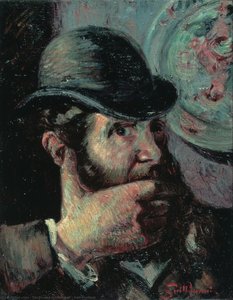
Фердинанд Гијомен
1841 - 1927 , Francuska
Osnovne informacije
- Artistic Movement Or Style: Impresionizam
- Artists Or Movements Influenced By This Artist: ['Claude Monet']
- Artists Who Influenced This Artist:
- Vincent van Gogh
- Paul Cézanne
- Camille Pissarro
- Date Of Birth: 16. februar 1841.
- Date Of Death: 26. jun 1927.
- Full Name: Jean Baptiste Armand Guillaumin
- Nationality: Francuski
- Notable Artworks:
- Bašta u Janvilu
- Prizor sa reke
- Pogled na Pij de Dom
- Place Of Birth: Pariz, Francuska
Povezani članci

Impressionistic Landscapes: 10 Masterpieces That Changed Art & Decor
Journey into the heart of Impressionism! Explore 10 masterpieces by Monet, Renoir & Degas that revolutionized landscape art. Discover their stories, techniques & find museum-quality reproductions to elevate your home decor on ArtsDot.com.

Impresionistički pejzaži: 10 remek-dela koja su definisala umetnički pokret
Otkrijte 10 remek-dela impresionizma koja su zauvek obeležila pejzažnu umetnost! Monet, Renoar i Degas – istražite priče iza svake slike. Inspiracija za dekoraciju enterijera i vrhunske reprodukcije na ArtsDot.com. Istražite kolekciju online!

25 Remek-dela Džona Konstebla: Lepota Engleske na Platnu | ArtsDot
Uronite u svet Džona Konstebla! Otkrijte 25 remek-dela engleskog pejzaža, romantizma i seoske idile. Kupite reprodukcije slika vrhunskog kvaliteta za dekoraciju enterijera na ArtsDot.com.

Evocations of Place: A Historical Journey Through Landscape Art
Explore the rich history of landscape art with ArtsDot. Discover renowned artists, movements like Impressionism & Romanticism, and expert guidance for collecting timeless pieces. Find your perfect serene escape today!

Glavna dela koja su definisala Romantični pejzaž: 10 remek-dela za vaš dom
Otkrijte 10 remek-dela romantičnog pejzažnog slikarstva! Uronite u svet Claude Lorraina, Caspara David Friedricha i Turnera. Ispričane priče umetnosti, inspiracija za dekoraciju doma. Kvalitetne reprodukcije na ArtsDot.com – istražite celu kolekciju online!