

 Pregledaj u prostoru
 Pošalji
 Podeli
 Detalji o delu

 Преузми
 Slični predmeti
 Rendgenski snimak
 Slajdovi
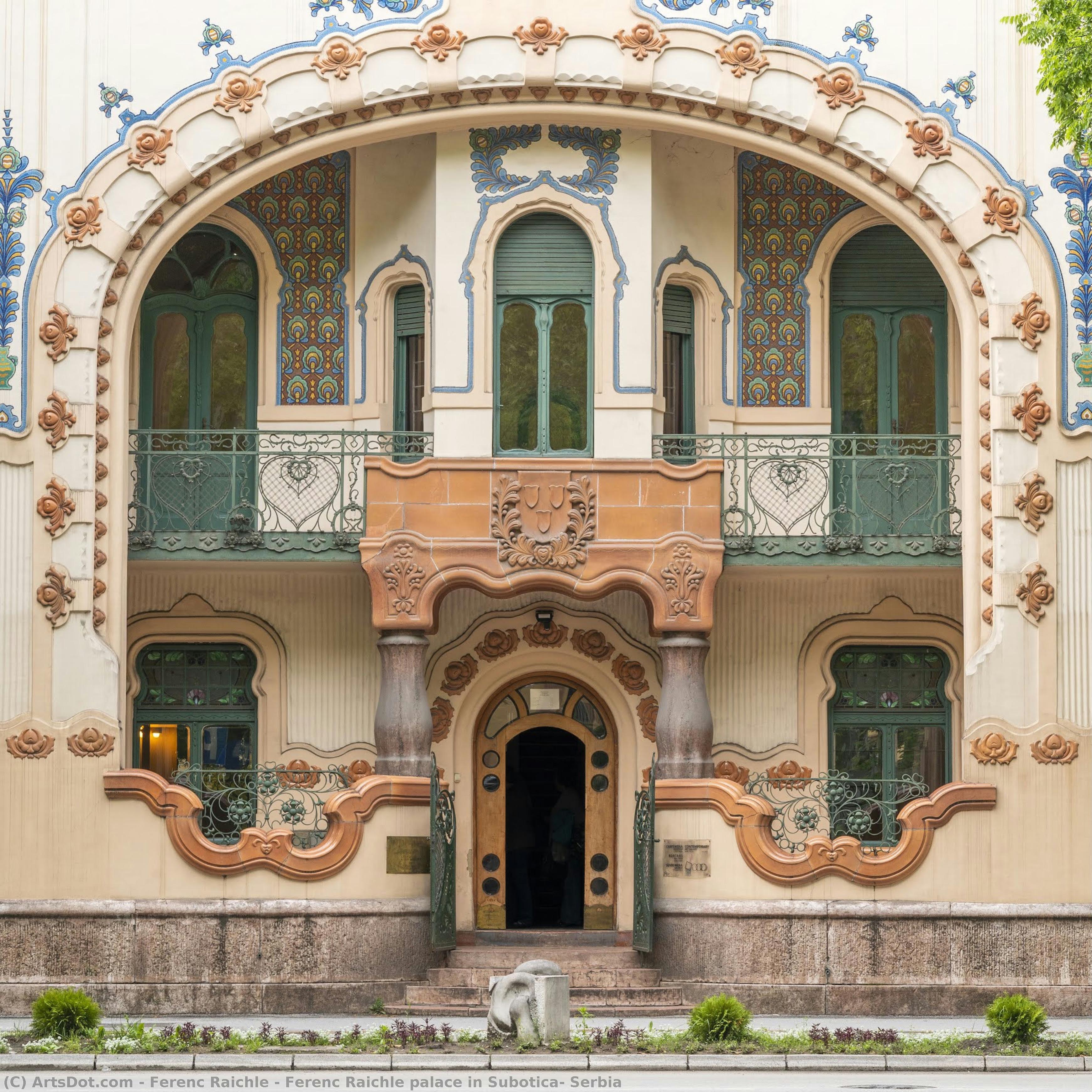
Ferenc Raichle palace in Subotica, Serbia


 Pročitaj više
Ručno rađena uljana reprodukcija
Ručno oslikano uljanim bojama na platnu u dimenzijama i okviru po vašem izboru, izrađeno po porudžbini od strane naših umetnika. ( Kupi print Kupi digitalnu sliku)




P118B $10

P118H $10

P118W $10

P438Z $10

P508JH $12

P508YH $12

P805H $10

P805Z $10

P919BZ $10

P919G $10

P919XJ $10

P959ZH $10

P968JZ $12

W106C $8

W218G $10

W218JH $8

W218Y $10

W307PJ $10

W316G $10

W316PJ $8

W316Y $10

W398PJ $8

W4111J $10

W500HY $15

W500JH $15

W692G $12

W849H $8

W940BG $15

W953PJ $8




Izaberite jednu od naših unapred definisanih veličina koje odgovaraju originalnim proporcijama umetničkog dela.

Можете унети сопствене димензије како бисте прилагодили дело одређеном оквиру или простору. Ако одабрана величина не одговара пропорцијама оригинала, слика ће бити исечена или проширена додатним елементима који се ручно насликавају. Дигитални prikaz ће вам бити послат на одобрење пре почетка производње.
Имајте на уму да преглед на екрану не одражава стварно исецање или проширење. Само приказ (mockup) ће тачно приказати коначну композицију.
Иако су доступне прилагођене величине, препоручујемо да одаберете димензију из дефинисане листе како бисте сачували оригиналне пропорције.
Nakon narudžbine, tim ArtsDot.com će klijentu putem e-pošte poslati uputstva i dostaviti prikaz predloženog rešenja
Isporuka širom sveta () za 3/4 nedelje umesto uobičajenih 5 nedelja. (29 август). Bez kompromisa po pitanju kvaliteta.

Besplatna ekspresna dostava širom sveta

Visokokvalitetno laneno platno

Kompletno osiguranje transporta

Garancija povraćaja carine i uvoznih dažbina

Garancija vernosti boja

Politika povrata u roku od 60 dana (samo u slučaju nedostataka)

Garancija povrata novca od 100%

Popust pri grupnoj kupovini
 Opcija sa staklom dostupna je samo za dimenzije manje od 110 cm

Ferenc Raichle palace in Subotica, Serbia
Tehnika reprodukcije
Dimenzije reprodukcije
-


Konačna cena
$ 263
A Symphony in Orange: The Ferenc Raichle Palace of Subotica
The painting depicting the Ferenc Raichle palace in Subotica, Serbia, is more than just a representation of a building; it’s an immersion into the heart of Art Nouveau and the visionary spirit of its creator. Ferenc Raichle, born in 1873 within the burgeoning artistic landscape of Subotica, dedicated his life to crafting structures that resonated with beauty and imbued the city with a distinctive character. This particular artwork captures the essence of his masterpiece – a palace that remains a potent symbol of Subotica’s identity and a remarkable example of architectural innovation.
- Subject Matter: The painting focuses on the exterior of the Palace, highlighting its grandeur and intricate detailing. The composition skillfully incorporates human figures—a small group observing the entrance, a solitary dog adding a touch of domesticity, and a clock – all elements contributing to a sense of lived space and historical significance.
- Style & Technique: Raichle’s style is unequivocally Art Nouveau. The painting reflects this through its flowing lines, organic forms, and the deliberate use of ornamentation. Notice the emphasis on curved surfaces, floral motifs subtly integrated into the facade, and the overall sense of movement conveyed through the arrangement of windows and balconies. The artist's technique suggests a meticulous approach, likely employing detailed brushwork to capture the nuances of the building’s surface texture and color.
Historical Context: A Vision in the Austro-Hungarian Empire
Created by Ferenc Raichle during his lifetime (1873-1935), this artwork reflects a pivotal moment in Serbian architectural history. Raichle’s work flourished within the complex political environment of the Austro-Hungarian Empire, where artistic expression often served as a means of asserting local identity and cultural pride. The palace itself was conceived during a period of significant urban development in Subotica, aiming to elevate the city's status and showcase its prosperity. The building’s design is considered a landmark achievement, representing a departure from traditional architectural styles and embracing the modern aesthetic championed by Art Nouveau.
- Political Significance: The palace served as a symbol of Subotica's aspirations within the Empire, reflecting a desire for greater autonomy and cultural recognition.
- Artistic Movement: Raichle’s work aligns with the broader Art Nouveau movement, which emphasized natural forms, craftsmanship, and a rejection of industrial mass production.
Symbolism & Emotional Impact
The painting's color palette – dominated by shades of orange – is particularly noteworthy. Orange was frequently used in Art Nouveau designs to evoke feelings of warmth, energy, and optimism. The abundance of windows suggests a connection to light and air, while the balconies offer glimpses into private spaces, inviting the viewer to imagine life within the palace walls. The inclusion of figures adds a human element, suggesting that this is not merely a building but a place where people lived, worked, and interacted. The clock symbolizes time’s passage and the enduring legacy of the palace itself.
- Color Symbolism: Orange represents warmth, energy, creativity, and optimism – key tenets of the Art Nouveau movement.
- Architectural Symbolism: The palace’s design symbolizes prosperity, cultural pride, and a commitment to artistic innovation.
A Timeless Masterpiece - Reproduction Possibilities
ArtsDot offers meticulously crafted hand-painted reproductions of Ferenc Raichle's "Ferenc Raichle palace in Subotica, Serbia," allowing you to bring this iconic artwork into your home or office. Our skilled artisans employ traditional techniques and high-quality materials to faithfully recreate the original’s beauty and detail. Whether you are an art collector, interior designer, or simply someone who appreciates exceptional artistry, a ArtsDot reproduction of this masterpiece will be a lasting addition to your collection.
Srodna umetnička dela
Biografija umetnika
Ferenc Raichle: Architect of Dreams in Subotica
Ferenc Raichle (1873-1935), a Hungarian architect born in Subotica, Serbia, was more than simply a builder; he was a visionary who infused his creations with the vibrant spirit of the Art Nouveau movement. His legacy is inextricably linked to the stunning Palace in Subotica, a building that stands as a testament to his unique style and a pivotal landmark in Serbian architectural history. Raichle’s life unfolded amidst the shifting political landscape of the Austro-Hungarian Empire, shaping his artistic sensibilities and ultimately leading him to become a significant figure in promoting the careers of numerous talented artists within his circle, including Ármin Klein and Sándor Apáti Abta. Early life details remain somewhat obscured, but it's understood he received his architectural training primarily in Hungary or Austria, immersing himself in the burgeoning trends of Art Nouveau design – a style characterized by its organic forms, intricate ornamentation, and celebration of nature.The Eclectic Style of a Serbian Master
Raichle’s architectural style was a captivating blend of influences, drawing upon both Hungarian and Austrian traditions while forging his own distinctive voice. His buildings were rarely straightforward; instead, they presented an eclectic tapestry of elements – ornate stone carvings, stained glass windows depicting fantastical scenes, and meticulously crafted details that demanded close inspection. The Palace in Subotica is undoubtedly the pinnacle of this style, a breathtaking example of Art Nouveau’s exuberance. However, his influence extended beyond this single masterpiece. He was known for incorporating local materials and motifs into his designs, creating buildings that felt both grand and intimately connected to their surroundings. Notably, he skillfully integrated Murano glass mosaics – a testament to the international artistic currents of the time – adding splashes of vibrant color and shimmering beauty to his facades. The heart motif, a recurring symbol in Art Nouveau, appears throughout his work, subtly woven into the design of balconies, doorways, and decorative elements, creating a sense of organic unity.A Circle of Creativity: Raichle’s Patronage
Raichle's influence extended beyond his own architectural practice; he played a crucial role as a patron and mentor to several prominent artists. He fostered the careers of Ármin Klein and his daughters, Terez and Julia, providing them with opportunities to showcase their talents within his buildings. Similarly, he supported Sándor Apáti Abta, a renowned painter, creating a collaborative environment where artistic ideas could flourish. This network of creative individuals contributed significantly to the cultural vibrancy of Subotica during Raichle’s time, solidifying his position as a key figure in the city's artistic community. His willingness to champion emerging artists speaks volumes about his belief in the power of collaboration and the importance of nurturing talent.The Palace in Subotica: A Symbol of Artistic Ambition
The Ferenc Raichle Palace in Subotica is, without exaggeration, the architect’s magnum opus. Construction began in 1903, reflecting Raichle's ambition to create a residence that was both a personal sanctuary and a statement of artistic intent. The building’s design deliberately challenged conventional architectural norms, incorporating elements like the heart motif – a symbol of love and life – throughout its structure. The exterior is adorned with Zsolnay ceramics, sourced from Pécs, Hungary, adding layers of intricate detail and color to the facade. Inside, the palace boasts lavish interiors featuring Murano glass mosaics, intricately carved wood paneling, and stunning stained-glass windows that flood the rooms with colored light. The tower rising above the building is a striking feature, originally equipped with elaborate lighting effects for nighttime celebrations.Legacy and Recognition
Ferenc Raichle’s work continues to be celebrated in Subotica and beyond. The Palace remains a cherished landmark, housing the Gallery of Contemporary Art and offering visitors a glimpse into the architect's remarkable vision. His legacy is also preserved within the Móra Ferenc Museum in Szeged and the Szépművészeti Museum in Budapest, where his designs are studied and admired. The Palace itself was meticulously restored in the early 21st century, ensuring that its beauty and historical significance would be enjoyed for generations to come. Raichle’s influence extends beyond individual buildings; he helped shape the cultural identity of Subotica, leaving an indelible mark on the city's architectural landscape and artistic heritage. His story serves as a reminder of the power of architecture to inspire, uplift, and reflect the spirit of an era.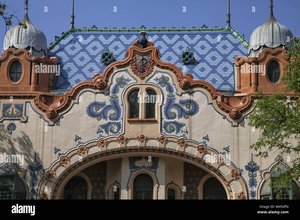
ferenc raichle
1873 - 1935 , Serbia
Osnovne informacije
- Artistic Movement Or Style: Art Nouveau
- Artists Or Movements Influenced By This Artist: ['Hungarian Secessionists']
- Artists Who Influenced This Artist: ['Viennese architects']
- Date Of Birth: 1873
- Date Of Death: 1935
- Full Name: Ferenc Raichle
- Nationality: Hungarian
- Notable Artworks: ['Raichle Palace (Subotica)']
- Place Of Birth: Subotica, Serbia
Povezani članci
Art Nouveau: 10 Remek Dela Koja Su Definisala Pokret - Elegancija Za Vaš Dom
Otkrijte 10 remek dela Art Nouveau pokreta! Uronite u svet Alfonsa Muche, Gustava Klimta i drugih genijalaca. Istorija umetnosti, inspiracija za dekoraciju doma i reprodukcije vrhunskog kvaliteta na ArtsDot.com. Istražite celu kolekciju online!
The Flowing Line & Flourishing Form: Exploring Art Nouveau's Aesthetic Legacy
Explore the captivating world of Art Nouveau! Discover its origins, key artists like Horta & Mucha, regional styles, innovative techniques, and lasting influence on architecture & design. A comprehensive guide for art enthusiasts.
Alphonse Mucha: A Comprehensive Exploration of Art Nouveau's Master of Decorative Symbolism
Explore the life & art of Alphonse Mucha, master of Art Nouveau! Discover his iconic posters, stunning illustrations, and the monumental Slav Epic. A comprehensive guide for collectors & enthusiasts.
Raphael Kirchner: A Poetic Vision of Belle Époque Society Through Art Nouveau Lithography
Explore the captivating world of Raphael Kirchner, a master of Art Nouveau illustration during the Belle Époque. Discover his iconic 'Kirchner Girls,' pioneering pin-up art & lasting influence.
Edmund Dulac: A Master of Golden Age Illustration – Exploring Myth, Symbolism & Art Nouveau Legacy
Explore the captivating world of Edmund Dulac, a master of Golden Age illustration! Discover his enchanting fairy tales, Art Nouveau style, and lasting influence on art & design. Learn about *The Rubaiyat* and more.

