

 Pregledaj u prostoru
 Pošalji
 Podeli
 Detalji o delu

 Преузми
 Slični predmeti
 Rendgenski snimak
 Slajdovi
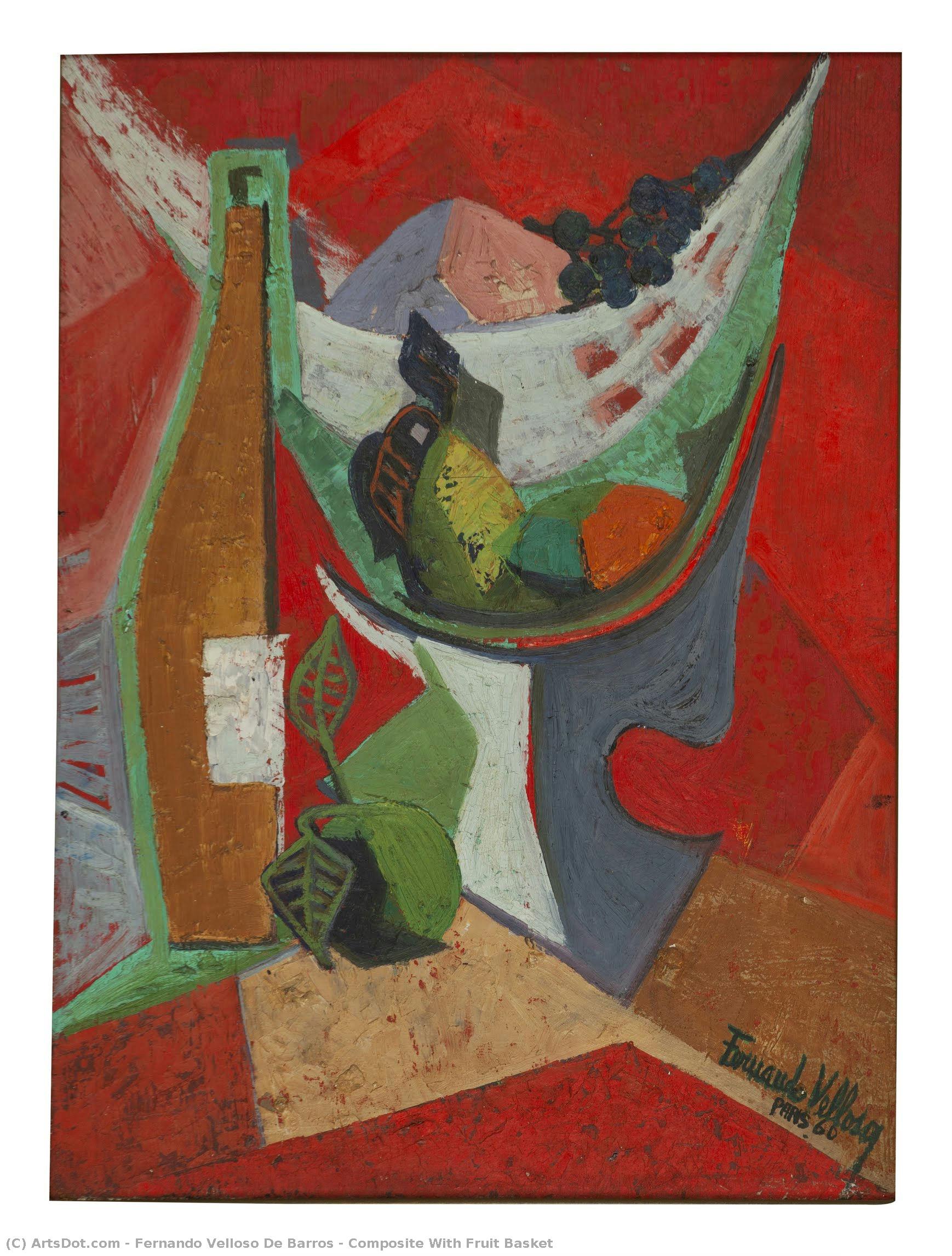
Композиција са фруктажом
 Akril na platnu
- Umetnost za zidove
- Baroque Style
 73.0 x 54.0 cm
 Музеј Оскара Ниемајера
 Pročitaj više
Kupite digitalnu sliku visoke rezolucije i poboljšanog kvaliteta, koja je znatno superiornija od onoga što vidite u online prikazu.
Svaka datoteka je pedantno pripremljena od strane naših stručnjaka koristeći napredne alate i profesionalnu ručnu retušu. Osiguravamo da svaka slika ima izuzetnu oštrinu, preciznu reprodukciju boja i fine detalje.
Konačna datoteka se dostavlja putem e-pošte u roku od 72 sata, optimizovana za neposrednu upotrebu u profesionalnim, izdavačkim i štamparskim okruženjima. To je isti kvalitet kojem veruju vrhunski studiji dizajna, izdavači i galerije.
Digitalna slika
Preuzmite datoteku visoke rezolucije za ličnu upotrebu, štampanje i kreativne projekte. ( Kupi print Kupi ručno naslikanu sliku)
Uključeno uz svaku porudžbinu digitalne slike
Profesionalna digitalna isporuka, zagarantovana
Kada odaberete ArtsDot.com, ne dobijate samo sliku – vi primate profesionalno unapređeno digitalno umetničko delo, izrađeno sa najvećom preciznošću i uz garanciju zadovoljstva. Evo svega što automatski dolazi uz vašu porudžbinu:

Brza dostava putem e-pošte
Vaša digitalna slika visoke rezolucije biće vam poslata putem e-pošte u roku od 72 sata od poručivanja – spremna za trenutnu upotrebu.

Digitalna datoteka unapređena veštačkom inteligencijom
Vaše umetničko delo je profesionalno optimizovano korišćenjem naprednih AI alata i ručne obrade, čime se osiguravaju maksimalni detalji, oštrina i preciznost boja.

Besplatna ponovna isporuka doživotno
Slučajno ste obrisali ili izgubili svoju datoteku? Ne brinite – poslaćemo vam je ponovo u bilo kom trenutku, potpuno besplatno.

Bez troškova uvoza – zauvek
Uživajte u svojim umetničkim delima trenutno, bez carine, dažbina ili troškova dostave – digitalni download je uvek bez poreza.

Garancija vernosti boja
Uz pomoć profesionalnih alata i upravljanja bojama, osiguravamo da vaša digitalna slika što vernije odražava originalne boje.

Garancija zadovoljstva u roku od 60 dana
Ako niste zadovoljni svojom digitalnom slikom, revidirat ćemo je ili vratiti 100% novca u roku od 60 dana – bez ikakvih pitanja.

100% garancija povrata novca
Niste zadovoljni? Obezbedite pun povrat novca u roku od 60 dana od trenutka kada ste primili svoju digitalnu datoteku – bez suvišnih pitanja.

Popusti na velike porudžbine
Kupite 3 slike, uštedite 10% - Kupite 5 slika, uštedite 15% - Kupite 10+ slika, uštedite 20%. Odlično za kreativne projekte, galerije i agencije.
Opis kolekcionarskog dela
Composite With Fruit Basket – A Celebration of Color and Still Life
Fernando Velloso de Barros’ “Composite With Fruit Basket” is more than just a depiction of fruit; it's an embodiment of Kandinsky’s pioneering spirit—a bold foray into abstraction that captures the essence of Impressionism and Post-Impressionism while simultaneously hinting at deeper spiritual explorations. Painted sometime in the 1990s, this artwork hails from Brasília, Brazil, reflecting the burgeoning artistic landscape of Latin America during its period of modernization.- Subject Matter: The painting centers around a vibrant fruit basket brimming with oranges, apples, and bananas—familiar symbols of abundance and nourishment. However, Barros doesn’t simply portray these objects realistically; instead, he elevates them into expressive elements within a larger compositional framework.
- Style & Technique: Barros employs a distinctive style characterized by layered textures and bold color palettes reminiscent of Kandinsky's groundbreaking approach. The brushstrokes are visible, conveying movement and dynamism despite the stillness of the subject matter. This technique contributes to an overall impression of energy and vibrancy.
- Historical Context: Barros’ work aligns itself closely with Kandinsky's influence, mirroring his exploration of color as a conduit for emotion and spirituality. This artistic lineage speaks to a broader movement toward abstraction that sought to transcend representational art and delve into the realm of pure feeling.
- Symbolism & Emotional Impact: The fruit basket itself symbolizes fertility, prosperity, and connection to nature—themes prevalent in Brazilian folklore and religious iconography. Barros’ masterful use of color evokes a sense of warmth, optimism, and delight, inviting viewers to contemplate the beauty of simple pleasures.
Srodna umetnička dela

Biografija umetnika
Wassily Kandinsky: Pioneer of Abstraction
Born in Moscow in December 1866, Wassily Kandinsky’s life and artistic journey represent a pivotal moment in the history of art – the birth of abstraction. Initially trained as a lawyer and economist, Kandinsky's true calling emerged through his fascination with color and music, experiences that would profoundly shape his revolutionary approach to painting. His early years were marked by a deep immersion in Russian culture, including folklore and religious iconography, which subtly informed his later explorations of symbolism and spirituality within his art. He began formally studying art at the Moscow School of Painting, Sculpture, and Architecture in 1887, but found the traditional academic training stifling. Seeking broader artistic horizons, he traveled extensively throughout Europe, absorbing influences from Impressionism, Post-Impressionism, and early modern movements – a crucial period that laid the groundwork for his groundbreaking work.
Early Influences and Artistic Development
Kandinsky’s artistic development wasn't a sudden leap but a gradual evolution. His initial works reflected a traditional academic style, yet he was already experimenting with color and form. A pivotal experience occurred in 1896 when he visited Paris and encountered the work of Vincent van Gogh and Paul Gauguin – artists who were pushing boundaries through expressive use of color and brushwork. This encounter ignited within him a desire to move beyond representational art and explore the purely emotive power of color and shape. He continued his studies in Munich, enrolling at the Academy of Fine Arts but quickly recognizing its limitations. It was here that he encountered Gabriele Münter, who would become his lifelong companion and collaborator, and together they formed an artistic circle known as ‘The Blue Rider’ (Der Blaue Reiter), a group dedicated to exploring spiritual themes through art. The Blue Rider movement embraced synesthesia – the phenomenon where stimulation of one sense triggers experiences in another – influencing Kandinsky's belief that color could evoke specific emotions and sensations, much like music.
The Birth of Abstract Art
Kandinsky is widely considered to be one of the first artists to create truly abstract paintings. His early abstractions, such as “Composition VII” (1913) and “Improvisation 28” (1912), were not simply simplified depictions of objects but rather explorations of pure form and color relationships. He believed that art should be a means of expressing inner spiritual realities, moving beyond the limitations of depicting external appearances. His approach was deeply influenced by music; he famously wrote about how he envisioned painting as “the equivalent of music.” Kandinsky’s use of geometric shapes – circles, squares, triangles – and vibrant colors wasn't arbitrary but carefully considered to create specific emotional effects. He sought to convey a sense of movement, rhythm, and harmony through his compositions, aiming to evoke feelings rather than simply represent objects.
Key Works and Theoretical Writings
Throughout his career, Kandinsky produced a vast body of work encompassing paintings, drawings, book illustrations, and stage designs. His most significant works include “Composition VIII” (1923), which is considered one of the quintessential examples of abstract art; "Concerning the Spiritual in Art" (1911), a seminal theoretical treatise where he outlined his philosophy of abstraction and its connection to spirituality; and numerous paintings exploring color theory, synesthesia, and the relationship between art and music. “Concerning the Spiritual in Art” is particularly important as it articulated Kandinsky’s belief that art could be a powerful tool for spiritual awakening, arguing that abstract forms could bypass rational thought and directly connect with the viewer's subconscious.
Legacy and Historical Significance
Wassily Kandinsky’s influence on 20th-century art is immeasurable. He paved the way for countless artists to explore abstraction, shaping the development of movements such as Cubism, Surrealism, and Abstract Expressionism. His emphasis on color theory, synesthesia, and the spiritual dimension of art continues to resonate with contemporary artists and viewers alike. His work remains a powerful testament to the transformative potential of art – its ability to transcend representation and communicate directly with the human soul. Kandinsky’s legacy extends beyond the realm of painting; his ideas have influenced fields such as architecture, design, and even music, demonstrating the profound impact of his artistic vision on the broader cultural landscape. He died in Neuilly-sur-Seine in 1944, leaving behind a rich and complex body of work that continues to inspire and challenge viewers today.

fernando velloso de barros
1908 - 1996

