

 Pregledaj u prostoru
 Pošalji
 Podeli
 Detalji o delu

 Преузми
 Slični predmeti
 Rendgenski snimak
 Slajdovi
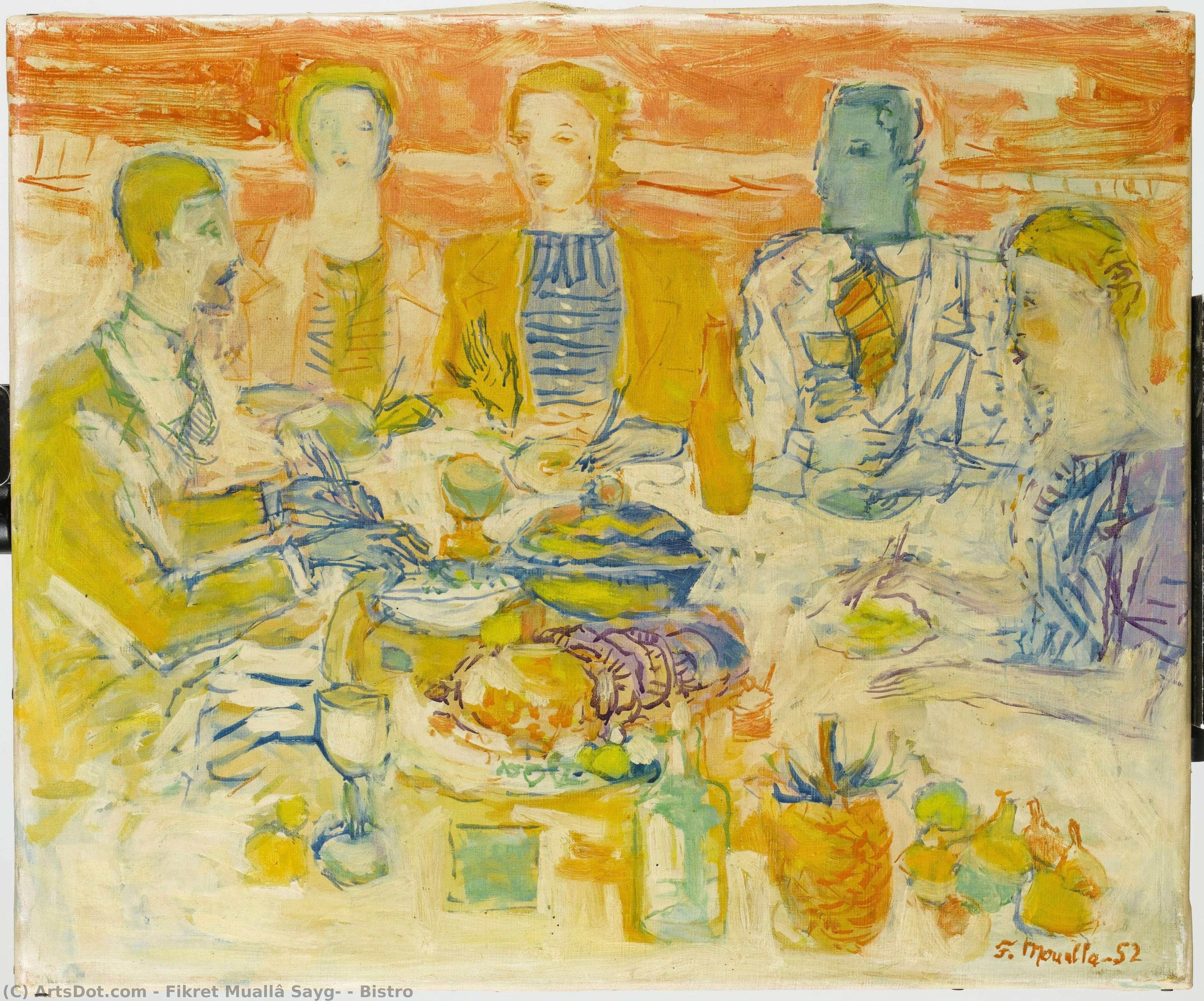
Bistro
 Oil On Board
- Expressionism
 1952
1952- Modern
 38.0 x 46.0 cm
 Sakıp Sabancı Museum
 Pročitaj više
Giclee štampa / Umetnički otisak
Giclée štampa ili print na platnu muzejskog kvaliteta uz brzu proizvodnju i fleksibilne opcije završne obrade. ( Kupi ručno naslikanu sliku Kupi digitalnu sliku)




P118B $10

P118H $10

P118W $10

P438Z $10

P508JH $12

P508YH $12

P805H $10

P805Z $10

P919BZ $10

P919G $10

P919XJ $10

P959ZH $10

P968JZ $12

W106C $8

W218G $10

W218JH $8

W218Y $10

W307PJ $10

W316G $10

W316PJ $8

W316Y $10

W398PJ $8

W4111J $10

W500HY $15

W500JH $15

W692G $12

W849H $8

W940BG $15

W953PJ $8




Izaberite jednu od naših unapred definisanih veličina koje odgovaraju originalnim proporcijama umetničkog dela.

Možete uneti sopstvene dimenzije kako biste umetničko delo prilagodili specifičnom okviru ili prostoru. Ako odabrani format ne odgovara proporcijama originalne slike, mi ćemo ili iscrtati deo dela ili proširiti sliku pomoću ogledane ivice ili jednobojnog popunjavanja. Digitalni prikaz će vam biti poslat na odobrenje pre početka proizvodnje.
Imajte na umu da pregled na ekranu ne odražava stvarno iscrtavanje ili proširivanje. Samo će prikaz (mockup) precizno pokazati finalnu kompoziciju.
Iako su prilagođene dimenzije dostupne, preporučujemo da odaberete dimenziju sa unapred definisane liste kako biste očuvali originalne proporcije.
Dostava širom sveta () za 2 nedelje umesto uobičajenih 4/5 nedelja. (3 септембар)

Besplatna ekspresna dostava širom sveta

Visokokvalitetno laneno platno

Kompletno osiguranje transporta

Garancija povraćaja carine i uvoznih dažbina

Garancija vernosti boja

Politika povrata u roku od 60 dana (samo u slučaju nedostataka)

Garancija povrata novca od 100%

Popust pri grupnoj kupovini
 Opcija sa staklom dostupna je samo za dimenzije manje od 110 cm

Bistro
Giclee štampa / Umetnički otisak
Dimenzije reprodukcije
-


Konačna cena
$ 62
A Vibrant Symphony of Parisian Life
In the evocative masterpiece Bistro, created in 1952, the Turkish avant-garde master Fikret Muallâ Saygı invites us into a world where color and movement dance together on the canvas. The painting serves as a window into a lively social gathering, capturing the quintessential essence of a bustling café or bistro setting. Through his expressive brushwork, Muallively reconstructs a scene of communal joy, where figures are gathered around a table laden with the humble artifacts of daily life—cups, bowls, and bottles that suggest a shared moment of respite. The composition is not merely a depiction of a meal, but a rhythmic arrangement of souls, where the presence of individuals in ties hints at the sophisticated yet casual atmosphere of mid-century European social life.
The technique employed in this work is a breathtaking testament to the influence of Fauvism and Expressionism. Muallâ does not seek to replicate reality with photographic precision; instead, he utilizes a bold, saturated palette to convey the emotional temperature of the room. The greenery of potted plants provides a refreshing organic contrast to the structured social interaction, while the figures on the periphery add depth and a sense of an unfolding narrative that extends beyond the frame. Each stroke feels deliberate yet spontaneous, contributing to an overall atmosphere that is both energetic and deeply nostalgic, making it a captivating centerpiece for any collection focused on the emotive power of color.
The Soul Behind the Canvas
To truly appreciate Bistro, one must understand the poignant duality of Fikret Muallâ’s life. Born in Kadıköy, Istanbul, his journey was marked by profound personal tragedy and a subsequent migration to the heart of the art world: Paris. The shadows of his early life—marked by physical injury and the loss of his mother—often haunted his psyche, yet they also fueled his ability to find beauty in the transient moments of street life and social gatherings. This painting represents the triumph of light over shadow; it is an exploration of the "joie de vivre" that Muallâ sought to capture amidst his own internal emotional turmoil. The lively, social atmosphere of the bistro serves as a sanctuary of connection, a stark and beautiful contrast to the artist's often solitary struggles.
For the discerning collector or interior designer, this reproduction offers more than just aesthetic appeal; it offers a piece of art history that resonates with emotional depth. The work’s ability to anchor a room with its warm tones and dynamic energy makes it an ideal choice for sophisticated living spaces, boutique hotels, or curated galleries. It is a conversation starter that bridges the gap between the historical significance of the Turkish avant-garde and the timeless allure of Parisian cafe culture. Owning a piece of Muallâ’s vision is to possess a fragment of a world where every color tells a story of resilience, community, and the enduring beauty of the human spirit.
Srodna umetnička dela
Biografija umetnika
early life and struggles
fikret muallâ saygı, a 20th-century avant-garde painter of turkish descent, was born on july 20, 1903, in kadıköy, istanbul, ottoman empire. his life was marked by an early accident at the age of 12, which left him crippled in his right foot, and the loss of his mother to a flu epidemic shortly thereafter. these events significantly impacted his mental health and personality.artistic journey
muallâ saygı's artistic journey began with influences from expressionism and fauvism, focusing on paris street life, social gatherings, and themes like cafés and circuses. his work is characterized by its emotional depth and subjective interpretation, reflecting his own struggles with mental illness and emotional turmoil.- paris, sacré-cœur (35 x 28 cm, oil on board, sakıp sabancı museum, istanbul, türkiye), exemplifies his fascination with the city's life.
- his piece cannes (37 x 50 cm, oil on canvas, sakıp sabancı museum, istanbul, türkiye) showcases his ability to capture the essence of social gatherings.
- bistro (38 x 46 cm, mixed technique, sakıp sabancı museum, istanbul, türkiye), further demonstrates his skill in portraying urban life with a unique perspective.
challenges and patronage
muallâ saygı's life was marred by alcohol dependency, mental alienation, and cognitive dissonance. however, he found solace in his art and the support of patrons like madame angles, which enabled him to earn a living from his work.legacy and notable mentions
- he became friends with renowned artists, including pablo picasso, and even sold a signed photo of picasso for a bottle of wine.
- his second exhibition marked the beginning of his recognition as a painter, despite his notorious reputation as a drunkard and mad man.
- eventually, muallâ saygı's health declined, leading to paralysis in 1962 and his passing on july 20, 1967, in reillanne, france.
remembering fikret muallâ saygı
muallâ saygı is considered one of the representatives of turkish arts in the 20th century, alongside abidin dino. his legacy continues to inspire artists and art enthusiasts alike, with his work being a testament to the power of artistic expression in the face of adversity.- view more of fikret muallâ saygı's artwork on ArtsDot.com
- explore the world of expressionism and fauvism through top 5 famous expressionism artists of all time
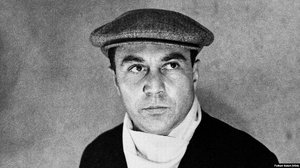
fikret muallâ saygı
1903 - 1967 , Turkey
Osnovne informacije
- Artistic Movement Or Style:
- Post-Impressionism
- Symbolism
- Artists Or Movements Influenced By This Artist:
- Paul Cézanne
- Fauvism
- Artists Who Influenced This Artist:
- Camille Pissarro
- Vincent van Gogh
- Date Of Birth: July 7, 1848
- Date Of Death: May 8, 1903
- Full Name: Eugène Henri Paul Gauguin
- Nationality: French
- Notable Artworks:
- Vision of the Sermon
- Iahona and Her Son
- Place Of Birth: Paris, France
Povezani članci
Cultivating Ambiance: The Strategic Role of Art in Shaping Guest Experience within Restaurant & Dining Environments
Discover how strategic art selection & design elevate the restaurant experience. Expert insights on color psychology, acoustics, layout & commissioning artwork to create lasting impressions and boost your brand.
Уметничка атмосфера у ресторану: Визуелни идентитет као кључ до незаборавног гостијског искуства
Сазнајте како визуелни идентитет ресторана утиче на доживљај госта! ArtsDot нуди стручне консултације, репродукције слика и прилагођене декоративне елементе за незабораван амбијент. Повећајте профитабилност уз прави дизајн!
The Gastronomic Stage: Interior Design as Narrative Framework in the Contemporary Restaurant Experience
Transform your restaurant into an unforgettable experience! Explore expert insights on interior design, art integration & creating immersive dining environments. Elevate your brand and captivate guests.
From Canvas to Cuisine: The Strategic Role of Murals in Restaurant Branding and Experiential Identity Formation
Elevate your restaurant's brand with strategic mural design! Discover how custom artwork transforms spaces, engages customers & drives success. Expert advice & inspiration inside.
Atmospheric Resonance: Art as Narrative Catalyst in Contemporary Restaurant Design
Elevate your restaurant's atmosphere & brand with strategic art integration. Discover how curated artwork transforms dining experiences, enhances guest perception, and drives revenue. Expert insights for luxury hospitality.

