

 Pregledaj u prostoru
 Pošalji
 Podeli
 Detalji o delu

 Преузми
 Slični predmeti
 Rendgenski snimak
 Slajdovi
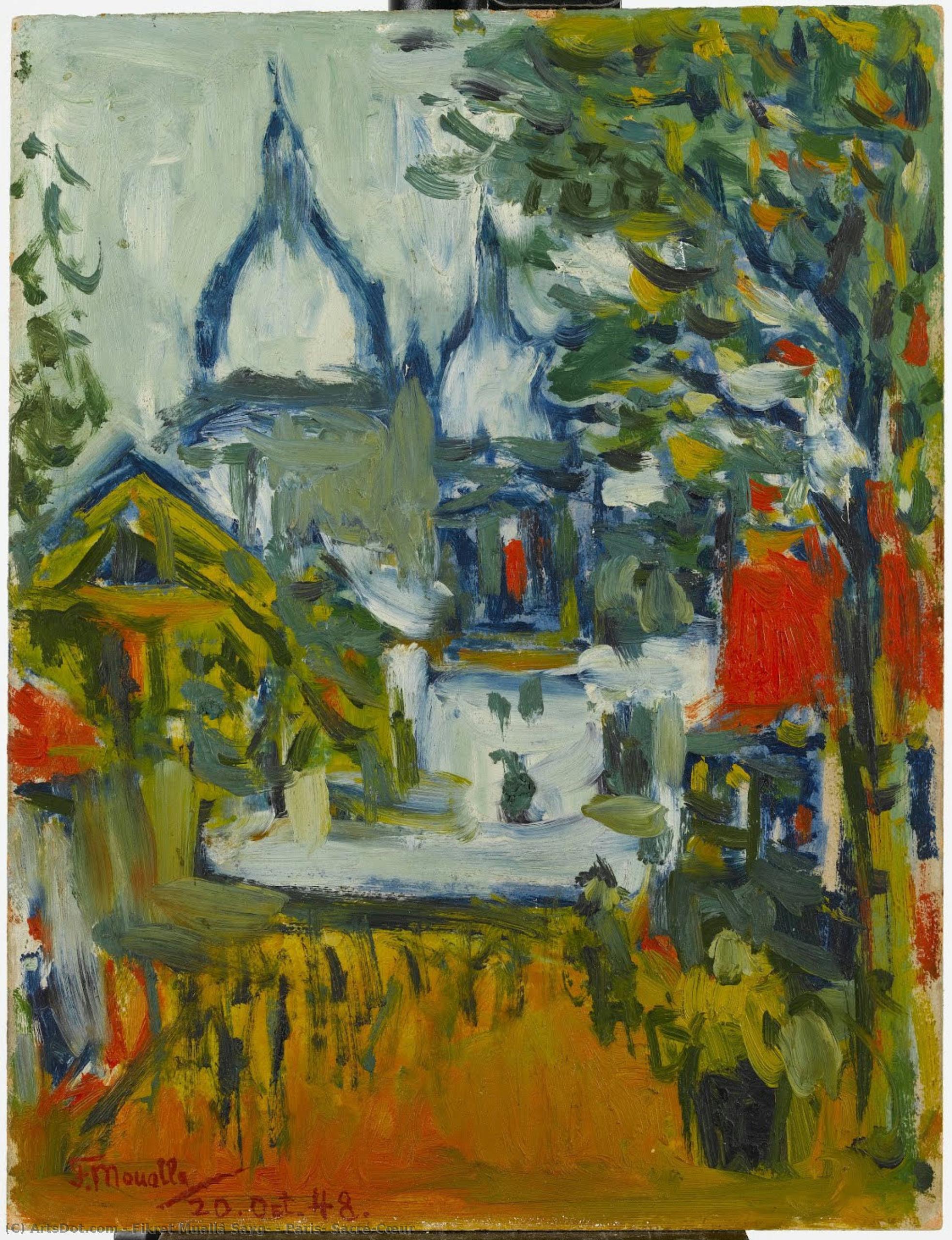
Paris, Sacré-Cœur
 Oil On Board
- Expressionism
 1948
1948- Modern
 35.0 x 28.0 cm
 Sakıp Sabancı Museum
 Pročitaj više
Ručno rađena uljana reprodukcija
Ručno oslikano uljanim bojama na platnu u dimenzijama i okviru po vašem izboru, izrađeno po porudžbini od strane naših umetnika. ( Kupi print Kupi digitalnu sliku)




P118B $10

P118H $10

P118W $10

P438Z $10

P508JH $12

P508YH $12

P805H $10

P805Z $10

P919BZ $10

P919G $10

P919XJ $10

P959ZH $10

P968JZ $12

W106C $8

W218G $10

W218JH $8

W218Y $10

W307PJ $10

W316G $10

W316PJ $8

W316Y $10

W398PJ $8

W4111J $10

W500HY $15

W500JH $15

W692G $12

W849H $8

W940BG $15

W953PJ $8




Izaberite jednu od naših unapred definisanih veličina koje odgovaraju originalnim proporcijama umetničkog dela.

Можете унети сопствене димензије како бисте прилагодили дело одређеном оквиру или простору. Ако одабрана величина не одговара пропорцијама оригинала, слика ће бити исечена или проширена додатним елементима који се ручно насликавају. Дигитални prikaz ће вам бити послат на одобрење пре почетка производње.
Имајте на уму да преглед на екрану не одражава стварно исецање или проширење. Само приказ (mockup) ће тачно приказати коначну композицију.
Иако су доступне прилагођене величине, препоручујемо да одаберете димензију из дефинисане листе како бисте сачували оригиналне пропорције.
Nakon narudžbine, tim ArtsDot.com će klijentu putem e-pošte poslati uputstva i dostaviti prikaz predloženog rešenja
Isporuka širom sveta () za 3/4 nedelje umesto uobičajenih 5 nedelja. (21 август). Bez kompromisa po pitanju kvaliteta.

Besplatna ekspresna dostava širom sveta

Visokokvalitetno laneno platno

Kompletno osiguranje transporta

Garancija povraćaja carine i uvoznih dažbina

Garancija vernosti boja

Politika povrata u roku od 60 dana (samo u slučaju nedostataka)

Garancija povrata novca od 100%

Popust pri grupnoj kupovini
 Opcija sa staklom dostupna je samo za dimenzije manje od 110 cm

Paris, Sacré-Cœur
Tehnika reprodukcije
Dimenzije reprodukcije
-


Konačna cena
$ 263
Opis umetničkog dela
A Vision of Montmartre: The Soul of Paris in Oil
In the heart of Montmartre, where the spirit of bohemian life has historically converged, Fikret Muallâ Saygı captures a moment of profound architectural and atmospheric beauty. His 1948 masterpiece, Paris, Sacré-Cœur, is far more than a mere topographical record of the Basilica; it is an evocative window into the emotional landscape of post-war Paris. The painting presents the iconic white stone structure and its towering steeple as a sentinel over the city, rendered with a vibrant palette that breathes life into the stone. Through his unique lens, the church becomes a focal point of stability amidst a swirling, colorful world, where the red tones of the rooftops dance against the lush greenery of the surrounding trees.
The technique employed by Saygı reflects his deep immersion in the traditions of Expressionism and Fauvism. Rather than adhering to rigid realism, he utilizes bold, emotive brushstrokes that prioritize the feeling of the scene over precise anatomical or architectural accuracy. This painterly approach creates a sense of movement; the light seems to flicker across the canvas, much like the shifting shadows of a Parisian afternoon. The inclusion of small, solitary figures near the periphery of the composition serves a vital purpose—they provide a human scale to the monumental architecture, grounding the grandiosity of the Sacré-Cœur in the intimate, everyday reality of the streets below.
The Artist's Journey and Emotional Resonance
To understand the depth of this work, one must look into the turbulent life of Fikret Muallâ Saygı. A Turkish painter whose heart belonged to the streets of France, his biography is a poignant tapestry of struggle and brilliance. Having endured significant personal hardships, including physical injury and the loss of loved ones, Saygı channeled his internal emotional turmoil into his art. This piece, created during his years in Paris, embodies that very tension between the monumental permanence of the Basilica and the fleeting, fragile nature of human existence. His ability to find beauty within the chaos of his own life is what gives Paris, Sacré-Cœur its hauntingly beautiful resonance.
For the discerning collector or interior designer, this painting offers a sophisticated blend of historical weight and aesthetic vibrancy. It serves as an exquisite focal point for any space, bringing with it the romanticism of mid-century Europe and the avant-garde spirit of one of Turkey's most significant modern masters. Whether placed in a contemporary gallery setting or a classic study, the artwork invites viewers to lose themselves in the nostalgic charm of a bygone era, making it an invaluable acquisition for those who seek art that speaks to both the eye and the soul.
Srodna umetnička dela
Biografija umetnika
early life and struggles
fikret muallâ saygı, a 20th-century avant-garde painter of turkish descent, was born on july 20, 1903, in kadıköy, istanbul, ottoman empire. his life was marked by an early accident at the age of 12, which left him crippled in his right foot, and the loss of his mother to a flu epidemic shortly thereafter. these events significantly impacted his mental health and personality.artistic journey
muallâ saygı's artistic journey began with influences from expressionism and fauvism, focusing on paris street life, social gatherings, and themes like cafés and circuses. his work is characterized by its emotional depth and subjective interpretation, reflecting his own struggles with mental illness and emotional turmoil.- paris, sacré-cœur (35 x 28 cm, oil on board, sakıp sabancı museum, istanbul, türkiye), exemplifies his fascination with the city's life.
- his piece cannes (37 x 50 cm, oil on canvas, sakıp sabancı museum, istanbul, türkiye) showcases his ability to capture the essence of social gatherings.
- bistro (38 x 46 cm, mixed technique, sakıp sabancı museum, istanbul, türkiye), further demonstrates his skill in portraying urban life with a unique perspective.
challenges and patronage
muallâ saygı's life was marred by alcohol dependency, mental alienation, and cognitive dissonance. however, he found solace in his art and the support of patrons like madame angles, which enabled him to earn a living from his work.legacy and notable mentions
- he became friends with renowned artists, including pablo picasso, and even sold a signed photo of picasso for a bottle of wine.
- his second exhibition marked the beginning of his recognition as a painter, despite his notorious reputation as a drunkard and mad man.
- eventually, muallâ saygı's health declined, leading to paralysis in 1962 and his passing on july 20, 1967, in reillanne, france.
remembering fikret muallâ saygı
muallâ saygı is considered one of the representatives of turkish arts in the 20th century, alongside abidin dino. his legacy continues to inspire artists and art enthusiasts alike, with his work being a testament to the power of artistic expression in the face of adversity.- view more of fikret muallâ saygı's artwork on ArtsDot.com
- explore the world of expressionism and fauvism through top 5 famous expressionism artists of all time
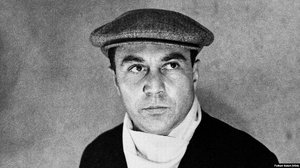
fikret muallâ saygı
1903 - 1967 , Turkey
Osnovne informacije
- Artistic Movement Or Style:
- Post-Impressionism
- Symbolism
- Artists Or Movements Influenced By This Artist:
- Paul Cézanne
- Fauvism
- Artists Who Influenced This Artist:
- Camille Pissarro
- Vincent van Gogh
- Date Of Birth: July 7, 1848
- Date Of Death: May 8, 1903
- Full Name: Eugène Henri Paul Gauguin
- Nationality: French
- Notable Artworks:
- Vision of the Sermon
- Iahona and Her Son
- Place Of Birth: Paris, France
Povezani članci

Crimson Threads of Narrative: Exploring Symbolism & Representation in Artworks Featuring the Red Dress
Explore the rich symbolism of the red dress in art history! From ancient power displays to iconic portraits like Cézanne’s 'Madame Cezanne', discover the cultural and artistic significance behind this captivating color. Expert analysis & insights.
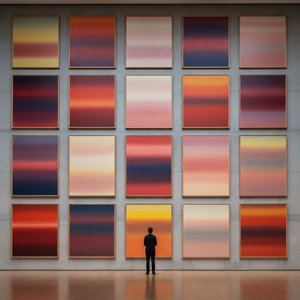
Mark Rothko: 25 Remek-dela Apstraktne Ekspresije za Vaš Dom | ArtsDot
Istražite 25 remek-dela Marka Rothka – ikona apstraktne ekspresije. Otkrijte priče, tehnike i emocije iza ovih veličanstvenih slika. Reprodukcije vrhunskog kvaliteta za vaš dom na ArtsDot.com!
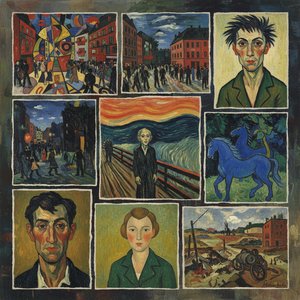
Expressionist Painting: 10 Masterpieces That Defined a Movement | ArtsDot
Explore 10 Expressionist paintings that revolutionized art! Discover Munch, Kirchner & Kandinsky's iconic works. Find museum-quality reproductions and vibrant canvas prints to elevate your home decor on ArtsDot.com.
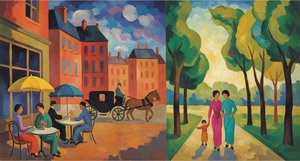
August Macke: Expressionist Visions of Harmony & Modern Life
Explore the vibrant Expressionist paintings of August Macke (1887-1914). Discover his key role in Der Blaue Reiter, Fauvist influences, and captivating depictions of modern life. A comprehensive guide for art enthusiasts & collectors.
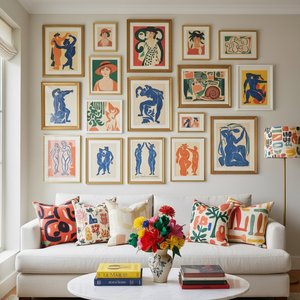
Henri Matisse: 25 Remek-dela koji definišu boju i modernu umetnost | ArtsDot
Uronite u svet Henri Matissea! Istražite 25 remek-dela Fauvizma i moderne umetnosti. Otkrijte priče iza slika, tehnike i inspiraciju slavnog francuskog slikara. Reprodukcije vrhunskog kvaliteta dostupne na ArtsDot.com.

