

 Pregledaj u prostoru
 Pošalji
 Podeli
 Detalji o delu

 Преузми
 Slični predmeti
 Rendgenski snimak
 Slajdovi
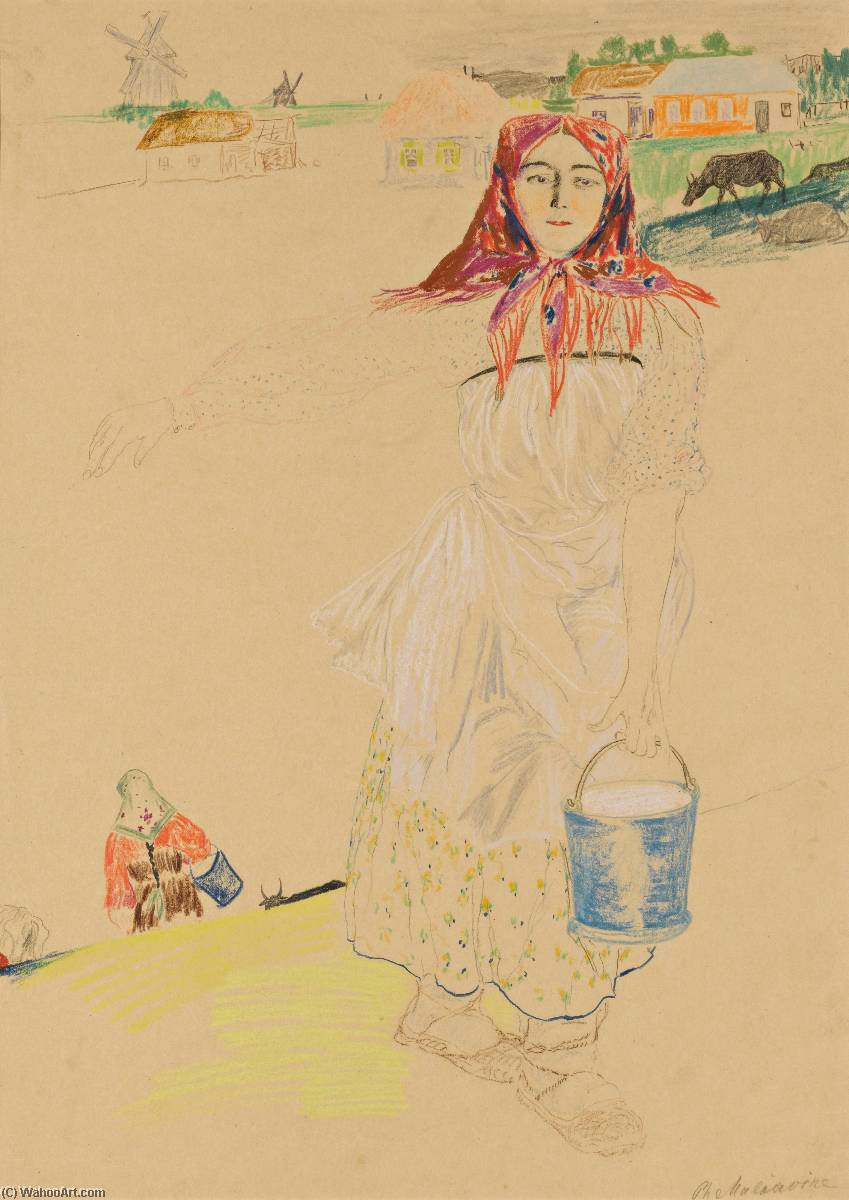
The Milkmaid
 Pročitaj više
Giclee štampa / Umetnički otisak
Giclée štampa ili print na platnu muzejskog kvaliteta uz brzu proizvodnju i fleksibilne opcije završne obrade. ( Kupi ručno naslikanu sliku Kupi digitalnu sliku)




































Izaberite jednu od naših unapred definisanih veličina koje odgovaraju originalnim proporcijama umetničkog dela.

Možete uneti sopstvene dimenzije kako biste umetničko delo prilagodili specifičnom okviru ili prostoru. Ako odabrani format ne odgovara proporcijama originalne slike, mi ćemo ili iscrtati deo dela ili proširiti sliku pomoću ogledane ivice ili jednobojnog popunjavanja. Digitalni prikaz će vam biti poslat na odobrenje pre početka proizvodnje.
Imajte na umu da pregled na ekranu ne odražava stvarno iscrtavanje ili proširivanje. Samo će prikaz (mockup) precizno pokazati finalnu kompoziciju.
Iako su prilagođene dimenzije dostupne, preporučujemo da odaberete dimenziju sa unapred definisane liste kako biste očuvali originalne proporcije.
Dostava širom sveta () za 2 nedelje umesto uobičajenih 4/5 nedelja. (3 септембар)

Besplatna ekspresna dostava širom sveta

Visokokvalitetno laneno platno

Kompletno osiguranje transporta

Garancija povraćaja carine i uvoznih dažbina

Garancija vernosti boja

Politika povrata u roku od 60 dana (samo u slučaju nedostataka)

Garancija povrata novca od 100%

Popust pri grupnoj kupovini
 Opcija sa staklom dostupna je samo za dimenzije manje od 110 cm

The Milkmaid
Giclee štampa / Umetnički otisak
Dimenzije reprodukcije
-


Konačna cena
$ 62
Srodna umetnička dela
Biografija umetnika
The Soul of the Russian Soil: The Life of Filipp Malyavin
To understand the work of Filipp Andreevich Malyavin, one must first understand the raw, untamed spirit of the Russian countryside from which he emerged. Born in 1869 in the village of Kazanki to a humble peasant family, Malyavin’s early years were defined by the rhythms of rural life and an innate, almost primal connection to the earth. Even as a young child, his hands were never idle; he spent his days sculpting clay figurines of birds and animals, a practice that foreshadowed a lifetime of profound tactile expression. His journey from a penniless village boy to a celebrated figure in the Russian art world is nothing short of legendary, fueled by a spiritual fascination with the icons brought to his village by traveling monks.
This early exposure to the sacred art of icon painting would leave an indelible mark on his aesthetic DNA. Driven by a thirst for divine beauty, Malyavin traveled to Mount Athos in Greece at the age of sixteen, a pilgrimage funded by the very villagers who had witnessed his burgeoning talent. While he found himself disappointed to discover that the monks there primarily copied Russian icons rather than practicing a unique Athonite style, this period of monastic life served as a crucible for his development. As a novice, he mastered the art of murals and icons, learning how to use color not merely as decoration, but as a vessel for spiritual intensity and emotional weight.
From Monastic Silence to Academic Brilliance
The trajectory of Malyavin’s life shifted dramatically in 1891 through a chance encounter with Vladimir Beklemishev, a Russian sculptor and professor. Recognizing the raw genius within the young monk, Beklemishev facilitated Malyavin’s move to St. Petersburg, where he enrolled in the prestigious Academy of Arts. It was here that his peasant roots met the rigorous discipline of classical training. Studying under the legendary realist Ilya Repin, Malyavin began to synthesize his deep-seated knowledge of religious iconography with the burgeoning movements of modernism and realism.
Unlike many of his contemporaries who sought to escape their origins through academic refinement, Malyavin leaned into them. He utilized the technical prowess gained at the Academy to elevate the subject matter of the common folk. His work became a bridge between the sacred and the profane, applying the bold, emotive brushwork of a master to the vibrant, often chaotic energy of peasant life. This unique perspective allowed him to capture the essence of the Russian soul—a mixture of profound suffering and unbridled, ecstatic joy.
A Legacy of Color and Motion
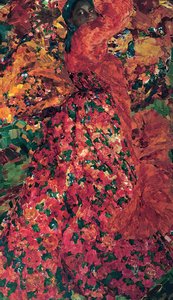
Malyavin’s mature style is characterized by an almost violent use of color and a sense of kinetic energy that seems to burst from the canvas. He is perhaps most renowned for his masterpiece, Whirlwind, a painting that serves as a breathtaking metaphor for the turbulent history and spirit of Russia. In this work, the swirling masses of peasant women dancing are rendered with such vigorous brushstrokes and saturated hues that the viewer can almost hear the music and feel the wind of the movement.
His artistic significance lies in his ability to transcend mere portraiture or genre painting. Through his use of:
- Bold, expressive palettes that utilize reds and deep earth tones to evoke passion and struggle;
- Dynamic compositions that capture the rhythmic, often frenetic motion of folk celebrations;
- A synthesis of styles blending the flat, symbolic power of icons with the textured realism of the late 19th century;
filipp andreevich maliavin
1869 - 1940
Osnovne informacije
- Artistic Movement Or Style: Realism
- Artists Who Influenced This Artist: Ilya Repin
- Date Of Birth: October 11, 1869
- Date Of Death: December 23, 1940
- Full Name: Filipp Andreevich Malyavin
- Nationality: Russian
- Notable Artworks:
- Whirlwind
- Portrait Of Leon Davidovich Trotsky
- Three portraits of Peasant Women
- Place Of Birth: Kazanka (Samara Province)

