

 Pošalji
 Podeli
 Detalji o delu

 Преузми
 Slični predmeti
 Slajdovi
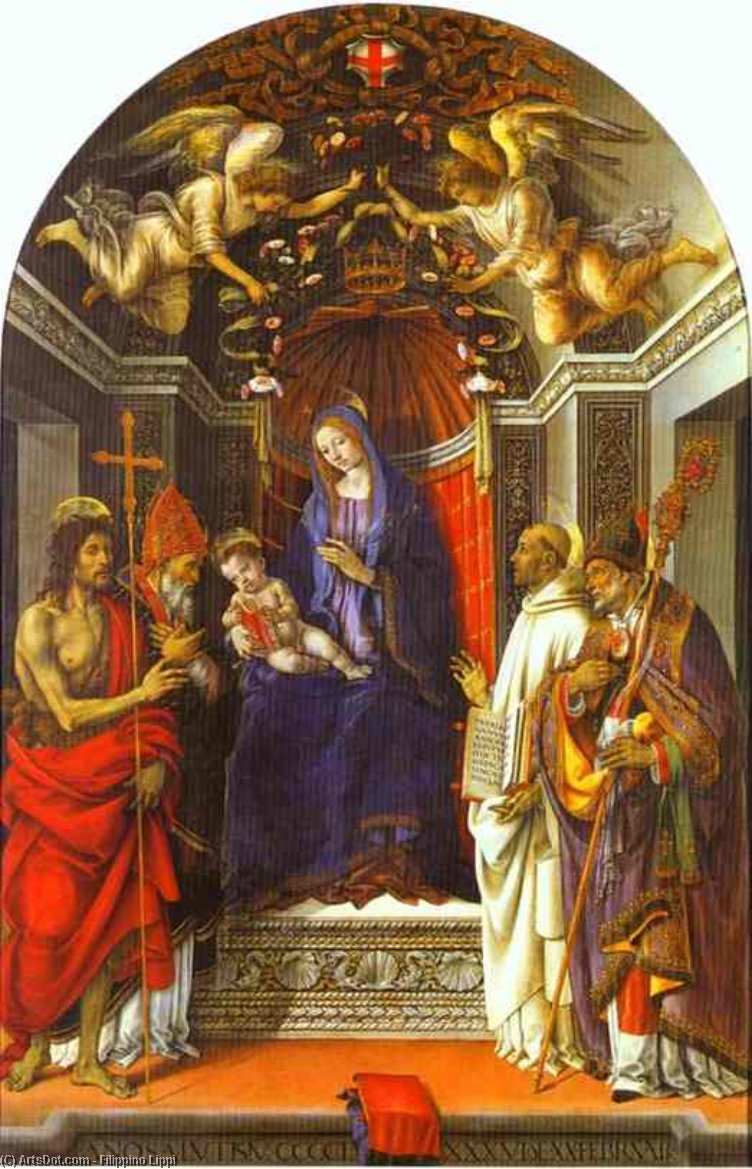
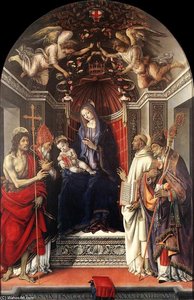
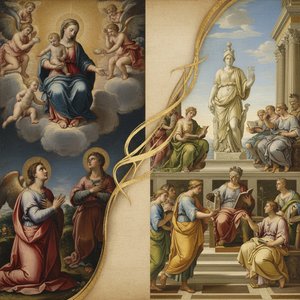
Madonna and Child Enthroned with St John the Baptist, St Victor, St Bernard and St Zenobius


 Pročitaj više
Giclee štampa / Umetnički otisak
Giclée štampa ili print na platnu muzejskog kvaliteta uz brzu proizvodnju i fleksibilne opcije završne obrade. ( Kupi ručno naslikanu sliku Kupi digitalnu sliku)




































Izaberite jednu od naših unapred definisanih veličina koje odgovaraju originalnim proporcijama umetničkog dela.

Možete uneti sopstvene dimenzije kako biste umetničko delo prilagodili specifičnom okviru ili prostoru. Ako odabrani format ne odgovara proporcijama originalne slike, mi ćemo ili iscrtati deo dela ili proširiti sliku pomoću ogledane ivice ili jednobojnog popunjavanja. Digitalni prikaz će vam biti poslat na odobrenje pre početka proizvodnje.
Imajte na umu da pregled na ekranu ne odražava stvarno iscrtavanje ili proširivanje. Samo će prikaz (mockup) precizno pokazati finalnu kompoziciju.
Iako su prilagođene dimenzije dostupne, preporučujemo da odaberete dimenziju sa unapred definisane liste kako biste očuvali originalne proporcije.
Dostava širom sveta () za 2 nedelje umesto uobičajenih 4/5 nedelja. (24 август)

Besplatna ekspresna dostava širom sveta

Visokokvalitetno laneno platno

Kompletno osiguranje transporta

Garancija povraćaja carine i uvoznih dažbina

Garancija vernosti boja

Politika povrata u roku od 60 dana (samo u slučaju nedostataka)

Garancija povrata novca od 100%

Popust pri grupnoj kupovini
 Opcija sa staklom dostupna je samo za dimenzije manje od 110 cm

Madonna and Child Enthroned with St John the Baptist, St Victor, St Bernard and St Zenobius
Giclee štampa / Umetnički otisak
Dimenzije reprodukcije
-


Konačna cena
$ 62
Opis predmeta
A Celestial Gathering in the Brancacci Chapel
In the heart of Florence, where the echoes of the Renaissance still resonate through the stone corridors of history, lies a masterpiece that captures the very essence of divine grace. Filippino Lippi’s Madonna and Child Enthroned with St John the Baptist, St Victor, St Bernard and St Zenobius is not merely a painting; it is a profound theological vision rendered in pigment and plaster. Created around 1486, this monumental work serves as a breathtaking window into a period where art and faith were inextricably linked. As the eye wanders across the composition, one is immediately struck by the pyramidal stability of the figures—a hallmark of High Renaissance design that directs all devotion toward the central, luminous figure of the Virgin Mary. Held tenderly by her, the Christ Child becomes the focal point of a sacred assembly, surrounded by saints whose presence bridges the gap between the earthly and the divine.
The emotional resonance of this piece lies in its ability to balance monumental grandeur with intimate tenderness. There is a palpable sense of quiet conversation occurring among the surrounding saints; their gazes and gestures suggest a shared moment of holy contemplation. To behold this work is to feel the weight of centuries of devotion. For the collector or the designer, this artwork offers more than just aesthetic beauty; it provides a centerpiece of profound spiritual depth. The way the light seems to emanate from the figures themselves creates an atmosphere of serenity that can transform any space, turning a room into a sanctuary of peace and classical elegance.
Mastery of Technique and Renaissance Splendor
To understand the brilliance of Lippi’s execution, one must appreciate the formidable challenge of the fresco technique. Unlike the slow-drying nature of oil, fresco requires the artist to work with incredible speed and precision, applying pigments directly onto wet plaster so that the color becomes an integral part of the wall itself. This method demands a certain decisiveness, a mastery over the medium that Lippi achieved through his lineage and rigorous training under his father, Fra Filippo Lippi. The result is a surface of exceptional durability and a luminosity that has survived the passage of half a millennium. Notice the meticulous rendering of the drapery; the folds of the garments are not merely shapes but tactile experiences, conveying the heavy, sumptuous textures of Renaissance textiles.
Lippi’s stylistic language is a sophisticated dialogue with the masters of his era. Drawing inspiration from the clarity of Perugino and the rhythmic grace of Botticelli, he weaves together a tapestry of classical harmony and humanistic detail. The architectural elements surrounding the enthroned Madonna are sculpted with such precision that they seem to possess their own weight and volume. This careful attention to geometric principles and proportion serves to elevate the subject matter, ensuring that every line and shadow contributes to the overall sense of divine order. For those seeking a high-quality reproduction, these fine details—the subtle gradations of light on skin and the intricate patterns of sacred vestments—are what make a hand-painted version of this masterpiece so captivating for modern interiors.
A Legacy of Patronage and Devotion
The historical context of this work is as rich as its visual splendor. Commissioned during an era of immense cultural flourishing under the patronage of Lorenzo de' Medici, the painting reflects the complex social and religious fabric of 15th-century Florence. The inclusion of specific saints like St Zenobius, the patron saint of Florence, anchors the celestial scene to a specific time and place, making the divine feel accessible to the Florentine people. This intersection of local pride and universal religious truth is what gives the work its enduring power.
Integrating a reproduction of such significance into a curated collection allows for a continuous connection to the High Renaissance. Whether placed in a grand hall or a quiet study, the Madonna and Child Enthroned acts as an anchor of sophistication. It invites the viewer to pause, to reflect on the mastery of the human hand, and to find inspiration in the timeless pursuit of beauty and truth. Owning a piece that echoes the grandeur of the Brancacci Chapel is an opportunity to surround oneself with the very soul of Italian art history.
Srodna umetnička dela
Biografija umetnika
Rano Životno Putovanje i Obuka
Filippino Lippi, rođen u Pratu, Italiji aprila 1457. godine, bio je sin poznatog slikara Fra Filippa Lippija i Lucrezie Buti. Njegovo detinjstvo obeleženo je neobičnim okolnostima – bio je vanbračno dete, što je uticalo na njegovu ranu karijeru i percepciju u umetničkom svetu. Ipak, odrastanje u radionici oca pružilo mu je izvanrednu priliku da se upozna sa tehnikama slikanja i razvije svoj talenat. Fra Filippo Lippi bio je strog učitelj, ali je prepoznao sinov potencijal i posvetio vreme njegovom obrazovanju. Filippino je od malena pokazivao sklonost ka detaljima, preciznosti i živopisnim bojama, karakterističnim za očev stil. Njegova rano dela, iako manje sofisticirana, već su nagoveštavala izuzetan dar i predanost umetnosti. Početak njegove formalne obuke bio je temelj na kome će kasnije graditi svoju prepoznatljivu tehniku i estetski izraz.Umetnički Razvoj i Karakteristike Stila
Nakon očeve smrti, Filippino je nastavio da usavršava svoj stil, prolazeći kroz različite faze razvoja. U periodu od 1475. do 1480. godine, njegove rane kompozicije, poput Madona, karakterisala je manja doterivanost i često su pripisivane anonimnom umetniku poznatom kao "prijatelj Sandra". Međutim, već u periodu od 1480. do 1485. godine, razvio je osobeniji pristup, demonstriran kroz dela poput *Putovanja Tobije*. Ova faza obeležena je jačom individualnošću i sposobnošću da prenese emocije kroz likove i kompoziciju. Vrhunac njegove umetničke mature dostigao je između 1485. i 1504. godine, kada je savršeno usvojio principe Visoke Renesanse, što se jasno vidi u remek-delima poput *Javljanje Hrista Devi*. Filippino Lippi bio je majstor animiranih oblika i linija, toplih boja, detaljnih pejzaža i ekspresivnih figura. Njegov stil karakterisala je jedinstvena kombinacija perspektivne geometrije sa intimnim enterijerima, stvarajući atmosferu dubine i realizma.Značajnija Dela i Saradnje
Filippino Lippi nije radio u izolaciji; sarađivao je sa nekim od najznačajnijih umetnika svog vremena. Učestvovao je u izradi fresaka na vili Lorenca de’ Medičija, zajedno sa Peruginom, Ghirlandaio i Botticellijem. Ova saradnja omogućila mu je da se upozna sa različitim tehnikama i stilovima, što je doprinelo njegovoj umetničkoj zrelosti. Jedan od najznačajnijih projekata bio je dovršavanje nedovršenog dekorisanja Brancacci kapela, započetog od Masaccia, u saradnji sa Masolinom. Njegova dela uključuju *Krunisanje Device*, *Tobija i Anđeo*, *Sveti Jeronim* i *Scena iz života Svetog Tome Akvinskog*. Svako od ovih dela predstavlja jedinstvenu kombinaciju tehničke virtuoznosti, emotivne dubine i inovativnog pristupa kompoziciji. Njegova sposobnost da oživi biblijske priče i svete figure učinila ga je jednim od najtraženijih slikara svog vremena.Uticaji i Nasleđe
Filippino Lippi bio je pod uticajem različitih umetnika, pre svega Sandra Botticellija i njegovog oca Fra Filippa Lippija. Međutim, uspeo je da razvije sopstveni stil koji se isticao originalnošću i inovativnošću. Njegova studija rimskih antikviteta tokom boravka u Rimu takođe je imala značajan uticaj na njegovo delo, uvodeći antičku leksiku u njegovu umetnost. Filippino Lippi smatra se vodećim firentinskim predstavnikom tradicije velikih fresko ciklusa. Njegov uticaj na Visoku Renesansu je neosporan. Dela su mu izložena u muzejima širom sveta, uključujući Galeriju Ufici u Firenci. Poznat je po povezivanju ranijih renesansnih stilova sa estetikom koja se pojavljuje u Visokoj Renesansi. Njegov rad predstavlja važan prelazni period u istoriji umetnosti, otvarajući put novim idejama i tehnikama koje će definisati naredne generacije slikara.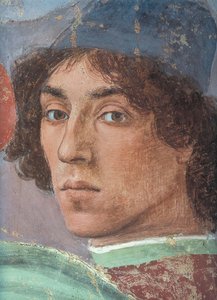
Филипино Липи
1457 - 1504 , Италија
Osnovne informacije
- Artistic Movement Or Style: Visoka renesansa
- Artists Or Movements Influenced By This Artist: ['Raffaellino del Garbo']
- Artists Who Influenced This Artist:
- Fra Filippo Lippi
- Sandro Botticelli
- Date Of Birth: April 1457.
- Date Of Death: April 1504.
- Full Name: Filippino Lippi
- Nationality: Italijan
- Notable Artworks:
- Krunisanje Device Marije
- Putovanje Tobije
- Sv. Jeronim
- Place Of Birth (City And Country): Prato, Italija
Povezani članci

Porodična freska nasleđe: Očuvanje kulture i identiteta kroz zidno slikarstvo – Istorijski uvid za kolekcionare
Istražite bogatu istoriju zidnog slikarstva i njegov značaj za očuvanje kulture i porodičnog nasleđa. Ekskluzivni uvid za kolekcionare, restauratore i ljubitelje umetnosti. Saznajte više o tehnikama, vrednosti i budućnosti ove drevne veštine.

Giclée Prints: Archival Quality & Aesthetic Nuances for the Discerning Collector
Explore the world of giclée prints with ArtsDot. Learn about archival quality, aesthetic nuances & investment potential. Expert guidance for discerning art collectors seeking museum-quality reproductions and lasting value.
Filippino Lippi: Renaissance Innovation Bridging Faith & Humanism
Explore the captivating world of Filippino Lippi, a Renaissance master bridging faith & humanism through innovative art. Discover his key works, influences, and lasting legacy with ArtsDot.

The Enduring Legacy of Fresco Painting: Techniques, History & Contemporary Relevance
Explore the rich history & enduring artistry of fresco painting – from Giotto to Michelangelo! Discover techniques, conservation efforts, & modern applications. Learn how ArtsDot brings this timeless art form to your home.

The Enduring Legacy of Fresco: Technique, History & Artistic Expression Across Cultures
Explore the rich history & enduring legacy of fresco painting! Discover ancient techniques, Giotto's masterpieces, and modern applications. Expert insights for art lovers & professionals.

