 Pregledaj u prostoru
 Pošalji
 Podeli
 Detalji o delu

 Преузми
 Slični predmeti
 Rendgenski snimak
 Slajdovi
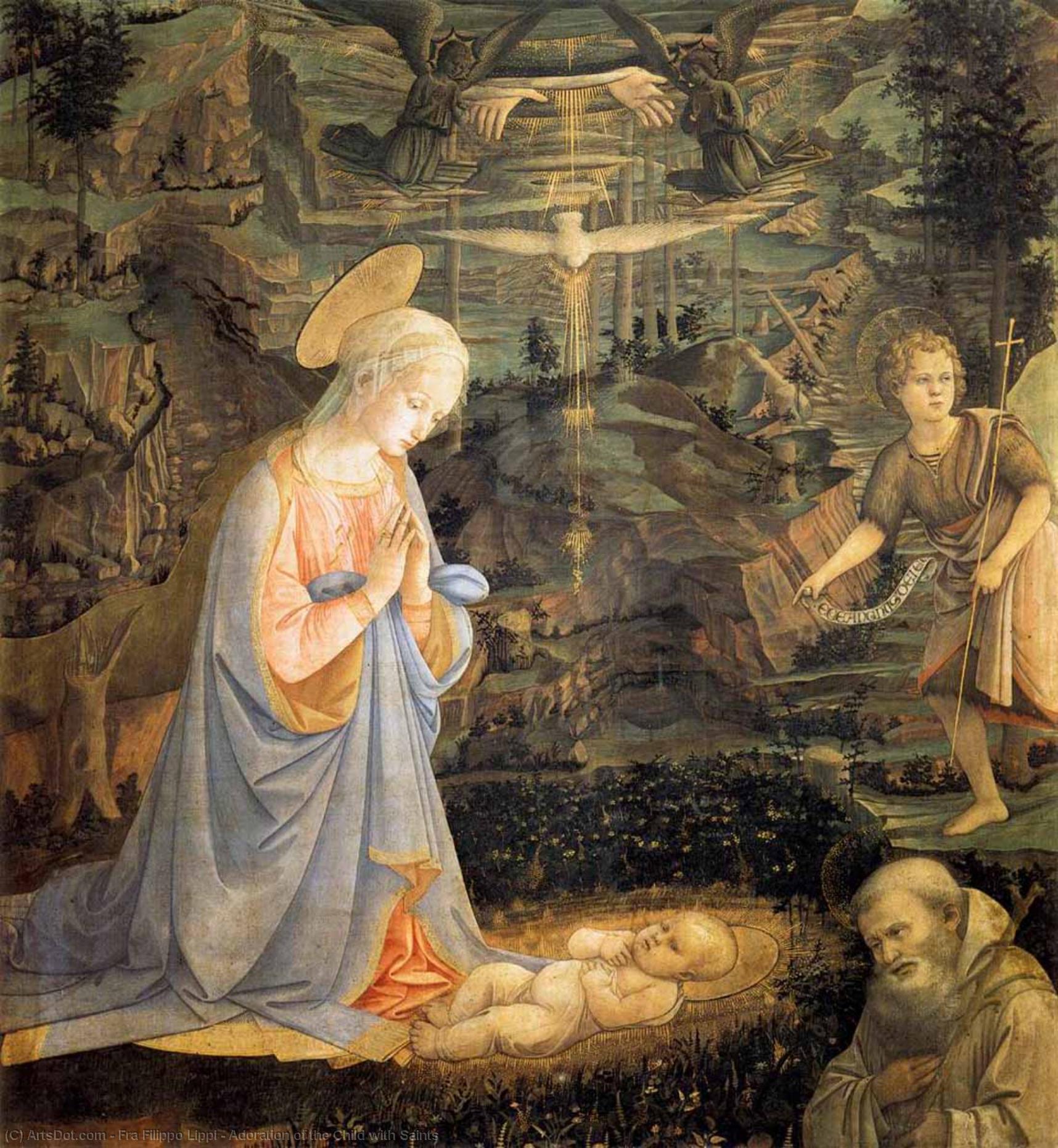
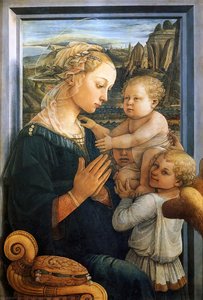
Adoration of the Child with Saints
 Acrylic On Canvas
- WallArt
- Early Renaissance
 1463
1463 140.0 x 130.0 cm
 Галерија Уфици
 Pročitaj više
Giclee štampa / Umetnički otisak
Giclée štampa ili print na platnu muzejskog kvaliteta uz brzu proizvodnju i fleksibilne opcije završne obrade. ( Kupi ručno naslikanu sliku Kupi digitalnu sliku)




P118B $10

P118H $10

P118W $10

P438Z $10

P508JH $12

P508YH $12

P805H $10

P805Z $10

P919BZ $10

P919G $10

P919XJ $10

P959ZH $10

P968JZ $12

W106C $8

W218G $10

W218JH $8

W218Y $10

W307PJ $10

W316G $10

W316PJ $8

W316Y $10

W398PJ $8

W4111J $10

W500HY $15

W500JH $15

W692G $12

W849H $8

W940BG $15

W953PJ $8




Izaberite jednu od naših unapred definisanih veličina koje odgovaraju originalnim proporcijama umetničkog dela.

Možete uneti sopstvene dimenzije kako biste umetničko delo prilagodili specifičnom okviru ili prostoru. Ako odabrani format ne odgovara proporcijama originalne slike, mi ćemo ili iscrtati deo dela ili proširiti sliku pomoću ogledane ivice ili jednobojnog popunjavanja. Digitalni prikaz će vam biti poslat na odobrenje pre početka proizvodnje.
Imajte na umu da pregled na ekranu ne odražava stvarno iscrtavanje ili proširivanje. Samo će prikaz (mockup) precizno pokazati finalnu kompoziciju.
Iako su prilagođene dimenzije dostupne, preporučujemo da odaberete dimenziju sa unapred definisane liste kako biste očuvali originalne proporcije.
Dostava širom sveta () za 2 nedelje umesto uobičajenih 4/5 nedelja. (31 август)

Besplatna ekspresna dostava širom sveta

Visokokvalitetno laneno platno

Kompletno osiguranje transporta

Garancija povraćaja carine i uvoznih dažbina

Garancija vernosti boja

Politika povrata u roku od 60 dana (samo u slučaju nedostataka)

Garancija povrata novca od 100%

Popust pri grupnoj kupovini
 Opcija sa staklom dostupna je samo za dimenzije manje od 110 cm

Adoration of the Child with Saints
Giclee štampa / Umetnički otisak
Dimenzije reprodukcije
-


Konačna cena
$ 62
The Serene Majesty of Filippo Lippi’s “Adoration of the Child with Saints”
Filippo di Tommaso Lippi's "Adoration of the Child with Saints," painted in 1463, is more than just a religious depiction; it’s a profound meditation on faith, innocence, and the divine presence rendered with an exquisite blend of Florentine realism and nascent Renaissance idealism. This masterpiece, currently residing within the Uffizi Gallery in Florence, offers a glimpse into the complex world of a brilliant but troubled artist – Lippi himself – and his deeply felt devotion to the Virgin Mary and her infant son. The painting’s power lies not just in its technical mastery, but also in the palpable sense of serenity and spiritual grace it evokes.
The scene unfolds within a meticulously crafted, almost dreamlike forest setting—a deliberate departure from the more conventional depictions of nativity scenes prevalent at the time. This isn't a bustling marketplace or a grand palace; instead, we are presented with an enclosed, verdant space, imbued with a sense of quiet contemplation. The trees, rendered in rich, layered brushstrokes, seem to lean inwards, creating a protective embrace around the central figures. The use of deep greens and browns establishes a grounding earthiness, while subtle hints of gold suggest the divine light filtering through the foliage. This carefully constructed landscape isn’t merely decorative; it functions as a visual metaphor for the Incarnation – the forest representing the earthly realm, transformed by the arrival of Christ.
A Symphony of Color and Technique
Lippi's technique is characterized by its remarkable luminosity and delicate modeling. He employed the *sfumato* technique—a hallmark of Renaissance painting—to create soft transitions between light and shadow, lending a hazy, ethereal quality to the figures and background. The Virgin Mary, positioned at the heart of the composition, is depicted with an almost otherworldly beauty; her face serene, her gaze fixed on her child. The baby Jesus, nestled securely in her arms, radiates innocence and vulnerability. Notice the subtle details – the folds of her robes, the delicate curve of his fingers—each rendered with painstaking precision.
Surrounding Mary are four additional figures: a young man standing to the left, a woman near the top right corner, a third figure at the bottom right, and a final one positioned towards the center-right. These saints, identified as Saint John the Baptist and Saint Romuald, contribute to the painting’s layered symbolism. The presence of these figures underscores the importance of Mary's role within the Christian narrative – she is not merely a mother but a central figure in salvation history. The inclusion of birds—one soaring above the Virgin and Child, the other near the top left corner—adds another layer of symbolic richness, representing the Holy Spirit and divine guidance.
Historical Context and Artistic Influences
Lippi’s “Adoration of the Child” emerged during a pivotal moment in Florentine art history. The early 15th century witnessed a flourishing of artistic innovation, fueled by the patronage of the Medici family and inspired by the legacy of Masaccio and Donatello. Lippi, initially influenced by Masaccio's groundbreaking use of perspective and realism, quickly developed his own distinctive style—characterized by its lyrical grace, emotional intensity, and profound spiritual depth. The painting reflects a shift away from the rigid formality of earlier Gothic art towards a more humanistic approach, emphasizing the beauty and dignity of the human form.
Interestingly, Lippi’s life was marked by scandal and controversy. His unorthodox personal relationships and his penchant for forgery led to periods of imprisonment and exile. Despite these challenges, he remained a prolific artist, producing some of the most beautiful and emotionally resonant works of the Renaissance. “Adoration of the Child with Saints” stands as a testament to his enduring talent—a poignant reminder of the complexities of human nature and the transformative power of faith.
A Timeless Masterpiece for Reflection and Inspiration
More than just a beautiful painting, Lippi’s "Adoration of the Child with Saints" invites contemplation on themes of innocence, devotion, and the divine. Its serene atmosphere and exquisite detail offer a moment of respite from the complexities of modern life. Whether displayed in a private collection or within a grand museum setting, this work continues to captivate viewers with its timeless beauty and profound spiritual message. Reproductions capture only a fraction of the original’s impact, but they provide an accessible way to experience the artistry and emotional depth of this remarkable masterpiece.
Srodna umetnička dela
Biografija umetnika
Флорентински побуњеник: Живот и уметност Филипа Липија
Филип ди Томазо Липи, познат као Фра Филип Липи, био је фигура благословљена уметничким генијем, али и засенчена животом испуњеним скандалима и неконвенционалним изборима. Рођен у Фиренци 1406. године у породици месара, његове ране године обележио је губитак; осироћео је у узрасту од две године и поверено му је старање тетке Моне Лапаче. Тај аранжман га је на крају, са осам година, довео у кармелитски манастир – пут који ће обликовати не само његов уметнички развој, већ и дефинисати сложеност његовог карактера. У тим затвореним зидинама млади Филип је започео своје формално образовање и, што је још важније, открио своју страст према сликању. Утицај те средине је опипљив у многим његовим делима; деликатна равнотежа између духовне преданости и све људскије сензибилности.Од монашких завета до уметничке иновације
Липијев улазак у кармелитски ред 1420. године није био само питање околности, већ је изгледа пробудио у њему врелу уметничку вољу. Заложио се са шеснаест година и заређен за свештеника око 1425. године, остајући у приорату до 1432. године. У том периоду историчар уметности Ђорђо Вазари бележи како је Липи био очаран пробојним фрескама Масаћа у капели Бранкачи – сусрет који се показао пресудним. Утицај Масаћовог реализма и иновативне употребе светлости јасно се види у раним делима Липија, као што је *Мадона из Тарквиније*, где се појављује новооткривени реализам. Међутим, Липи није био само имитатор; брзо је развио свој препознатљиви стил, карактеризован лиричном грациозношћу, деликатном бојеном палетом и суптилном емоционалном дубином која га је разликовала од савременика. Почео је да уноси религиозним сценама осећај интимности и људске повезаности, удаљавајући се од круте формалности раније побожне уметности.Мастер композиције и контроверзе
Липијева уметничка каријера је процветала у Фиренци, привлачећи поруџбине од истакнутих породица као што су Медичи. Дела попут *Благовести и седам светитеља* демонстрирају његову способност да ствара сложене композиције испуњене симболичким значењем и елегантним детаљима. *Крунисање Богородице*, завршено 1441. године за монахиње из Сант’Амбродђа, посебно је вредно пажње; садржи фигуру у појасу која се многи верују да је самопортрет Липија – смела тврдња уметничког идентитета у религиозном контексту. Али његов живот није био миран. Често се налазио умешан у финансијске тешкоће, правне спорове и оптужбе за фалсификат. Можда најизазиванија епизода укључивала је његово отмицу Лукреције Бути, монахиње из Прата, са којом се на крају оженио након година скандала и контроверзи. Тај чин, иако шокантан за то време, говори о Липијевом побуњеничком духу и његовој спремности да пркоси друштвеним нормама у потрази за личним срећом.Наслеђе и утицај
Упркос турбуленцији свог живота, Филип Липи је оставио неизбрисив траг на ренесансној уметности. Био је веома тражен сликар, а његова радионица постала је ледилиште будућих мајстора. Међу његовим најзначајнијим ученицима били су Сандро Ботичели и Франческо ди Песело (Песелино), обојица који ће постићи значајан успех у свом праву. Липијев утицај се види у лиричкој лепоти и емоционалној експресивности која карактерише много флорентинског сликања током касног Кватроћента. Он је премостио јаз између ране ренесансне реализма Масаћа и прочишћеније естетике Високе ренесансе, утирући пут новој генерацији уметника да истражи могућности људског облика и емоција. Његова способност да споји религиозну побожност са светским реализмом, заједно са његовим иновативним композицијама и изузетном техником, учврстила је његово место као једне од најважнијих и очаравајућих фигура италијанске ренесансе. Умро је у Сполету 1469. године, оставивши за собом наслеђе које наставља да инспирише дивљење вековима касније. *Његова уметност остаје сведочанство моћи човекове креативности и трајног шарму лепоте.*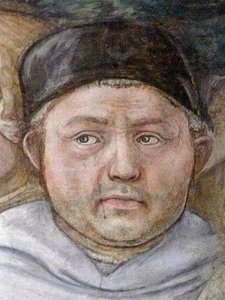
Филипо Липи
1406 - 1469 , Србија
Osnovne informacije
- Artistic Movement Or Style: Rani renesans
- Artists Or Movements Influenced By This Artist: ['Sandro Botticelli']
- Artists Who Influenced This Artist: ['Masaccio']
- Date Of Birth: 1406
- Date Of Death: 1469
- Full Name: Filippo di Tommaso Lippi
- Nationality: Italijan
- Notable Artworks:
- Tarquinia Madonna
- Navještenje
- Krunisanje Djevice
- Place Of Birth (City And Country): Firenca, Italija
Povezani članci
Celestial Messengers: A Comprehensive Exploration of Angelic Representation in Art History
Explore the captivating history of angels in art! Discover symbolism, iconic Renaissance masterpieces & renowned artists. Expert insights for art lovers & collectors at ArtsDot.
Celestial Messengers: Angels in Painting – A Historical & Artistic Exploration
Explore the captivating history of angels in painting! Discover symbolism, iconic Renaissance & Byzantine masterpieces, and renowned artists. Expert insights for art lovers & collectors at ArtsDot.
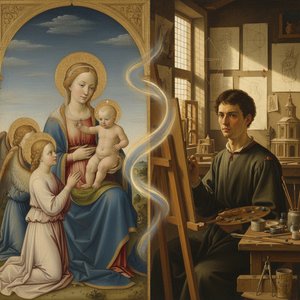
Filippo Lippi: Bridging Renaissance Devotion & Artistic Innovation
Explore the life & revolutionary art of Filippo Lippi, a pivotal Renaissance painter. Discover his masterpieces, influence on Botticelli, and investment potential. Expert analysis at ArtsDot.
Rafaela Sanzio: 25 Remek-dela Renesansnog Majstora za Vaš Dom | ArtsDot
Uronite u svet Rafaela Sanzija! Otkrijte 25 remek-dela renesansnog umetnika, od Madona do fresaka Vatikana. Inspiracija za dekoraciju enterijera i kupovina reprodukcija slika visoke rezolucije na ArtsDot.com.
Fra Anđeo: 25 Remek-dela Renesansnog Duha za Vaš Dom | ArtsDot
Uronite u svet Fra Anđela – 25 remek-dela renesansnog slikara. Otkrijte priče iza njegovih čuvenih fresaka i oltarskih slika, inspiracija za enterijer i duhovni mir. Kupite reprodukcije vrhunskog kvaliteta na ArtsDot.com!