 Pregledaj u prostoru
 Pošalji
 Podeli
 Detalji o delu

 Преузми
 Slični predmeti
 Rendgenski snimak
 Slajdovi
Death of the Virgin


 Pročitaj više
Ručno rađena uljana reprodukcija
Ručno oslikano uljanim bojama na platnu u dimenzijama i okviru po vašem izboru, izrađeno po porudžbini od strane naših umetnika. ( Kupi print Kupi digitalnu sliku)




P118B $10

P118H $10

P118W $10

P438Z $10

P508JH $12

P508YH $12

P805H $10

P805Z $10

P919BZ $10

P919G $10

P919XJ $10

P959ZH $10

P968JZ $12

W106C $8

W218G $10

W218JH $8

W218Y $10

W307PJ $10

W316G $10

W316PJ $8

W316Y $10

W398PJ $8

W4111J $10

W500HY $15

W500JH $15

W692G $12

W849H $8

W940BG $15

W953PJ $8




Izaberite jednu od naših unapred definisanih veličina koje odgovaraju originalnim proporcijama umetničkog dela.

Можете унети сопствене димензије како бисте прилагодили дело одређеном оквиру или простору. Ако одабрана величина не одговара пропорцијама оригинала, слика ће бити исечена или проширена додатним елементима који се ручно насликавају. Дигитални prikaz ће вам бити послат на одобрење пре почетка производње.
Имајте на уму да преглед на екрану не одражава стварно исецање или проширење. Само приказ (mockup) ће тачно приказати коначну композицију.
Иако су доступне прилагођене величине, препоручујемо да одаберете димензију из дефинисане листе како бисте сачували оригиналне пропорције.
Nakon narudžbine, tim ArtsDot.com će klijentu putem e-pošte poslati uputstva i dostaviti prikaz predloženog rešenja
Isporuka širom sveta () za 3/4 nedelje umesto uobičajenih 5 nedelja. (27 август). Bez kompromisa po pitanju kvaliteta.

Besplatna ekspresna dostava širom sveta

Visokokvalitetno laneno platno

Kompletno osiguranje transporta

Garancija povraćaja carine i uvoznih dažbina

Garancija vernosti boja

Politika povrata u roku od 60 dana (samo u slučaju nedostataka)

Garancija povrata novca od 100%

Popust pri grupnoj kupovini
 Opcija sa staklom dostupna je samo za dimenzije manje od 110 cm

Death of the Virgin
Tehnika reprodukcije
Dimenzije reprodukcije
-


Konačna cena
$ 263
Opis umetničkog dela
The Silent Grief: Unveiling Fra Filippo Lippi’s ‘Death of the Virgin’
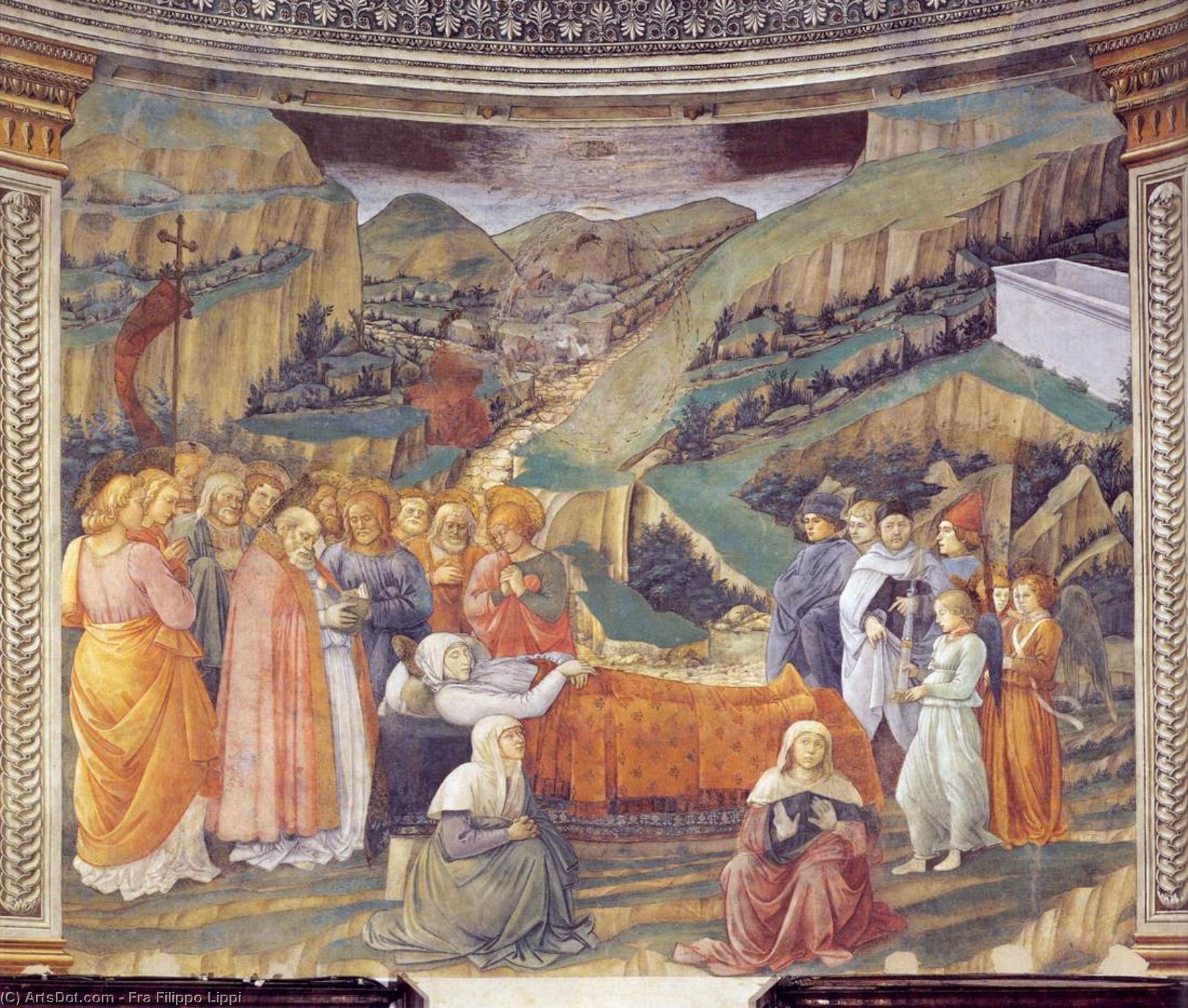
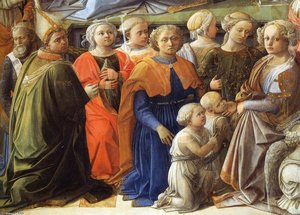
Fra Filippo Lippi's “Death of the Virgin,” painted in 1467 and housed within the majestic Duomo of Spoleto, Italy, isn’t merely a depiction of mortality; it’s a profound meditation on faith, loss, and the quiet dignity of suffering. More than just a religious scene, this fresco embodies the burgeoning humanism of the Quattrocento, subtly shifting the focus from purely devotional iconography to a more emotionally resonant portrayal of a pivotal moment in Christian history. Lippi, a figure both celebrated for his artistic genius and shadowed by personal scandal, masterfully captures a sense of restrained grief—a palpable atmosphere that draws the viewer into the intimate space surrounding the Virgin’s final repose.
The painting immediately commands attention with its masterful use of color and light. Lippi eschews the vibrant hues often associated with Renaissance art, opting instead for a muted palette dominated by deep reds, browns, and subtle blues—a deliberate choice that lends an air of solemnity to the scene. The lighting is equally restrained, casting soft shadows across the figures and highlighting the delicate folds of their garments. This careful manipulation of color and light isn’t merely aesthetic; it serves to heighten the emotional impact of the image, creating a sense of quiet contemplation rather than dramatic spectacle.
A Study in Humanism: The Figures and Their Narrative
At the heart of the composition lies Mary, depicted not as an ethereal goddess but as a profoundly human woman—a mother facing the inevitable. Her posture is one of serene acceptance, her face etched with a quiet sorrow that speaks volumes. Surrounding her are figures representing the apostles and other key witnesses to her passing: some in moments of mourning, their faces veiled in grief; others engaged in prayer or contemplation, seeking solace in faith. The arrangement isn’t rigidly hierarchical; instead, it feels like a natural gathering—a community united in shared sorrow. Notably, Lippi deliberately obscures the faces of many of these figures, emphasizing the universality of human suffering rather than focusing on individual identities.
The painting's composition is remarkably dynamic despite its stillness. The figures are arranged around a simple bed, creating a sense of intimacy and immediacy. The use of perspective—though not entirely precise by Renaissance standards—adds depth to the scene, drawing the viewer into the enclosed space. Lippi’s attention to detail is evident in every aspect of the painting, from the intricate folds of the drapery to the realistic portrayal of the figures' hands and faces. This meticulousness underscores his commitment to capturing not just the outward appearance but also the inner essence of each subject.
Symbolism and Artistic Influences: Echoes of the Past
“Death of the Virgin” is deeply rooted in the artistic traditions of its time, yet it also represents a significant departure from established conventions. Lippi was influenced by the works of Masaccio and Donatello, particularly their emphasis on realism and humanism. However, he transcends these influences by imbuing his painting with a uniquely personal expression of grief and spirituality. The presence of the apostles, traditionally depicted as heroic figures, here serves to emphasize the vulnerability and humanity of Mary.
The painting’s symbolism is rich and layered. The bed itself represents the threshold between life and death, while the surrounding figures symbolize the community's shared grief and faith. The subtle references to classical art—particularly in the drapery and the arrangement of the figures—demonstrate Lippi’s awareness of the artistic heritage of his time. Ultimately, “Death of the Virgin” is a testament to Lippi’s ability to synthesize these diverse influences into a cohesive and profoundly moving work of art.
A Legacy Enduring: The Fresco's Timeless Appeal
“Death of the Virgin” remains one of the most celebrated works of the Quattrocento, admired for its emotional depth, technical mastery, and enduring beauty. Its quiet intensity continues to resonate with viewers today, inviting contemplation on themes of loss, faith, and the human condition. Reproductions of this iconic fresco offer a powerful connection to Renaissance art—a chance to experience the artistry and spiritual insight of Fra Filippo Lippi firsthand. For those seeking to enrich their spaces with a piece of artistic history, a high-quality reproduction captures the essence of this masterpiece while bringing its timeless beauty into your home.
Srodna umetnička dela
Biografija umetnika
Флорентински побуњеник: Живот и уметност Филипа Липија
Филип ди Томазо Липи, познат као Фра Филип Липи, био је фигура благословљена уметничким генијем, али и засенчена животом испуњеним скандалима и неконвенционалним изборима. Рођен у Фиренци 1406. године у породици месара, његове ране године обележио је губитак; осироћео је у узрасту од две године и поверено му је старање тетке Моне Лапаче. Тај аранжман га је на крају, са осам година, довео у кармелитски манастир – пут који ће обликовати не само његов уметнички развој, већ и дефинисати сложеност његовог карактера. У тим затвореним зидинама млади Филип је започео своје формално образовање и, што је још важније, открио своју страст према сликању. Утицај те средине је опипљив у многим његовим делима; деликатна равнотежа између духовне преданости и све људскије сензибилности.Од монашких завета до уметничке иновације
Липијев улазак у кармелитски ред 1420. године није био само питање околности, већ је изгледа пробудио у њему врелу уметничку вољу. Заложио се са шеснаест година и заређен за свештеника око 1425. године, остајући у приорату до 1432. године. У том периоду историчар уметности Ђорђо Вазари бележи како је Липи био очаран пробојним фрескама Масаћа у капели Бранкачи – сусрет који се показао пресудним. Утицај Масаћовог реализма и иновативне употребе светлости јасно се види у раним делима Липија, као што је *Мадона из Тарквиније*, где се појављује новооткривени реализам. Међутим, Липи није био само имитатор; брзо је развио свој препознатљиви стил, карактеризован лиричном грациозношћу, деликатном бојеном палетом и суптилном емоционалном дубином која га је разликовала од савременика. Почео је да уноси религиозним сценама осећај интимности и људске повезаности, удаљавајући се од круте формалности раније побожне уметности.Мастер композиције и контроверзе
Липијева уметничка каријера је процветала у Фиренци, привлачећи поруџбине од истакнутих породица као што су Медичи. Дела попут *Благовести и седам светитеља* демонстрирају његову способност да ствара сложене композиције испуњене симболичким значењем и елегантним детаљима. *Крунисање Богородице*, завршено 1441. године за монахиње из Сант’Амбродђа, посебно је вредно пажње; садржи фигуру у појасу која се многи верују да је самопортрет Липија – смела тврдња уметничког идентитета у религиозном контексту. Али његов живот није био миран. Често се налазио умешан у финансијске тешкоће, правне спорове и оптужбе за фалсификат. Можда најизазиванија епизода укључивала је његово отмицу Лукреције Бути, монахиње из Прата, са којом се на крају оженио након година скандала и контроверзи. Тај чин, иако шокантан за то време, говори о Липијевом побуњеничком духу и његовој спремности да пркоси друштвеним нормама у потрази за личним срећом.Наслеђе и утицај
Упркос турбуленцији свог живота, Филип Липи је оставио неизбрисив траг на ренесансној уметности. Био је веома тражен сликар, а његова радионица постала је ледилиште будућих мајстора. Међу његовим најзначајнијим ученицима били су Сандро Ботичели и Франческо ди Песело (Песелино), обојица који ће постићи значајан успех у свом праву. Липијев утицај се види у лиричкој лепоти и емоционалној експресивности која карактерише много флорентинског сликања током касног Кватроћента. Он је премостио јаз између ране ренесансне реализма Масаћа и прочишћеније естетике Високе ренесансе, утирући пут новој генерацији уметника да истражи могућности људског облика и емоција. Његова способност да споји религиозну побожност са светским реализмом, заједно са његовим иновативним композицијама и изузетном техником, учврстила је његово место као једне од најважнијих и очаравајућих фигура италијанске ренесансе. Умро је у Сполету 1469. године, оставивши за собом наслеђе које наставља да инспирише дивљење вековима касније. *Његова уметност остаје сведочанство моћи човекове креативности и трајног шарму лепоте.*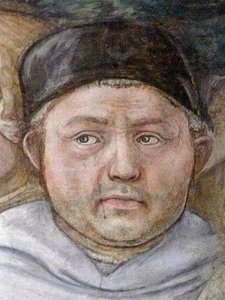
Филипо Липи
1406 - 1469 , Србија
Osnovne informacije
- Artistic Movement Or Style: Rani renesans
- Artists Or Movements Influenced By This Artist: ['Sandro Botticelli']
- Artists Who Influenced This Artist: ['Masaccio']
- Date Of Birth: 1406
- Date Of Death: 1469
- Full Name: Filippo di Tommaso Lippi
- Nationality: Italijan
- Notable Artworks:
- Tarquinia Madonna
- Navještenje
- Krunisanje Djevice
- Place Of Birth (City And Country): Firenca, Italija
Povezani članci

Porodična freska nasleđe: Očuvanje kulture i identiteta kroz zidno slikarstvo – Istorijski uvid za kolekcionare
Istražite bogatu istoriju zidnog slikarstva i njegov značaj za očuvanje kulture i porodičnog nasleđa. Ekskluzivni uvid za kolekcionare, restauratore i ljubitelje umetnosti. Saznajte više o tehnikama, vrednosti i budućnosti ove drevne veštine.

The Enduring Legacy of Fresco: Technique, History & Artistic Expression Across Cultures
Explore the rich history & enduring legacy of fresco painting! Discover ancient techniques, Giotto's masterpieces, and modern applications. Expert insights for art lovers & professionals.

The Enduring Legacy of Fresco Painting: Techniques, History & Contemporary Relevance
Explore the rich history & enduring artistry of fresco painting – from Giotto to Michelangelo! Discover techniques, conservation efforts, & modern applications. Learn how ArtsDot brings this timeless art form to your home.

Umetnička dela koja oživljavaju prostor: Emocionalna snaga personalizovane freske u enterijeru
Otkrijte emocionalnu snagu personalizovane freske! Ekskluzivni vodič o istoriji, tehnikama i primeni freski u luksuznom dizajnu enterijera. Kreirajte jedinstveno umetničko delo za vaš dom.
The Enduring Legacy of Fresco: Technique, History & Artistic Expression
Explore the rich history & enduring artistry of fresco painting. Discover techniques from Giotto to Michelangelo, conservation efforts, & modern applications. Learn how ArtsDot brings this timeless art form to your home.