 Pregledaj u prostoru
 Pošalji
 Podeli
 Detalji o delu

 Преузми
 Slični predmeti
 Rendgenski snimak
 Slajdovi
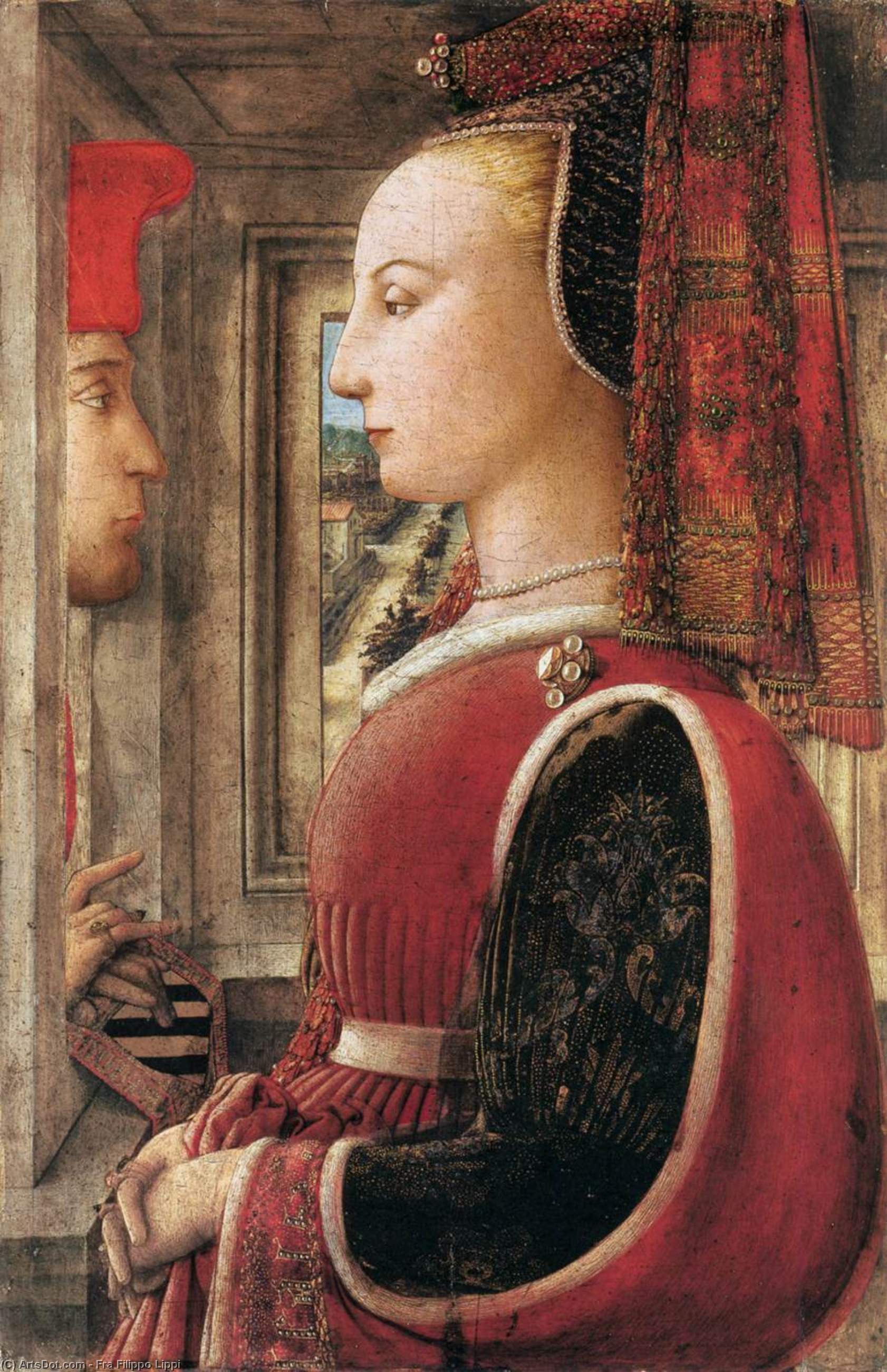
Portrait of a Man and a Woman
 Acrylic On Canvas
- WallArt
- Renaissance
 1440
1440 64.0 x 42.0 cm
 Metropolitan Museum of Art
 Pročitaj više
Giclee štampa / Umetnički otisak
Giclée štampa ili print na platnu muzejskog kvaliteta uz brzu proizvodnju i fleksibilne opcije završne obrade. ( Kupi ručno naslikanu sliku Kupi digitalnu sliku)




P118B $10

P118H $10

P118W $10

P438Z $10

P508JH $12

P508YH $12

P805H $10

P805Z $10

P919BZ $10

P919G $10

P919XJ $10

P959ZH $10

P968JZ $12

W106C $8

W218G $10

W218JH $8

W218Y $10

W307PJ $10

W316G $10

W316PJ $8

W316Y $10

W398PJ $8

W4111J $10

W500HY $15

W500JH $15

W692G $12

W849H $8

W940BG $15

W953PJ $8




Izaberite jednu od naših unapred definisanih veličina koje odgovaraju originalnim proporcijama umetničkog dela.

Možete uneti sopstvene dimenzije kako biste umetničko delo prilagodili specifičnom okviru ili prostoru. Ako odabrani format ne odgovara proporcijama originalne slike, mi ćemo ili iscrtati deo dela ili proširiti sliku pomoću ogledane ivice ili jednobojnog popunjavanja. Digitalni prikaz će vam biti poslat na odobrenje pre početka proizvodnje.
Imajte na umu da pregled na ekranu ne odražava stvarno iscrtavanje ili proširivanje. Samo će prikaz (mockup) precizno pokazati finalnu kompoziciju.
Iako su prilagođene dimenzije dostupne, preporučujemo da odaberete dimenziju sa unapred definisane liste kako biste očuvali originalne proporcije.
Dostava širom sveta () za 2 nedelje umesto uobičajenih 4/5 nedelja. (3 септембар)

Besplatna ekspresna dostava širom sveta

Visokokvalitetno laneno platno

Kompletno osiguranje transporta

Garancija povraćaja carine i uvoznih dažbina

Garancija vernosti boja

Politika povrata u roku od 60 dana (samo u slučaju nedostataka)

Garancija povrata novca od 100%

Popust pri grupnoj kupovini
 Opcija sa staklom dostupna je samo za dimenzije manje od 110 cm

Portrait of a Man and a Woman
Giclee štampa / Umetnički otisak
Dimenzije reprodukcije
-


Konačna cena
$ 62
Portrait of a Man and a Woman: A Renaissance Window into Love and Status
Filippo Lippi’s “Portrait of a Man and a Woman,” painted in 1440, isn't merely a depiction of two figures; it’s a carefully constructed tableau brimming with the social codes, artistic influences, and burgeoning humanism of early Renaissance Florence. The painting immediately draws the eye with its striking formality – the subjects are presented in profile, a convention rooted in classical art but increasingly employed to convey dignity and composure within the evolving Italian portraiture tradition. The woman, dressed in sumptuous fabrics and adorned with jewelry, occupies a central position, her gaze directed outwards, suggesting an awareness of the viewer and perhaps even a subtle invitation. The man, positioned slightly behind her, holds a book – a symbol of learning, status, and intellectual engagement, subtly elevating his role within the composition.
The scene unfolds within a carefully rendered interior space, dominated by a large window that floods the room with light. This architectural detail isn’t simply decorative; it establishes depth and context, hinting at a domestic setting – a home where courtship and potential marriage were being considered. The two chairs flanking the figures further reinforce this narrative of anticipation and social interaction. Lippi masterfully employs *chiaroscuro*, the dramatic contrast between light and shadow, to sculpt the forms of his subjects, lending them a tangible presence and emphasizing their physical beauty. Notice how the light catches the folds of the woman’s dress, highlighting its richness and quality – a visual shorthand for her family's wealth and social standing.
The Language of Symbolism
Beyond the immediate depiction of the subjects, “Portrait of a Man and a Woman” is rich in symbolic meaning. The woman’s attire—particularly the elaborate headdress and jewelry—is not merely fashionable; it speaks to her marital status and social position. The brooch on her head, known as a *Brocchetta ditesta*, was a highly prized possession, signifying wealth and refinement. The inscription “lealta” embroidered onto her sleeve further reinforces this message, suggesting that the man she is awaiting is a loyal and worthy suitor. The book held by the man symbolizes his education and intellectual pursuits – qualities valued in a potential husband.
The window itself holds significance. It frames a landscape, subtly hinting at the world beyond the confines of domestic life. This inclusion suggests that while the couple is focused on their immediate relationship, they are also aware of the broader social context and the expectations placed upon them. The overall composition carefully balances intimacy with a sense of public observation, reflecting the complexities of Renaissance courtship rituals.
A Masterpiece of Early Florentine Painting
Lippi’s painting demonstrates a remarkable synthesis of influences – drawing on the classical ideals of profile portraiture, the naturalism championed by Masaccio (with whom Lippi initially studied), and the burgeoning humanist interest in depicting individual character. The use of tempera on wood provides a luminous quality to the colors, while the meticulous attention to detail—from the texture of the fabrics to the rendering of the figures’ hands—testifies to Lippi's exceptional skill as a painter. The painting is considered a pivotal work in his oeuvre, marking a shift towards greater psychological depth and emotional resonance.
Recreating the Renaissance: A High-Quality Reproduction
ArtsDot offers meticulously crafted reproductions of “Portrait of a Man and a Woman,” capturing the essence of Lippi’s original masterpiece. Our hand-painted reproductions utilize archival-quality materials and techniques, ensuring that every detail—from the subtle nuances of *chiaroscuro* to the rich textures of the fabrics—is faithfully reproduced. Whether you're seeking an authentic addition to your art collection or a stunning centerpiece for your interior design scheme, our reproduction provides a timeless tribute to one of the Renaissance’s most captivating portraits.
Explore our detailed reproductions and bring this iconic work of art into your home today!
Srodna umetnička dela
Biografija umetnika
Флорентински побуњеник: Живот и уметност Филипа Липија
Филип ди Томазо Липи, познат као Фра Филип Липи, био је фигура благословљена уметничким генијем, али и засенчена животом испуњеним скандалима и неконвенционалним изборима. Рођен у Фиренци 1406. године у породици месара, његове ране године обележио је губитак; осироћео је у узрасту од две године и поверено му је старање тетке Моне Лапаче. Тај аранжман га је на крају, са осам година, довео у кармелитски манастир – пут који ће обликовати не само његов уметнички развој, већ и дефинисати сложеност његовог карактера. У тим затвореним зидинама млади Филип је започео своје формално образовање и, што је још важније, открио своју страст према сликању. Утицај те средине је опипљив у многим његовим делима; деликатна равнотежа између духовне преданости и све људскије сензибилности.Од монашких завета до уметничке иновације
Липијев улазак у кармелитски ред 1420. године није био само питање околности, већ је изгледа пробудио у њему врелу уметничку вољу. Заложио се са шеснаест година и заређен за свештеника око 1425. године, остајући у приорату до 1432. године. У том периоду историчар уметности Ђорђо Вазари бележи како је Липи био очаран пробојним фрескама Масаћа у капели Бранкачи – сусрет који се показао пресудним. Утицај Масаћовог реализма и иновативне употребе светлости јасно се види у раним делима Липија, као што је *Мадона из Тарквиније*, где се појављује новооткривени реализам. Међутим, Липи није био само имитатор; брзо је развио свој препознатљиви стил, карактеризован лиричном грациозношћу, деликатном бојеном палетом и суптилном емоционалном дубином која га је разликовала од савременика. Почео је да уноси религиозним сценама осећај интимности и људске повезаности, удаљавајући се од круте формалности раније побожне уметности.Мастер композиције и контроверзе
Липијева уметничка каријера је процветала у Фиренци, привлачећи поруџбине од истакнутих породица као што су Медичи. Дела попут *Благовести и седам светитеља* демонстрирају његову способност да ствара сложене композиције испуњене симболичким значењем и елегантним детаљима. *Крунисање Богородице*, завршено 1441. године за монахиње из Сант’Амбродђа, посебно је вредно пажње; садржи фигуру у појасу која се многи верују да је самопортрет Липија – смела тврдња уметничког идентитета у религиозном контексту. Али његов живот није био миран. Често се налазио умешан у финансијске тешкоће, правне спорове и оптужбе за фалсификат. Можда најизазиванија епизода укључивала је његово отмицу Лукреције Бути, монахиње из Прата, са којом се на крају оженио након година скандала и контроверзи. Тај чин, иако шокантан за то време, говори о Липијевом побуњеничком духу и његовој спремности да пркоси друштвеним нормама у потрази за личним срећом.Наслеђе и утицај
Упркос турбуленцији свог живота, Филип Липи је оставио неизбрисив траг на ренесансној уметности. Био је веома тражен сликар, а његова радионица постала је ледилиште будућих мајстора. Међу његовим најзначајнијим ученицима били су Сандро Ботичели и Франческо ди Песело (Песелино), обојица који ће постићи значајан успех у свом праву. Липијев утицај се види у лиричкој лепоти и емоционалној експресивности која карактерише много флорентинског сликања током касног Кватроћента. Он је премостио јаз између ране ренесансне реализма Масаћа и прочишћеније естетике Високе ренесансе, утирући пут новој генерацији уметника да истражи могућности људског облика и емоција. Његова способност да споји религиозну побожност са светским реализмом, заједно са његовим иновативним композицијама и изузетном техником, учврстила је његово место као једне од најважнијих и очаравајућих фигура италијанске ренесансе. Умро је у Сполету 1469. године, оставивши за собом наслеђе које наставља да инспирише дивљење вековима касније. *Његова уметност остаје сведочанство моћи човекове креативности и трајног шарму лепоте.*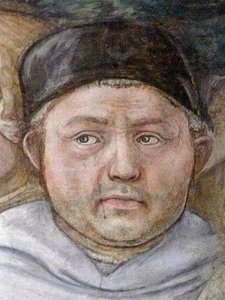
Филипо Липи
1406 - 1469 , Србија
Osnovne informacije
- Artistic Movement Or Style: Rani renesans
- Artists Or Movements Influenced By This Artist: ['Sandro Botticelli']
- Artists Who Influenced This Artist: ['Masaccio']
- Date Of Birth: 1406
- Date Of Death: 1469
- Full Name: Filippo di Tommaso Lippi
- Nationality: Italijan
- Notable Artworks:
- Tarquinia Madonna
- Navještenje
- Krunisanje Djevice
- Place Of Birth (City And Country): Firenca, Italija
Povezani članci
Crimson Threads of Narrative: Exploring Symbolism & Representation in Artworks Featuring the Red Dress
Explore the rich symbolism of the red dress in art history! From ancient power displays to iconic portraits like Cézanne’s 'Madame Cezanne', discover the cultural and artistic significance behind this captivating color. Expert analysis & insights.
Filippo Lippi: Bridging Renaissance Devotion & Artistic Innovation
Explore the life & revolutionary art of Filippo Lippi, a pivotal Renaissance painter. Discover his masterpieces, influence on Botticelli, and investment potential. Expert analysis at ArtsDot.
Azure Visions: Exploring Representations of the Blue Dress in Western Art History
Explore the rich history of the blue dress in Western art! Discover its symbolism, from Renaissance masterpieces to modern interpretations by artists like Martin & Schiele. Uncover cultural meanings and artistic techniques.
The Enduring Legacy of Formal Portraiture: Power, Identity & Artistic Exploration
Explore the rich history of formal portraiture & its enduring power to capture identity and shape perception. Discover investment-worthy artworks, expert appraisals, and custom reproduction services at ArtsDot.
25 Remek-dela Galerije Uffizi: Putovanje kroz renesansnu lepotu | ArtsDot.com
Istražite 25 remek-dela Galerije Uffizi u Firenci! Otkrijte priče iza slika Leonarda da Vinčija, Mikelanđela i Botticellija. Pronađite inspiraciju za dekoraciju enterijera i kupite reprodukcije vrhunske kvalitete na ArtsDot.com.