

 Pregledaj u prostoru
 Pošalji
 Podeli
 Detalji o delu

 Преузми
 Slični predmeti
 Rendgenski snimak
 Slajdovi
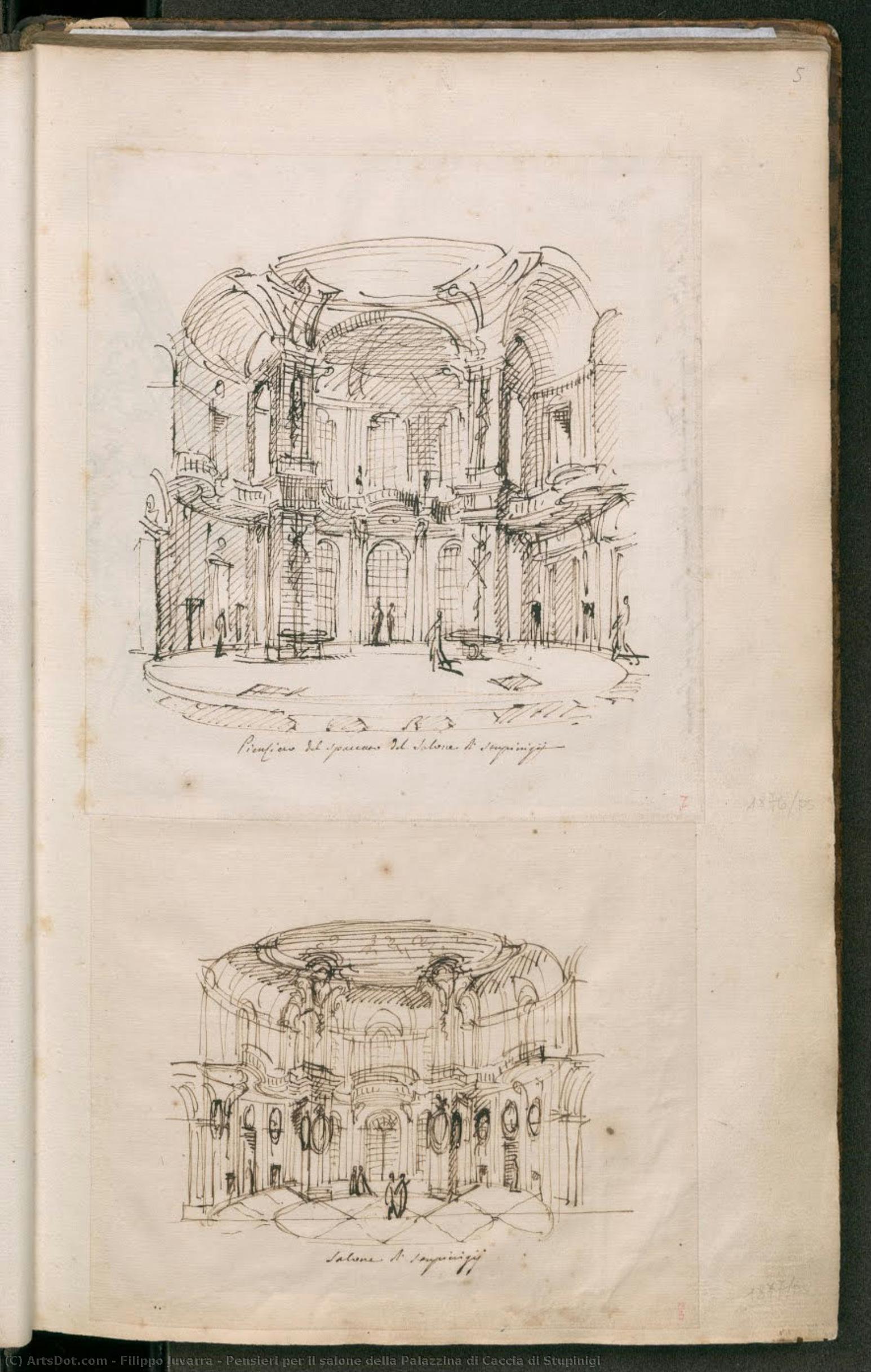
Pensieri per il salone della Palazzina di Caccia di Stupinigi


 Pročitaj više
Giclee štampa / Umetnički otisak
Giclée štampa ili print na platnu muzejskog kvaliteta uz brzu proizvodnju i fleksibilne opcije završne obrade. ( Kupi ručno naslikanu sliku Kupi digitalnu sliku)




































Izaberite jednu od naših unapred definisanih veličina koje odgovaraju originalnim proporcijama umetničkog dela.

Možete uneti sopstvene dimenzije kako biste umetničko delo prilagodili specifičnom okviru ili prostoru. Ako odabrani format ne odgovara proporcijama originalne slike, mi ćemo ili iscrtati deo dela ili proširiti sliku pomoću ogledane ivice ili jednobojnog popunjavanja. Digitalni prikaz će vam biti poslat na odobrenje pre početka proizvodnje.
Imajte na umu da pregled na ekranu ne odražava stvarno iscrtavanje ili proširivanje. Samo će prikaz (mockup) precizno pokazati finalnu kompoziciju.
Iako su prilagođene dimenzije dostupne, preporučujemo da odaberete dimenziju sa unapred definisane liste kako biste očuvali originalne proporcije.
Dostava širom sveta () za 2 nedelje umesto uobičajenih 4/5 nedelja. (1 септембар)

Besplatna ekspresna dostava širom sveta

Visokokvalitetno laneno platno

Kompletno osiguranje transporta

Garancija povraćaja carine i uvoznih dažbina

Garancija vernosti boja

Politika povrata u roku od 60 dana (samo u slučaju nedostataka)

Garancija povrata novca od 100%

Popust pri grupnoj kupovini
 Opcija sa staklom dostupna je samo za dimenzije manje od 110 cm

Pensieri per il salone della Palazzina di Caccia di Stupinigi
Giclee štampa / Umetnički otisak
Dimenzije reprodukcije
-


Konačna cena
$ 62
Srodna umetnička dela









Biografija umetnika
The Architect of Savoy Splendor
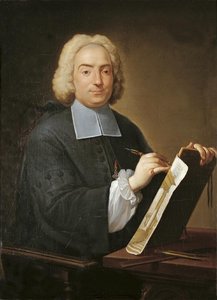
Filippo Juvarra stands as one of the most celebrated architects of the Baroque era, an artist whose vision indelibly shaped the artistic landscape of Turin and left an enduring legacy on Italian architectural history. Born in Messina, Sicily, to a family of skilled goldsmiths and engravers, his early life was steeped in the meticulous traditions of craftsmanship. This lineage instilled within him a profound appreciation for grandeur and detail—influences that would permeate his entire oeuvre. Before he became a master of stone and space, Juvarra’s hands were trained in the delicate arts of engraving and goldsmithing, skills that granted him a unique perspective on texture, light, and ornamentation. His journey from the sun-drenched workshops of Sicily to the royal courts of Europe is a testament to a talent that could translate the intimacy of fine metalwork into the monumental scale of imperial architecture.
The development of Juvarra’s architectural language was deeply informed by his time in Rome, where he absorbed the principles of monumental sculpture and theatrical composition. Studying under the influence of prominent Roman Baroque artists like Giovanni Battista Cortona, he learned to treat space as a stage for drama. This period of his life allowed him to master the art of scenography, a discipline that would later define his architectural masterpieces. He did not merely design buildings; he choreographed experiences. His ability to manipulate light and shadow, much like a stage designer, allowed him to create structures that felt alive, breathing with an atmospheric permeability that could transport a viewer from the earthly realm into one of sublime spirituality.
A Legacy Carved in Stone and Spirit
Juvarra’s ascent to prominence was inextricably linked to the Savoy court, where he became the personal architect for the ruling dynasty. His mission was nothing less than the transformation of Turin into a magnificent Baroque capital, a task he undertook with unparalleled ambition. He championed innovative architectural techniques that challenged established conventions, particularly through the use of curvilinear forms and monumental staircases that seemed to defy gravity. His work at the Palazzo Madama, for instance, serves as a masterpiece of Palladian elegance subtly infused with Baroque ornamentation, showcasing his ability to balance classical restraint with theatrical flourish.
Perhaps his most iconic achievement is the Basilica of Superga, perched majestically upon the heights of Superga Hill overlooking Turin. This colossal basilica stands as a profound dialogue between earthly ambition and divine grace. With its soaring nave and massive dome, it commands the skyline, acting as a sentinel over the Piedmontese landscape. The structure embodies the Baroque ideal of the sublime; through his design, Juvarra created a silhouette that has defined the region for centuries. His work on ecclesiastical buildings often utilized intricate frescoes and dramatic scales to evoke a sense of awe, ensuring that every architectural element served a higher narrative purpose.
Beyond the borders of Italy, Juvarra’s influence reached the royal houses of Spain and Portugal. His ambitious proposals, such as the project for the Royal Palace of Lisbon and his designs for the Royal Palace of Madrid, demonstrate a reach that spanned much of Europe. Even when his most grand visions remained unbuilt, they left behind a trail of architectural inspiration that redefined the concept of royal majesty. Through his versatile mastery of ink, drawing, and stone, Filippo Juvarra remains a titan of the late-Baroque period, an artist who successfully merged the precision of a goldsmith with the soaring imagination of a master builder.
Osnovne informacije
- Artistic Movement Or Style: Baroque Architecture
- Artists Or Movements Influenced By This Artist: ['Neoclassical']
- Artists Who Influenced This Artist: ['Gian Lorenzo Bernini']
- Date Of Death: 31 January 1736
- Full Name: Filippo Juvarra
- Nationality: Italian
- Notable Artworks:
- La Superga Design
- Stupinigi Palace
- Study for Altare della cappella della SS. Sindone a Torino
- Place Of Birth: Torino, Italy

