

 Pregledaj u prostoru
 Pošalji
 Podeli
 Detalji o delu

 Преузми
 Slični predmeti
 Rendgenski snimak
 Slajdovi
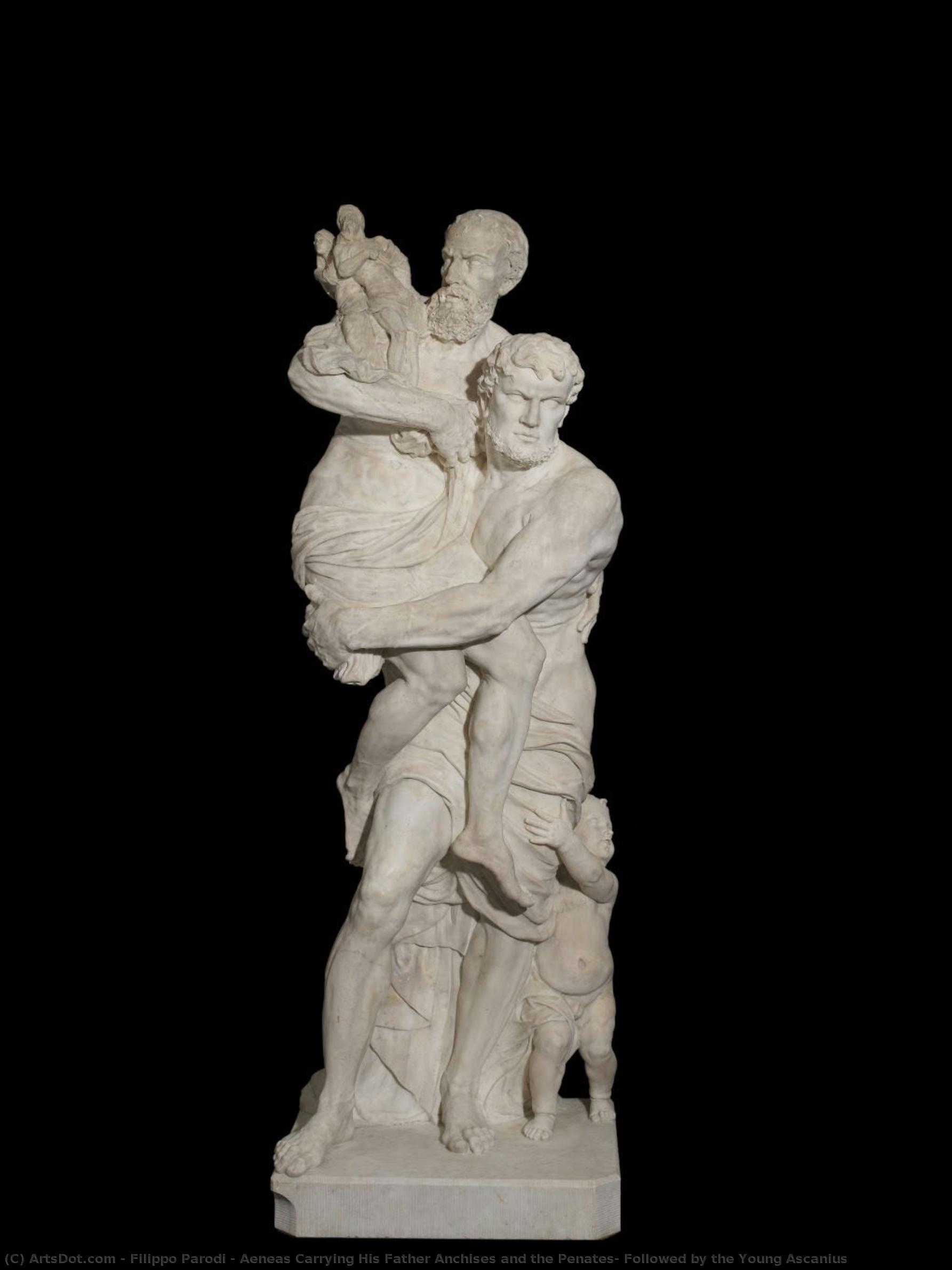
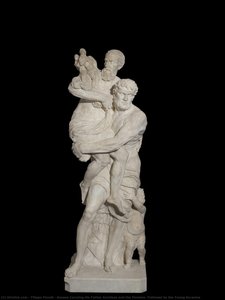
Aeneas Carrying His Father Anchises and the Penates, Followed by the Young Ascanius


 Pročitaj više
Ručno rađena uljana reprodukcija
Ručno oslikano uljanim bojama na platnu u dimenzijama i okviru po vašem izboru, izrađeno po porudžbini od strane naših umetnika. ( Kupi print Kupi digitalnu sliku)




































Izaberite jednu od naših unapred definisanih veličina koje odgovaraju originalnim proporcijama umetničkog dela.

Можете унети сопствене димензије како бисте прилагодили дело одређеном оквиру или простору. Ако одабрана величина не одговара пропорцијама оригинала, слика ће бити исечена или проширена додатним елементима који се ручно насликавају. Дигитални prikaz ће вам бити послат на одобрење пре почетка производње.
Имајте на уму да преглед на екрану не одражава стварно исецање или проширење. Само приказ (mockup) ће тачно приказати коначну композицију.
Иако су доступне прилагођене величине, препоручујемо да одаберете димензију из дефинисане листе како бисте сачували оригиналне пропорције.
Nakon narudžbine, tim ArtsDot.com će klijentu putem e-pošte poslati uputstva i dostaviti prikaz predloženog rešenja
Isporuka širom sveta () za 3/4 nedelje umesto uobičajenih 5 nedelja. (29 август). Bez kompromisa po pitanju kvaliteta.

Besplatna ekspresna dostava širom sveta

Visokokvalitetno laneno platno

Kompletno osiguranje transporta

Garancija povraćaja carine i uvoznih dažbina

Garancija vernosti boja

Politika povrata u roku od 60 dana (samo u slučaju nedostataka)

Garancija povrata novca od 100%

Popust pri grupnoj kupovini
 Opcija sa staklom dostupna je samo za dimenzije manje od 110 cm

Aeneas Carrying His Father Anchises and the Penates, Followed by the Young Ascanius
Tehnika reprodukcije
Dimenzije reprodukcije
-


Konačna cena
$ 313
Srodna umetnička dela



Biografija umetnika
The Sculptor of Genoa’s Golden Age
Filippo Parodi stands as a monumental figure in the history of Genoese Baroque sculpture, a master who earned the enduring title of Gemma’s first and greatest native sculptor. Born in 1630 into a lineage deeply rooted in artistic craftsmanship, Parodi was destined for the chisel. His father, Giovanni Battista, was a respected woodcarver, and it was within the intimate, sawdust-filled atmosphere of the family workshop that Filippo first learned to breathe life into raw material. This early immersion in the delicate intricacies of wood carving gifted him with an extraordinary sensitivity to form and texture—a foundational skill that would later allow him to transition seamlessly from the warmth of timber to the cold, commanding elegance of marble and the fluid grace of stucco.
The trajectory of Parodi’s career was irrevocably altered by his transformative journey to Rome. Between 1655 and 1661, he secured an apprenticeship within the studio of Gian Lorenzo Bernini, the undisputed titan of the Baroque era. To work under Bernini was to witness the very pinnacle of dramatic composition and technical virtuosity. Through this immersive experience, Parodi absorbed the secrets of movement, light, and theatricality that defined the Roman High Baroque. Yet, his artistic vision was not merely a mirror of his master; he also drew profound stylistic cues from the works of Algardi and Ercole Ferrata, synthesizing these diverse influences into a unique aesthetic language that blended Roman grandeur with a distinct Genoese sensibility.
A Legacy Carved in Marble and Spirit
Upon his return to Genoa in the mid-1670s, Parodi did not merely return as a student, but as a master capable of reshaping the city's visual landscape. His arrival coincided with a period of intense artistic ferment, and he quickly became a central figure in the local creative community. The sculptor’s ability to manipulate different media allowed him to dominate both large-scale architectural decorations and intimate, emotive busts. His work often captured the tension between the physical weight of stone and the ethereal lightness of divine grace, a hallmark of the Baroque spirit.
The significance of Parodi's contribution extends far beyond his individual masterpieces; he established a standard of excellence that influenced generations of Ligurian artists. His career was marked by several key achievements:
- Technical Versatility: The rare ability to master wood, marble, and stucco, allowing for a cohesive artistic vision across various architectural contexts.
- The Bernini Connection: Bringing the sophisticated, dramatic language of Roman Baroque sculpture to the heart of Genoa.
- Founding a Dynasty: Establishing an artistic legacy through his family, including his son Domenico Parodi, who would continue to shape the late Baroque period.
As we look upon the enduring works of Filippo Parodi, we see more than just stone and pigment; we see the triumph of a native talent who took the lessons of Rome and used them to crown his home city with splendor. His life, spanning from 1630 until his death in 1702, remains a testament to the power of tradition meeting innovation, leaving behind a sculptural heritage that continues to captivate the soul of Genoa.
filippo parodi
1630 - 1702
Osnovne informacije
- Artistic Movement Or Style: Baroque
- Artists Or Movements Influenced By This Artist: ['Bernini']
- Artists Who Influenced This Artist:
- Bernini
- Algardi
- Ercole Ferrata
- Date Of Birth: 1630
- Date Of Death: 1702
- Full Name: Filippo Parodi
- Nationality: Italian
- Notable Artworks:
- Ecstasy of Saint Martha
- Saint John
- Virgin and Child
- Aeneas Carrying His Father Anchises and the Penates
- Place Of Birth: Genoa, Italy

