

 Pregledaj u prostoru
 Pošalji
 Podeli
 Detalji o delu

 Преузми
 Slični predmeti
 Rendgenski snimak
 Slajdovi
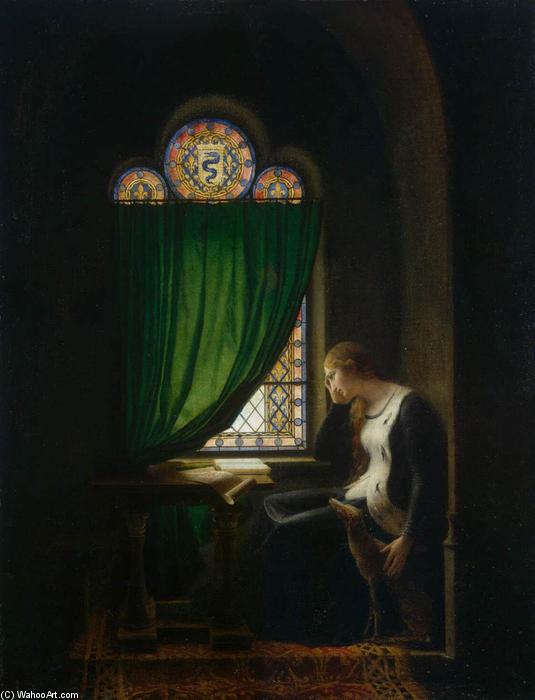
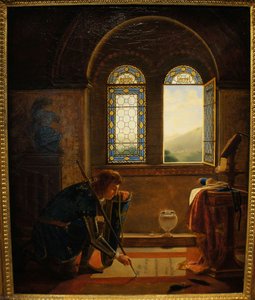
Valentine of Milan Mourning her Husband, the Duke of Orléans
 Oil On Canvas
- WallArt
- Romanticism
 1802
1802 55.0 x 43.0 cm
 Hermitage Museum
 Pročitaj više
Ručno rađena uljana reprodukcija
Ručno oslikano uljanim bojama na platnu u dimenzijama i okviru po vašem izboru, izrađeno po porudžbini od strane naših umetnika. ( Kupi print Kupi digitalnu sliku)




P118B $10

P118H $10

P118W $10

P438Z $10

P508JH $12

P508YH $12

P805H $10

P805Z $10

P919BZ $10

P919G $10

P919XJ $10

P959ZH $10

P968JZ $12

W106C $8

W218G $10

W218JH $8

W218Y $10

W307PJ $10

W316G $10

W316PJ $8

W316Y $10

W398PJ $8

W4111J $10

W500HY $15

W500JH $15

W692G $12

W849H $8

W940BG $15

W953PJ $8




Izaberite jednu od naših unapred definisanih veličina koje odgovaraju originalnim proporcijama umetničkog dela.

Можете унети сопствене димензије како бисте прилагодили дело одређеном оквиру или простору. Ако одабрана величина не одговара пропорцијама оригинала, слика ће бити исечена или проширена додатним елементима који се ручно насликавају. Дигитални prikaz ће вам бити послат на одобрење пре почетка производње.
Имајте на уму да преглед на екрану не одражава стварно исецање или проширење. Само приказ (mockup) ће тачно приказати коначну композицију.
Иако су доступне прилагођене величине, препоручујемо да одаберете димензију из дефинисане листе како бисте сачували оригиналне пропорције.
Nakon narudžbine, tim ArtsDot.com će klijentu putem e-pošte poslati uputstva i dostaviti prikaz predloženog rešenja
Isporuka širom sveta () za 3/4 nedelje umesto uobičajenih 5 nedelja. (31 август). Bez kompromisa po pitanju kvaliteta.

Besplatna ekspresna dostava širom sveta

Visokokvalitetno laneno platno

Kompletno osiguranje transporta

Garancija povraćaja carine i uvoznih dažbina

Garancija vernosti boja

Politika povrata u roku od 60 dana (samo u slučaju nedostataka)

Garancija povrata novca od 100%

Popust pri grupnoj kupovini
 Opcija sa staklom dostupna je samo za dimenzije manje od 110 cm

Valentine of Milan Mourning her Husband, the Duke of Orléans
Tehnika reprodukcije
Dimenzije reprodukcije
-


Konačna cena
$ 263
Valentine of Milan Mourning Her Husband, the Duke of Orléans
Fleury François Richard’s “Valentine of Milan” (1802) is a haunting Romantic oil painting depicting sorrow & contemplation. Explore this Lyon School masterpiece's dark palette, historical subject & evocative style. The artwork portrays Valentina Visconti, Duchess of Orléans, consumed by grief as she mourns the untimely demise of her husband, Duke of Orléans—a figure steeped in French history and emblematic of dynastic ambition. Painted during the Romantic era’s burgeoning fascination with emotion and dramatic narrative, Richard's canvas transcends mere representation; it strives to capture a profound psychological state, mirroring the anxieties and sensitivities characteristic of the period.Historical Context & Troubadour Style
Lyon itself was experiencing a renaissance in artistic fervor at this time, fueled by Enlightenment ideals yet firmly rooted in the traditions of its venerable past. Richard’s work exemplifies the “Troubadour” style—a distinctive movement that championed historical subjects rendered with poetic license and imbued with psychological depth. Unlike Neoclassical formalism, Troubadour painting prioritized atmosphere and emotional resonance over strict adherence to classical conventions. Influenced by poets like Wordsworth and Coleridge, artists sought to evoke feelings of sublime beauty and melancholy, mirroring the Romantic preoccupation with nature’s grandeur and human vulnerability. The Duke's assassination served as a catalyst for political intrigue and familial strife—themes powerfully conveyed through Richard’s masterful composition.Composition & Technique: A Symphony of Shadows
Richard skillfully employs vertical orientation to emphasize the height of the window and the Duchess’s posture, creating an image that feels both expansive and intensely personal. The painting utilizes a dramatic chiaroscuro technique – a hallmark of Romantic art—where stark contrasts between light and shadow dominate the scene. Light illuminates Valentina's face and the book she holds, highlighting her sorrowful gaze while plunging the room into deep darkness, symbolizing the overwhelming grief consuming her spirit. Loose brushstrokes contribute to a palpable sense of fabric texture, particularly on the drapery and rug beneath the table—details that heighten realism and invite viewers into the intimate space depicted. Geometric shapes – rectangular for the window and books – provide structural stability while softer curves define Valentina’s form and the folds of her dress, adding nuance to the overall aesthetic.Symbolism & Emotional Impact
The window serves as a potent symbol of connection to the outside world—a reminder of life continuing beyond the confines of grief—yet simultaneously represents isolation and introspection. The book symbolizes knowledge and perhaps an attempt to find solace in contemplation amidst despair. Richard’s deliberate use of color reinforces these thematic concerns; the predominant palette of blacks, browns, and muted greens evokes feelings of solemnity and melancholy, mirroring Valentina's emotional turmoil. Viewing “Valentine of Milan” is not merely observing a historical scene but experiencing a visceral portrayal of human sorrow—a testament to Richard’s artistic prowess and his ability to translate emotion into visual form.Provenance & Legacy
Currently residing in the Hermitage Museum in Saint Petersburg, this painting stands as an enduring emblem of Lyon's artistic heritage and Romantic idealism. Its influence can be seen in subsequent generations of artists who embraced expressive brushwork and psychological realism—solidifying Richard’s place as a cornerstone of French art history.Srodna umetnička dela

Biografija umetnika
Fleury François Richard: A Lyon Troubadour Capturing the Echoes of History
Fleury François Richard (1777-1852), a name perhaps less familiar than his contemporaries David or Ingres, stands as a pivotal figure in the vibrant and distinctly regional art scene of Lyon during the early 19th century. Born in Lyon, a city steeped in history and profoundly impacted by the French Revolution, Richard’s artistic journey reflects both the influence of Parisian academic training and a deeply rooted connection to his native landscape and its rich past. He was part of the Lyon School, a group of artists who developed a unique style—the “Troubadour” style—characterized by an intimate engagement with historical subjects, often drawn from medieval and Renaissance literature and legend, imbued with a poetic sensibility and a fascination for the romantic ideal.
Richard’s early artistic development was firmly rooted in the studio of Jacques-Louis David, the dominant figure of Neoclassicism. This training provided him with a solid foundation in technique and composition—a mastery of line, form, and light that would later inform his work. However, Richard quickly distinguished himself from his mentor, demonstrating an inclination towards subjects beyond the rigid confines of classical antiquity. He found inspiration not just in Roman history but also in the tales of chivalry, courtly love, and the dramatic narratives of medieval France—themes that resonated deeply with the spirit of the Troubadour style.
The Birth of a Troubadour Style
The Troubadour style emerged as a reaction against the prevailing Neoclassical aesthetic, seeking to capture a more emotional and subjective response to history. Artists like Richard and Pierre Révoil rejected the polished formality of David’s work in favor of a looser, more painterly approach. They were particularly drawn to the idea of “history painting” – depicting scenes from the past—but with a focus on capturing not just factual accuracy but also the emotional atmosphere and psychological nuances of the subjects. This involved a shift towards smaller canvases, intimate compositions, and a deliberate use of light and shadow to create mood and drama.
Richard’s early works, such as “Valentine of Milan Mourning her Husband, the Duke of Orléans” (1802), exemplify this new approach. The painting is not merely a historical record but a deeply felt meditation on grief and loss. The use of muted colors, dramatic lighting, and carefully rendered details—particularly in Valentine’s sorrowful expression—evokes a powerful sense of pathos. The scene itself, inspired by the tragic romance between Valentina Visconti and Ludovico Sforza, was chosen for its inherent drama and emotional resonance.
Key Works and Recurring Themes
Beyond “Valentine of Milan,” Richard’s oeuvre is marked by a series of compelling historical scenes. "Montaigne Visiting Torquato Tasso in Prison" (1821), perhaps his most famous work, offers a poignant glimpse into the intellectual and emotional lives of two great figures—the humanist Montaigne and the tormented poet Tasso. The painting’s setting – an imagined chapel within a prison – is deliberately ambiguous, creating a sense of mystery and psychological depth. The contrast between Montaigne's calm contemplation and Tasso’s agitated state powerfully conveys the themes of friendship, suffering, and the power of ideas.
Other notable works include “Vert-Vert” (1804), named after the parrot hero of Jean-Baptiste Gresset’s poem, which showcases Richard's ability to capture a sense of atmosphere and narrative through carefully chosen details. His depictions of historical figures like Agnès Sorel, the mistress of King Charles IX, reveal an interest in exploring themes of power, beauty, and intrigue.
Influence and Legacy
Fleury François Richard’s contribution to French art is often understated, overshadowed by the more celebrated figures of his time. However, he played a crucial role in shaping the development of the Troubadour style—a distinctive approach to historical painting that emphasized emotional resonance and poetic interpretation. His work influenced later artists, including Jacquand, who painted “Thomas Morus,” demonstrating the lasting impact of Richard’s innovative techniques and artistic vision.
Richard's connection to Lyon extended beyond his artistic practice; he was a member of the Scottish Rite Masonic Lodge of Isis in 1809. His life and work reflect the intellectual and cultural ferment of his time, making him a fascinating subject for art historians and a testament to the enduring power of historical painting.
A Painter’s Reflections
Fleury Richard's writings, particularly “Quelques réflexions sur l’enseignement de la peinture dans les villes de second ordre,” offer valuable insights into his artistic philosophy. He believed that painting was not merely a representation of reality but a form of symbolic expression—a means of conveying ideas and emotions through carefully chosen forms and colors. His emphasis on the importance of studying nature, archaeological remains, and literary sources reveals a deep commitment to understanding the historical context of his subjects and translating it into compelling visual narratives.
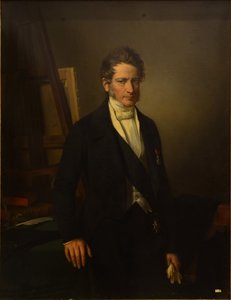
fleury françois richard
1777 - 1852 , France
Osnovne informacije
- Artistic Movement Or Style: Troubadour style, Romanticism
- Artists Or Movements Influenced By This Artist: ['David']
- Artists Who Influenced This Artist: ['Jacques-Louis David']
- Date Of Birth: Feb 25, 1777
- Date Of Death: Mar 14, 1852
- Full Name: Fleury François Richard
- Nationality: French
- Notable Artworks:
- Montaigne Visiting Tasso
- Valentine de Milan
- Vert-Vert
- Place Of Birth: Lyon, France
Povezani članci

The Enduring Legacy of Oil on Canvas: Technique, History & Aesthetic Impact
Explore the rich history & techniques of oil painting – from Renaissance masters to Impressionism. Discover pigments, layering methods, and why this timeless medium endures. Expert insights for artists & art enthusiasts.

Oil on Canvas: A Historical & Technical Exploration of a Timeless Artistic Medium
Explore the rich history & enduring techniques of oil painting on canvas. Discover the science behind its longevity, conservation practices, and contemporary relevance. Expert insights for art enthusiasts.

The Enduring Power of Painting: A Historical & Contemporary Exploration of Form and Emotion
Explore the rich history & enduring techniques of oil painting with ArtsDot. Discover masterpieces, learn about art collecting, and find authentic handmade reproductions crafted by skilled artists.

Romantic Realism's Finest: 10 Masterpieces for Your Home | ArtsDot
Explore 10 defining masterpieces of Romantic Realism! Discover Courbet, Millet & Daumier's powerful paintings—capturing emotion and social realities. Find museum-quality reproductions for your home at ArtsDot.com.

Trajnu Ostavština Uljanih Boja na Platnu: Tehnika, Istorija i Savremena Praksa
Istražite bogatu istoriju i savremene tehnike uljanog slikarstva. Saveti stručnjaka, analiza radova velikih majstora i vodiči za biranje kvalitetnih materijala. Otkrijte tajne očuvanja umetničkih dela!

