

 Pregledaj u prostoru
 Pošalji
 Podeli
 Detalji o delu

 Преузми
 Slični predmeti
 Rendgenski snimak
 Slajdovi
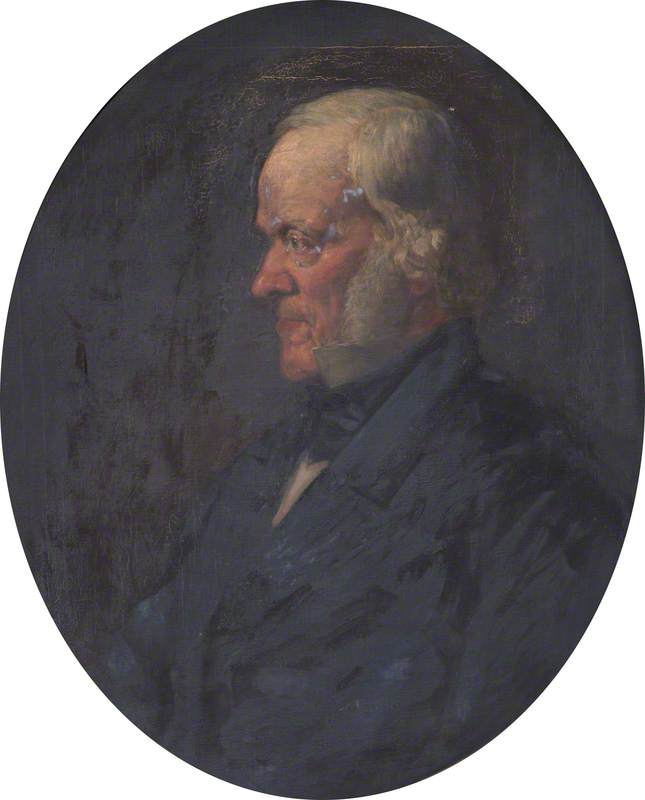
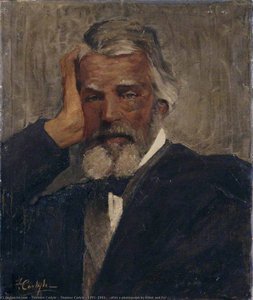
John Aitken Carlyle (1801–1879) (after a photograph by Elliot and Fry)
 Acrylic On Canvas
- WallArt
- Impressionist Realism
 99.0 x 87.0 cm
 National Trust
 Pročitaj više
Ručno rađena uljana reprodukcija
Ručno oslikano uljanim bojama na platnu u dimenzijama i okviru po vašem izboru, izrađeno po porudžbini od strane naših umetnika. ( Kupi print Kupi digitalnu sliku)




P118B $10

P118H $10

P118W $10

P438Z $10

P508JH $12

P508YH $12

P805H $10

P805Z $10

P919BZ $10

P919G $10

P919XJ $10

P959ZH $10

P968JZ $12

W106C $8

W218G $10

W218JH $8

W218Y $10

W307PJ $10

W316G $10

W316PJ $8

W316Y $10

W398PJ $8

W4111J $10

W500HY $15

W500JH $15

W692G $12

W849H $8

W940BG $15

W953PJ $8




Izaberite jednu od naših unapred definisanih veličina koje odgovaraju originalnim proporcijama umetničkog dela.

Можете унети сопствене димензије како бисте прилагодили дело одређеном оквиру или простору. Ако одабрана величина не одговара пропорцијама оригинала, слика ће бити исечена или проширена додатним елементима који се ручно насликавају. Дигитални prikaz ће вам бити послат на одобрење пре почетка производње.
Имајте на уму да преглед на екрану не одражава стварно исецање или проширење. Само приказ (mockup) ће тачно приказати коначну композицију.
Иако су доступне прилагођене величине, препоручујемо да одаберете димензију из дефинисане листе како бисте сачували оригиналне пропорције.
Nakon narudžbine, tim ArtsDot.com će klijentu putem e-pošte poslati uputstva i dostaviti prikaz predloženog rešenja
Isporuka širom sveta () za 3/4 nedelje umesto uobičajenih 5 nedelja. (27 август). Bez kompromisa po pitanju kvaliteta.

Besplatna ekspresna dostava širom sveta

Visokokvalitetno laneno platno

Kompletno osiguranje transporta

Garancija povraćaja carine i uvoznih dažbina

Garancija vernosti boja

Politika povrata u roku od 60 dana (samo u slučaju nedostataka)

Garancija povrata novca od 100%

Popust pri grupnoj kupovini
 Opcija sa staklom dostupna je samo za dimenzije manje od 110 cm

John Aitken Carlyle (1801–1879) (after a photograph by Elliot and Fry)
Tehnika reprodukcije
Dimenzije reprodukcije
-


Konačna cena
$ 263
John Aitken Carlyle (1801–1879) (after a photograph by Elliot and Fry)
Florence Carlyle’s “John Aitken Carlyle” stands as a testament to the burgeoning Impressionist movement in Canada, capturing not merely a likeness but an essence of Victorian intellect and artistic vision. Executed around 1900, this portrait—a masterful reproduction after Elliot and Fry's photograph—offers a glimpse into a pivotal figure of Scottish Romanticism and Canadian cultural heritage.- Subject Matter: The painting portrays John Aitken Carlyle (1801–1879), a celebrated Scottish poet, philosopher, and novelist renowned for his exploration of moral philosophy and visionary imagination. Carlyle’s influence extended far beyond literary circles, shaping the intellectual landscape of Britain during his lifetime.
- Style & Technique: Carlyle's approach aligns seamlessly with Impressionistic principles—characterized by loose brushstrokes, vibrant color palettes, and a focus on capturing fleeting moments of light and atmosphere. The artist skillfully employs tonal modulation to convey depth and texture, prioritizing visual sensation over precise representation.
- Historical Context: Produced during the early 20th century, “John Aitken Carlyle” reflects the broader artistic trends of its time—a reaction against academic realism and a fervent embrace of subjective experience. It embodies the spirit of Canadian Impressionism’s pioneering efforts to establish itself as an internationally recognized aesthetic tradition.
- Color Palette: The painting utilizes a subdued yet luminous color scheme dominated by earthy tones – browns, ochres, and greys—contrasted with splashes of crimson and gold that highlight Carlyle's gaze and subtly illuminate his face. These colors evoke warmth and contemplation, mirroring the subject’s profound philosophical pursuits.
- Symbolism & Emotional Impact: The artist’s deliberate positioning of Carlyle’s eyes off to the side suggests introspection and a preoccupation with inner thought—a characteristic motif within Romantic art. Furthermore, the portrait's overall mood conveys dignity and seriousness, inviting viewers to contemplate Carlyle’s legacy as a champion of moral virtue and imaginative creativity.
Srodna umetnička dela
Biografija umetnika
A Legacy of Light: The Life and Art of Florence Carlyle
Florence Emily Carlyle stands as a luminous figure in the annals of Canadian art history, a pioneer who navigated the complexities of her era to emerge as a master of Impressionist sensibilities. Born in 1864 in Galt, Ontario, her early years were steeped in an environment of intellectual depth; she was the great-niece of the renowned Scottish philosopher Thomas Carlyle, a connection that perhaps whispered to her the profound importance of capturing the essence of the human condition. Known affectionately by her loved ones as "Bird," Florence possessed a spirit that refused to be tethered by the provincial boundaries of her youth. Her journey from the quiet landscapes of Ontario to the vibrant, avant-garde studios of Paris represents more than just a geographical shift; it was a courageous pursuit of an artistic identity that would eventually bridge the gap between Canadian tradition and European modernism.
The foundations of her talent were laid in Woodstock, Ontario, under the dedicated mentorship of William Lees Judson. It was here, amidst the nurturing atmosphere provided by her mother, Emily, that Florence began to refine her command over line and color. Her early recognition was nothing short of meteoric; by 1883, her works were being exhibited at the Toronto Industrial Exhibition, where a painting of white lilies on china caught the eye of Princess Louise and the Marquis of Lorne. Such prestigious patronage served as an early validation of her skill, yet Florence harbored ambitions that reached far beyond the borders of Canada. Driven by an insatiable thirst for formal excellence, she ventured to Paris in 1890, a move that would fundamentally transform her aesthetic language.
The Parisian Transformation and Impressionist Mastery
Paris in the late nineteenth century was a crucible of artistic revolution, and Florence Carlyle immersed herself in its electric atmosphere with remarkable independence. While many female artists of her time were relegated to segregated classes or restricted by the conventions of the academy, Carlyle forged her own path, navigating the challenges of the Académie Julian and absorbing the radical innovations of the Impressionist masters. The influence of Claude Monet and his contemporaries is woven into the very fabric of her technique. She learned to move beyond mere representation, seeking instead to capture the ephemeral—the way light dances across a surface, the subtle shift of shadows at dusk, and the tactile quality of fabric.
Her work became a sophisticated dialogue between structure and sensation. In her celebrated portraits and figure studies, one observes an extraordinary ability to manipulate light and texture. She did not merely paint a subject; she painted the atmosphere surrounding it. This is perhaps most evident in her handling of drapery and skin tones, where a masterful use of tonal gradations creates a sense of breathing life within the canvas. Her palette, while often grounded in earthy, classical tones, was frequently punctuated by luminous highlights that evoked the fleeting brilliance of a sunlit moment. Through this approach, she helped introduce a more subjective, sensory experience to the Canadian art scene, moving away from rigid academic realism toward a more emotive and atmospheric modernism.
Historical Significance and Artistic Endurance
The significance of Florence Carlyle lies not only in her technical prowess but in her role as a trailblazer for women in the fine arts. By establishing herself in the competitive Parisian art world and earning recognition within the Royal Canadian Academy, she challenged the societal expectations that sought to limit female creativity to the domestic sphere. Her ability to blend the intellectual weight of her heritage with the fluid, light-filled techniques of Impressionism allowed her to create a body of work that feels both timeless and revolutionary.
Today, her legacy is preserved in some of Canada's most esteemed institutions, including the National Gallery of Canada. When we look upon her canvases, we see more than just beautiful images; we witness the triumph of a dedicated spirit. Her contributions can be summarized through several key pillars of her career:
- Pioneering Impressionism: She was instrumental in bringing the light-centric, atmospheric techniques of French Impressionism to the Canadian landscape.
- Technical Mastery: Her unparalleled skill in depicting the interplay of light on various textures, particularly fabric and skin, remains a hallmark of her oeuvre.
- Breaking Barriers: As a woman artist operating in an era of significant gender constraints, she paved the way for future generations of Canadian modernists.
- Cultural Synthesis: Her work represents a unique fusion of North American subject matter with European stylistic innovation.
Florence Carlyle’s life was a testament to the power of vision and the courage to pursue it across continents. Though her life was cut short in 1923, the brilliance of her "light" continues to illuminate the history of Canadian art, reminding us that true artistry is found in the delicate balance between what is seen and what is felt.
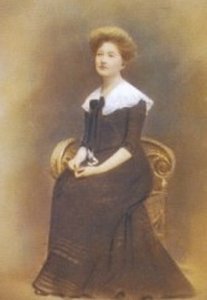
Florence Carlyle
1864 - 1923 , Canada
Osnovne informacije
- Artistic Movement Or Style: Modernist Painter
- Artists Or Movements Influenced By This Artist: ['Impressionism']
- Artists Who Influenced This Artist: ['William Lees Judson']
- Date Of Birth: September 24, 1864
- Date Of Death: May 2, 1923
- Full Name: Florence Emily Carlyle
- Nationality: Canadian
- Notable Artworks:
- The Kitchen of the Arched House at Ecclefechan
- John Aitken Carlyle
- Thomas Carlyle
- Place Of Birth: Galt, Ontario
Povezani članci

25 Remek-dela Džona Singera Sargenta: Portreti Elegancije i Svetlosti | ArtsDot
Uronite u svet Džona Singera Sargenta! Otkrijte 25 remek-dela impresionizma i realizma, od portreta Madame X do fascinantnih akvarela. Inspiracija za dekoraciju enterijera & luksuzne reprodukcije slika na ArtsDot.com.

25 Remek-dela Džona Konstebla: Lepota Engleske na Platnu | ArtsDot
Uronite u svet Džona Konstebla! Otkrijte 25 remek-dela engleskog pejzaža, romantizma i seoske idile. Kupite reprodukcije slika vrhunskog kvaliteta za dekoraciju enterijera na ArtsDot.com.

George Agnew Reid: A Canadian Impressionist's Pursuit of Light, Colour, and National Identity
Explore the life & work of George Agnew Reid, a pivotal figure in Canadian Impressionism. Discover his genre paintings, mural commissions, and lasting influence on art education & national identity. A comprehensive guide for collectors & enthusiasts.

Impressionism's Masterpieces: 10 Paintings That Defined a Movement | ArtsDot
Journey through Impressionism's heart with 10 iconic paintings by Monet, Renoir & Degas. Explore light, color & the stories behind these masterpieces. Find museum-quality art reproductions and elevate your home decor on ArtsDot.com.
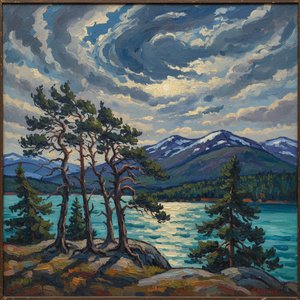
Arthur Lismer: A Pioneer of Canadian Modernism & the Group of Seven's Visionary Spirit
Explore the life & art of Arthur Lismer, a pivotal figure in Canadian Modernism and founding member of the Group of Seven. Discover his landscapes, teaching legacy & lasting influence on Canadian art history.

