

 Pregledaj u prostoru
 Pošalji
 Podeli
 Detalji o delu

 Преузми
 Slični predmeti
 Rendgenski snimak
 Slajdovi
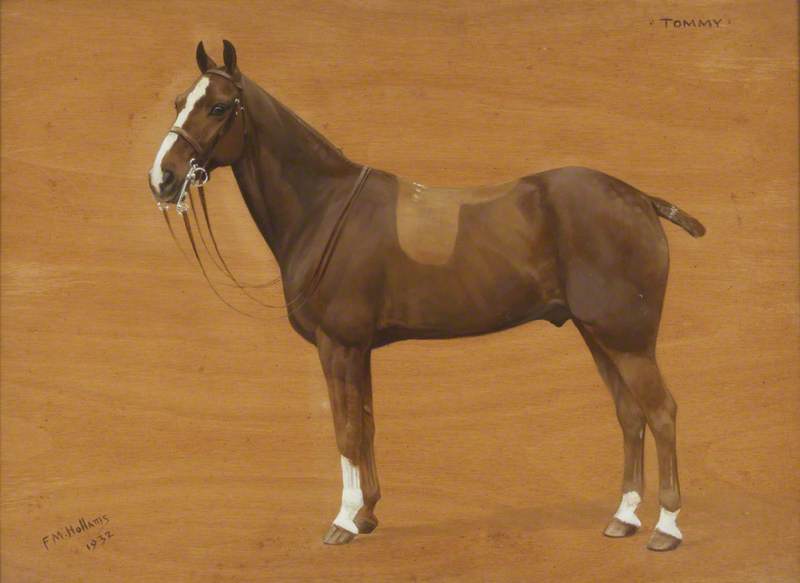
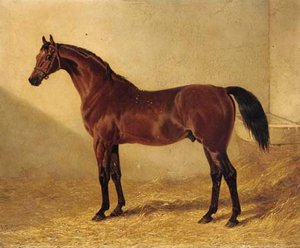
'Tommy', a Bay Pony
 Contemporary Realism
 1932
1932 33.0 x 45.0 cm
 National Trust
 Pročitaj više
Giclee štampa / Umetnički otisak
Giclée štampa ili print na platnu muzejskog kvaliteta uz brzu proizvodnju i fleksibilne opcije završne obrade. ( Kupi ručno naslikanu sliku Kupi digitalnu sliku)




































Izaberite jednu od naših unapred definisanih veličina koje odgovaraju originalnim proporcijama umetničkog dela.

Možete uneti sopstvene dimenzije kako biste umetničko delo prilagodili specifičnom okviru ili prostoru. Ako odabrani format ne odgovara proporcijama originalne slike, mi ćemo ili iscrtati deo dela ili proširiti sliku pomoću ogledane ivice ili jednobojnog popunjavanja. Digitalni prikaz će vam biti poslat na odobrenje pre početka proizvodnje.
Imajte na umu da pregled na ekranu ne odražava stvarno iscrtavanje ili proširivanje. Samo će prikaz (mockup) precizno pokazati finalnu kompoziciju.
Iako su prilagođene dimenzije dostupne, preporučujemo da odaberete dimenziju sa unapred definisane liste kako biste očuvali originalne proporcije.
Dostava širom sveta () za 2 nedelje umesto uobičajenih 4/5 nedelja. (23 август)

Besplatna ekspresna dostava širom sveta

Visokokvalitetno laneno platno

Kompletno osiguranje transporta

Garancija povraćaja carine i uvoznih dažbina

Garancija vernosti boja

Politika povrata u roku od 60 dana (samo u slučaju nedostataka)

Garancija povrata novca od 100%

Popust pri grupnoj kupovini
 Opcija sa staklom dostupna je samo za dimenzije manje od 110 cm

'Tommy', a Bay Pony
Giclee štampa / Umetnički otisak
Dimenzije reprodukcije
-


Konačna cena
$ 62
Opis predmeta
Artistic Style and Technique
Florence Mabel Hollams's artistic style is characterized by her ability to capture the essence of her subjects, in this case, the majestic 'Tommy', a Bay Pony. The use of oil on panel allows for a level of depth and texture that brings the subject to life. The artist's technique is reminiscent of other notable equine artists, such as Edmond Brock, who also created stunning pieces like Study of a Black Labrador.Historical Significance and Provenance
The painting 'Tommy', a Bay Pony is not only a beautiful work of art but also holds historical significance. As part of the collection at the National Trust, it provides insight into the artistic tastes and preferences of the time. The National Trust is home to numerous other notable artworks, including pieces by Jack Crabtree and Mark Wiggin. For more information on the National Trust and its collection, visit Discovering the Artworks of Mount Stewart, Newtownards, United Kingdom.- Artist: Florence Mabel Hollams
- Painting Title: 'Tommy', a Bay Pony
- Museum: National Trust
The captivating portrait of 'Tommy', a Bay Pony by Florence Mabel Hollams is a must-see for anyone interested in equine art and history. With its stunning detail and historical significance, this painting is sure to leave a lasting impression on all who view it.
Srodna umetnička dela

Biografija umetnika
A Brushstroke of Aristocracy: The World of Florence Mabel Hollams
Florence Mabel Hollams, a name quietly resonant within the circles of British equestrian art and animal portraiture, represents a fascinating intersection of Victorian tradition and early 20th-century sensibilities. While biographical details surrounding her life remain somewhat elusive – a characteristic often found with artists whose work was more readily appreciated than their personal narratives – her paintings speak volumes about a world steeped in aristocratic leisure, the profound bond between humans and animals, and a dedication to capturing fleeting moments of grace on wood panel. Hollams’s art isn't merely representation; it is an evocation of a lifestyle, a testament to the enduring appeal of the horse as both a symbol of status and a companion. Her work, primarily focused on horses and dogs often in the company of their owners, offers a unique window into the British upper classes and their pastoral pursuits.Early Life and Artistic Development
The precise details of Hollams’s early training are currently unknown, but her style suggests a strong grounding in academic realism, likely acquired through private lessons or study at one of the smaller art schools prevalent during the late 19th century. The influence of artists like Sir Edwin Landseer – renowned for his majestic animal paintings and portraits of royal pets – is palpable in Hollams’s early works. However, she quickly developed a distinctive voice, moving away from Landseer's dramatic compositions towards a more intimate and nuanced portrayal of her subjects. Her choice of wood panel as a primary support is particularly noteworthy. While canvas was the dominant medium for oil painting at the time, wood panels offered a unique texture and luminosity that Hollams skillfully exploited, lending a warmth and depth to her paintings not often found in works on canvas. This preference suggests an intentional artistic decision, perhaps driven by a desire to create a more tactile and personal connection with her audience.Themes and Techniques: Capturing the Equestrian Spirit
Hollams’s oeuvre is overwhelmingly dedicated to horses – magnificent hunters poised for a gallop, elegant carriage horses amidst idyllic landscapes, and beloved family pets enjoying quiet moments of companionship. Her paintings are not simply portraits; they are narratives. She masterfully captures the energy and musculature of the horse, but also conveys its personality and temperament. The inclusion of human figures, often members of the British aristocracy, is equally significant. These aren’t grand, formal portraits emphasizing wealth or power, but rather scenes of relaxed intimacy – a rider gently adjusting his mount's bridle, a family enjoying a leisurely ride through the countryside. Her technique is characterized by meticulous attention to detail, particularly in the rendering of coats and tack. She employs a rich, warm palette, favoring earth tones and subtle gradations of color to create a sense of realism and atmosphere. The use of light is also crucial, often highlighting specific features – the gleam in a horse’s eye, the texture of its mane, or the folds of a rider's jacket – drawing the viewer’s attention to key elements within the composition.Historical Significance and Legacy
Florence Mabel Hollams occupies a unique position in art history. She wasn’t a revolutionary artist challenging established conventions; rather, she was a skilled practitioner who excelled within a specific niche – the portrayal of British equestrian life. Her paintings offer valuable insights into the social customs and aesthetic preferences of the late Victorian and Edwardian eras. They document a world that was rapidly changing, a world where aristocratic leisure was giving way to modern industrial society. Her work serves as a visual record of a bygone era, preserving the elegance and grace of a lifestyle that has largely disappeared. While she may not be a household name, Hollams’s paintings are increasingly sought after by collectors and art enthusiasts who appreciate her technical skill, her sensitivity to her subjects, and her ability to capture the enduring beauty of the horse. Her legacy lies in her quiet dedication to portraying a world with authenticity and affection, leaving behind a collection of works that continue to resonate with viewers today.Notable Characteristics
- Medium Preference: Primarily oil on wood panel.
- Subject Matter: Horses and dogs, often in the company of their owners; equestrian scenes.
- Style: Academic realism with a focus on detail and atmosphere.
- Palette: Rich, warm earth tones.
- Historical Context: Late Victorian and Edwardian British equestrian life; aristocratic leisure.
Osnovne informacije
- Artistic Movement Or Style: Academic Impressionism
- Artists Or Movements Influenced By This Artist: ['Impressionism']
- Artists Who Influenced This Artist: ['William Holman Hunt']
- Full Name: Florence Mabel Hollams
- Nationality: British
- Notable Artworks:
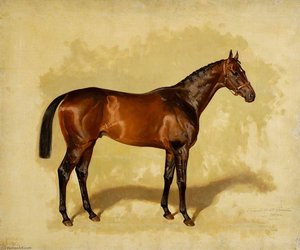
- Tommy, a Bay Pony
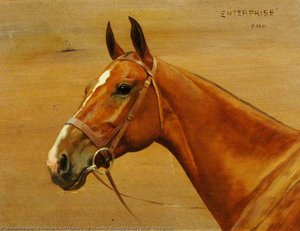
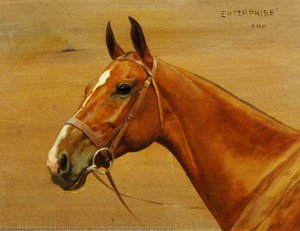
- A Chestnut Thoroughbred Called 'Enterprise'
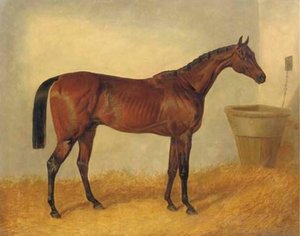
- 'Columcille', a Horse in a Stable
- Place Of Birth: Newtownards, Northern Ireland
Povezani članci

25 Remek-dela Galerije Uffizi: Putovanje kroz renesansnu lepotu | ArtsDot.com
Istražite 25 remek-dela Galerije Uffizi u Firenci! Otkrijte priče iza slika Leonarda da Vinčija, Mikelanđela i Botticellija. Pronađite inspiraciju za dekoraciju enterijera i kupite reprodukcije vrhunske kvalitete na ArtsDot.com.

Sir Alfred Munnings' Masterpieces: 25 Paintings That Define Equine Art | ArtsDot
Explore 25 iconic Sir Alfred Munnings paintings! Discover the beauty of British Impressionism, equine art & rural England. Find museum-quality reproductions and elevate your home decor with ArtsDot. Explore the full collection online.

The Dawn of a New Vision: Exploring the Artistic Innovations of the Early Renaissance
Explore the groundbreaking innovations of the Early Renaissance! Discover the art, history, and humanist ideals that shaped a new era in painting, sculpture & architecture. Learn about Masaccio, Florence, and more.
Fra Anđeo: 25 Remek-dela Renesansnog Duha za Vaš Dom | ArtsDot
Uronite u svet Fra Anđela – 25 remek-dela renesansnog slikara. Otkrijte priče iza njegovih čuvenih fresaka i oltarskih slika, inspiracija za enterijer i duhovni mir. Kupite reprodukcije vrhunskog kvaliteta na ArtsDot.com!
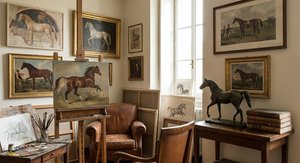
The Equine Muse: A Historical & Artistic Exploration of Horses in Painting
Explore the captivating history of horses in painting! Discover Renaissance masterpieces, Baroque grandeur & expert insights for collecting equestrian art. Learn about symbolism, techniques & lasting value with ArtsDot.

