

 Pregledaj u prostoru
 Pošalji
 Podeli
 Detalji o delu

 Преузми
 Slični predmeti
 Rendgenski snimak
 Slajdovi
 Stats
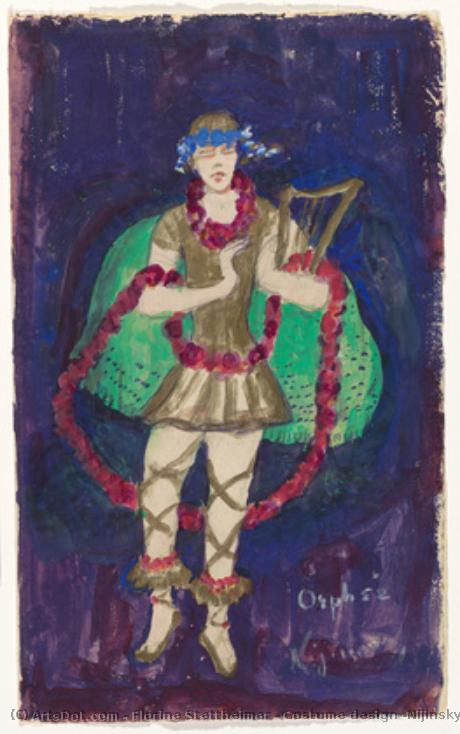
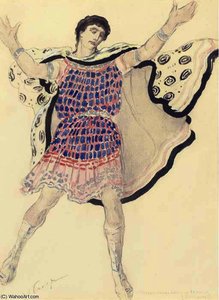
StatsCostume design (Nijinsky) for artist's ballet "Orphée of the Quat-z-arts"


 Pročitaj više
Kupite digitalnu sliku visoke rezolucije i poboljšanog kvaliteta, koja je znatno superiornija od onoga što vidite u online prikazu.
Svaka datoteka je pedantno pripremljena od strane naših stručnjaka koristeći napredne alate i profesionalnu ručnu retušu. Osiguravamo da svaka slika ima izuzetnu oštrinu, preciznu reprodukciju boja i fine detalje.
Konačna datoteka se dostavlja putem e-pošte u roku od 72 sata, optimizovana za neposrednu upotrebu u profesionalnim, izdavačkim i štamparskim okruženjima. To je isti kvalitet kojem veruju vrhunski studiji dizajna, izdavači i galerije.
Digitalna slika
Preuzmite datoteku visoke rezolucije za ličnu upotrebu, štampanje i kreativne projekte. ( Switch to Print Kupi ručno naslikanu sliku)
Uključeno uz svaku porudžbinu digitalne slike
Profesionalna digitalna isporuka, zagarantovana
Kada odaberete ArtsDot.com, ne dobijate samo sliku – vi primate profesionalno unapređeno digitalno umetničko delo, izrađeno sa najvećom preciznošću i uz garanciju zadovoljstva. Evo svega što automatski dolazi uz vašu porudžbinu:

Brza dostava putem e-pošte
Vaša digitalna slika visoke rezolucije biće vam poslata putem e-pošte u roku od 72 sata od poručivanja – spremna za trenutnu upotrebu.

Digitalna datoteka unapređena veštačkom inteligencijom
Vaše umetničko delo je profesionalno optimizovano korišćenjem naprednih AI alata i ručne obrade, čime se osiguravaju maksimalni detalji, oštrina i preciznost boja.

Besplatna ponovna isporuka doživotno
Slučajno ste obrisali ili izgubili svoju datoteku? Ne brinite – poslaćemo vam je ponovo u bilo kom trenutku, potpuno besplatno.

Bez troškova uvoza – zauvek
Uživajte u svojim umetničkim delima trenutno, bez carine, dažbina ili troškova dostave – digitalni download je uvek bez poreza.

Garancija vernosti boja
Uz pomoć profesionalnih alata i upravljanja bojama, osiguravamo da vaša digitalna slika što vernije odražava originalne boje.

Garancija zadovoljstva od 100 dana
Ako niste zadovoljni svojom digitalnom slikom, izvršićemo reviziju ili ćemo vam vratiti 100% novca u roku od 100 dana – bez ikakvih pitanja.

100% garancija povrata novca
Niste zadovoljni? Dobijte puni povraćaj novca u roku od 100 dana od prijema digitalne datoteke – bez suvišnih pitanja.

Popusti na velike porudžbine
Kupite 3 slike, uštedite 10% - Kupite 5 slika, uštedite 15% - Kupite 10+ slika, uštedite 20%. Odlično za kreativne projekte, galerije i agencije.
A Vision of Mythic Elegance
In the vibrant tapestry of early 20th-century American modernism, few works capture the intersection of theatricality and myth as vividly as Florine Stettheimer's "Costume design (Nijinsky) for artist's ballet 'Orphée of the Quat-z-arts'." Created in 1912, this exquisite gouache on paper is far more than a mere costume sketch; it is a window into the avant-garde spirit that pulsed through New York City during the burgeoning Jazz Age. The composition centers on a figure of profound poise, standing with a singular, deliberate grace upon one leg. This posture, reminiscent of a dancer caught in a moment of suspended animation, immediately draws the eye to the opulent attire inspired by Greek mythology. As the legendary Orpheus, the subject carries a harp, a symbol of divine musical inspiration, while draped in a flowing tunic that serves as a canvas for Stettheility's expressive mastery.
The artwork is a symphony of textures and symbolic motifs. Stettheimer weaves together crossed ribbons that suggest a sense of unity and cosmic balance, interspersed with delicate garlands of flowers—a signature element in her oeuvre that speaks to themes of beauty, fertility, and the ephemeral nature of life. Through these classical references, she bridges the gap between ancient legend and the modern theatrical stage, creating an atmosphere that is simultaneously reverent toward tradition and boldly experimental.
Technique and the Luminous Palette
To behold this piece is to experience the tactile richness of Stettheimer's technique. Utilizing gouache, a medium prized for its velvety opacity and brilliant luminosity, the artist achieves a matte finish that possesses an almost sculptural quality. Unlike the translucent layers of watercolor, the gouache allows for bold, saturated applications of color that command attention. The palette is dominated by a dramatic interplay of deep, melancholic blues and striking reds, creating a visual tension that heightens the emotional resonance of the figure.
The blue tones evoke a sense of profound introspection and classical weight, while the vibrant accents provide the energy necessary for a theatrical design. This mastery of color does not merely decorate the subject; it breathes life into the paper, making the costume appear as though it might flutter with the movement of a dancer. For the discerning collector or interior designer, this piece offers a sophisticated focal point, bringing a sense of historical depth and chromatic drama to any curated space.
A Legacy of Modernist Splendor
The historical significance of this work is anchored by its presence in the prestigious Museum of Modern Art collection, marking it as a cornerstone of American art history. Florine Stettheimer was a true salonnière, a woman whose life and art were inextricably linked to the intellectual and creative elite of her era. Her ability to blend the feminine, the theatrical, and the political allowed her to create a visual language that was entirely her own—one that celebrated the beauty of New York's cultural "cathedrals" while pushing the boundaries of gender and expression.
Owning or displaying a high-quality reproduction of this masterpiece allows one to invite this spirit of avant-garde elegance into the modern home. It serves as an enduring tribute to a time when art, dance, and myth converged to redefine the American aesthetic. Whether viewed as a study in classical symbolism or an exploration of expressionist color, Stettheimer's design remains a captivating testament to the power of imagination and the timeless allure of the stage.
Srodna umetnička dela
Biografija umetnika
A Life Illuminated: The World of Florine Stettheimer
Florine Stettheimer, a name that resonates with the spirit of early 20th-century American modernism, was an artist who defied easy categorization. Born in Rochester, New York, in 1871, she blossomed into a painter, poet, designer, and a central figure in the vibrant salon culture of New York City. Her life was one of deliberate artistic cultivation, shaped by both privilege and a determined independence that allowed her to forge a unique visual language. Stettheimer wasn’t merely *of* her time; she actively constructed a world within it, inviting fellow artists, writers, and intellectuals into a haven of creativity and intellectual exchange alongside her sisters, Carrie and Ettie. This familial triad created an environment where ideas flourished, and artistic boundaries were playfully challenged. The story of Florine Stettheimer is not simply the biography of an artist, but a portrait of a particular moment in American cultural history—a time of burgeoning modernism, shifting social norms, and the rise of a distinctly American aesthetic sensibility.European Influences and the Genesis of a Style
The foundations of Stettheimer’s artistic vision were laid during an extended period spent in Europe with her sisters between 1906 and 1914. Residing in cities like Berlin, Stuttgart, and Munich, she immersed herself in the diverse currents of European art. While formally trained at the Art Students League of New York from 1892 to 1895, it was this exposure to the avant-garde movements unfolding across Europe that truly ignited her artistic imagination. The influence of Symbolism and Post-Impressionism is subtly woven into the fabric of her work, yet Stettheimer never simply replicated these styles. Instead, she absorbed their lessons and began to synthesize them with her own burgeoning aesthetic—one characterized by a deliberate flattening of perspective, vibrant color palettes, and a playful embrace of decorative motifs. This period was crucial in fostering a cosmopolitan worldview that would inform both her art and the inclusive atmosphere of her later salons. It wasn’t about adopting a European identity, but rather using European artistic knowledge to create something distinctly *her own*.The Salon as Sanctuary: A Hub for Modernist Exchange
Upon returning to New York after World War I, Stettheimer and her sisters transformed their Manhattan home into a legendary salon. From 1915 to 1935, it became a vital center for modernist artists, writers, and expatriates—a space where Marcel Duchamp, Henry McBride, Carl Van Vechten, Georgia O'Keeffe, and countless others gathered to debate ideas, share work, and forge connections. This wasn’t merely a social gathering; it was an incubator of creativity. Stettheimer largely preferred exhibiting her art within the intimate setting of these salons, believing that a smaller, more engaged audience offered a richer experience than traditional gallery showings. Her only solo exhibition during her lifetime, held at Knoedler & Company in 1916, proved underwhelming—the “high-keyed, decorative paintings” were not well received by critics or buyers. This rejection solidified her preference for the salon as a space of artistic freedom and genuine appreciation. Despite this, she remained committed to engaging with the broader art world through regular submissions to the Society of Independent Artists, demonstrating a desire for dialogue even while maintaining her independence.Themes and Techniques: A Celebration of Modern Life
Stettheimer’s artistic style is immediately recognizable—a captivating blend of decorative elegance and theatrical composition. Her paintings often resemble elaborate stage sets, blurring the boundaries between reality and fantasy. Vibrant colors, intricate patterns, and a deliberate sense of artifice create a world that is both alluring and slightly unsettling. Recurring themes in her work include portraits of friends and family, scenes from New York City life, and explorations of androgyny and doubling. Her celebrated “Cathedral” series—depicting iconic landmarks like Wall Street, Fifth Avenue, and the city’s museums—are particularly noteworthy. These aren't straightforward depictions of architecture; they are allegorical representations of modern American culture, imbued with a subtle yet potent social commentary. Feminist undertones permeate much of her work, challenging societal norms through depictions of women in positions of power and agency. *Model (Nude Self-Portrait)* stands as a particularly striking example—a confident and autonomous self-representation that subverts traditional notions of the female nude. While influenced by European modernism and even Rococo aesthetics, Stettheimer developed a distinctly American style, reflecting her unique perspective and experiences. Her work is a testament to the power of individual vision, a celebration of the energy and contradictions of modern life.Legacy and Rediscovery: A Pioneer Recognized
Despite limited recognition during her lifetime, Florine Stettheimer’s reputation has grown significantly since her death in 1944. A pivotal moment came with a retrospective exhibition at the Museum of Modern Art in 1946, curated by Marcel Duchamp—a testament to his deep respect for her work and artistic vision. This exhibition helped solidify her place in art history, introducing her paintings to a wider audience and sparking renewed critical interest. Today, she is celebrated as a pioneering feminist artist who challenged conventional notions of femininity and artistic expression. Her work continues to inspire contemporary artists and scholars interested in the intersection of art, gender, and social change. The Stettheimer dollhouse—a whimsical miniature replica of their home filled with works by prominent artists—offers a fascinating glimpse into their artistic circle and aesthetic sensibilities. It stands as a tangible symbol of the creative energy that flourished within those walls, a legacy that continues to resonate today. Florine Stettheimer’s story is one of quiet determination, artistic innovation, and a profound understanding of the power of art to reflect—and reshape—the world around us.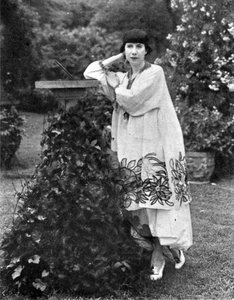
Florine Stettheimer
1871 - 1944