

 Pregledaj u prostoru
 Pošalji
 Podeli
 Detalji o delu

 Преузми
 Slični predmeti
 Rendgenski snimak
 Slajdovi
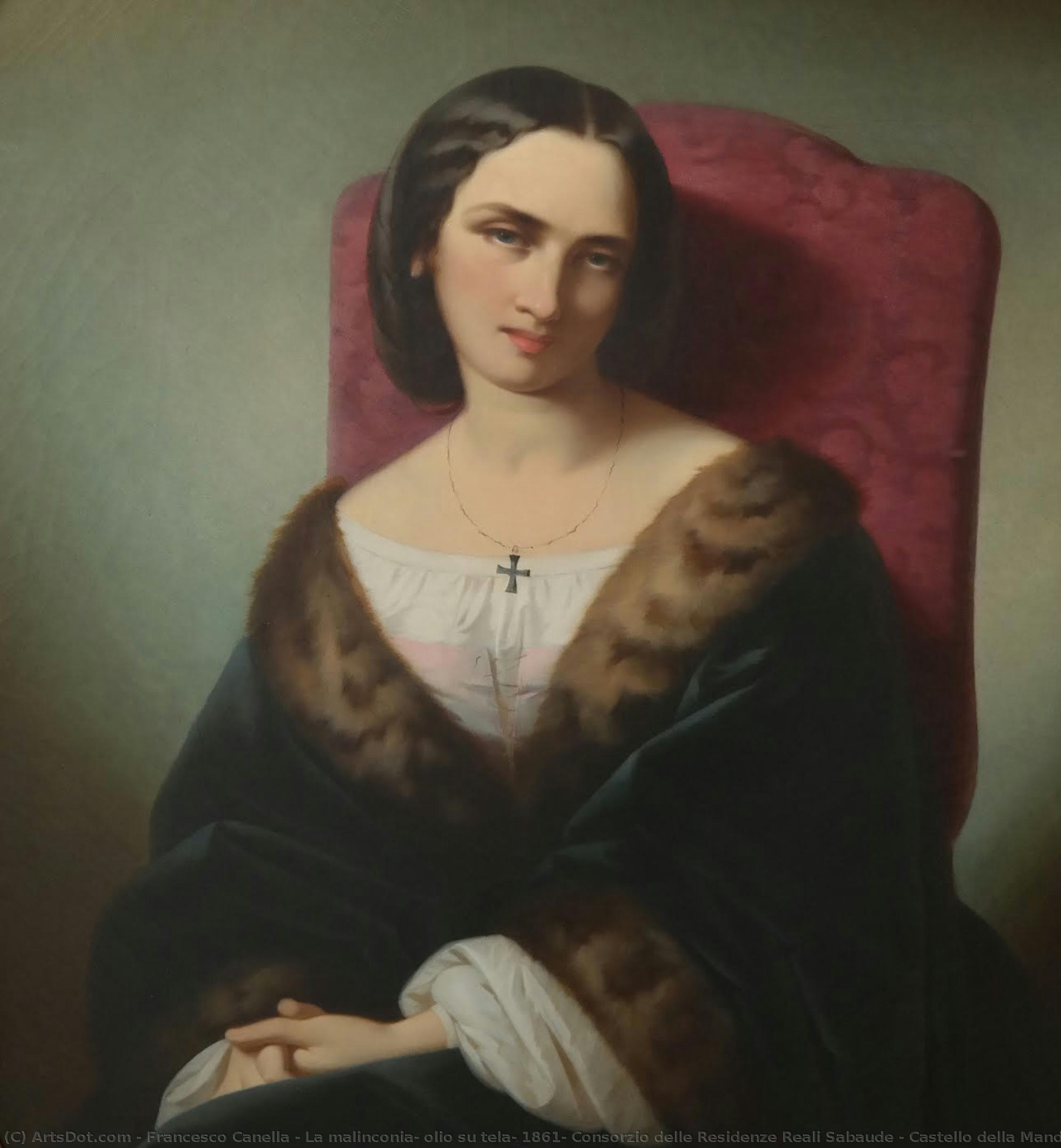
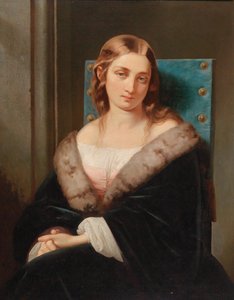
La malinconia, olio su tela, 1861, Consorzio delle Residenze Reali Sabaude – Castello della Mandria


 Pročitaj više
Kupite digitalnu sliku visoke rezolucije i poboljšanog kvaliteta, koja je znatno superiornija od onoga što vidite u online prikazu.
Svaka datoteka je pedantno pripremljena od strane naših stručnjaka koristeći napredne alate i profesionalnu ručnu retušu. Osiguravamo da svaka slika ima izuzetnu oštrinu, preciznu reprodukciju boja i fine detalje.
Konačna datoteka se dostavlja putem e-pošte u roku od 72 sata, optimizovana za neposrednu upotrebu u profesionalnim, izdavačkim i štamparskim okruženjima. To je isti kvalitet kojem veruju vrhunski studiji dizajna, izdavači i galerije.
Digitalna slika
Preuzmite datoteku visoke rezolucije za ličnu upotrebu, štampanje i kreativne projekte. ( Kupi print Kupi ručno naslikanu sliku)
Uključeno uz svaku porudžbinu digitalne slike
Profesionalna digitalna isporuka, zagarantovana
Kada odaberete ArtsDot.com, ne dobijate samo sliku – vi primate profesionalno unapređeno digitalno umetničko delo, izrađeno sa najvećom preciznošću i uz garanciju zadovoljstva. Evo svega što automatski dolazi uz vašu porudžbinu:

Brza dostava putem e-pošte
Vaša digitalna slika visoke rezolucije biće vam poslata putem e-pošte u roku od 72 sata od poručivanja – spremna za trenutnu upotrebu.

Digitalna datoteka unapređena veštačkom inteligencijom
Vaše umetničko delo je profesionalno optimizovano korišćenjem naprednih AI alata i ručne obrade, čime se osiguravaju maksimalni detalji, oštrina i preciznost boja.

Besplatna ponovna isporuka doživotno
Slučajno ste obrisali ili izgubili svoju datoteku? Ne brinite – poslaćemo vam je ponovo u bilo kom trenutku, potpuno besplatno.

Bez troškova uvoza – zauvek
Uživajte u svojim umetničkim delima trenutno, bez carine, dažbina ili troškova dostave – digitalni download je uvek bez poreza.

Garancija vernosti boja
Uz pomoć profesionalnih alata i upravljanja bojama, osiguravamo da vaša digitalna slika što vernije odražava originalne boje.

Garancija zadovoljstva u roku od 60 dana
Ako niste zadovoljni svojom digitalnom slikom, revidirat ćemo je ili vratiti 100% novca u roku od 60 dana – bez ikakvih pitanja.

100% garancija povrata novca
Niste zadovoljni? Obezbedite pun povrat novca u roku od 60 dana od trenutka kada ste primili svoju digitalnu datoteku – bez suvišnih pitanja.

Popusti na velike porudžbine
Kupite 3 slike, uštedite 10% - Kupite 5 slika, uštedite 15% - Kupite 10+ slika, uštedite 20%. Odlično za kreativne projekte, galerije i agencije.
Opis kolekcionarskog dela
A Portrait of Melancholy: Francesco Canella's *La Malinconia*
Francesco Canella’s 1861 oil painting, *La Malinconia*, offers a poignant glimpse into the heart of Victorian sensibility – a scene steeped in quiet contemplation and subtle emotional depth. Captured during a period of significant social and artistic change in Italy, this work exemplifies the burgeoning realism emerging from the Residenze Reali Sabaude’s collection at Castello della Mandria. The painting depicts a woman seated elegantly on a chair, her gaze directed towards the viewer with an arresting seriousness. Her long hair, adorned with a delicate necklace, adds to the air of refined melancholy that permeates the composition.
- Subject and Composition: The central figure dominates the canvas, drawing the eye immediately with her solemn expression. The inclusion of two secondary figures – one in the upper left corner and another near the bottom right – suggests a domestic setting, perhaps a private moment within a larger household.
- Color Palette & Technique: Canella employs a restrained yet evocative color palette dominated by muted tones of pink, brown, and grey. The brushwork is characterized by smooth gradations and subtle modeling, indicative of the artist’s attention to detail and his desire to capture the nuances of light and shadow. This technique lends itself to an almost photographic realism, though infused with a distinctly emotional quality.
Historical Context: Italy in 1861
*La Malinconia* was created at a pivotal moment in Italian history – the unification of the country under King Victor Emmanuel II. This period witnessed a surge of artistic and intellectual activity, driven by a desire to forge a new national identity. While Canella’s work doesn't explicitly engage with political themes, it reflects the broader Victorian preoccupation with emotion, introspection, and the portrayal of everyday life – values increasingly prevalent in Italian art circles at the time.
- Realism's Rise: The painting aligns itself with the growing trend towards realism within Italian art. Artists were moving away from idealized depictions of historical or mythological subjects to focus on portraying contemporary individuals and scenes with greater accuracy and emotional honesty.
- The Castello della Mandria Collection: Canella’s work was part of a significant collection housed at Castello della Mandria, reflecting the tastes and interests of the ruling class in Piedmont-Sardinia. This context adds another layer to understanding the painting's purpose and intended audience.
Symbolism and Emotional Impact
The title itself, *La Malinconia* (Melancholy), immediately establishes the dominant mood of the work. The woman’s serious expression, combined with her posture and the surrounding setting, evokes a sense of quiet sadness or introspection. The presence of the cross on the far right could symbolize faith, repentance, or perhaps simply an element of the domestic interior.
- Gesture & Expression: The woman’s direct gaze at the viewer creates a powerful connection, inviting the observer to share in her emotional state.
- Atmosphere of Reflection: Canella masterfully captures an atmosphere of quiet reflection – a scene ripe with unspoken emotions and subtle narratives.
A Reproduction for Your Space
ArtsDot offers meticulously crafted hand-painted reproductions of *La Malinconia*, allowing you to bring this evocative portrait into your home or office. Each reproduction is created using the same techniques as the original, ensuring exceptional detail and color accuracy. Whether you are an art collector, interior designer, or simply someone seeking a piece of timeless beauty, this reproduction offers a unique opportunity to experience the profound emotional impact of Francesco Canella’s masterpiece.
Srodna umetnička dela
Biografija umetnika
Mark Gertler: A Life Painted in Bold Color and Social Commentary
Born in London’s East End in 1891 to Polish-Jewish immigrant parents, Mark Gertler's life was a testament to resilience and artistic vision. Growing up amidst the vibrant, often challenging, atmosphere of a working-class neighborhood profoundly shaped his perspective and ultimately informed his distinctive style. Speaking only Yiddish until the age of eight, he navigated a world markedly different from the privileged circles that dominated much of the art establishment, an experience that would later fuel his critical engagement with social issues.
Gertler’s early artistic education at the Slade School of Fine Art provided him with foundational skills but it was a deliberate rejection of prevailing academic norms that truly defined his trajectory. He eschewed the muted palettes and idealized subjects favored by many of his contemporaries, instead embracing bold colors, dynamic compositions, and a raw emotional intensity. This departure wasn’t merely stylistic; it reflected a deep-seated desire to capture the essence of everyday life—the grit, the humor, and the underlying humanity of London's working class.
Early Influences and Artistic Development
Gertler’s artistic development was significantly influenced by Post-Impressionism, particularly the work of Gauguin and Van Gogh. However, he quickly moved beyond mere imitation, forging a unique voice that blended these influences with elements of Eastern European folk art—a connection rooted in his family's heritage. This fusion is most evident in works like *Merry-Go-Round* (1916), a frenetic depiction of figures spinning on fairground horses, which can be interpreted as a powerful critique of the mechanization and superficiality of modern life. The painting’s intense colors and swirling composition convey a sense of both excitement and unease, reflecting Gertler's complex view of the era.
Following the First World War, Gertler spent time in France, seeking respite from his declining health—a consequence of tuberculosis. This period proved crucial for his artistic maturation, allowing him to experiment with new techniques and explore themes related to social injustice and political unrest. His portraits often depicted women with a striking realism, capturing their strength and vulnerability simultaneously.
Themes of Social Commentary and Personal Struggle
Gertler’s art wasn't confined to purely aesthetic concerns; it consistently engaged with the social and political realities of his time. He frequently portrayed scenes of urban life—crowded streets, bustling markets, and working-class communities—offering a sympathetic portrayal of those often marginalized by society. His paintings are imbued with a sense of empathy and a willingness to confront uncomfortable truths.
Furthermore, Gertler’s personal struggles profoundly impacted his artistic output. Battling tuberculosis throughout much of his life, he experienced periods of intense physical pain and emotional distress. These experiences found expression in his art through heightened color palettes, dynamic brushwork, and emotionally charged imagery. His work *Queen of Sheba* (1922), a monumental portrait of a woman adorned with jewels, is often interpreted as a commentary on the exploitation and commodification of female beauty—a theme that resonated deeply with Gertler’s own experiences.
Legacy and Historical Significance
Mark Gertler's career was tragically cut short in 1939 at the age of 47, succumbing to complications from his illness. Despite a relatively brief artistic life, he left behind a significant body of work that continues to be celebrated for its originality, emotional intensity, and social commentary. His bold use of color, dynamic compositions, and unflinching portrayal of everyday life established him as a key figure in British modernism.
Today, Gertler’s paintings are housed in major museums around the world, including the Tate Gallery in London, testament to his enduring influence on the art world. He remains an important artist for understanding the social and cultural landscape of early 20th-century Britain—a painter who dared to capture the complexities of life with honesty, passion, and a vibrant palette.
francesco canella
1939 - , Italy
Kratke činjenice
- Artistic Movement Or Style: Post-Impressionism
- Artists Or Movements Influenced By This Artist: ['Eastern European folk art']
- Artists Who Influenced This Artist: ['Post-Impressionists']
- Date Of Birth: December 9, 1891
- Date Of Death: June 23, 1939
- Full Name: Mark Gertler
- Nationality: British
- Notable Artworks:
- Merry-Go-Round
- Queen of Sheba
- Place Of Birth: London, England

