

 Pregledaj u prostoru
 Pošalji
 Podeli
 Detalji o delu

 Преузми
 Slični predmeti
 Rendgenski snimak
 Slajdovi
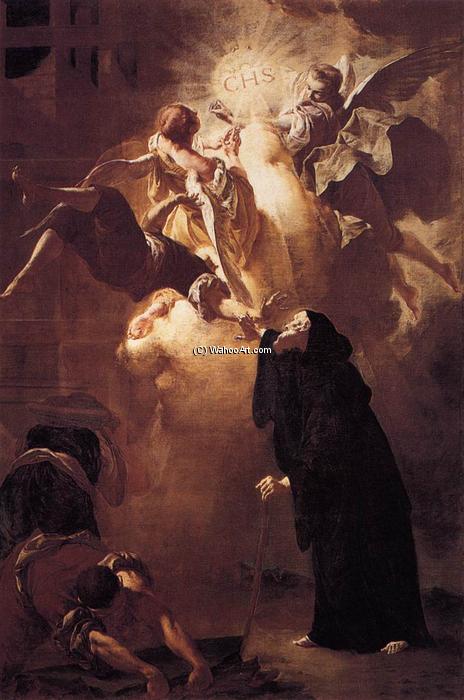
Miracle of San Francesco da Paola
 Baroque
 1750
1750 250.0 x 180.0 cm
 Museo Diocesano
 Pročitaj više
Ručno rađena uljana reprodukcija
Ručno oslikano uljanim bojama na platnu u dimenzijama i okviru po vašem izboru, izrađeno po porudžbini od strane naših umetnika. ( Kupi print Kupi digitalnu sliku)




































Izaberite jednu od naših unapred definisanih veličina koje odgovaraju originalnim proporcijama umetničkog dela.

Можете унети сопствене димензије како бисте прилагодили дело одређеном оквиру или простору. Ако одабрана величина не одговара пропорцијама оригинала, слика ће бити исечена или проширена додатним елементима који се ручно насликавају. Дигитални prikaz ће вам бити послат на одобрење пре почетка производње.
Имајте на уму да преглед на екрану не одражава стварно исецање или проширење. Само приказ (mockup) ће тачно приказати коначну композицију.
Иако су доступне прилагођене величине, препоручујемо да одаберете димензију из дефинисане листе како бисте сачували оригиналне пропорције.
Nakon narudžbine, tim ArtsDot.com će klijentu putem e-pošte poslati uputstva i dostaviti prikaz predloženog rešenja
Isporuka širom sveta () za 3/4 nedelje umesto uobičajenih 5 nedelja. (25 август). Bez kompromisa po pitanju kvaliteta.

Besplatna ekspresna dostava širom sveta

Visokokvalitetno laneno platno

Kompletno osiguranje transporta

Garancija povraćaja carine i uvoznih dažbina

Garancija vernosti boja

Politika povrata u roku od 60 dana (samo u slučaju nedostataka)

Garancija povrata novca od 100%

Popust pri grupnoj kupovini
 Opcija sa staklom dostupna je samo za dimenzije manje od 110 cm

Miracle of San Francesco da Paola
Tehnika reprodukcije
Dimenzije reprodukcije
-


Konačna cena
$ 288
Opis umetničkog dela
The Composition and Symbolism
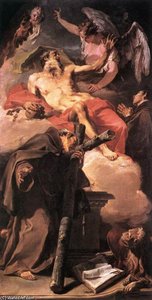
The composition of the painting is characterized by dramatic lighting and dynamic movement, typical of the Baroque style. The central figure of San Francesco da Paola is surrounded by a group of people who look at him with amazement and admiration. The use of color is also noteworthy, with gold and red tones predominating and creating a warm and welcoming atmosphere.- The painting's rich colors and intricate details make it a true masterpiece of Italian art.
- The scene is full of movement and emotion, drawing the viewer into the miracle unfolding before them.
Artist and Historical Context
Francesco Cappella was a prominent artist of his time, known for his impressive artistic style and complex compositions. The Miracle of San Francesco da Paola is one of his most famous works, showcasing his ability to create scenes full of movement and emotion. For more information on the artist and his works, visit https://ArtsDot.com or https://en.wikipedia.org/wiki/Francesco_Cappella.The Miracle of San Francesco da Paola is a testament to the artistic skill and historical significance of Francesco Cappella. This painting continues to fascinate art lovers and experts, offering a glimpse into the beauty and emotion of Italian Baroque art.
Srodna umetnička dela

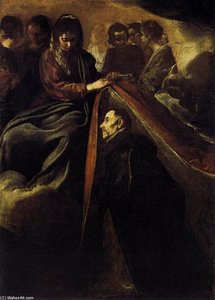
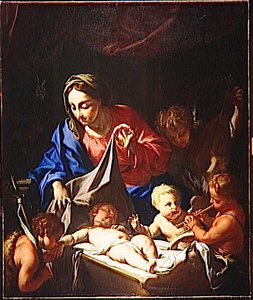
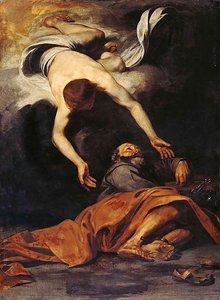
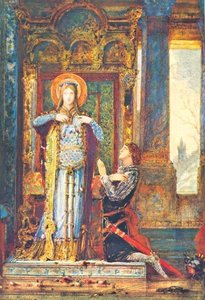
Biografija umetnika
The Luminous Legacy of Francesco Cappella
Born in the vibrant, water-bound splendor of Venice in 1711, Francesco Cappella emerged as a profound voice within the twilight of the Venetian Baroque. His life and artistry were inextricably linked to an era that balanced the burgeoning rationalism of the Enlightenment with a lingering, passionate devotion to religious mysticism. Often referred to by the evocative nickname Daggiù, or sometimes simply as Il Capella, he navigated a world where light and shadow served not merely as aesthetic choices, but as spiritual conduits. His early training, deeply rooted in the prestigious workshops of his homeland, allowed him to absorb the dramatic essence of the Venetian tradition, preparing him to become a master of the sublime.
The foundation of Cappella’s technical prowess can be traced back to his formative years under the guidance of legendary masters. While some accounts link his early development to the stylistic precepts of Rome and the influence of Giuseppe Rusconi, much of his artistic identity was forged in the studio of the renowned Giovanni Battista Piazzetta. This apprenticeship was transformative; by studying under Piazzenta, Cappella learned to manipulate chiaroscuro—the dramatic interplay of light and dark—to create depth and emotional resonance. His early works often mirrored the style of his mentor, sometimes even assisting in the completion of Piazzetta’s frescoes, a period that allowed him to refine a sense of monumental scale and theatrical movement that would become his hallmark.
Mastery of Drama and Divine Intervention
As his career progressed, Cappella moved beyond mere imitation, developing a unique ability to capture the miraculous through a lens of human emotion. His oeuvre is most celebrated for its grand-scale religious compositions, particularly those designed to adorn the sacred spaces of Italian churches. He possessed a rare talent for tenebrism, utilizing deep, velvety shadows to thrust his subjects into the light, creating a sense of sudden, divine presence. This technique was never purely decorative; it served to heighten the tension between the earthly and the divine, making the miraculous feel tangibly present to the viewer.
One of his most enduring masterpieces, the Miracle of San Francesco da Paola, serves as a perfect window into his creative soul. Painted around 1750, this work showcases his ability to orchestrate complex human drama within a single frame. In it, the saint intervenes to save a mason from a fatal fall, a moment captured with such dynamic energy and luminous detail that the viewer is drawn into the very heart of the miracle. Through the use of rich pigments—predominantly warm golds and deep reds—Cappella imbued his canvases with an atmosphere that was simultaneously majestic and intimately human, reflecting a humanist approach to religious iconography that sought to connect the majesty of God with the palpable feelings of man.
Historical Significance and Enduring Influence
The trajectory of Francesco Cappella’s life took him from the canals of Venice to the significant artistic hubs of Bergamo, where he found steady employment by both the state and the church. His ability to paint history and religious narratives with such profound gravity earned him a respected place among the 18th-century Italian masters. Even as artistic tastes began to shift toward the lighter, more delicate Rococo style, Cappella remained a steadfast guardian of the Baroque's emotional intensity, ensuring that the tradition of dramatic storytelling through light remained vital.
Today, the legacy of Francesco Cappella resides in the silent, powerful presence of his works in museums and sacred basilicas across Italy. He remains a pivotal figure for those studying the evolution of Venetian painting, representing a bridge between the intense shadows of the 17th century and the more structured compositions of the late 18th century. His contribution to art lies not just in the beauty of his brushwork, but in his ability to use the medium of oil on canvas to explore the profound mysteries of faith, making the ephemeral moment of a miracle feel eternal.
francesco cappella
1711 - 1774 , Italy
Osnovne informacije
- Artistic Movement Or Style: Baroque
- Date Of Birth: 1711
- Full Name: Francesco Cappella
- Nationality: Italian
- Notable Artworks: ['Miracle of San Francesco da Paola']
- Place Of Birth: Venice, Italy
Povezani članci

Барокна драма: Уношење величине и емоција у савремене ентеријере
Откријте барокну драму и унесите величину у ваш ентеријер! ArtsDot нуди ручно насликане репродукције, персонализоване портрете и стручне консултације за љубитеље класичне уметности. Потражите савршено дело већ данас!

Barok Majstor dela: Top 10 Umjetničkih Remeka za Vaš Dom
Otkrijte 10 remek dela koja su definisala baroknu umetnost! Karavagio, Bernini i više – istražite priče iza ovih ikoničnih slika. Inspiracija za vaš dom? Pogledajte kolekciju na ArtsDot.com!

The Dramatic Flourish: Exploring the Baroque Movement's Enduring Legacy in Art History
Explore the dramatic world of Baroque art! Discover iconic artists like Caravaggio & Rubens, defining techniques, and its lasting impact on art history. Expert insights for collectors & enthusiasts at ArtsDot.
Simon Vouet: A Baroque Master's Journey from Italian Influence to French Classicism
Explore the life & art of Simon Vouet, a pivotal French Baroque painter who introduced Italian styles to France. Discover his masterpieces and lasting influence on 17th-century art.

The Visceral Stage: Exploring Dramatic Narratives & Emotional Intensity in Baroque Art
Explore the dramatic world of Baroque art! Discover iconic masters like Caravaggio & Rembrandt, their techniques, and the movement's lasting impact. Expert insights for collectors & enthusiasts at ArtsDot.

